WHY DESIGN SHOULD BE ACCESSIBLE
Published
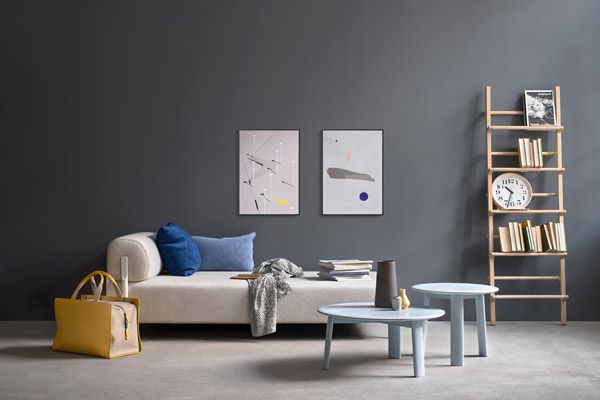
The era of exclusive design is over. Keeping design out of reach for some is not sustainable for the success of our industry, and quirky young-guns like Hem are leading the charge in high-end design for everyone.
It’s about damn time is all I can say. Sure, there may have been a time when it was cool to have your business in the hands of five-or-six high-end clients – but post-GFC that model isn’t that realistic now is it.
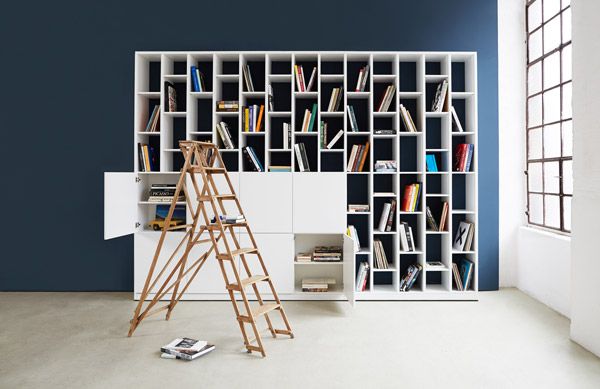
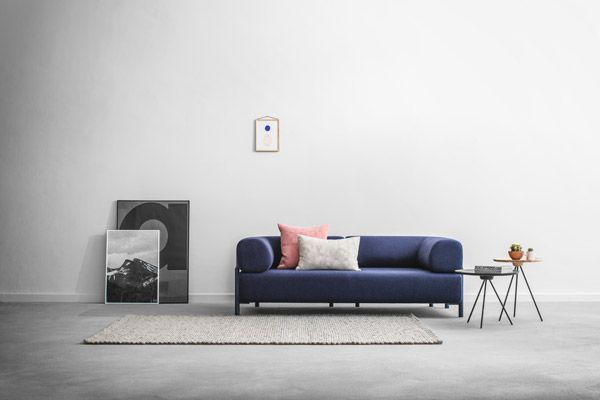
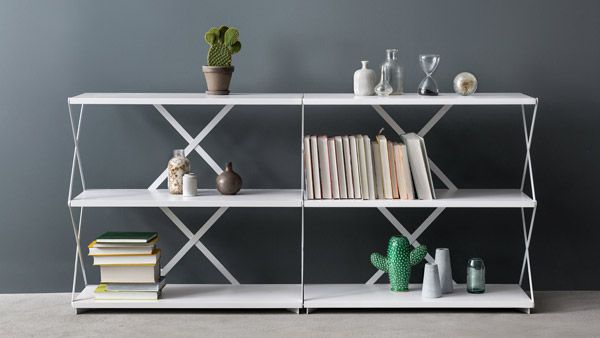
And aside from all that, there is a real demand for high-end design that is achievable for your average consumer. In fact if the replica trade has taught this industry anything, it’s that price point is a huge factor in this market. People the world over are sending a loud and clear message that they want genuine design at a price they can manage.
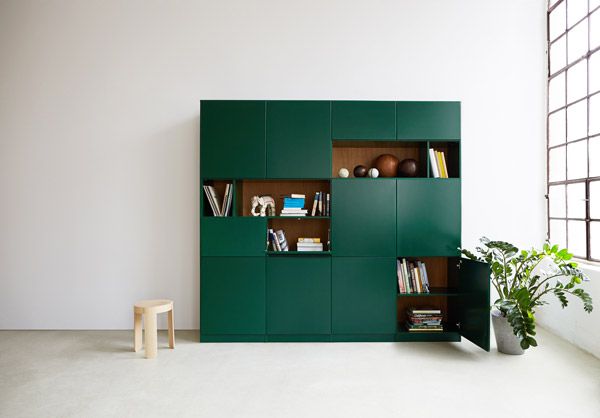
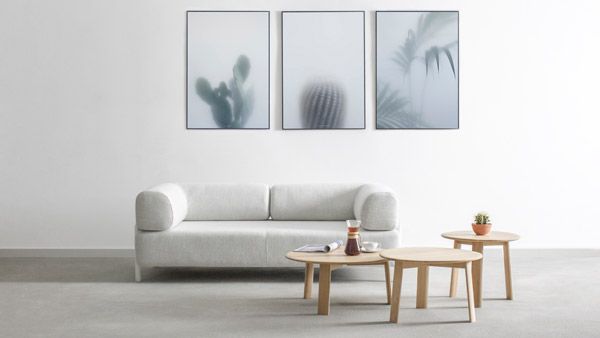
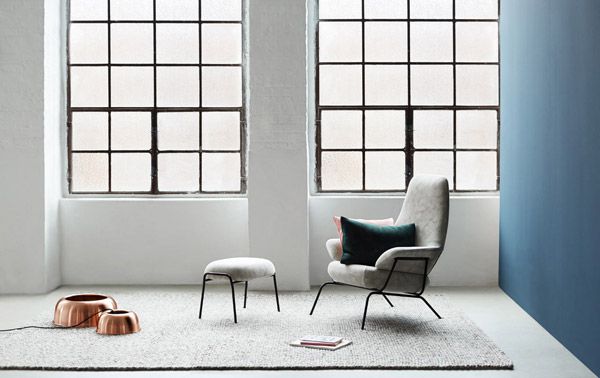
About two years ago now, famed global online retailer Fab acquired Finnish design brand One Nordic. And here, forged Hem – which is fast becoming every designer-phile’s cult favorite and is a real player in bringing high-end, accessible Scandinavian design to the world.
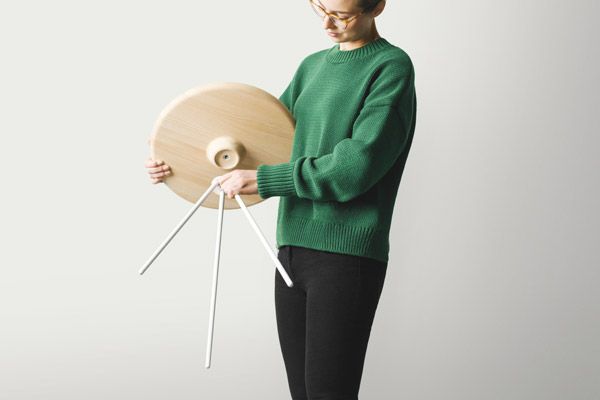
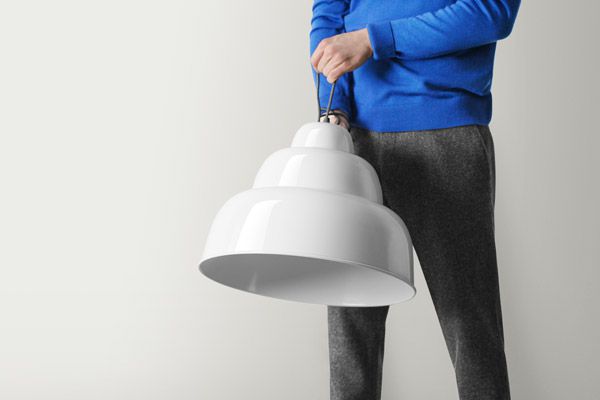
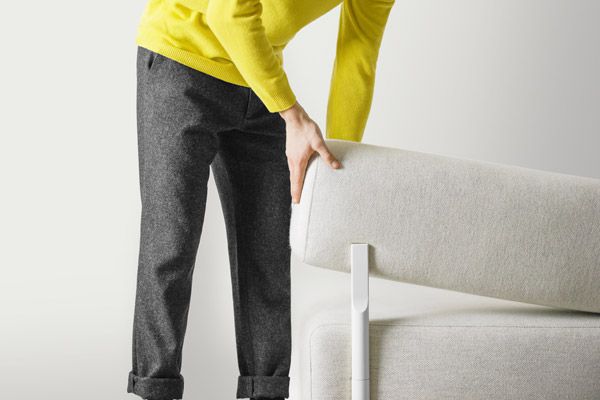
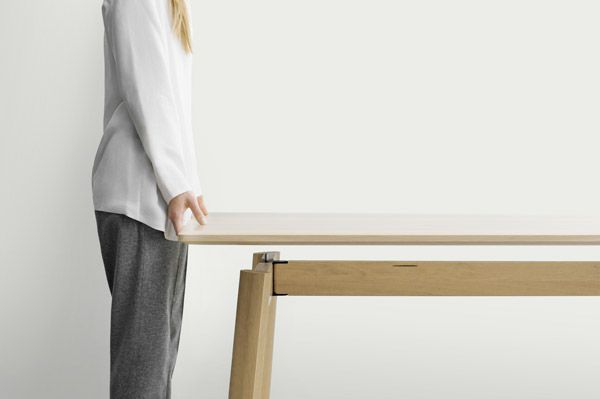
Hem’s affordability strategy is keeping costs low through efficient design and factory-direct shipping. Yet maintain value by using quality materials and collaborating with a rock star roster of the industry’s most talented designers including: Form Us With Love, Anderssen & Voll, Nendo, Max Lamb and Luca Nichetto to name a few.
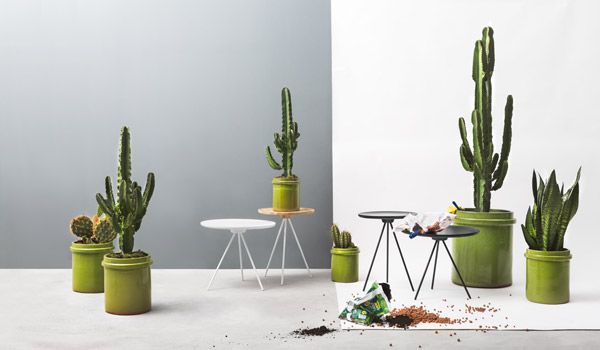
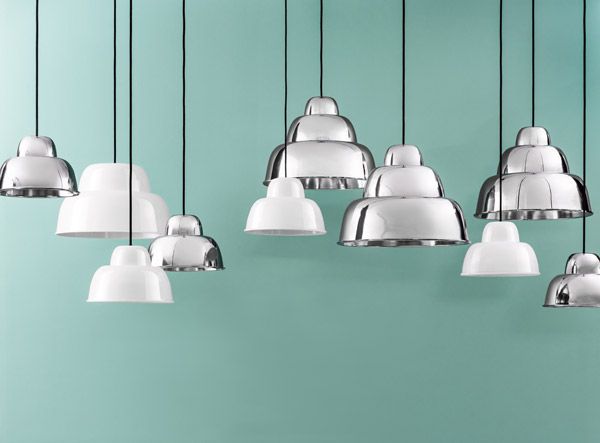
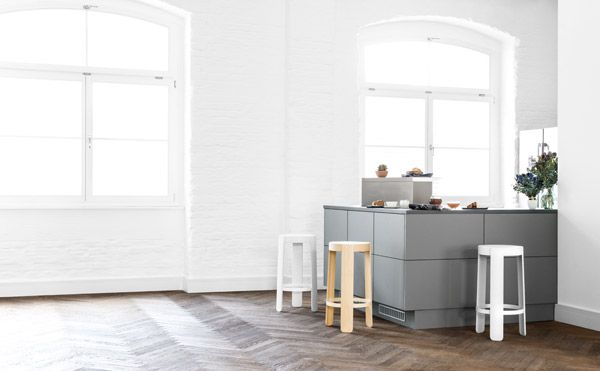
Hem’s accessibility strategy is clever, and really only three-pronged:
- Hem partners with like-minded suppliers globally to further their message. These suppliers need to have the same values and passion for design democracy!
- Taking a page out of IKEA’s book, many of Hem’s designs will require no tools for assembly, eliminating an intimidation factor that often accompanies online furniture orders.
- Hem’s user-friendly online customisation tool lets consumers act as their own designers and allows designers to craft specific product for niche specification needs to find bespoke solutions without a bespoke price tag. Plus, a safety net! Hem’s team of professional interior designers and global supplier partners are on hand providing guidance. (Note: the customisation tool isn’t available to U.S. buyers yet, but Hem reports that it will be crossing the Atlantic shortly!)
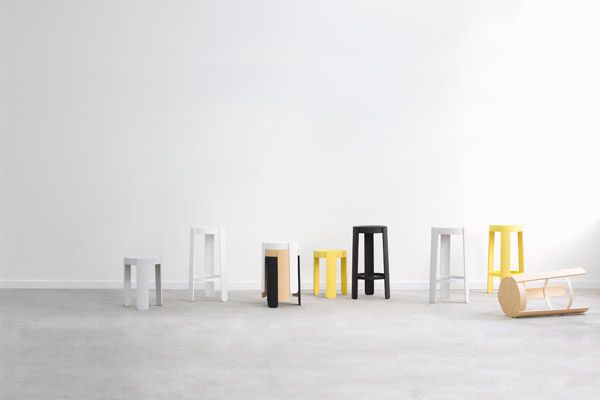
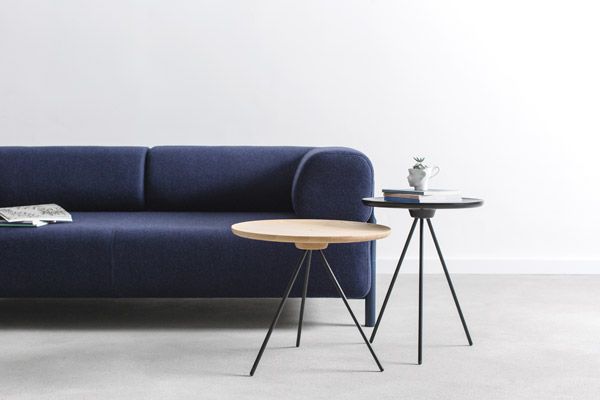
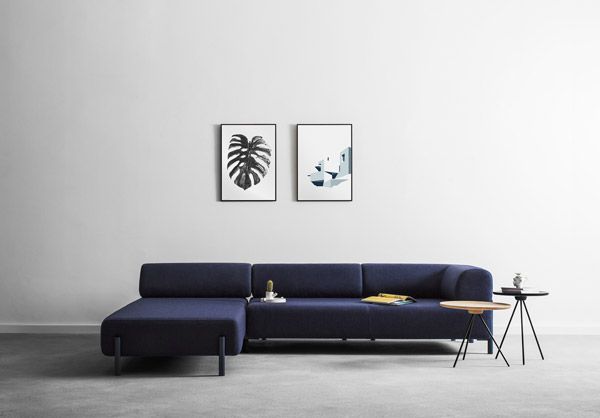
Brands such as Hem really are the future of this industry. The essence of Hem is all about uncluttered functionality in everyday objects, and Hem builds on this solid foundation by applying it on 21st century needs and behaviors.
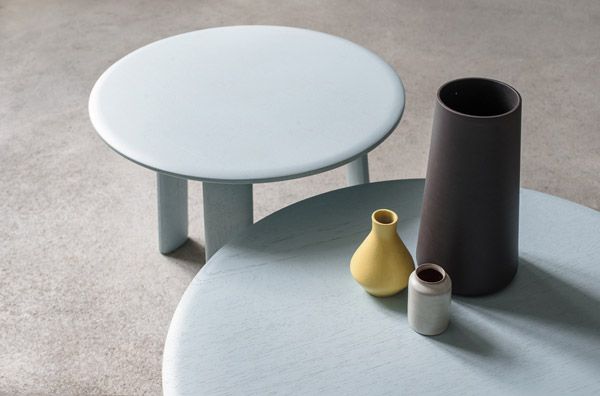
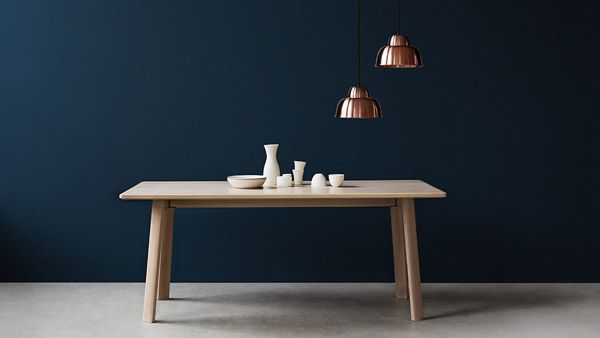
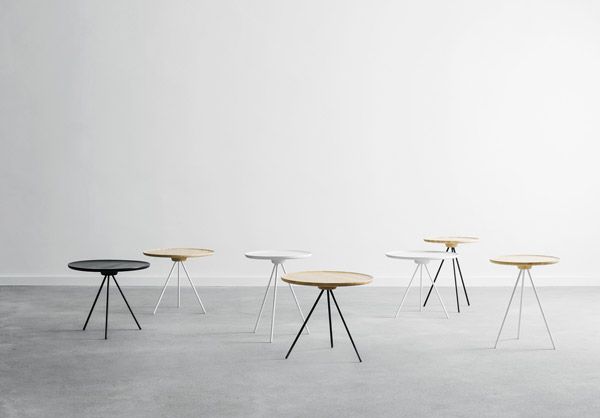
“We make high quality furniture and accessories designed by the absolute best designers. In addition, we offer products by interesting international designers giving their take on design. We truly believe that design should be accessible to everyone.”
HEM is available in Australia exclusively through District.
For more information contact District at district.com.au
Related Articles
Events
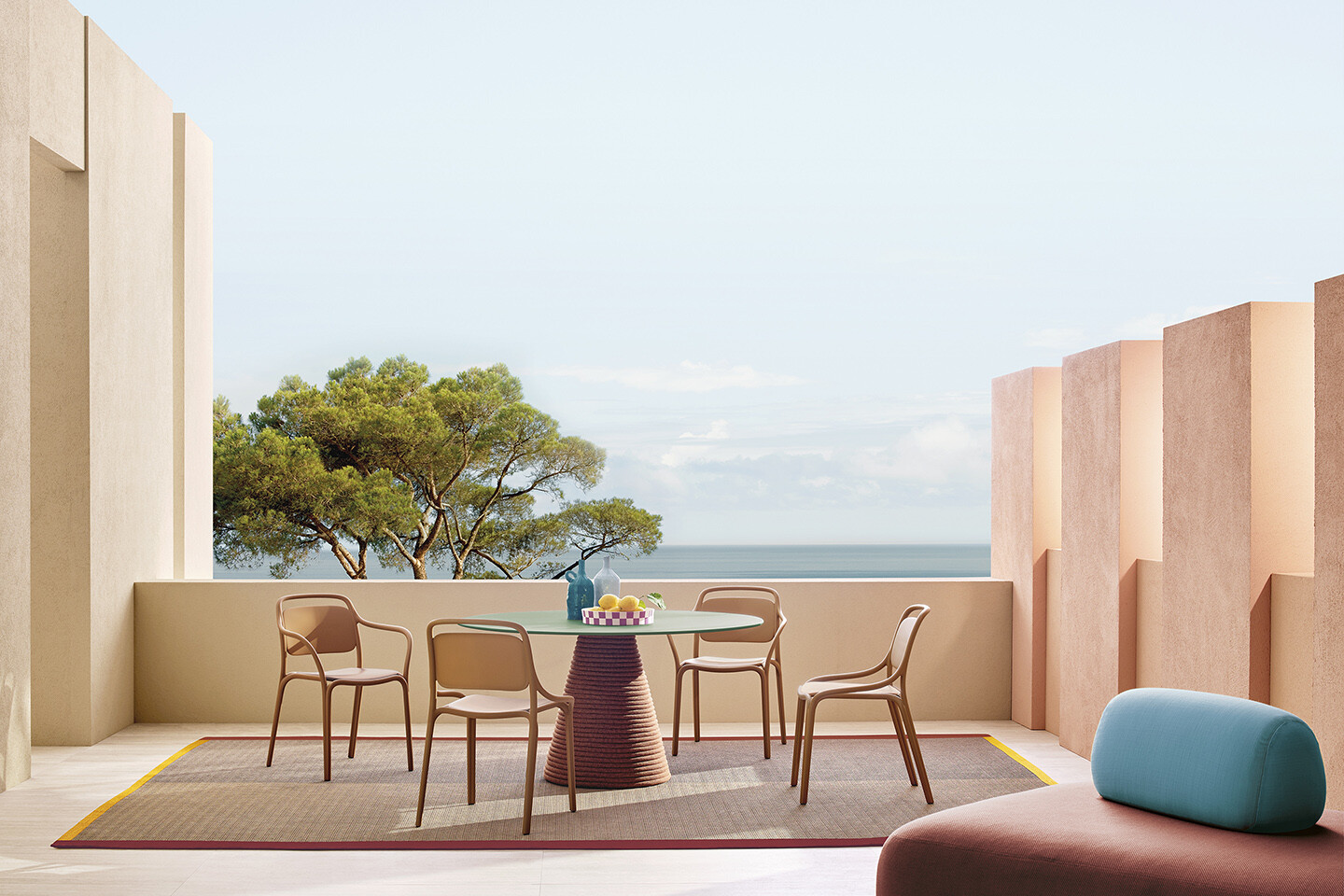
“I’m not trying to design a shape, I’m trying to shape a feeling”: Eugeni Quitllet & Pedrali in Milan
At Salone del Mobile 2026, Catalan designer Eugeni Quitllet launched Libre, a new seating collection with Pedrali that focuses on form, function and ergonomics.
Articles
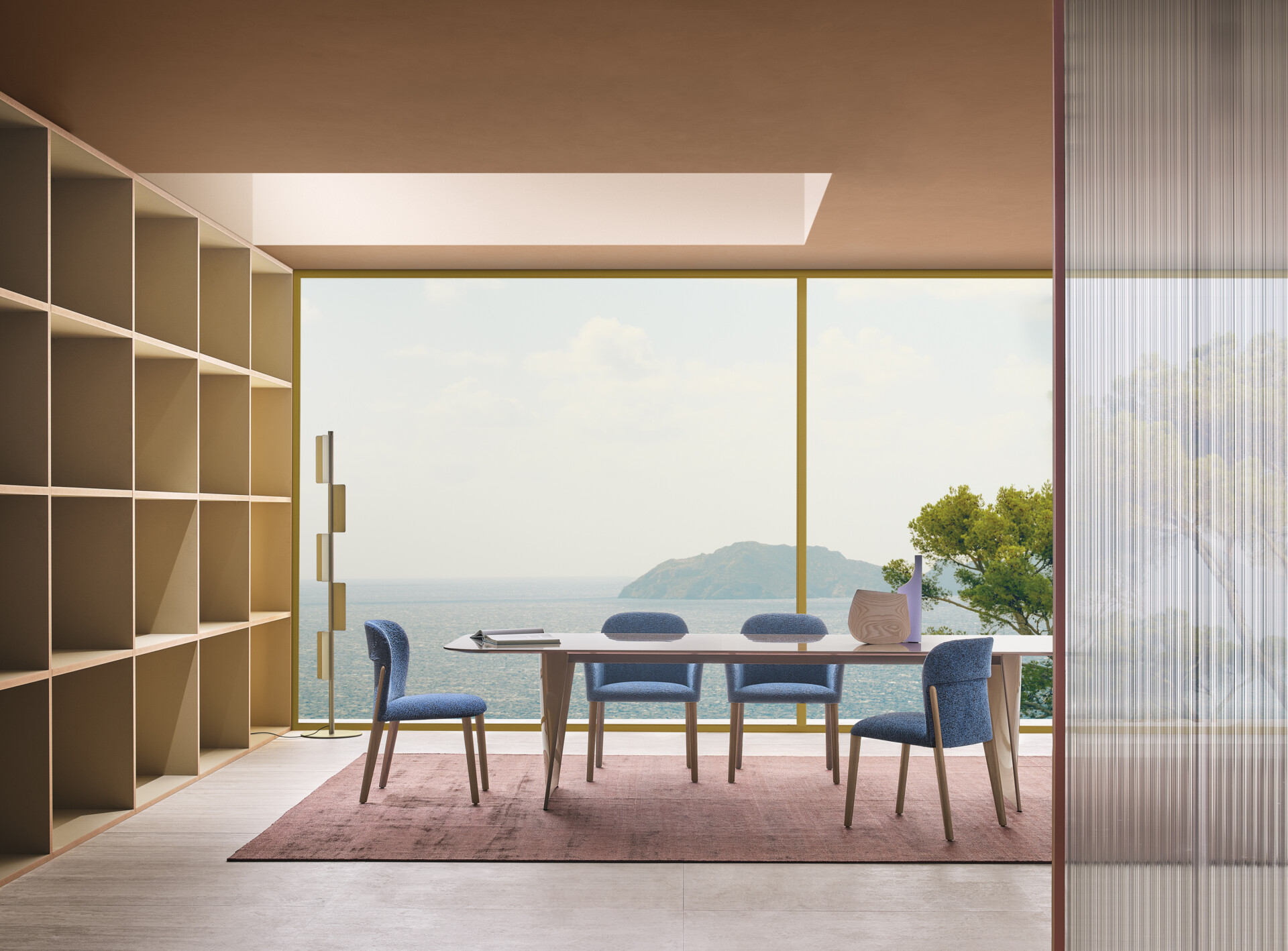
Embracing elegance
On the occasion of Salone del Mobile 2026, the Opale collection designed by Patrick Jouin for Pedrali expands with two new iterations: a chair and a barstool with armrests.
Articles
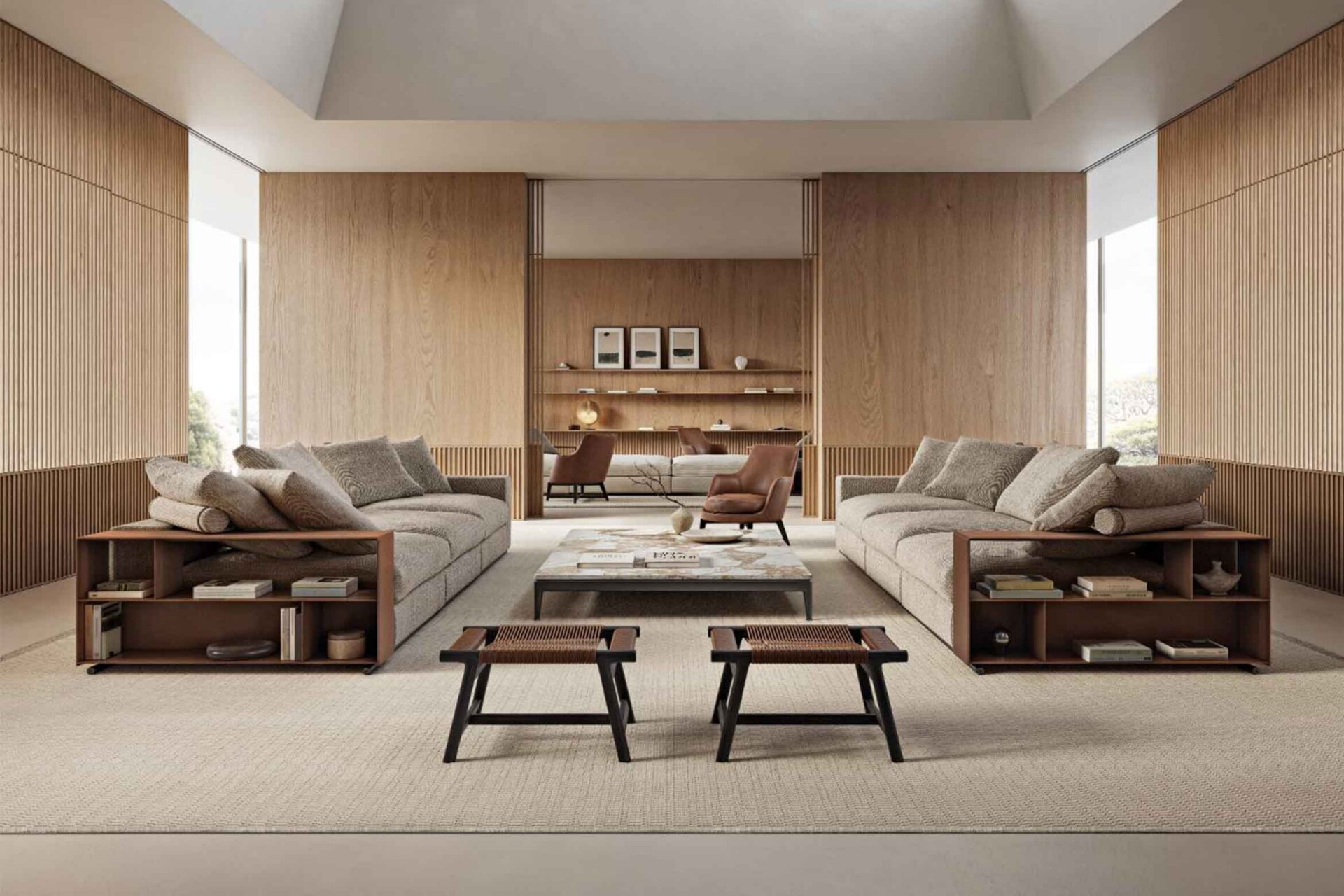
The sofa as landscape: How Groundpiece rewrote the rules
In 2001, Antonio Citterio designed a sofa that threw out the rulebook. A quarter-century later, Groundpiece remains Flexform’s longest-running bestseller – and it still looks like the future.
Articles
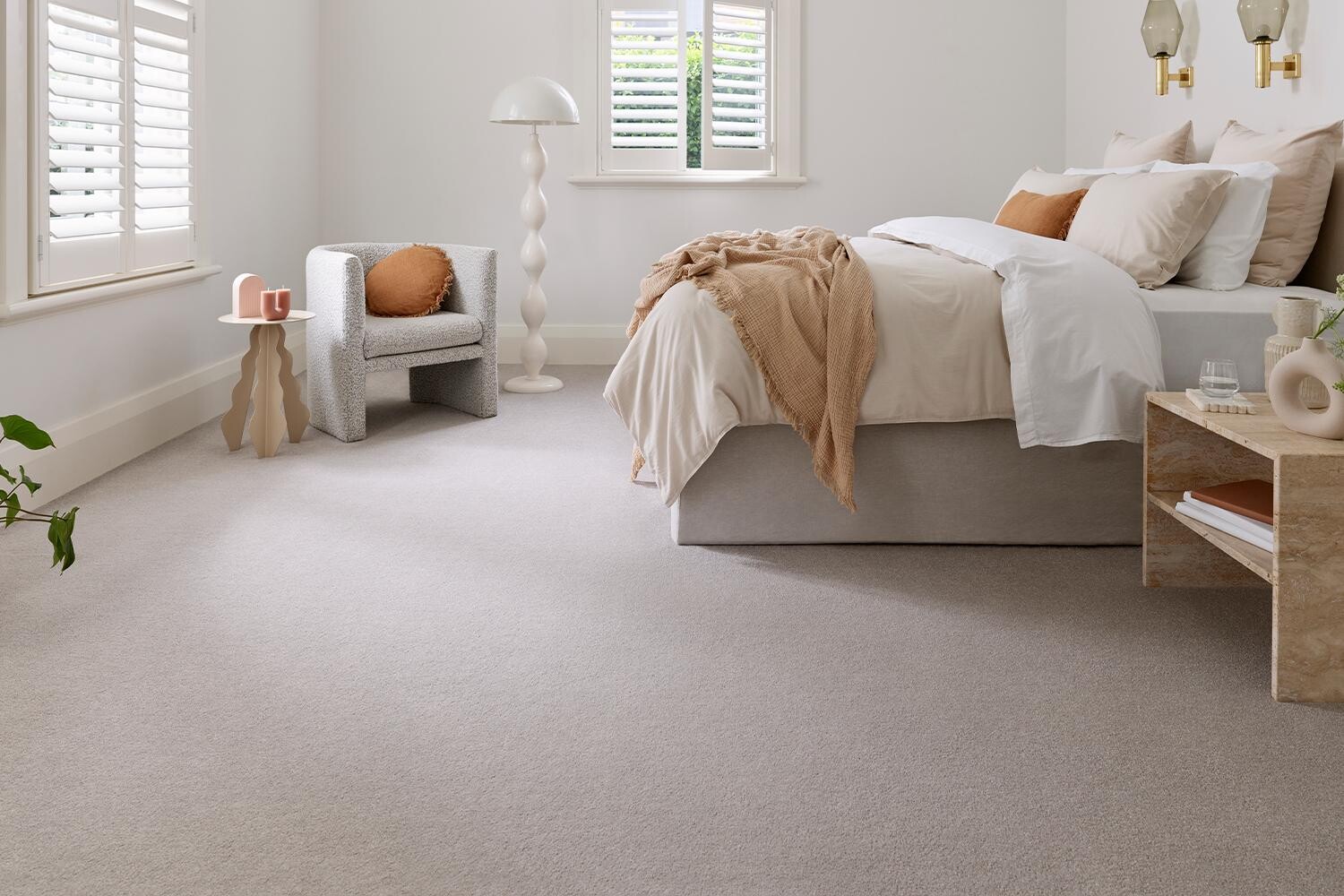
Design tricks for using carpets to create balance and depth
Good looks count, but function completes the space.