The home of architecture and design in the Asia-Pacific
Get the latest design news direct to your inbox!

Get the latest design news direct to your inbox!
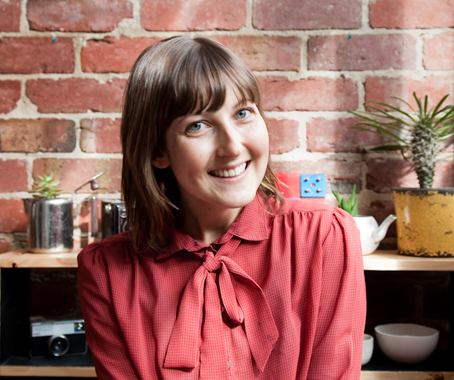
Among Workshopped 10’s highlights was the Coco Pendant light by Kate Stokes. We talked to the founder of design studio Coco Flip in the aftermath.
August 16th, 2010
Could you tell us a little about your design background?
I started out studying architecture, but switched to industrial design at Curtin University, graduating in 2006.
After graduating and exhibiting furniture at the Milan International Furniture Fair in 2006, I took up a creative development role with Little Creatures Brewing in Fremantle where I was involved in a diverse set of projects from packaging and web design to the interior design of Little Creatures Dining Hall in Fitzroy in 2008, and many strange and wonderful things in between.
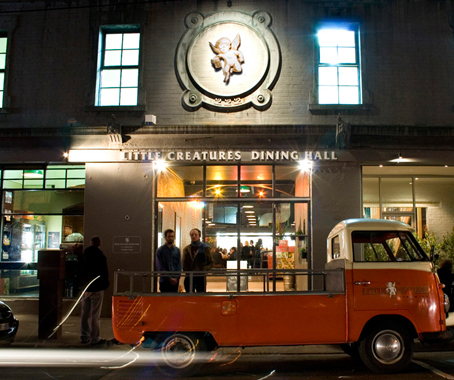
I loved the Little Creatures culture and learnt a lot working in such varied disciplines with some very interesting and creative people.
I then moved to Melbourne and worked in a communications role with State of Design Festival during 2009 and 2010, which again exposed me to some wonderful people and extraordinary projects and couldn’t really have been a better introduction to design in Victoria.
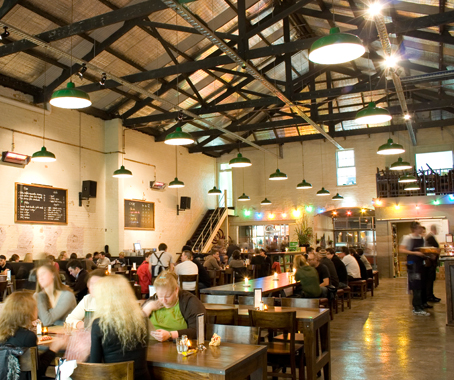
Only at the end of 2009 did I decide to go back to furniture design and start my own practice. I received an Australia Council ArtStart grant to help get things going, and Coco Flip was born in 2010.
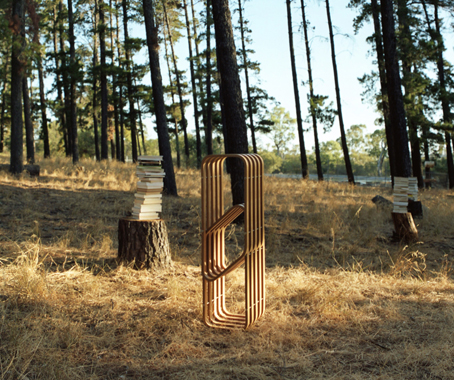
’Loop’, photograohy by Jackson Eaton
How would you describe your aesthetic?
I’d say my aesthetic is quite simple and restrained, yet warm and familiar.
I try to design products that people have an immediate connection with and that hold their own unique character.
Highlighting materiality and expressing each manufacturing process is an important aspect of my work and helps give my pieces an honest aesthetic.
What inspires your work?
I’m interested in the way things connect, both physically and socially, so connection is an ongoing theme in my work.
I’m also strongly influenced by both Scandinavian and Japanese design and culture and their ability to effortlessly balance form and maintain simplicity, even in the most complex of products.
How was the Coco Pendant born?
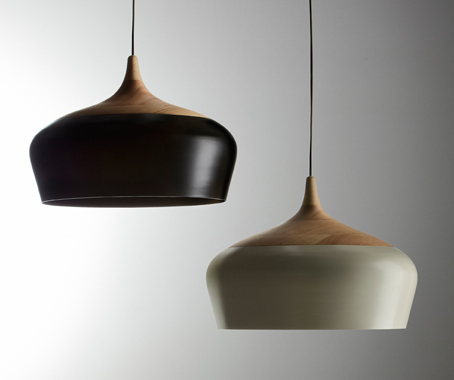
I wanted to explore the process of timber turning and was interested in how I could use this very heavy material in a delicate way.
It’s a highly skilled process and I wanted the form to express the turning technique and the incredible craftsmanship involved.
Contrasting the turned timber with spun aluminium, a very typical process used in lighting, created a symbiosis between the two components.
I worked closely with Victorian manufacturers to realise the design and put them into production, which was a very rewarding experience.
How has Workshopped 10 been of help to you? What made you enter your design?
I’d been aware of Workshopped for a long time and it has a good reputation in the industry, so I entered Coco Pendant and went up to Sydney for the exhibition.
This year was the 10th anniversary of Workshopped so there was a great buzz and over 40 designers were involved.
Being held in a public space (Chifley Plaza) exposes furniture design to a very wide audience who perhaps wouldn’t ordinarily attend a design exhibition.
The Workshopped team is about to launch a design store in Surry Hills and will be stocking Coco Pendant, so it was a great outcome.
As a young designer, what are the biggest challenges you face?
It’s an unusual and somewhat daunting industry as a young designer.
There isn’t really a fixed career pathway that goes along with a design degree, so I think you have to be bold, and possibly a little mad. I guess the biggest challenge is balancing creativity with business and pragmatics.
As an independent designer you need to wear a lot of hats and be extremely versatile, which luckily I really enjoy.
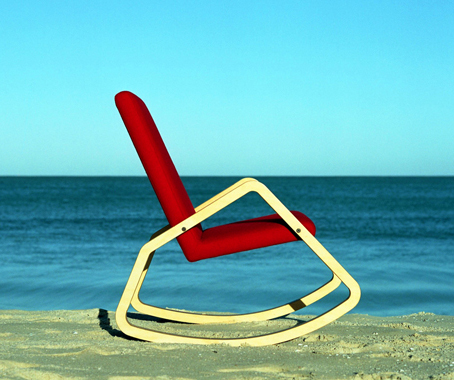
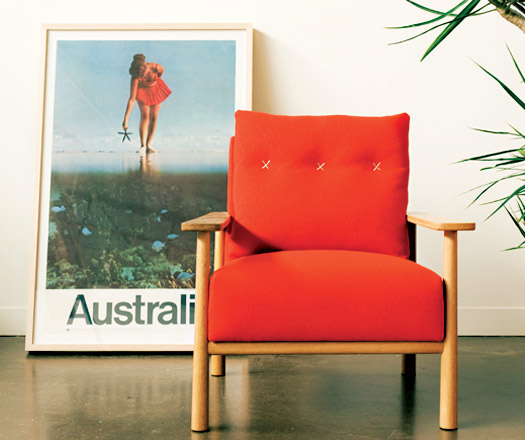
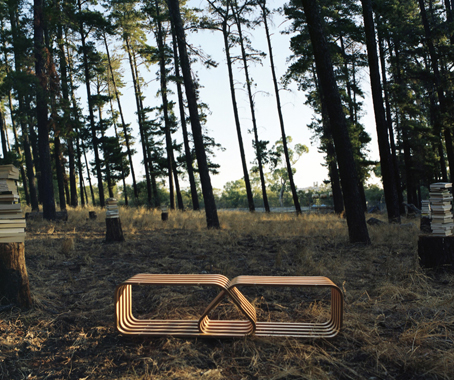
’Rocker’, photography by Jackson Eaton
What has been your most rewarding moment?
When a product comes to completion and everything works out it’s a really incredible feeling.
It can be a long process from concept to reality, and until you see the real thing there is always a little doubt that it’s not going to be exactly as you hope.
We did a photo shoot for Coco Pendant in Cibi Café in Collingwood and it was the first time I’d properly installed the light.
What are you working on right now?
I’m currently working on developing more furniture pieces for the Coco Flip range as well as being involved in some graphic design projects.
I’m enjoying exploring new processes, experimenting with ceramics and slip casting as well as screen-printing and pattern making.
I’d like to work with some established furniture brands while I continue developing independent pieces with local manufacturers and see where things lead.
Coco Flip
cocoflip.com.au
Little Creatures photography by Joel Rees
Coco Pendant photography by Haydn Cattach
INDESIGN is on instagram
Follow @indesignlive
A searchable and comprehensive guide for specifying leading products and their suppliers
Keep up to date with the latest and greatest from our industry BFF's!
The internet never sleeps! Here's the stuff you might have missed