The Teatro Gerolamo is an intimate 19th century theatre in Milan’s city centre which was purpose-designed for marionette performances, hence its boutique scale, and after a lengthy period of disrepair it was beautifully restored to its former glory in 2017. As a symbol of craftsmanship and circularity it was the perfect backdrop for V-ZUG’s Fuorisalone events, which brought together the best and brightest of the international design community to explore what was front of mind at Milan this year.
In recognition of Australia’s importance as one of V-ZUG’s first international markets, the program included a dedicated evening for Australian attendees at Salone who were travelling to the design fair for the first time in three years. Presented in partnership with Habitus magazine, the panel discussion included Melbourne-based product designer Ross Gardham, Jess Coulter of interior design studio Cera Stribley, and architect Chris McCue of Carr.
They were joined by V-ZUG head of design, Martin von Freeden, and German designer, Sebastian Herkner, the EDIDA 2021 Best Designer of the Year who is known for his collaborations with Cappellini, Dedon, Thonet and Zanotta – amongst others.

Sustainability a key theme
Sustainability quickly surfaced as a key theme, not unsurprising given growing global concerns around energy consumption and waste reduction. “It was really positive to see that it is clearly the number one agenda,” says Habitus editor, Aleesha Callahan, who was the discussion moderator on the night. “Nearly every brand was using materials made from recycled PET plastic and trying to design products with more sustainability in mind.”
Special reference was made to the V-ZUG installation at the Salone, which was produced entirely from recycled materials and will avoid landfill through a deliberate strategy to design the company’s temporary displays either for re-use or further recycling.
Related: Read about the new V-ZUG Paris and London headquarters

Global supply chain challenges
Another hot topic was the fissures in global supply chains that the pandemic has brought into sharp focus, particularly in Australia. There was a strong consensus amongst the panellists that working with local manufacturers and artisans had been resoundingly confirmed as one of the positives designers could take away from the last few years, when these challenges of sustainability and logistics had so dramatically intersected.
Each had specific examples to point to, such as McCue sourcing bricks from a regional Victorian company that allowed a project to continue to schedule, and Gardham’s preference for local manufacturers over off-shoring providing a welcome level of production reliability in recent times.
The power of localised skills and knowledge
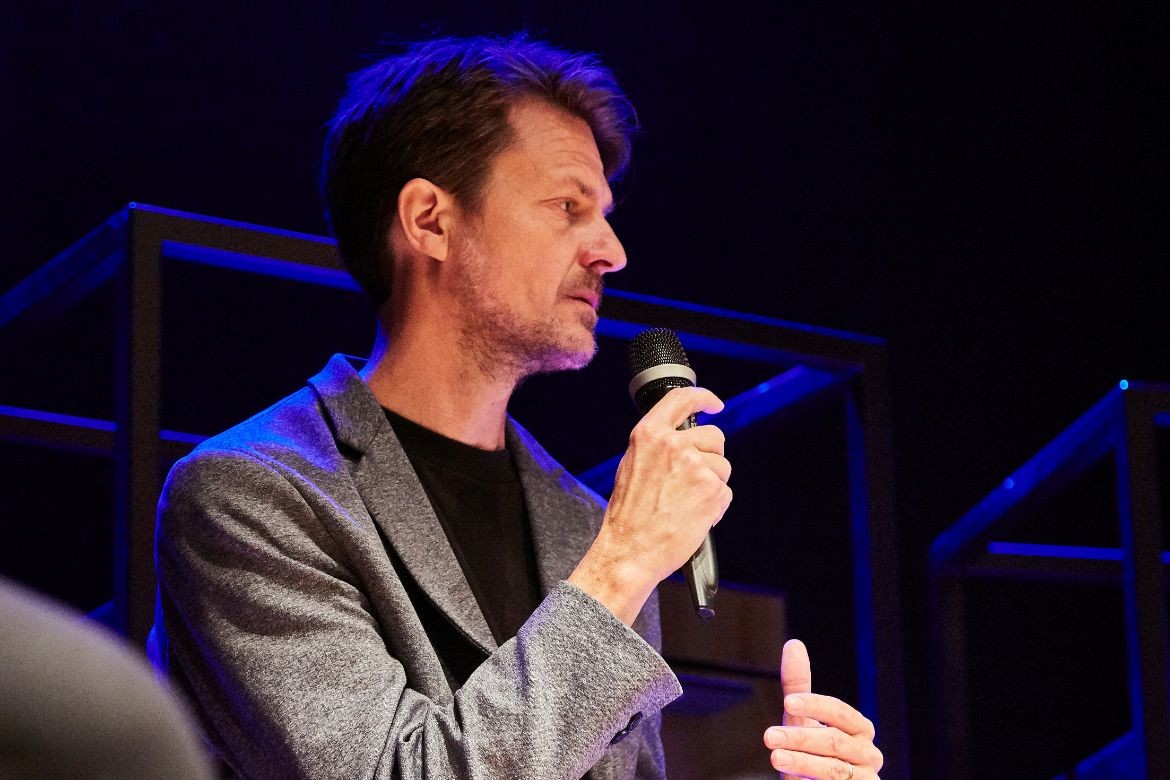
“Herkner also had some really nice insights about working with local communities and that it’s the craftsmanship that can often communicate localised knowledge,” said Callahan. “So people who are really particular to that one region, and working with leather or wood. That idea of craftsmanship is historic for a lot of towns in Europe and around the world, and that’s the kind of knowledge that we don’t want to lose, even though design is becoming quite globalised.”
Nurturing local skills was also seen as having distinct advantages for achieving quality design through the ability to quickly resolve ideas on the factory or workshop floor, and for developing the most resource efficient processes. Von Freeden in particular explained how the co-location of designers, technical and production staff at the company’s carbon-neutral facility in Zug allows an intimate and iterative design approach which has been critical to the development of the groundbreaking V-ZUG Excellence range of CombiSteam ovens, dishwashers and fabric care solutions.
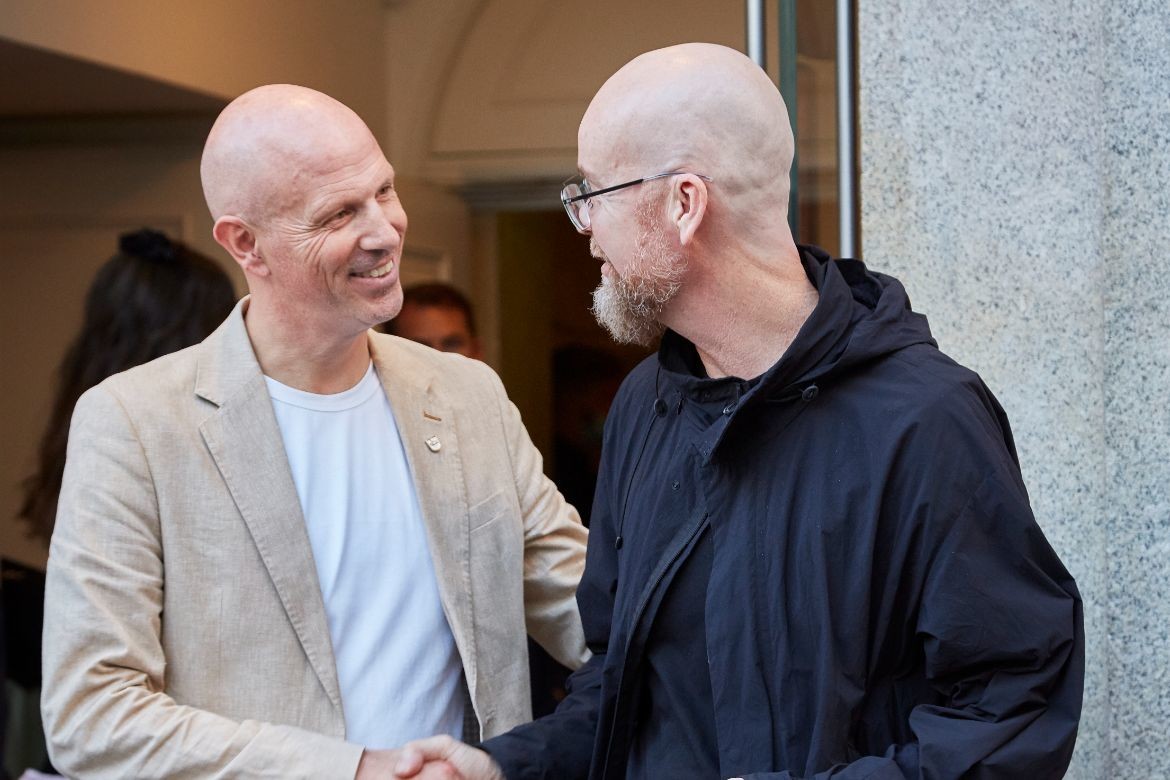
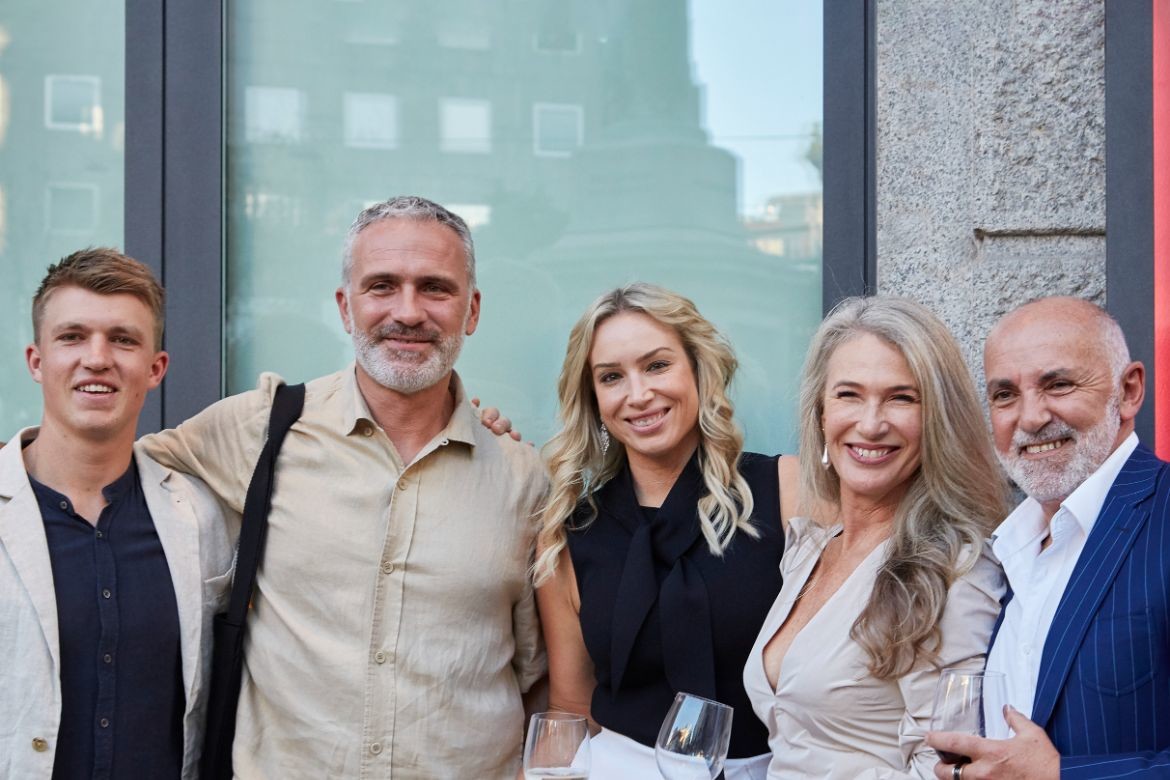
The evening concluded with informal socialising in the courtyard of the magnificent Teatro Gerolamo in the early summer twilight, giving the Australian and European contingents a long overdue opportunity to catch up and compare notes on Salone 22.
“There was a real excitement, especially because it was the last night of the week,” said Callahan. “A real buzz, everyone felt quite enlivened, and even though it was a serious conversation the night felt really inspiring. Like a sharing of experiences, and then a shared experience together to close it all off.”
V-ZUG
vzug.com
We think you might like this story on V-ZUG’s exciting three-year plan in Australia.