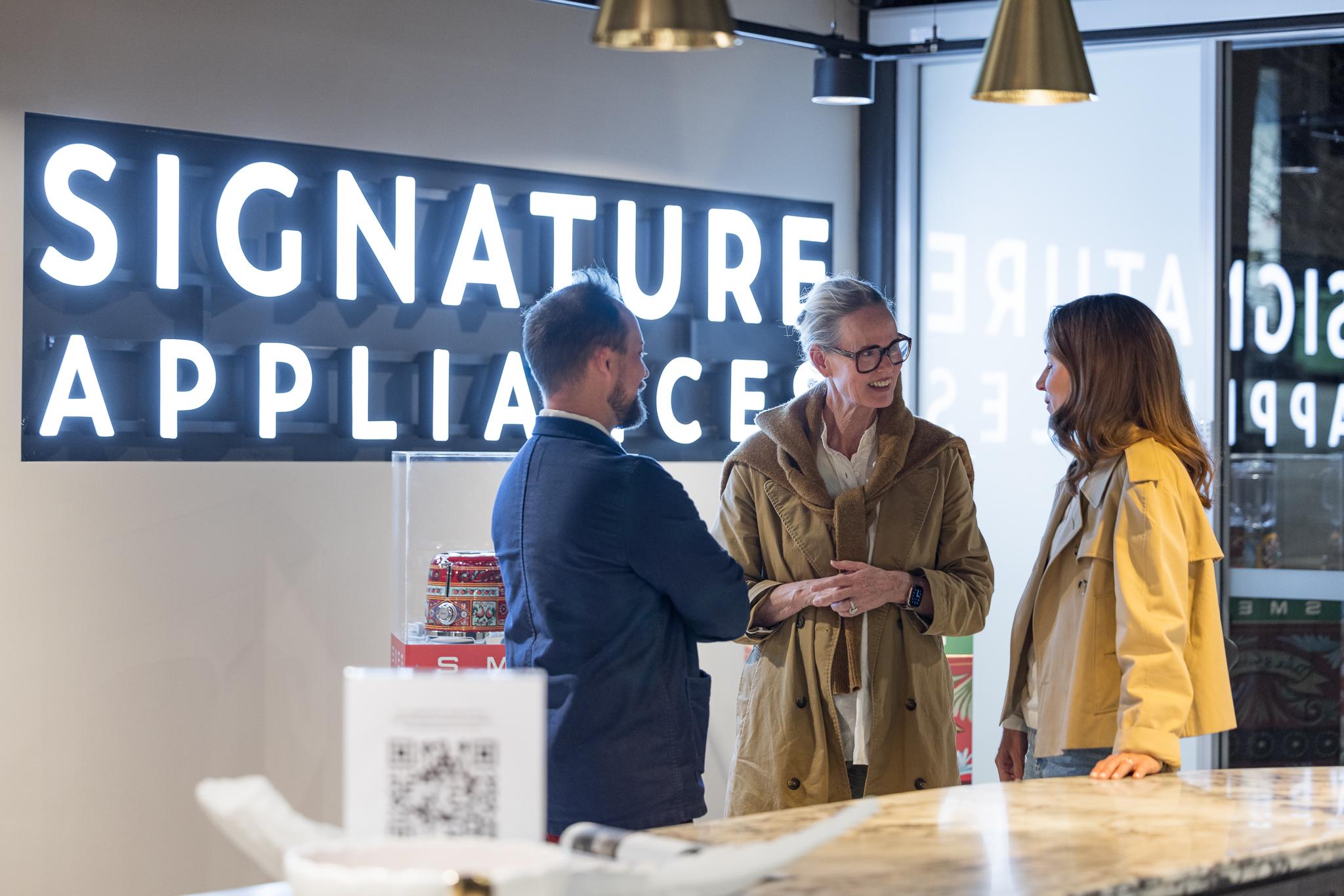
These are the questions underpinning The Signature Series, a three-part program of intimate editorial dinners hosted by Signature Appliances in partnership with Indesign and Habitus Living throughout 2026. Bringing together a carefully selected group of architects, designers and industry voices, the series explores The Regenerative Home – considering the home not as a static object, but as a dynamic system capable of supporting its occupants, its environment and future generations.
Each conversation takes a different lens. Together, they form a broader exploration of what it means to create genuinely considered, enduring and generous spaces.
The first dinner, held in May, asked: can the home become a positive contributor to its ecosystem?
The Positive-Impact Home: From Energy Neutral to Nutrient Positive brought together a group of leading practitioners (Jamileh Jahangiri of Studio Orsi, Megan Brown of Penman Brown, Ed Lippmann of Lippmann Partnership, Nick Bell of Nick Bell Architects, David Hoad of Warren and Mahoney, Stefania Reynolds of Studio Johnston, Anna-Carin McNamara of ANNA.CARIN Design, Greg Natale, Harleen Grewal of POCO Designs, Ben Peake of Carter Williamson Architects and Georgina Wilson of Georgina Wilson Associates) to discuss everything from water harvesting and waste-as-resource systems to urban food production and the possibility of moving beyond sustainability checklists towards genuinely regenerative outcomes.
While the conversation itself was private, several broader themes emerged.
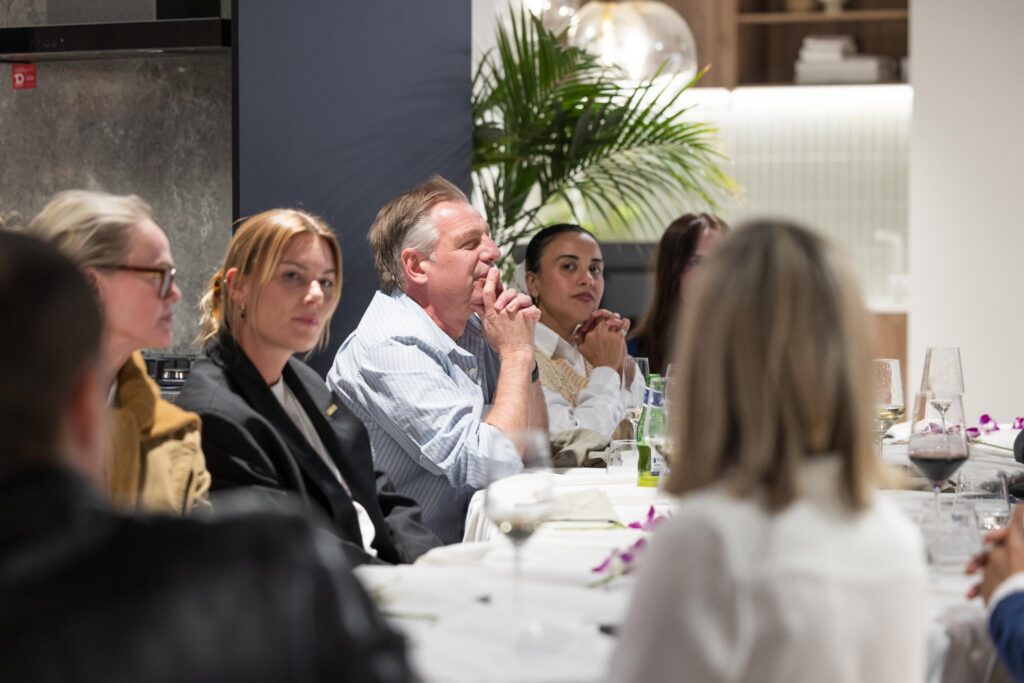
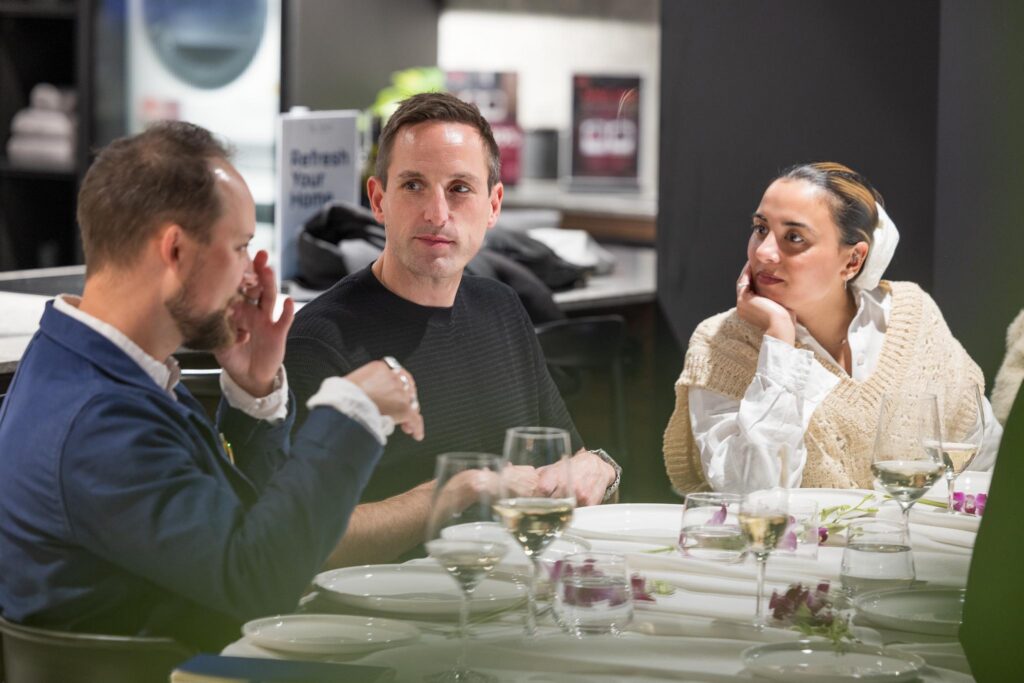
“One of the strongest threads of the conversation was the idea that exclusivity today is no longer defined simply by rare materials or high prices,” says Habitus Living and Indesignlive editor Timothy Alouani-Roby. “Increasingly, luxury is understood through attentiveness.”
It is an idea that offers a useful way of reconsidering residential design. Luxury can certainly be expressed through materiality and craftsmanship, but it can also be found in the intelligence of a space: the way it anticipates needs, responds to its occupants and makes everyday life feel considered.
“A beautifully managed hospitality experience may feel luxurious not because it is overtly extravagant, but because it anticipates individual needs,” Alouani-Roby says. “In this sense, luxury becomes an entire experience of care.”
That idea of care extends beyond the individual home. The first dinner also explored how architecture can either reinforce or challenge notions of exclusivity.
“Exclusivity is spatial as much as material,” Alouani-Roby observes. “It is produced by circulation, permission, visibility and access.”
For designers, this raises an important question: how can spaces be generous without sacrificing their sense of identity, order or purpose? And how might design intelligence be applied not only to the most privileged environments, but more broadly?
These questions provide a natural bridge to the two conversations still to come in the 2026 series.
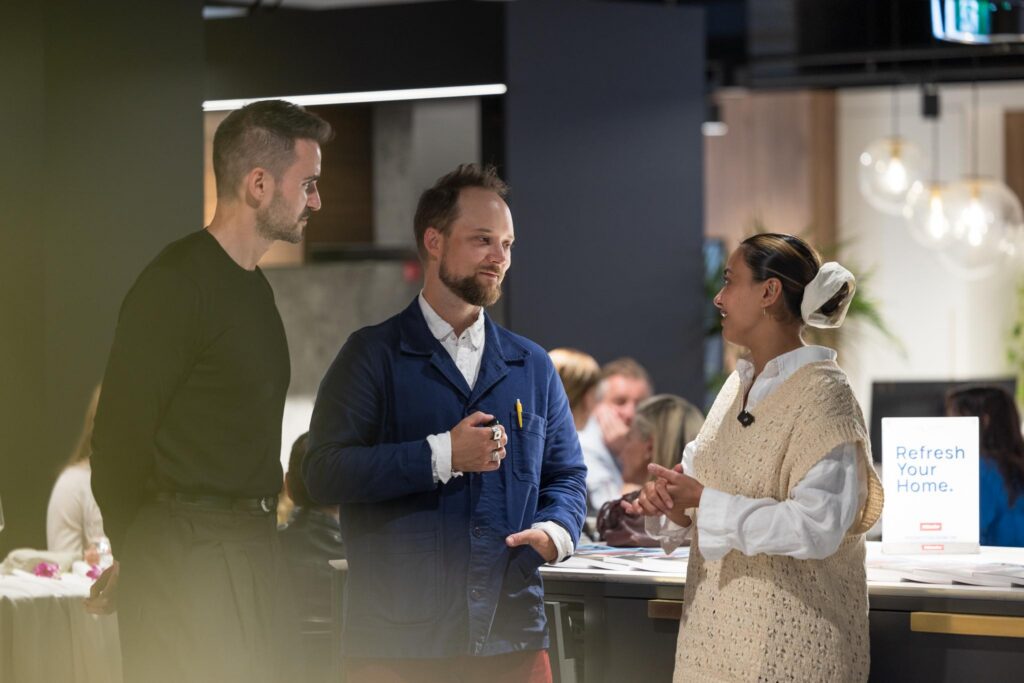
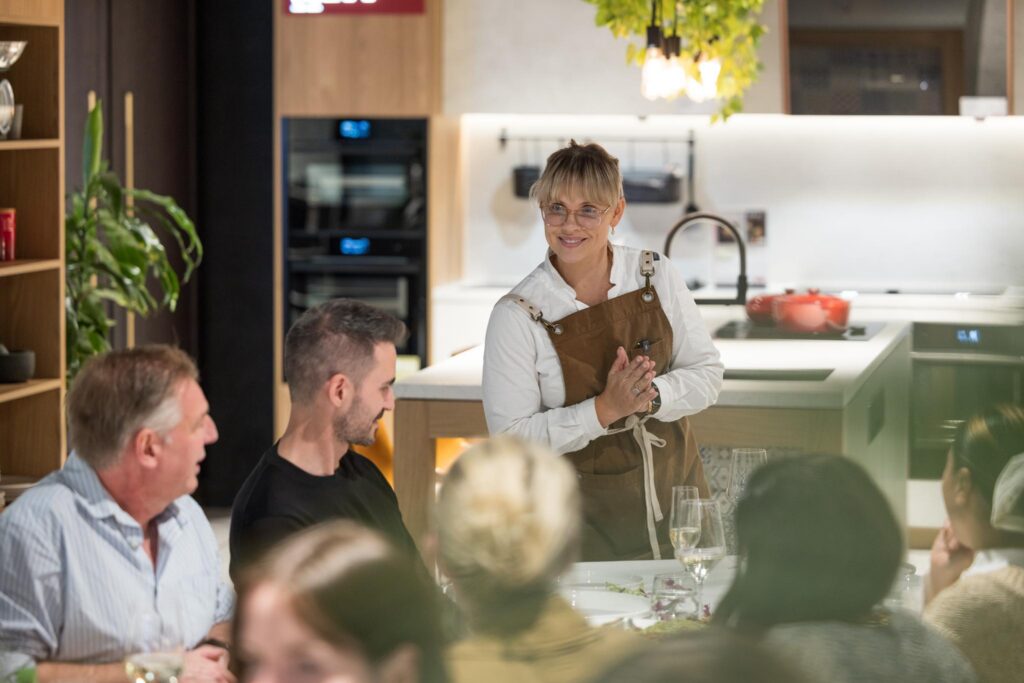
The second dinner explored the intersections between European and Australian design: shared ideas around craft, quality and longevity, alongside very different relationships to climate, informality, space and everyday life. The conversation became a way of asking not which tradition leads, but what each reveals about the other.
The final conversation, The Legacy Home: Craft, Durability, and the New Heirlooms, looks further into the question of longevity. In a culture increasingly shaped by disposability, what does it mean to create homes, objects and materials intended to endure? And how can repairability, craftsmanship and emotional connection become part of a new definition of value?
Taken together, the three dinners trace a compelling trajectory: from the environmental impact of the home, to the impact on European versus Australian design, and finally to its capacity to endure.
The result is a conversation about more than appliances, architecture or interiors. It is about what we expect our homes to do for us – and what we expect them to contribute in return.
If the regenerative home is ultimately about creating positive cycles of care, then these three discussions offer three ways of understanding that ambition: how a home gives back to its environment, how it gives back to the people who inhabit it, and how it gives something to those who come after.
The next conversations in The Signature Series will continue that exploration.