The spaces in which we work are changing. Gone are the bland, grey cubicles of yesteryear and in their place are breezy open plan offices filled with comfortable, adaptable furniture that is as flexible as the contemporary workforce. Everything from furniture selection to fit out and floor plans is virtually unrecognisable from the offices of the past, and the workspace has become a space for innovative design in its own right. But just what is driving this change?
The impetus behind the changing workplace is comprised of a complex network of factors that spans technological, social, and cultural. In a sense, the factors feed into one another: the omnipresence of mobile technologies, for example, has led workplace culture in a more collaborative and agile direction, which in turn affects the way that employees interact with one another. Still, each category of factors merits close consideration.
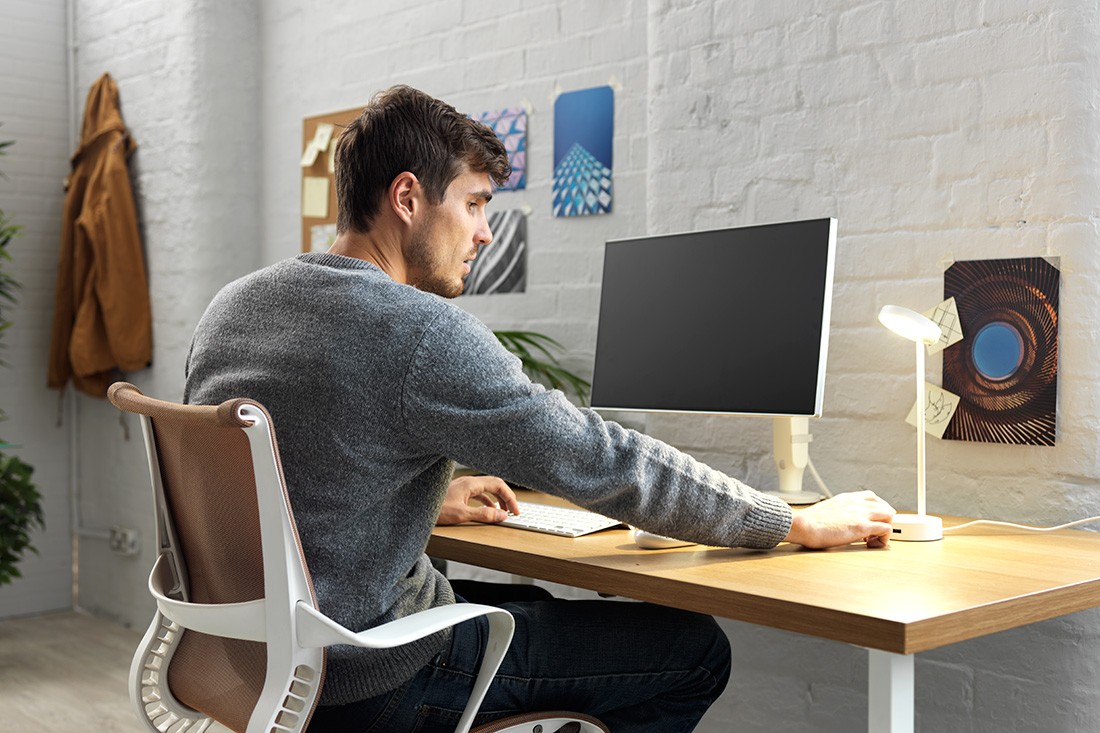
Technology in particular has emerged as a foremost driver of workspace culture and design. Ever-increasing reliance on computers, cloud services, and mobile devices has enabled unprecedented levels of workplace efficiency and productivity, not to mention afforded employees a new degree of flexibility. Today’s workers can not only work more quickly and efficiently than ever before: they also have more freedom than any of their predecessors to decide where and how they want to work.
As a consequence, the modes in which people interact within the workplace are also shifting. Today, teams are more likely to work collaboratively than they were in the past, and are encouraged to work in informal, dynamic arrangements that may better spark creativity. Diverse skill sets are prized over rigid specialisation in one area, and communication, flexibility, and the ability to adapt to rapidly changing conditions are amongst some of the most sought after characteristics of employees.
In light of this, the architecture and design industry has progressed in leaps and bounds in the field of workplace technology. Designers like Colebrook Bosson Saunders are responding to the call for workplace agility with design solutions that are well suited to today’s multi-talented, fast-moving teams. Scratch that: Colebrook Bosson Saunders are providing intuitive, responsive design solutions that are part of the team.
From adjustable monitor arms to lighting accessories and AV/VC components, Colebrook Bosson Saunders understands that employees need the freedom to tweak their surroundings so that they are just so. It’s only through providing workers with the right tools and spaces to work differently that offices themselves are able to think differently and do differently, setting themselves apart from their peers in a way that is obvious and truly meaningful.
The Ollin monitor arm does just this, and marks a major turning point in monitor arm technology. With a weight range of 0-9kg, it is perfectly suited to today’s increasingly svelte, lightweight monitor screens, and is certain to cater to tomorrow’s technology with ease. Ollin’s low weight rating is unrivalled by other monitor arms on the market, and is coupled with incredibly responsive, smooth dynamic movement that gives users control of their screens at the touch of a finger.
As proud supporters of the agile workspace revolution, Colebrook Bosson Saunders is a fitting partner of The Workspace category of this year’s INDE Awards. Recognising excellence and innovation in office design that thinks far outside the box, the category rewards designers for successfully taking bold, big strides away from the long-accepted norms surrounding workplace design and fit out.
Join Colebrook Bosson Saunders and the best and brightest designers in Asia Pacific at this year’s INDE Awards in June.