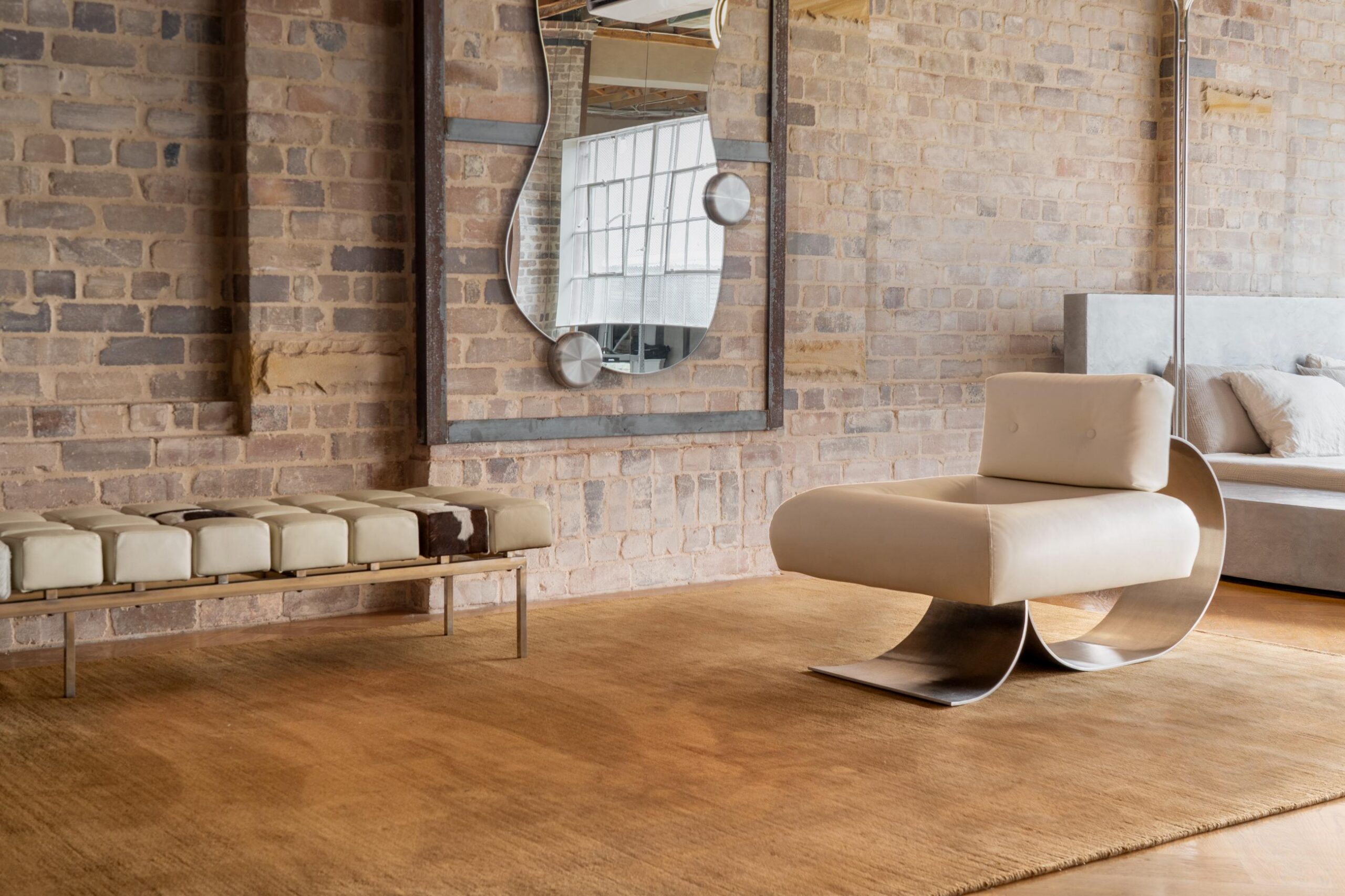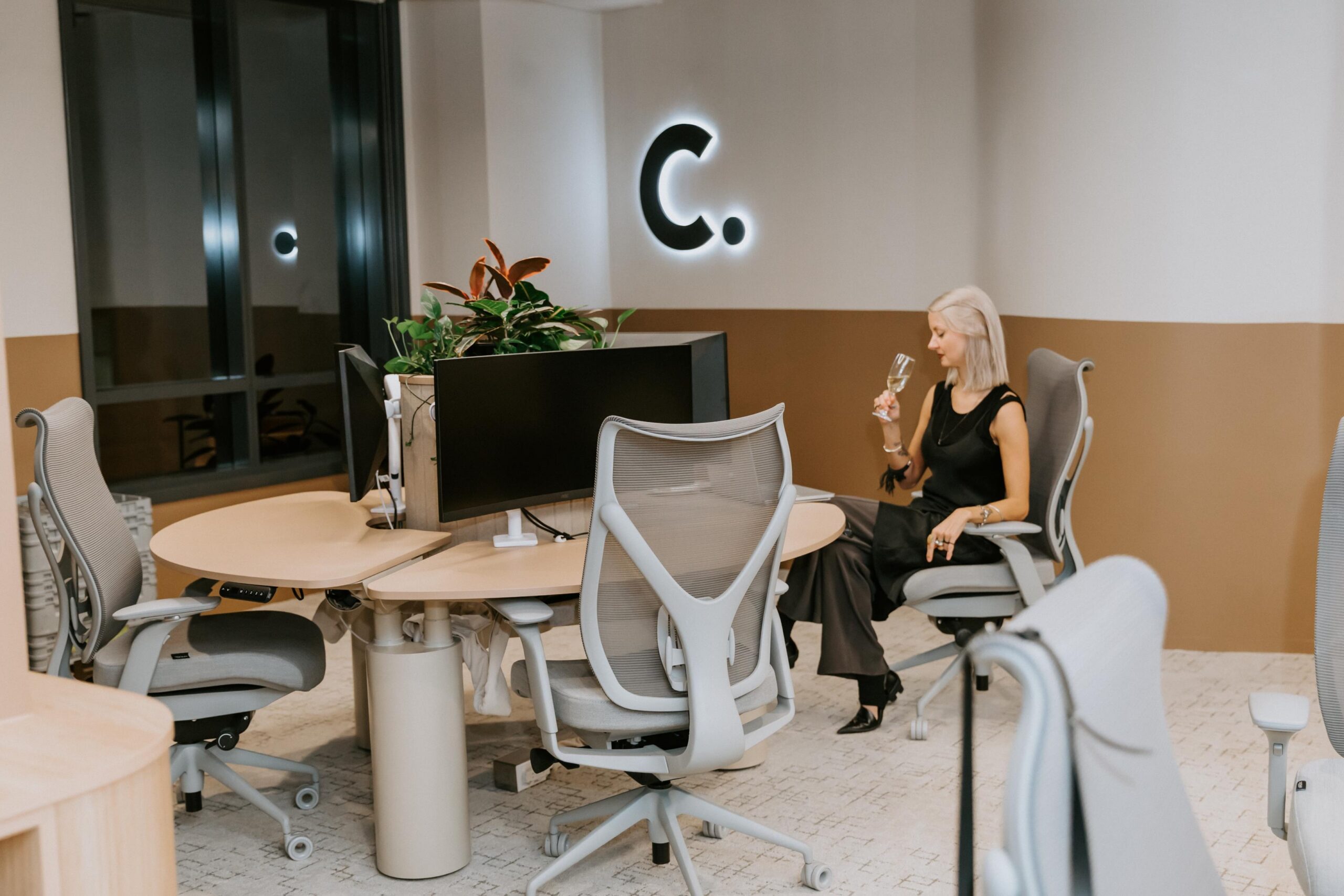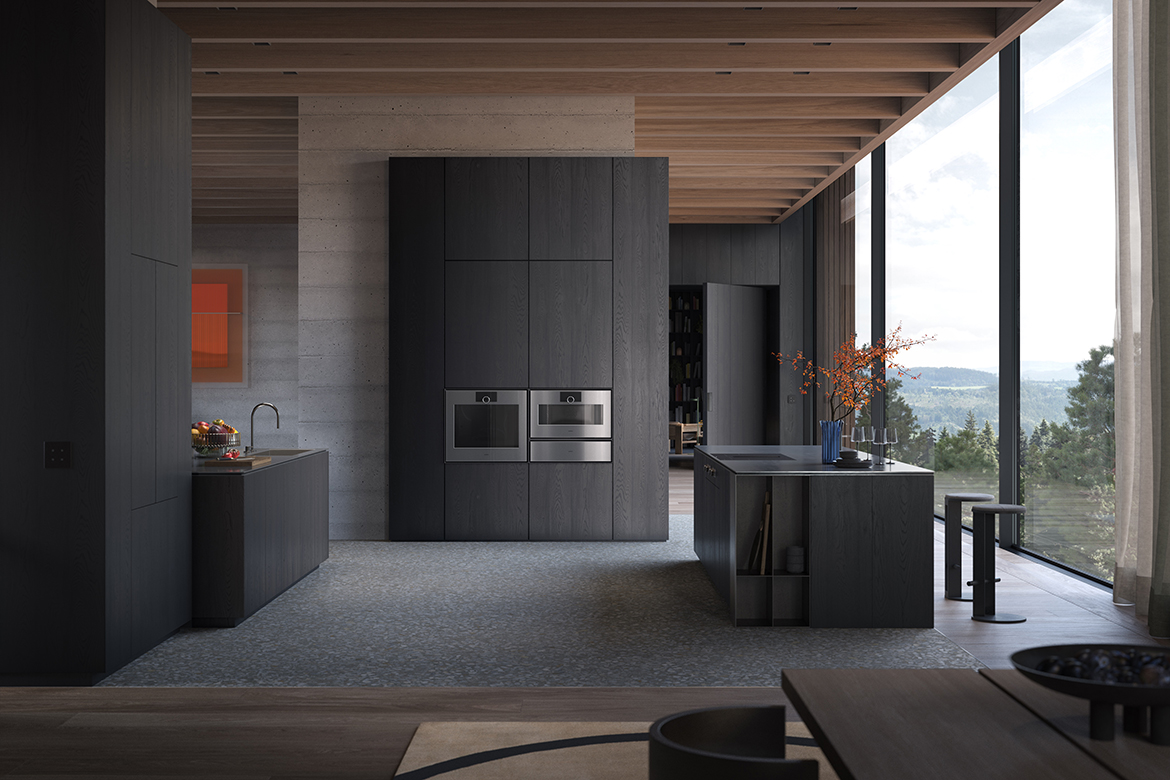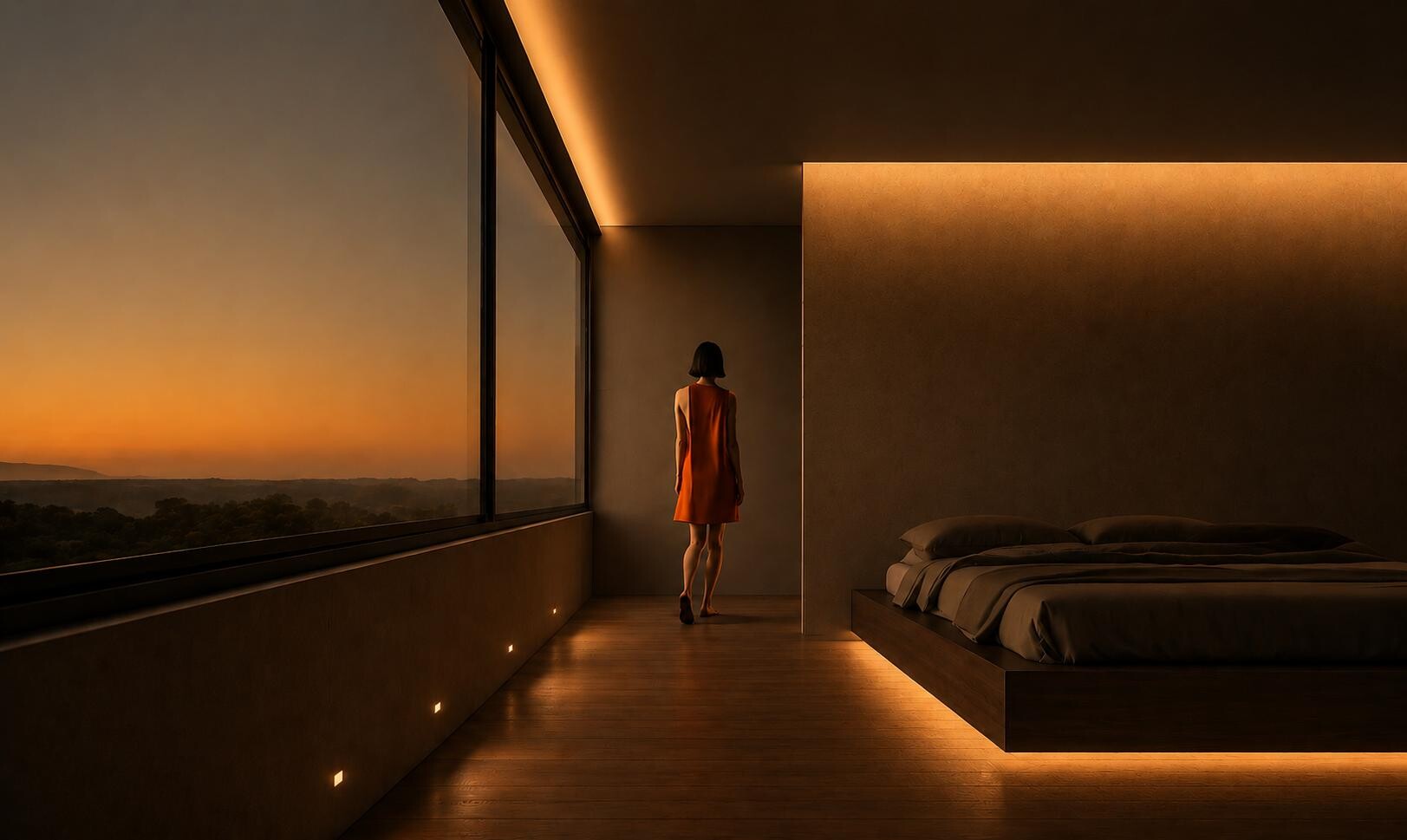
Somewhere in the rush toward efficiency, we lost something beautiful. For generations, the warm glow of incandescent light made timber feel richer, stone feel deeper, and people look like themselves. Then LED arrived — and while the gains were real, light quality became an afterthought. Quietly, the world started to look a little duller. Walk into a beautifully designed home after dark and you can see it: marble reads as grey, timber loses its warmth, artwork falls flat, skin tones turn sallow. Months go into selecting stone, joinery and art — and then the lighting undoes that work the moment the sun goes down.
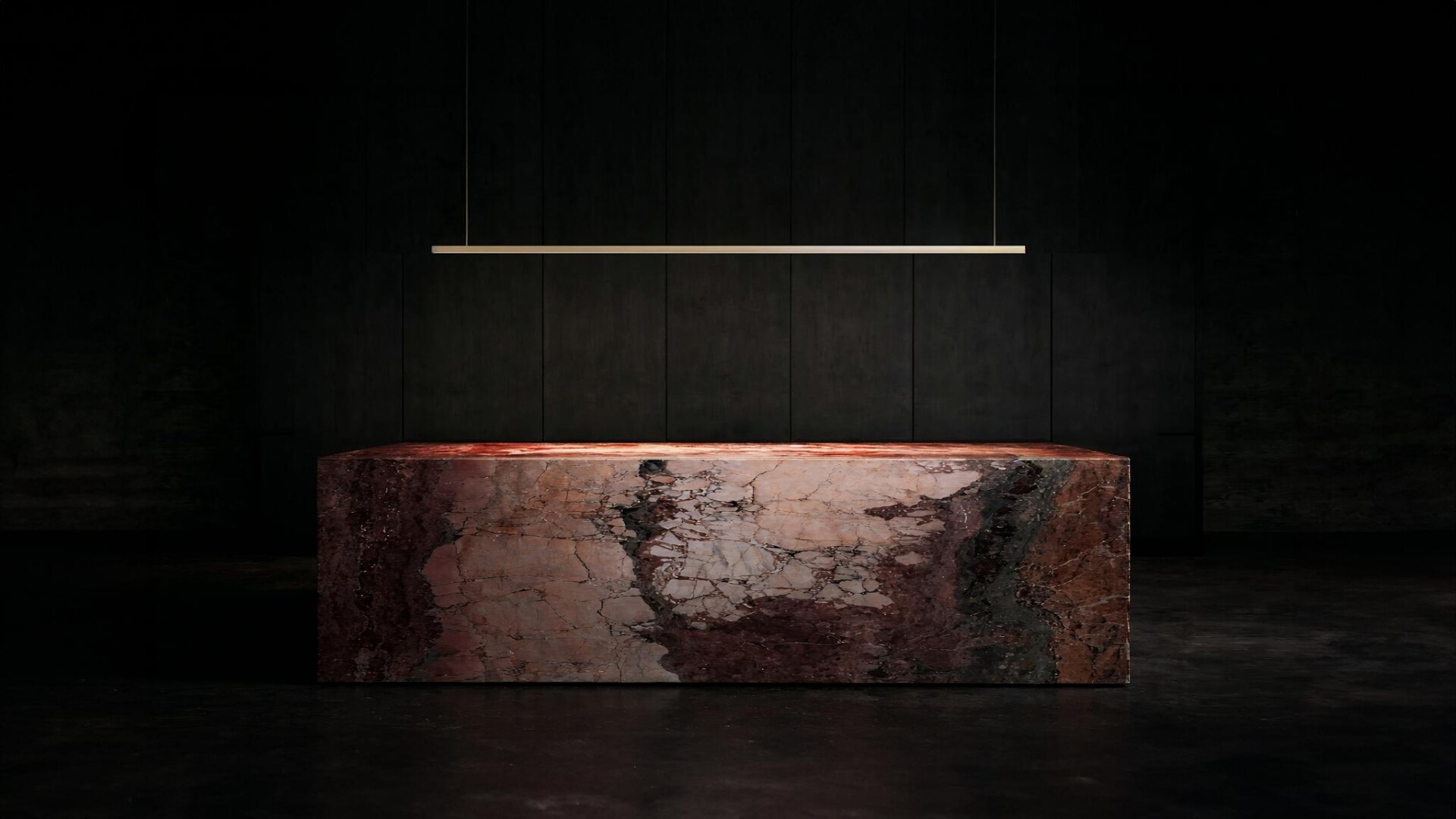
At Brightgreen, this is the problem we set out to solve. Light is one of the most important materials in a project — it occupies minimal physical space, yet it determines how every surface, texture and colour is perceived after sunset. Our purpose is simple: to deliver light quality that brings out the best in everything, so homes feel better and look better, and everything a designer specifies is experienced exactly as intended.
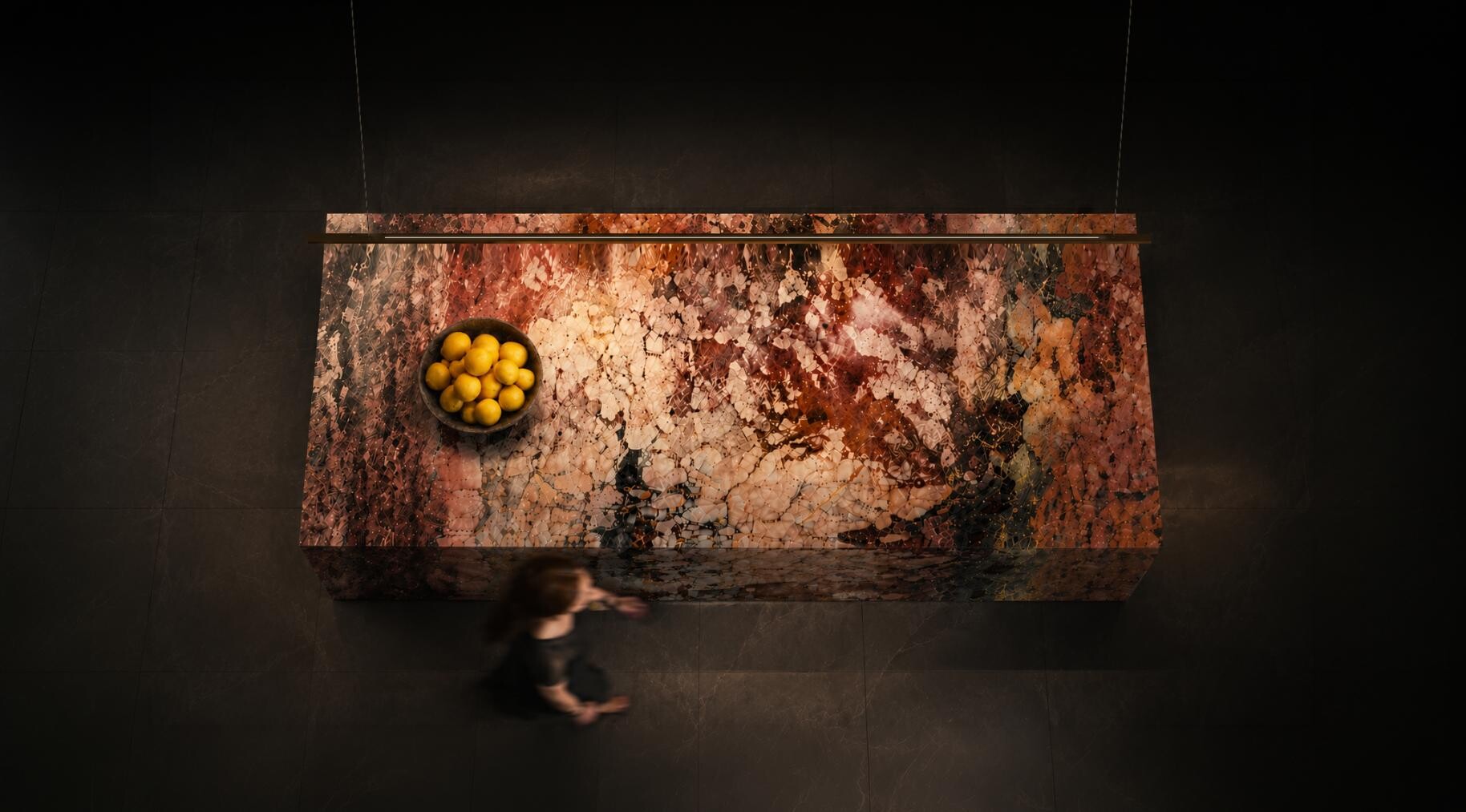
Architects and designers select materials under natural daylight, because daylight gives the most accurate representation of colour. The trouble is that many artificial light sources cannot reproduce those colours after dark. Colour rendering describes how faithfully a light source reproduces colour compared to natural daylight — and the closer a light comes to that benchmark, the more truthfully a space reveals the materials within it. Brightgreen designs its lighting to render colour at the highest level, so the stone, timber, fabrics and finishes a designer specifies appear after dark as they do in daylight.
Light As An Architectural Material
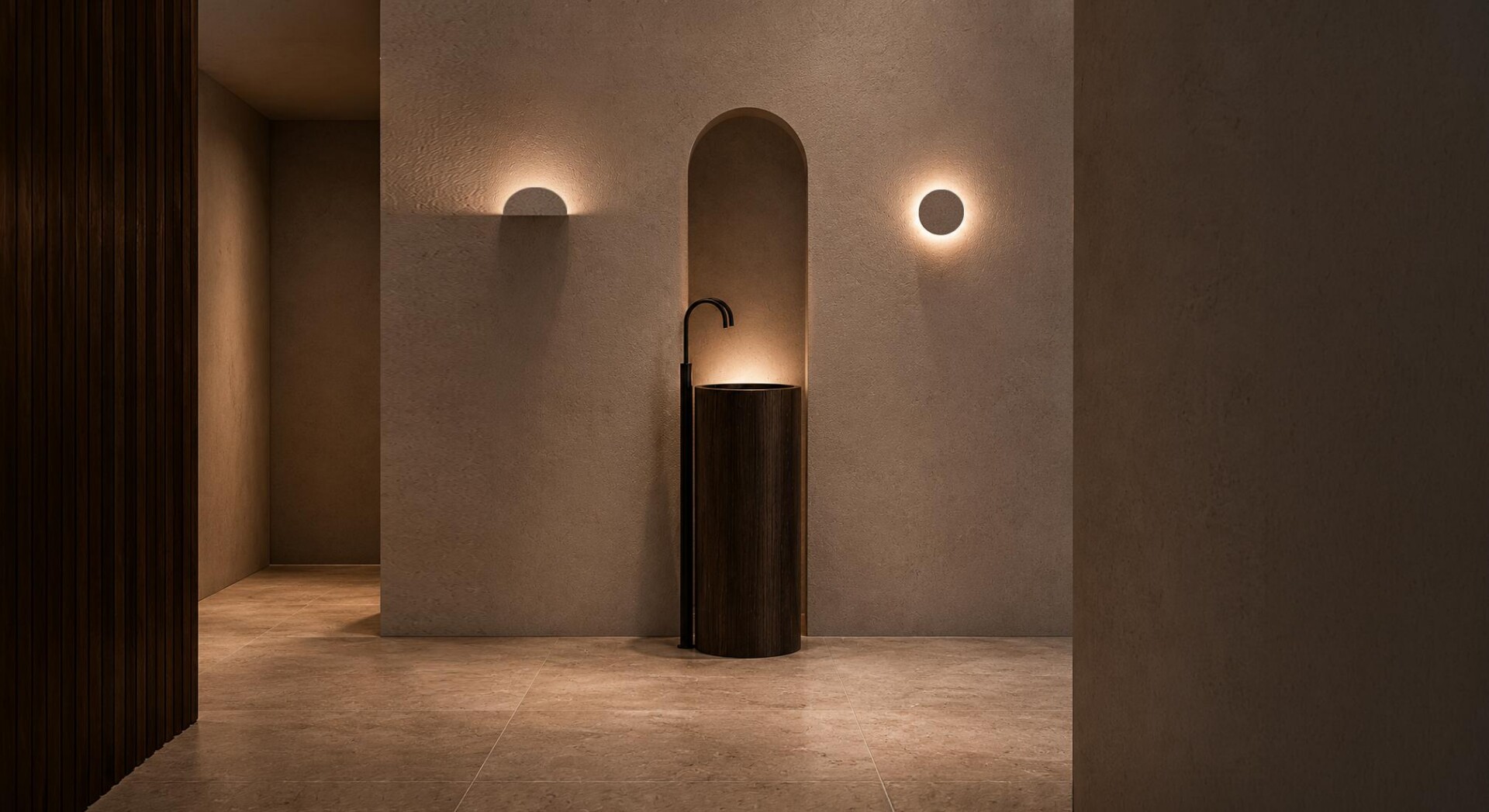
When homeowners invest in premium finishes, they are investing in colour, texture and craftsmanship, and lighting should reveal those qualities rather than diminish them. We call this material fidelity — the ability of a lighting system to preserve the true appearance of materials after sunset.
We also believe lighting should be designed for the life of the building itself. Rather than designing products around replacement cycles, our luminaires are engineered against planned obsolescence and built to perform year after year. The ten-year warranty is not simply a promise — it reflects our belief that great lighting should remain part of the architecture for generations.
Designing For People
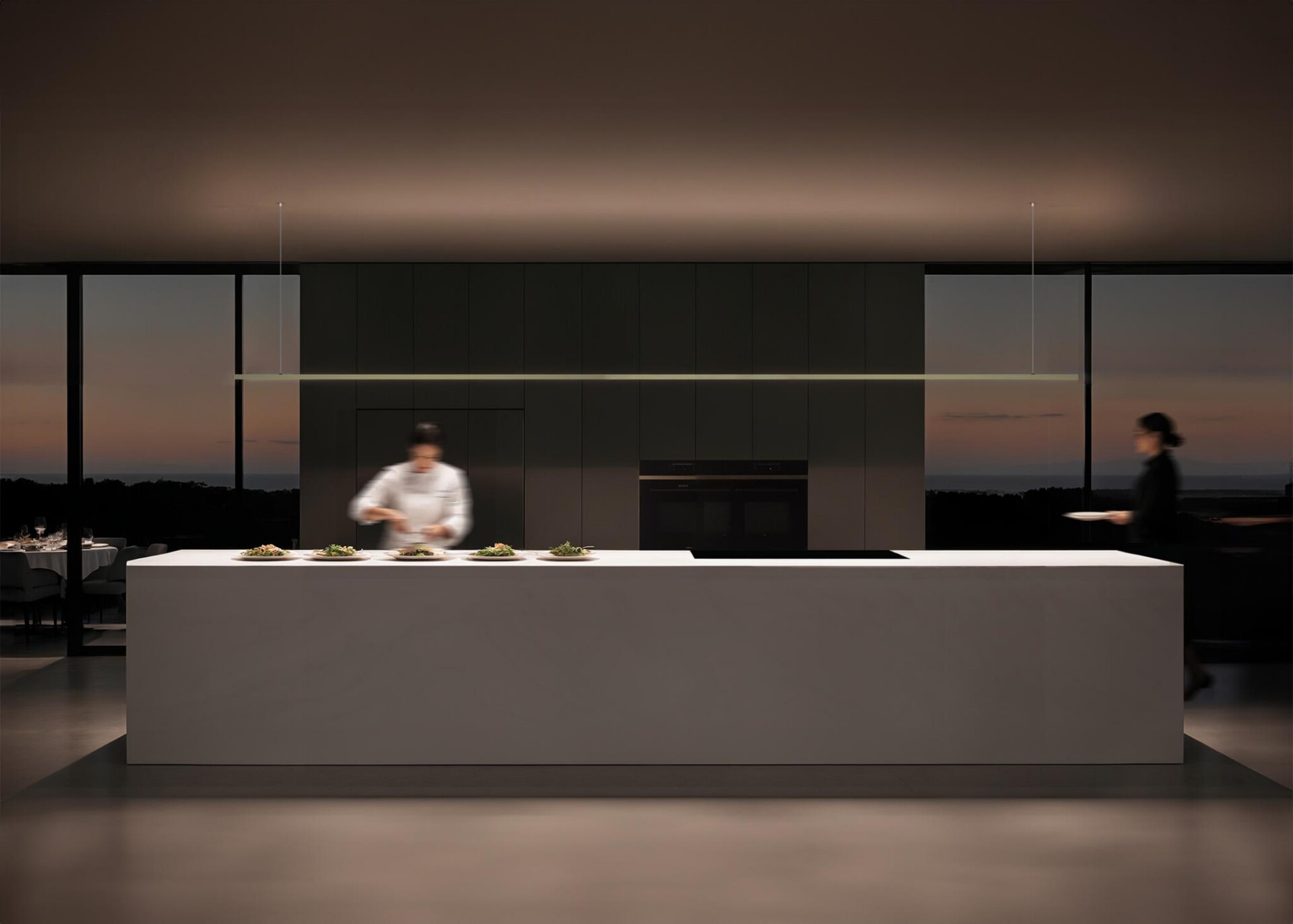
While materials matter, people remain at the centre of every home. The best lighting design balances visual comfort with performance: excessive glare, harsh contrasts and poor colour rendering make spaces feel uncomfortable despite beautiful architecture, while carefully layered lighting feels calm, welcoming and effortless. It considers how people move through a space, where they gather, what they look at and how they want to feel — which matters most in luxury homes, where lighting must support many activities and moods across the day and evening.
Introducing Tru-Colour®
Brightgreen’s commitment to light quality led to the development of Tru-Colour®, a technology engineered to reproduce colours, materials and skin tones with exceptional accuracy. Tru-Colour® achieves the highest light quality in the World with a perfect 100 R9 score — but the score is only the start. Standard measurement systems capture just part of the picture, and a light source can test perfectly on paper yet still fall away in the wavelengths those systems never measure. Tru-Colour® was engineered for the full visible spectrum, including the saturated tones where conventional LEDs most often struggle. Paired with 100,000Hz flicker-free drivers, the result is light that renders colour as faithfully as natural daylight — steady, comfortable and true. Natural stone retains its depth, timber its warmth, artwork looks more vibrant, and people look healthier and more natural.
The Future Of Luxury Residential Lighting
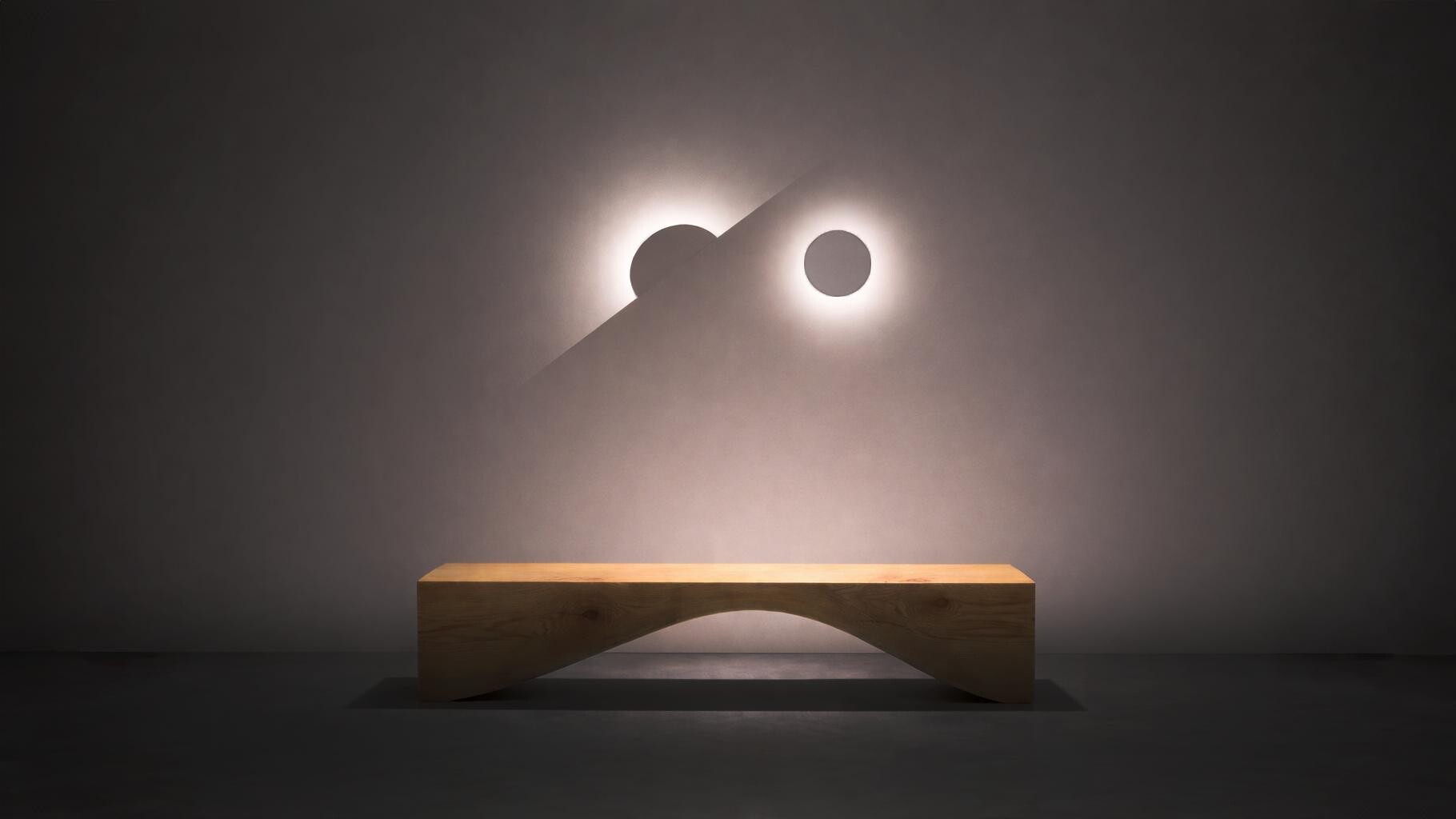
The conversation around lighting is moving away from brightness and towards experience. How does a home feel after sunset? How accurately are its materials represented? At Brightgreen, we believe luxury residential lighting should reveal architecture, not compete with it. The best lighting is rarely the brightest — it is the lighting that lets every material, object and person be experienced exactly as intended: the warmth we used to take for granted, restored and made to last for decades.
Because when light is designed properly, everything else shines.