We often think of sustainable architecture as buildings that are designed to have a minimal negative environmental impact. But in reality architecture needs to consider more than just the environment in order to be sustainable, and as Italian architect Mario Cucinella proposes, it should have a positive cultural, social and economic impact and an understanding of place. Cucinella’s Theory of Creative Empathy is a holistic vision for sustainable building that takes technology and performance into account, as well as the relationship between architecture, landscape and identity. “Creativity is the idea and empathy is the way you understand a place,” says Cucinella. “Creative Empathy is the tool to transform this information into a building and create an architecture of belonging.”
In May, Cucinella delivered a series of lectures in Australia and New Zealand discussing the importance of a local, rather than global, outlook in architecture. “Sustainability is not a simple definition. There are different points of view depending where you are,” he explains. Cucinella compares sustainability with an ecosystem in that it is dependent on the characteristics of place, be it climate, culture, resources or technology. “Everywhere has different rules and a different approach. This quality of difference is our culture and more and more we understand the model of globalisation is not perfect.”
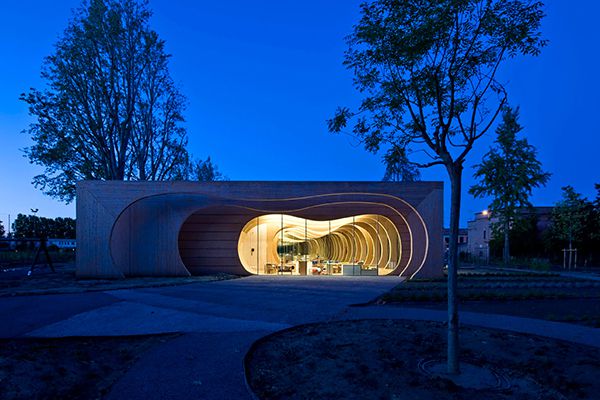
Based in Bologna, Italy, Cucinella is head of Mario Cucinella Architects (MCA) and he has designed buildings in Europe, Asia and Africa, taking people and place into consideration. One recent project is Guastalla School in Reggio Emilia, Italy, which replaces two earthquake-damaged buildings. It is inspired by the whale in the story of Pinocchio and uses natural and recycled materials in a rib-like structure that is earthquake proof and chemically safe for children.
In Ghana, the Kwame Nkrumah Presidential Library is due to be built at the edge of an artificial lake. A vast drop in water levels over the last decade has seen dead trees emerge above the surface of the water and MCA is using these in the construction of the building. “It is a good exercise to explain to the people of Ghana, a very fast-growing country, how to use a local resource because they have destroyed 80 per cent of the forest,” Cucinella explains. He describes the future library as a “piazza of knowledge” – a marketplace for the exchange of information – and says “analogies are very important in architecture. They drive you to find an architectural solution and to understand the best strategy for climate and culture.”
Cucinella established the School of Sustainability in Bologna where he encourages practicing architects to view buildings as social places. “You share them with a community,” he says. “If you don’t involve the community, they fail; and if the community doesn’t accept them, in time they are not sustainable.”
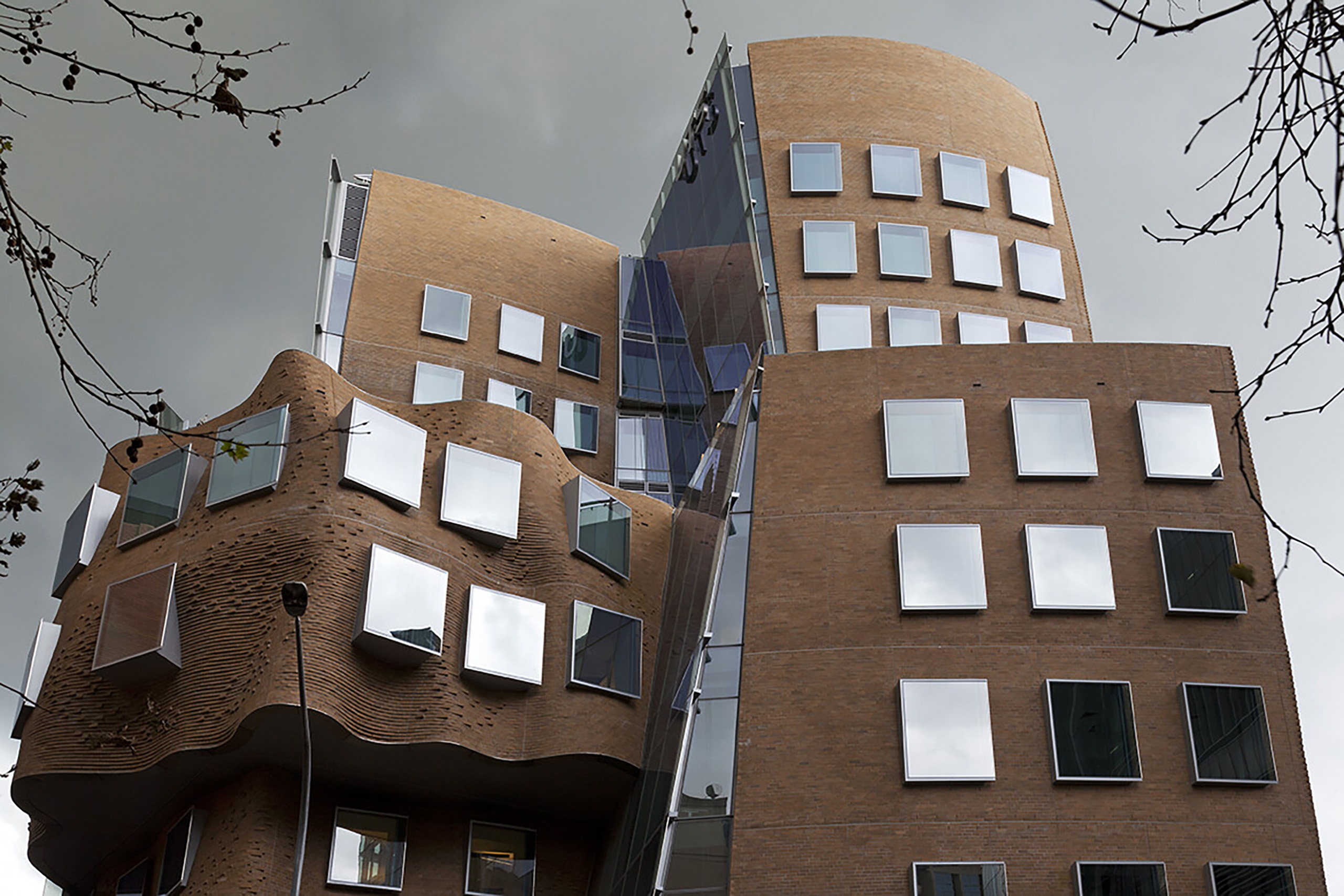
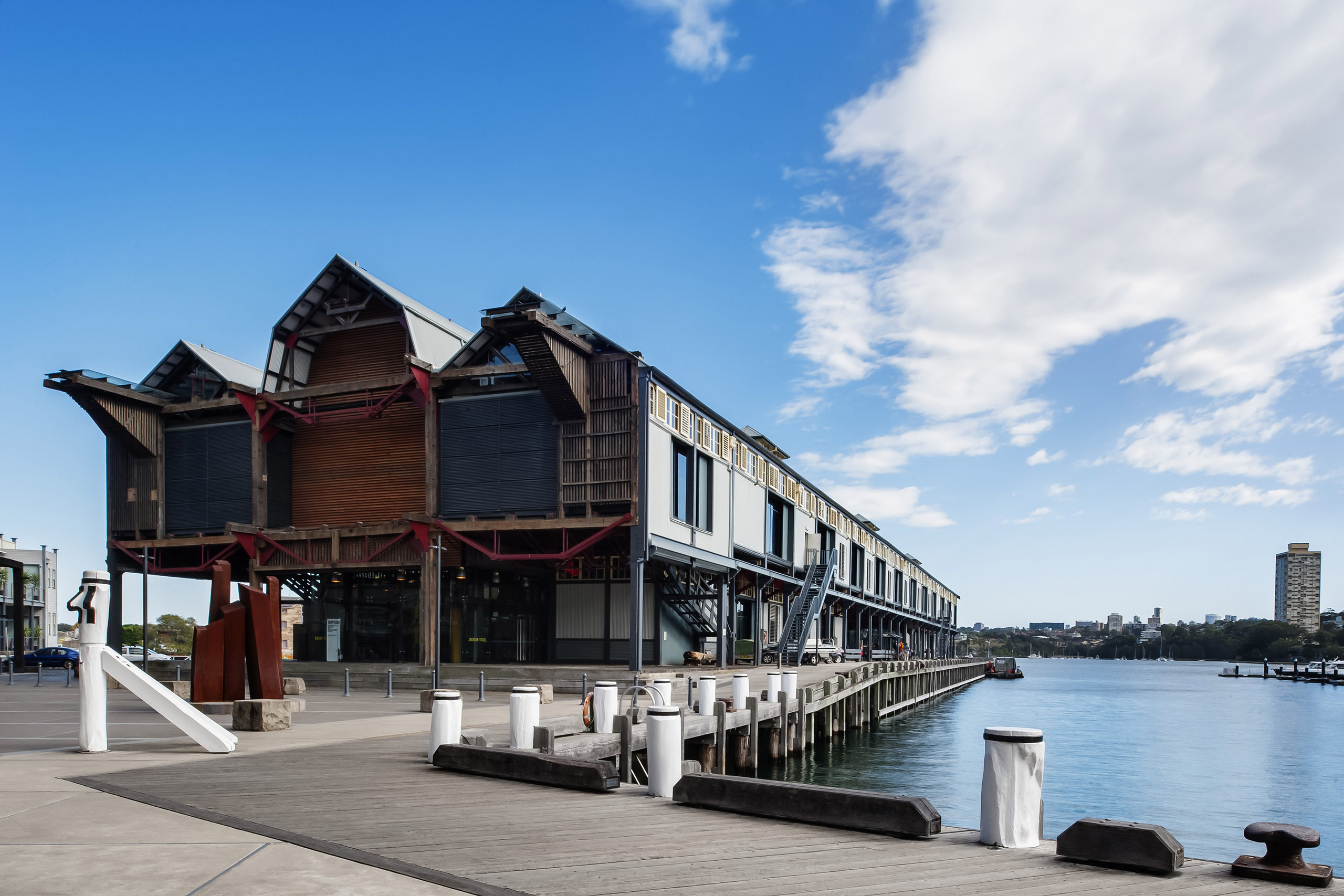
Cucinella pinpoints this as a shifting moment in sustainable architecture as people demand better quality cities. Of Sydney, he says, “there is still the need to push for the design of a new generation of buildings. Cities are contaminated with the idea of global architecture, but here the morphology of place is strong; there is still a strong character to the city.”