The history of VOLA goes back over 50 years, and a lot has changed. Yet the Danish design icons have always imbued its tapware with the same sense of care, aesthetics and function. We spoke with Birthe Tofting, VOLA Director of International Sales and Marketing, on the design process, history and future of the design favourite.

IDL: What does your creative process look like? How long does it take for a collection/product to go from a sketch to production?
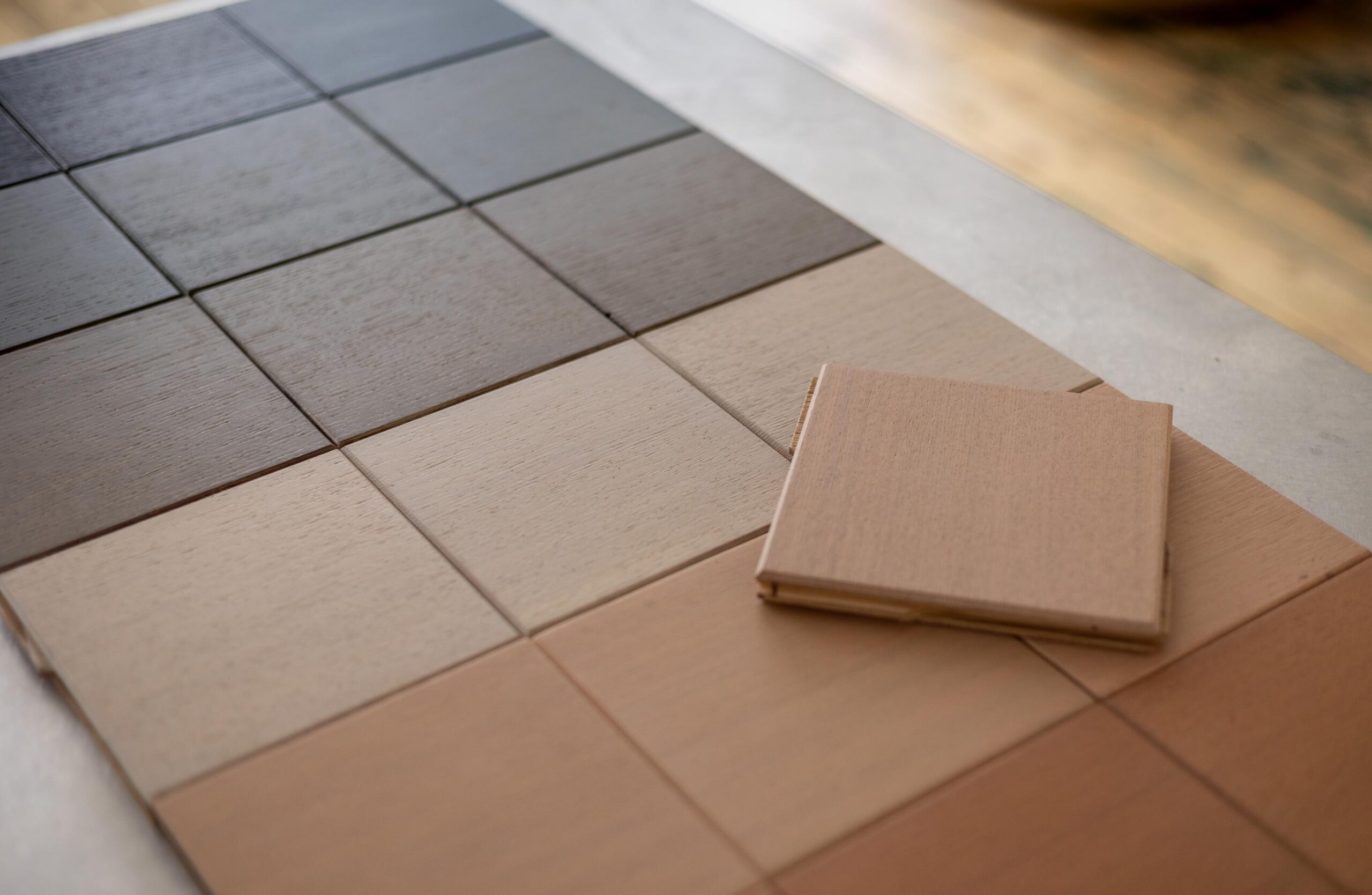
Birthe: The first VOLA taps were designed more than 50 years ago – in 1968. At that time the world-famous Danish architect and designer Arne Jacobsen created the first VOLA taps for the National Bank of Denmark. All the VOLA products launched ever since carry the same VOLA DNA. All VOLA products must have the potential to become timeless design classics. Therefore, only a few design ideas pass the critical eyes of the VOLA product committee. In the past 10 years, VOLA has launched 12 new products for the bathroom. VOLA was one of the first companies to produce taps in colours. The first colour was grey because Arne Jacobsen wanted taps with the colour of concrete for the National Bank of Denmark. During the seventies, colours like brown and olive green were very popular.
How has craftsmanship been embedded within the manufacturing process?
All VOLA taps are produced at the VOLA factory in Denmark. The production is based on classical craftsman disciplines like the soldering process where the spout and the body is soldered together. This is done in a process with high attention to precision and a perfect finish.
When coming up with the concept and idea for this collection, what kind of setting and design aesthetic did you envision the Matt White tapware in?
Between 2017 – 2018 we saw a dramatic increase in demand for matt black worldwide, where we saw many black and white interior designs. When we talked to architects and interior designers they were also very interested in a matt white finish to combine with concrete or other raw materials.
What are some of the sustainable aspects of the recent Matt White collection?
For all VOLA taps, the sustainable aspect is that the VOLA products are produced from the best materials and in a timeless design that lasts for generations. We still deliver spare parts for taps that are 50 years old.
Having recently celebrated its 50th Anniversary last year, how has VOLA remained true to its roots?
At VOLA we have always been very conscious of the VOLA DNA and design principles and we still are. We do not make any compromises even if we say no to an order.
Is there anything currently exciting in the works at the moment for VOLA?
We are continuously working with product development to keep our products up-to-date on the technical side.
What do you think are the next big trends in tapware?
I think that it will make sense in the future that taps in hotels are fitted with devices that tell the hotel owner how much water each taps is using and if some wearable parts need replacement.