The lack of information and certain preconceptions about the available resources and their impact on the environment can widen the gap between the designer’s intention to minimise the negative impact on the environment and the sustainability credentials of the realised design.
With concerns about the negative impact of deforestation on the environment, hardwood often finds itself at the very heart of this gap – even though there is ample evidence proving that American hardwood is one of the most sustainable building materials.
Criswell Davis, an internationally recognised hardwood expert, echoes that sentiment: “We’ve been taught to believe that cutting down trees is bad for the environment. The hardwood industry has been treated as the destroyer of the environment, whereas we have data that proves that American hardwood is one of the only true green building materials.” But American hardwood is different from many imported timbers – and that difference goes all the way to its dark history around the arrival of the early European settlers.
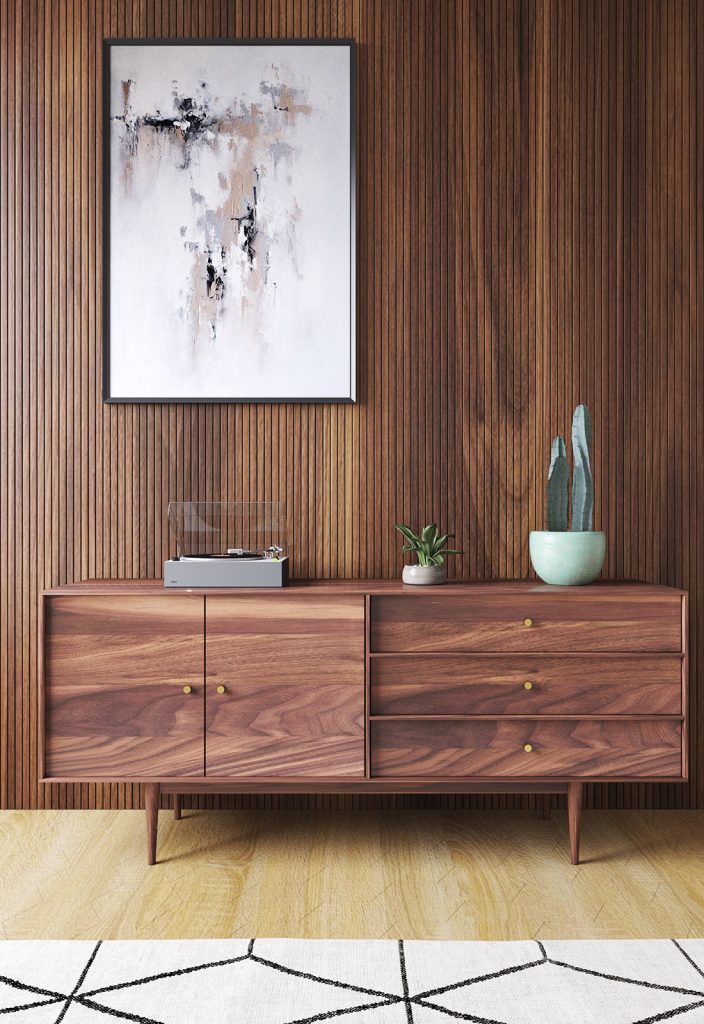
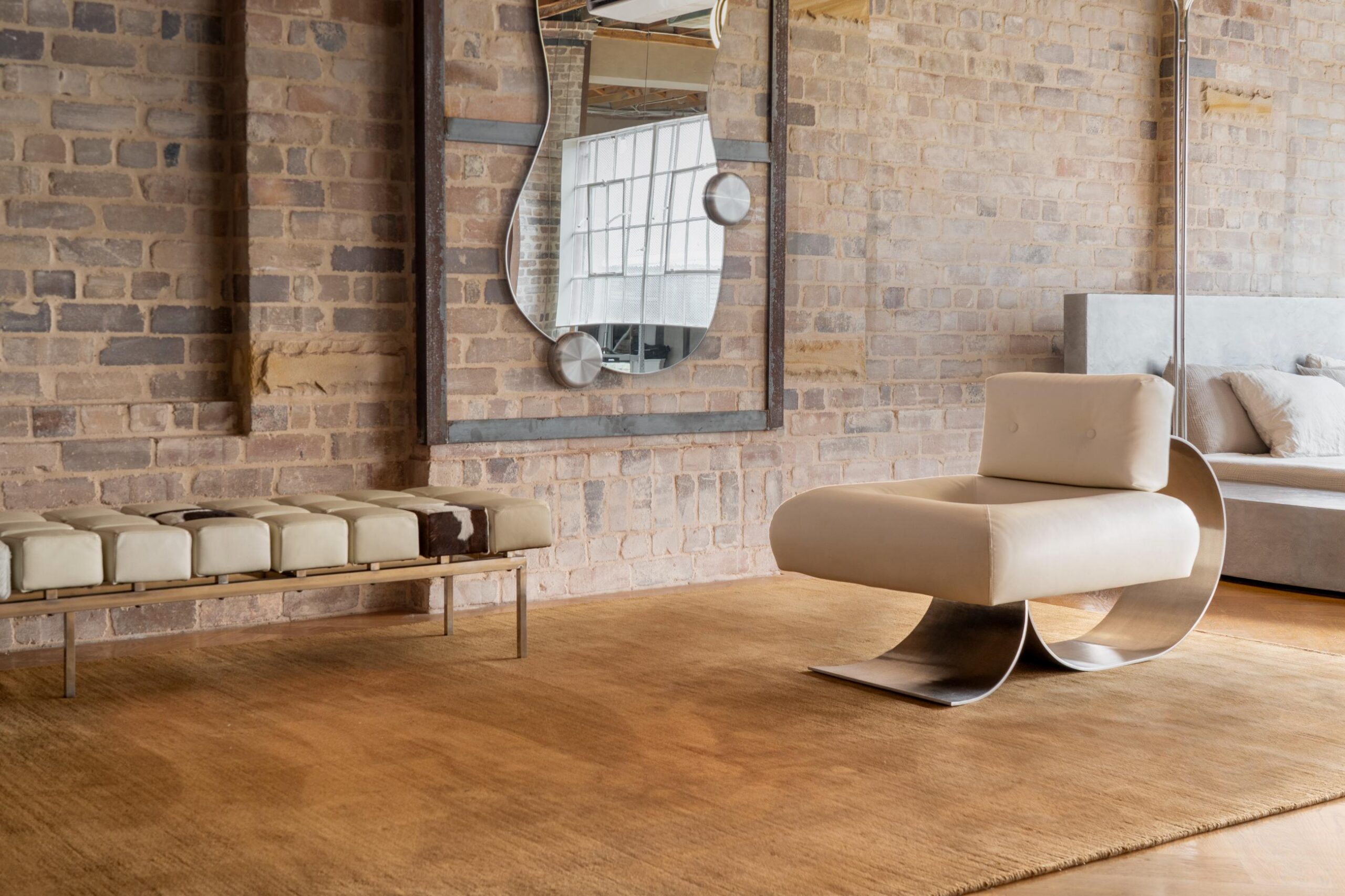
Image: Furniture by Koda
American forests were devastated by the European settlers who – by 1900 – had gone as far as completely clearing the woods in some states. Luckily, by the 1970s, the USA saw the younger and lusher forests regenerate and flourish with an even more diverse range of species. Today, US forests are predominantly subdivided into smallholdings – owned by over 10 million private landowners – who ensure that the growth of the forests not only merely matches but exceeds the harvest.
In contrast to many other forests around the world, American hardwood forests are harvested selectively and take into consideration the tree’s lifecycle – and its role in the biosphere. A tree reaches the peak of its life at around 80 years old – that’s when, after playing their unique and critical role in the biosphere, they stop absorbing carbon. Only after reaching that point, the trees are cut down, creating space for the younger ones to grow. “For every hardwood tree that is felled in the US, 2.4 trees take its place through natural regeneration,” explains Davis.
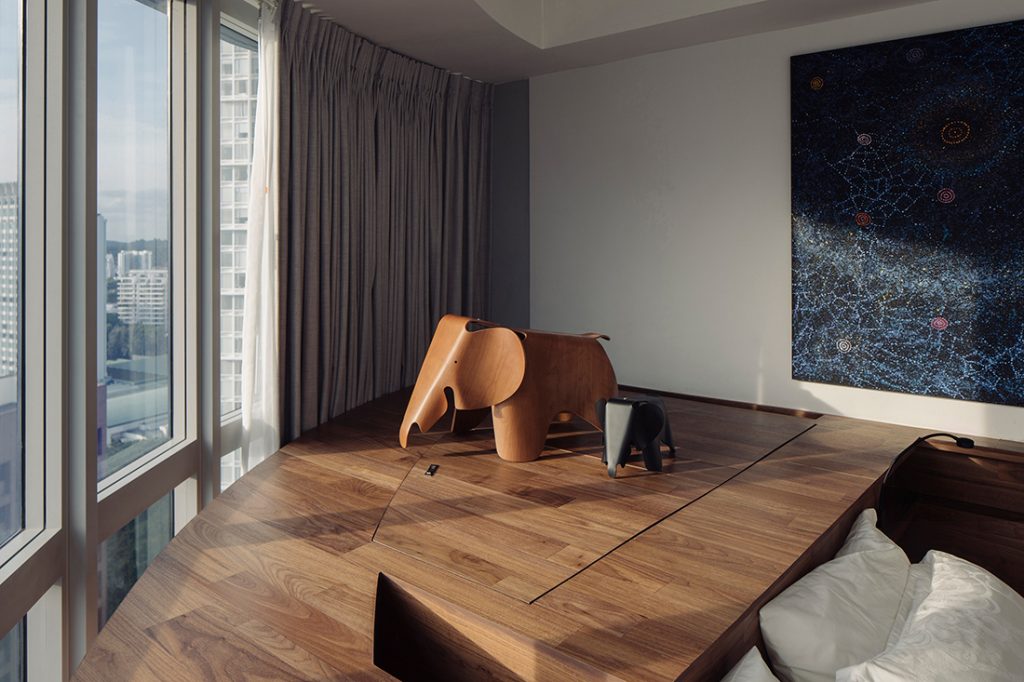
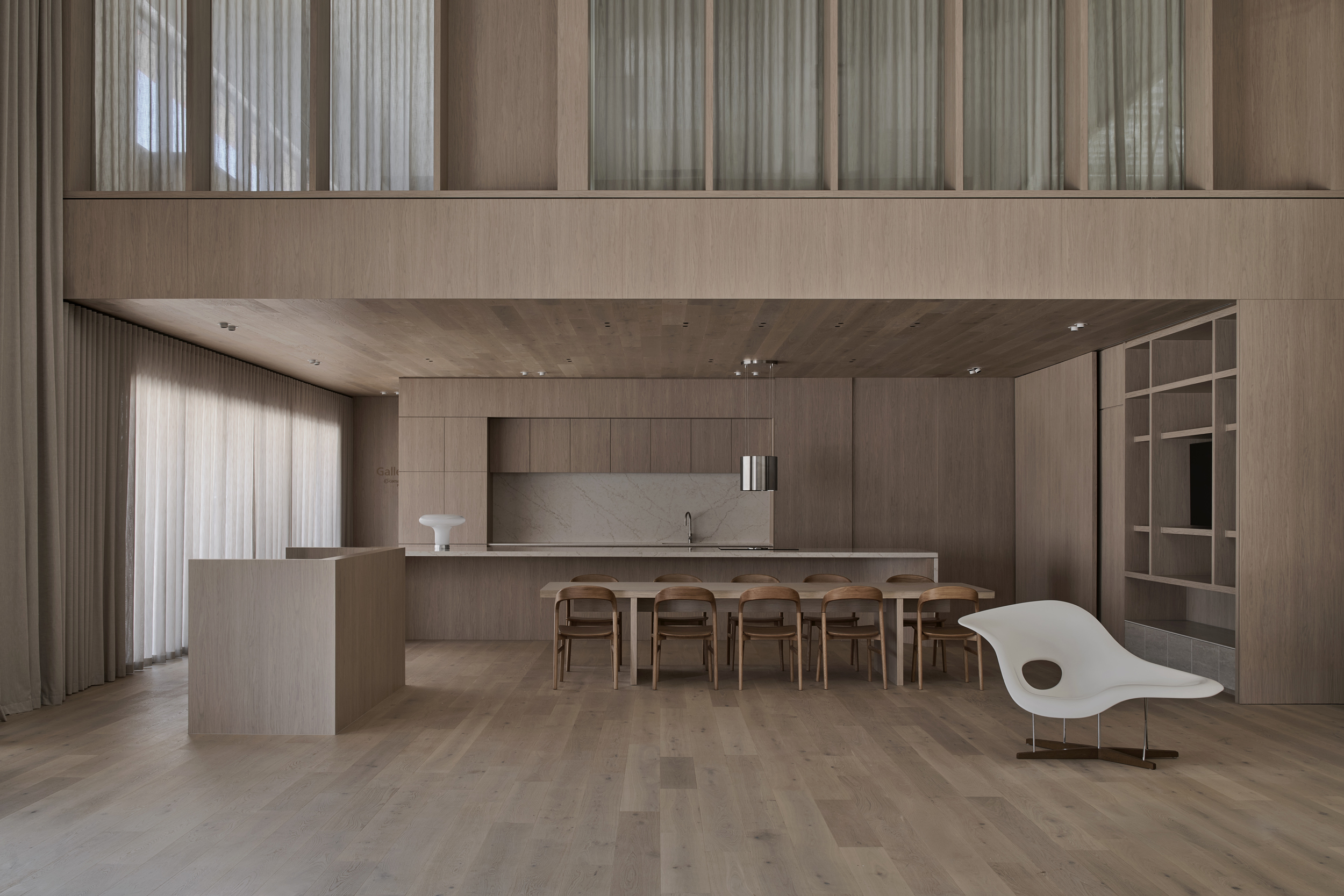
Image: Periphery Apartment by Studio SKLIM, Photography by Khoo Guojie
It’s this smart management of leafy resources that has doubled the amount of hardwood grown in the USA compared to half a decade ago. Davis encourages people to take a virtual tour on Google Earth and experience the lush woodlands covering the States. “I urge people to take a virtual flight across the Eastern United States and see how the private forestland owners in the USA have done a spectacular job of maintaining this ‘legacy crop’ to pass onto their grandchildren, great-grandchildren and beyond,” he says.
But the USA’s commitment to ensuring their green resource is sustainable goes well beyond Google Earth visuals. They have invested in what is probably the most extensive Life Cycle Assessment study ever undertaken in the hardwood sector. John Chan, Director of Southeast Asia and Greater China for the American Hardwood Export Council (AHEC) explains: “LCA is a scientific method to measure and evaluate the environmental burdens associated with a product or activity, by systematically describing and assessing the energy and materials used and released to the environment over the life cycle.” The assessment includes all relevant details, even the evaluation of the transportation of the resource to Southeast Asia, to ensure that American hardwood is not only entirely renewable but also carbon negative. This assessment is available to every designer as part of an individual American Hardwood Environmental Profile (AHEP) – providing peace of mind on the minimal impact of the selected material on the environment.
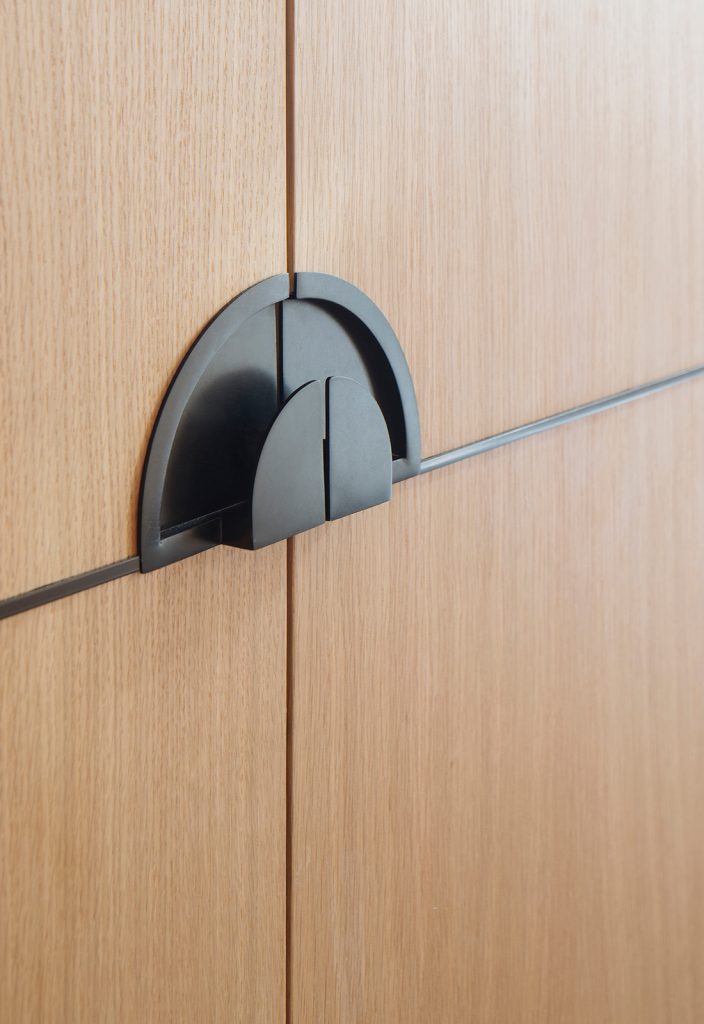
Image: Periphery Apartment by Studio SKLIM, Photography by Khoo Guojie
In addition to that, designers choosing American hardwood can be confident that’s precisely what they’re getting. A peer-reviewed study by international policy and economic consultancy Seneca Creek Associates has demonstrated that there is under 1% chance of the US supply chain being accessed by illegal wood, offering designers added certainty and confidence about the ultimate resource quality.