Defined, respectively, as storage/warehousing and manufacturing/processing facilities, Class 7b and Class 8 buildings form the structural backbone of Australia’s industrial and logistics sectors.
Generally characterised by the high-density nature of their operations, such facilities represent a fire risk. In response, the National Construction Code (NCC) mandates stringent Fire Resistance Levels (FRLs), particularly under Type A construction, where structural integrity, compartmentation and protection of openings must be ensured for extended periods.
Thanks to these requirements, those working on projects of this type are often steered toward conventional masonry and concrete systems, both of which have an established performance history in this context.
However, while sound in terms of fire safety, these traditional approaches have drawbacks. Heavyweight systems increase structural load. They require deep footings and reinforcing elements, their thickness can encroach on internal areas, and their use makes post-occupancy retrofits and adaptations complicated.
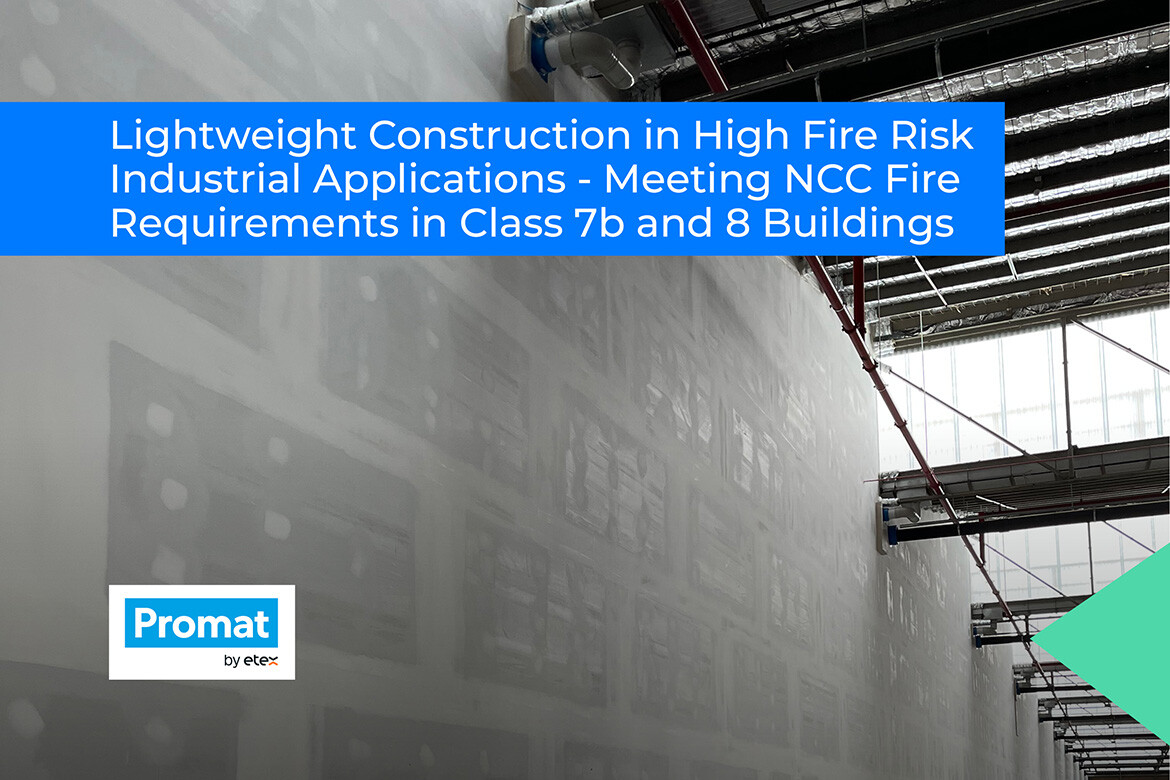
In this session of CPD Live, we shine a light on lightweight construction systems as alternatives to masonry and concrete. Our speakers identify certified solutions of this type and outline the fire performance obligations that specifiers must meet when including them in industrial settings.
At the end of this presentation, you should be able to:
- Identify the fire safety regulations that apply to Class 7b and 8 Buildings in Australia
- Outline the drawbacks of including conventional masonry and concrete systems in industrial applications
- Identify lightweight alternatives to these traditional systems
- Outline the fire performance obligations that specifiers must meet when including lightweight construction systems in industrial settings