The past five years have underscored the importance of health and well-being in designing indoor spaces. Changes in our lifestyles and work habits offer opportunities to create human-centered environments that integrate health and well-being into their design, allowing people to live, meet, and work comfortably.
The International WELL Building Institute (IWBI) is a global movement that advocates for a people-first approach to buildings, organisations and communities. With the WELL Building Standard (WELL), they rate and verify spaces and products that advance health and well-being, through mental, physical, and social measures and interventions.

Milliken, known for creating high-performance products with a social conscience, has been licensed with “Works with WELL” following a third-party review of their product suite, with over 800 listed product options that support several WELL Building Standard concepts, including air, water, materials, movement, and mind.
The products themselves offer sustainable, wellness-informed specification options for projects across all segments, servicing the Australian and New Zealand markets as it looks to position wellbeing as a conduit to performance and productivity.

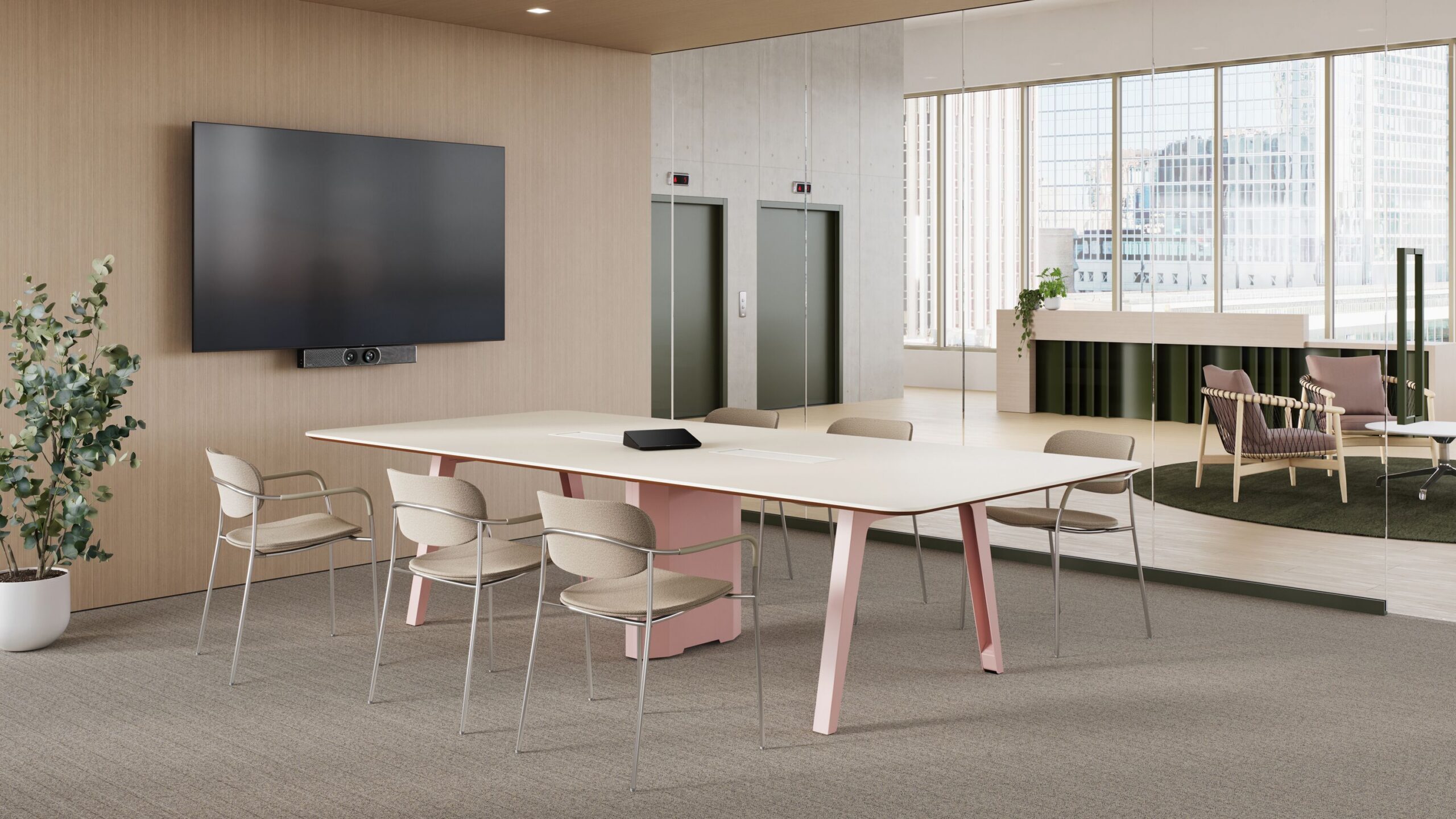
From resilient flooring solutions that offer 100% ortho-phthalate free and carpet tiles with PVC-free options to flooring adhesives that require no moisture testing, and entrance flooring that is optimised for health, safety, and high-traffic performance, the Milliken range can help WELL projects achieve points when called by relevant WELL features. Their innovative carpet tiles with WellBAC® cushion backing, which comes standard on all carpet tiles, is manufactured according to comprehensive sustainability guidelines. In addition to providing superior underfoot comfort and significantly enhancing the carpet’s durability, the cushion also offers notable benefits in terms of installation, ergonomics, acoustics, safety, and environmental impact.

By aligning with up to 14 WELL feature specifications, these carpet tiles and entrance flooring products can contribute points toward achieving standard requirements and help to meet multiple preconditions for WELL Certification. It also gives architects and designers confidence knowing that each product has been verified through independent review cycles to align with WELL.
By aligning with WELL criteria, Milliken contributes to healthier and more sustainable spaces through products that are called for by features in the WELL Building Standard, reflecting their commitment to improving the health and comfort of building occupants. The Works with WELL mark connects them to a global network of brands committed to furthering the health and comfort of building occupants, flying the flag for the power of good design to help improve indoor environments and create better spaces for everyone.