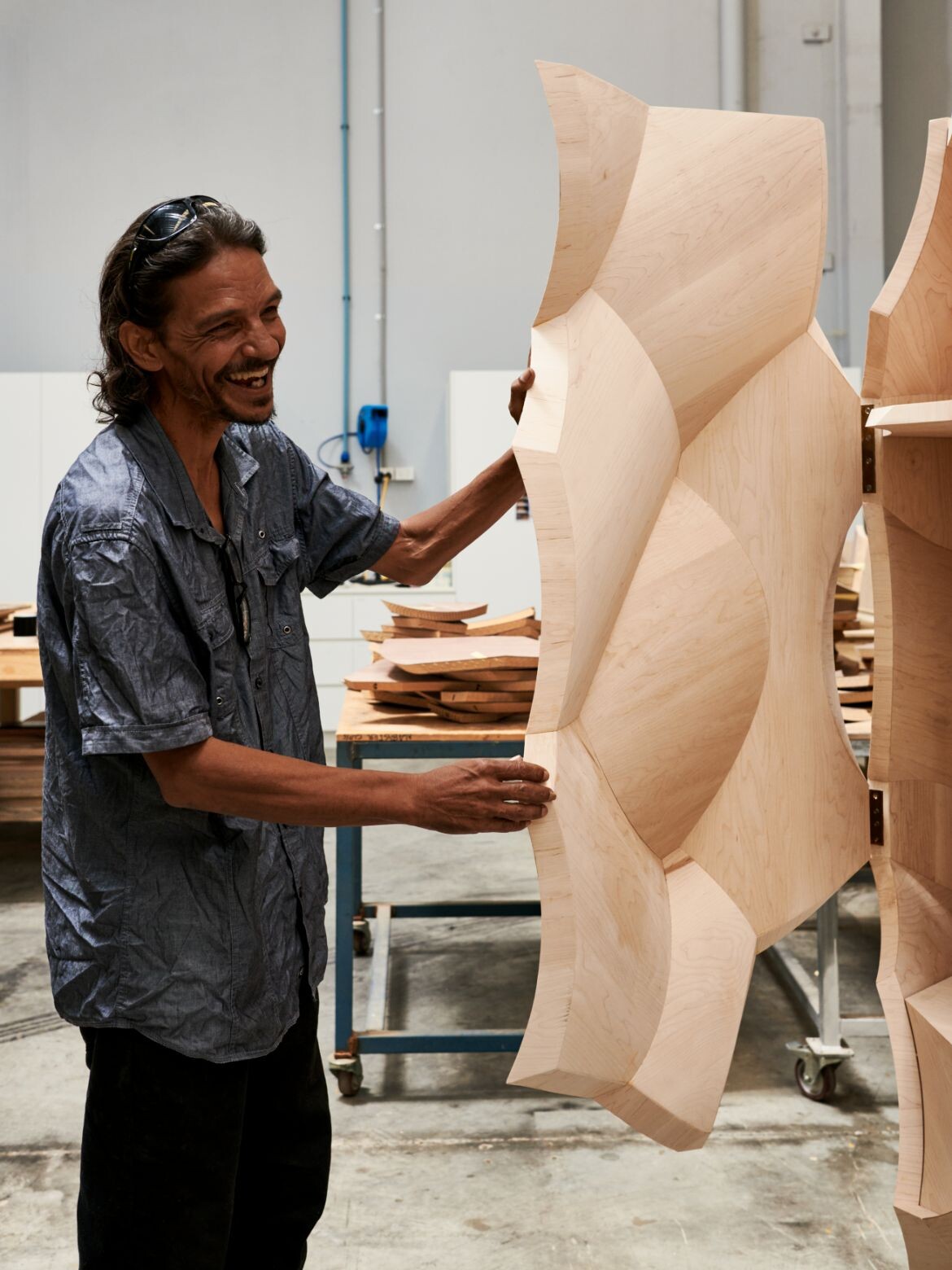
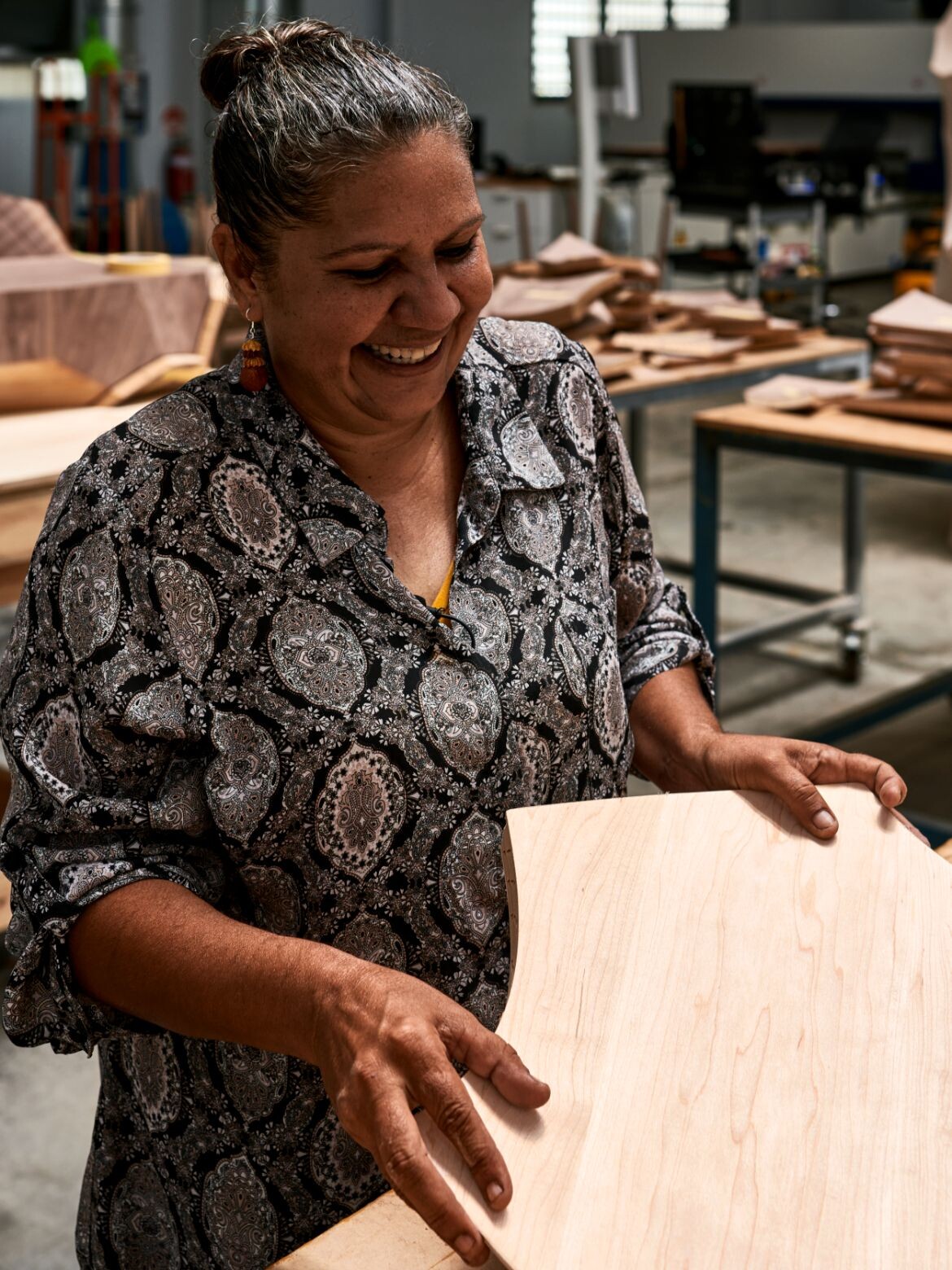
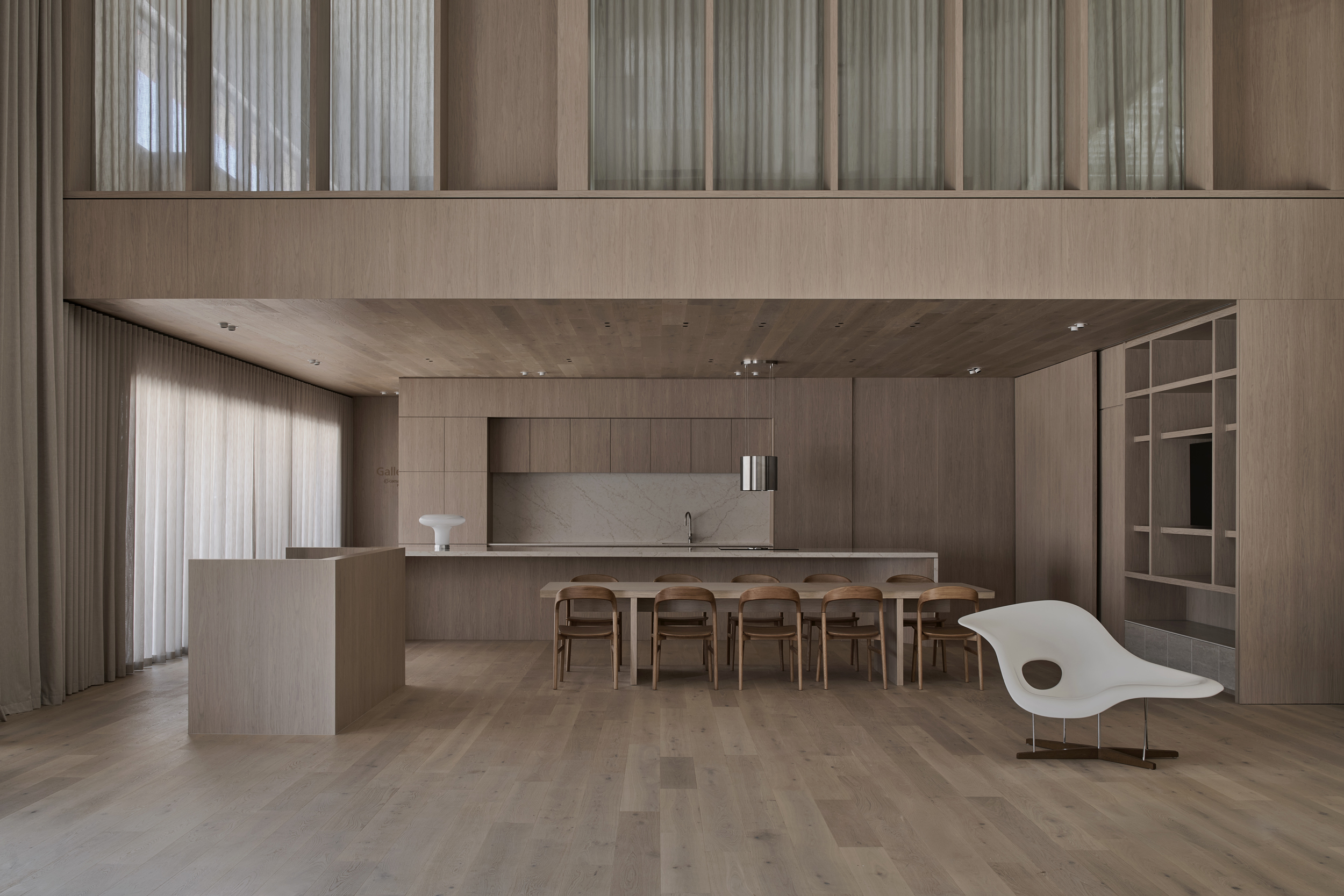
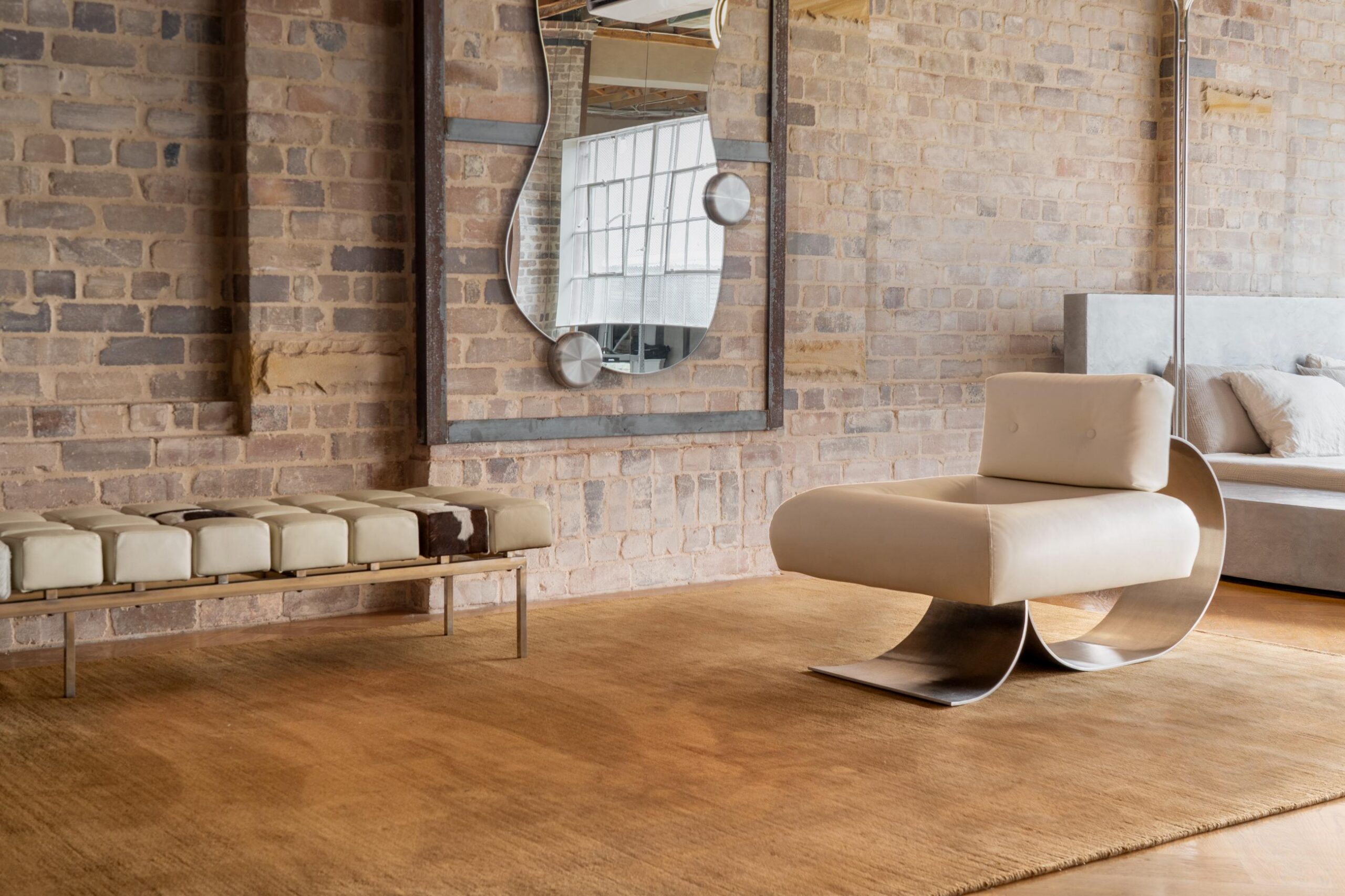
Kurunpa Kunpu/Strong Spirit is a three-year cross-cultural design collaboration between Tanya Singer, Errol Evans and Trent Jansen for the American Hardwood Export Council (AHEC). The new furniture pieces were recently unveiled at the Melbourne Convention and Exhibition Centre as part of Melbourne Design Fair, with other showings at the Fremantle Arts Centre and Artbank Melbourne throughout May and July this year.
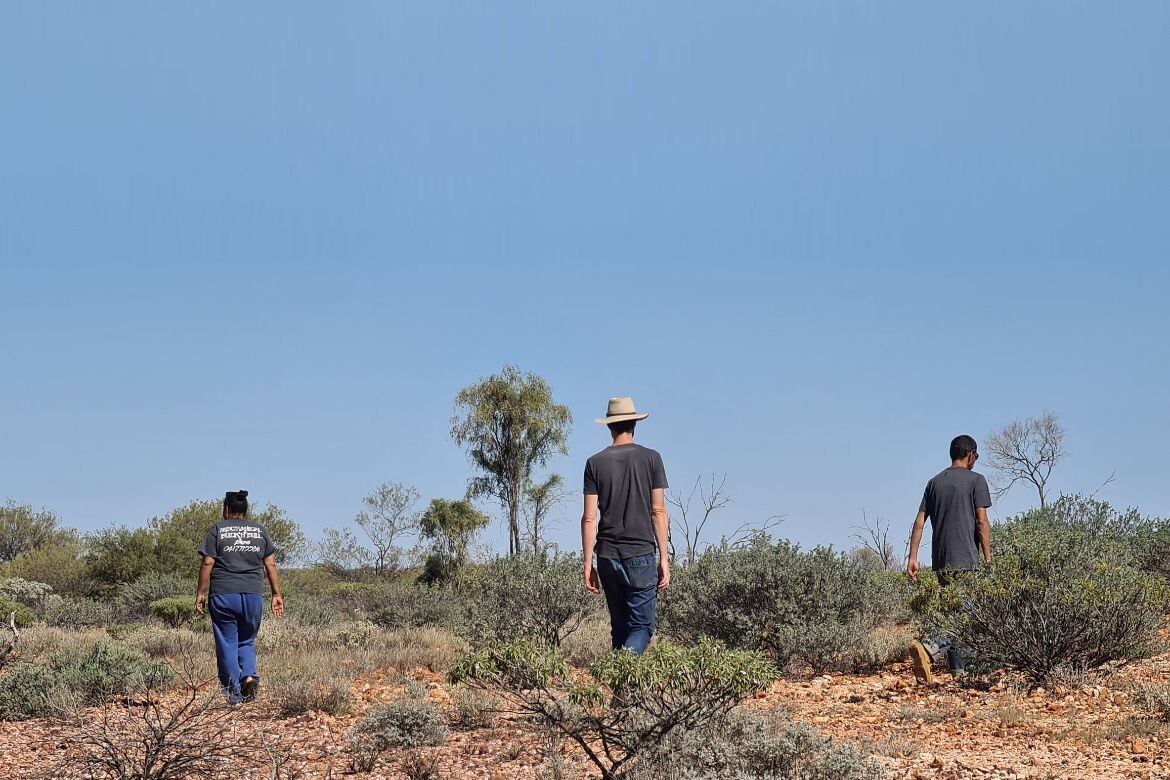
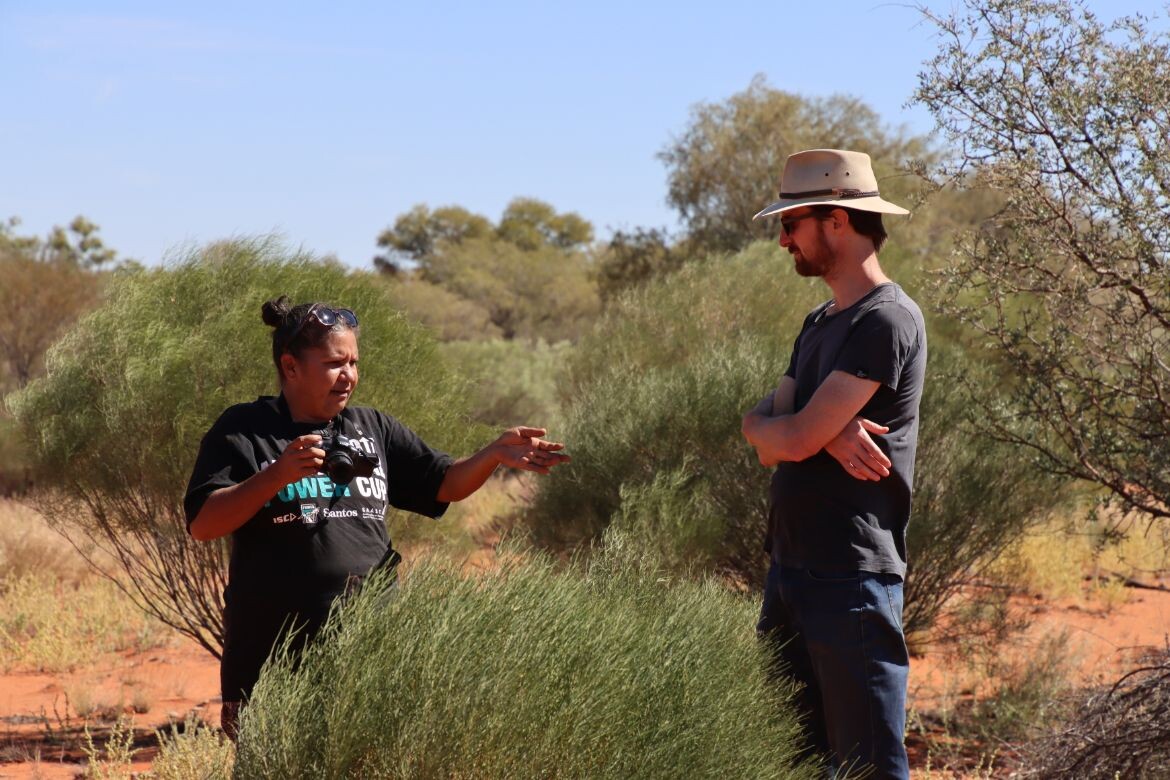
The project began when Tanya, Errol and Maruku Arts invited Trent to their homelands at Railway Bore in remote South Australia. The designers were able to create works that speak to the resilience of both First Nations People and ngura (Country) by connecting with their respective cultural practices and traditions. Engaging processes of Deep Listening to each other and Country, this collection celebrates the potential for inter-cultural collaboration to embody a variety of cultural values and lived experiences.

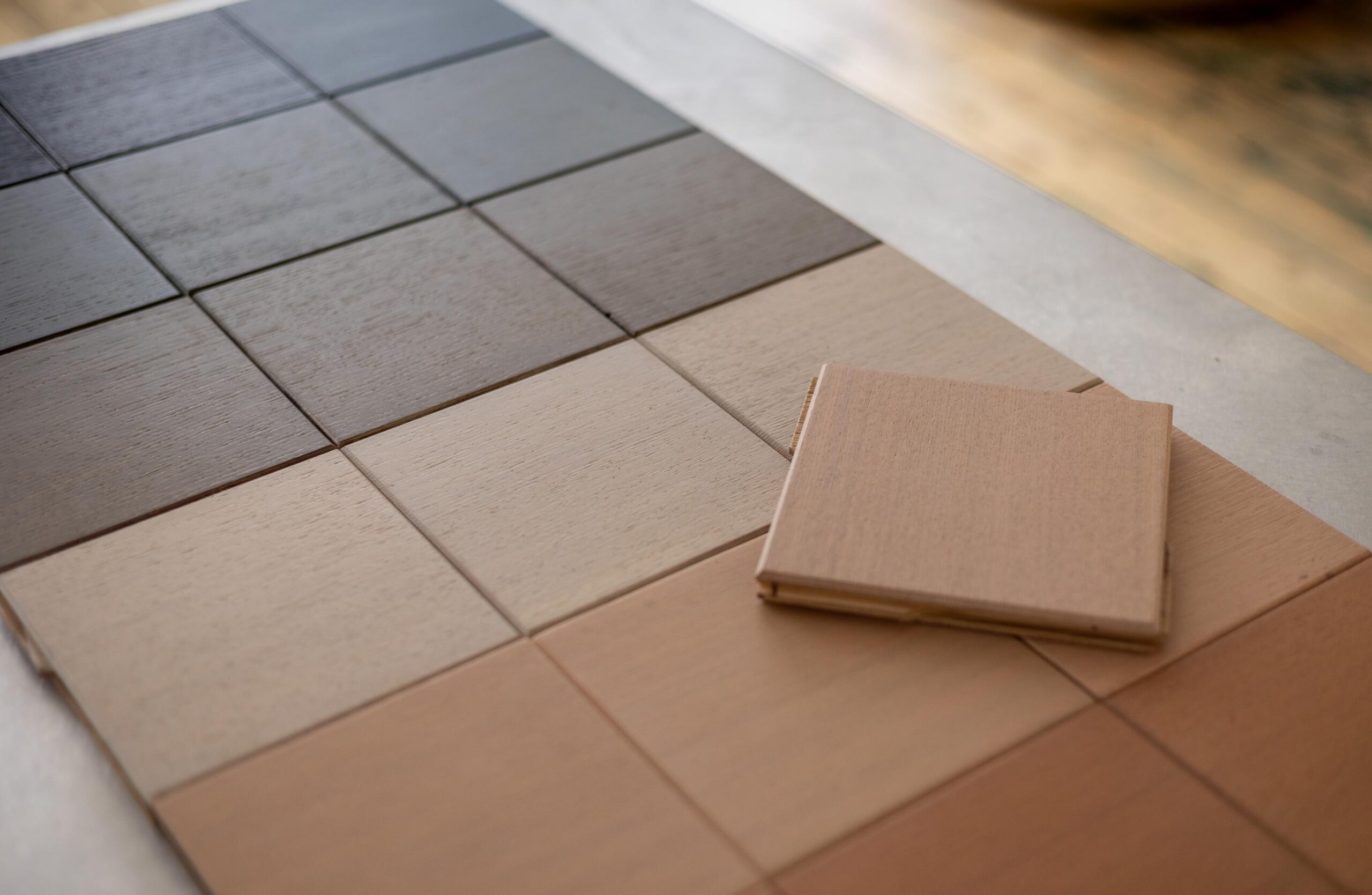
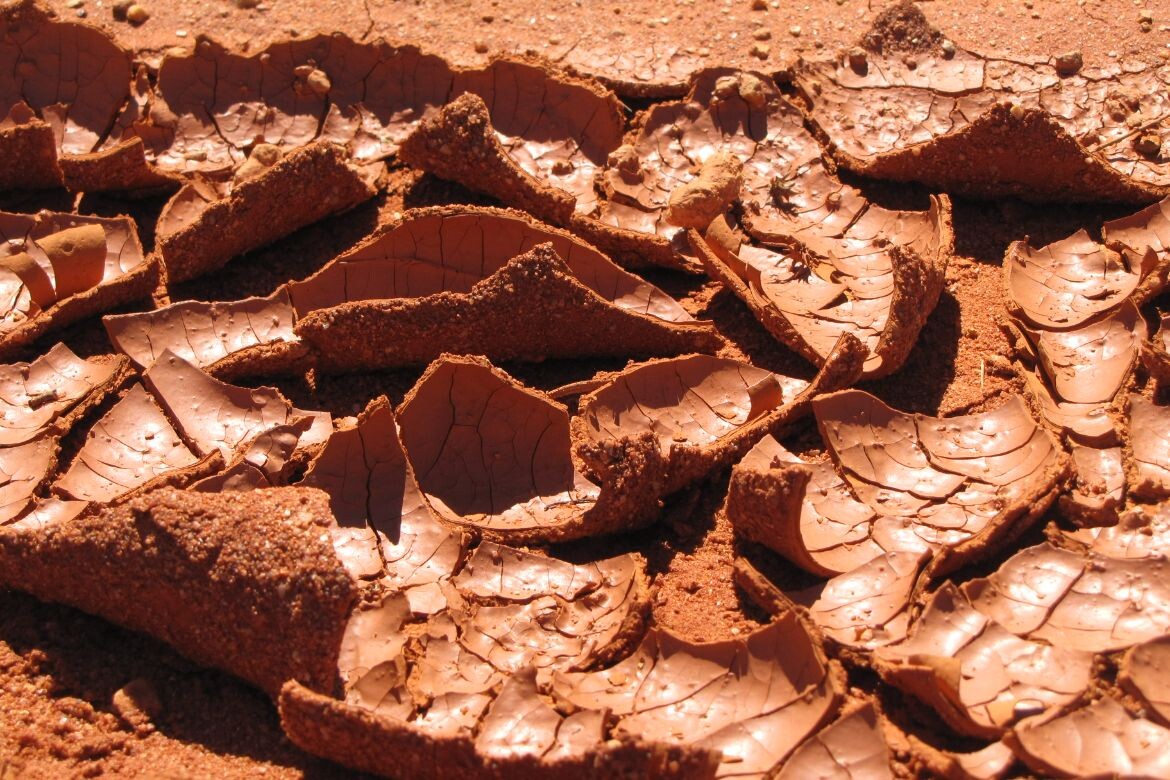
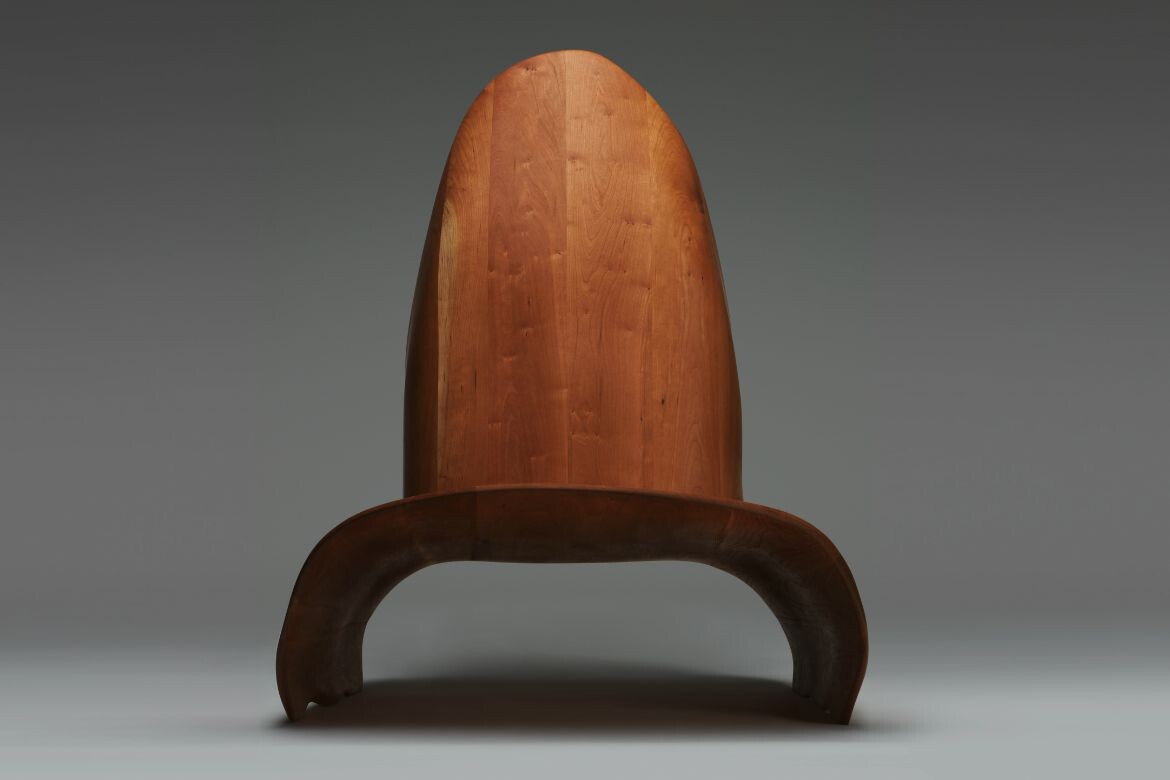
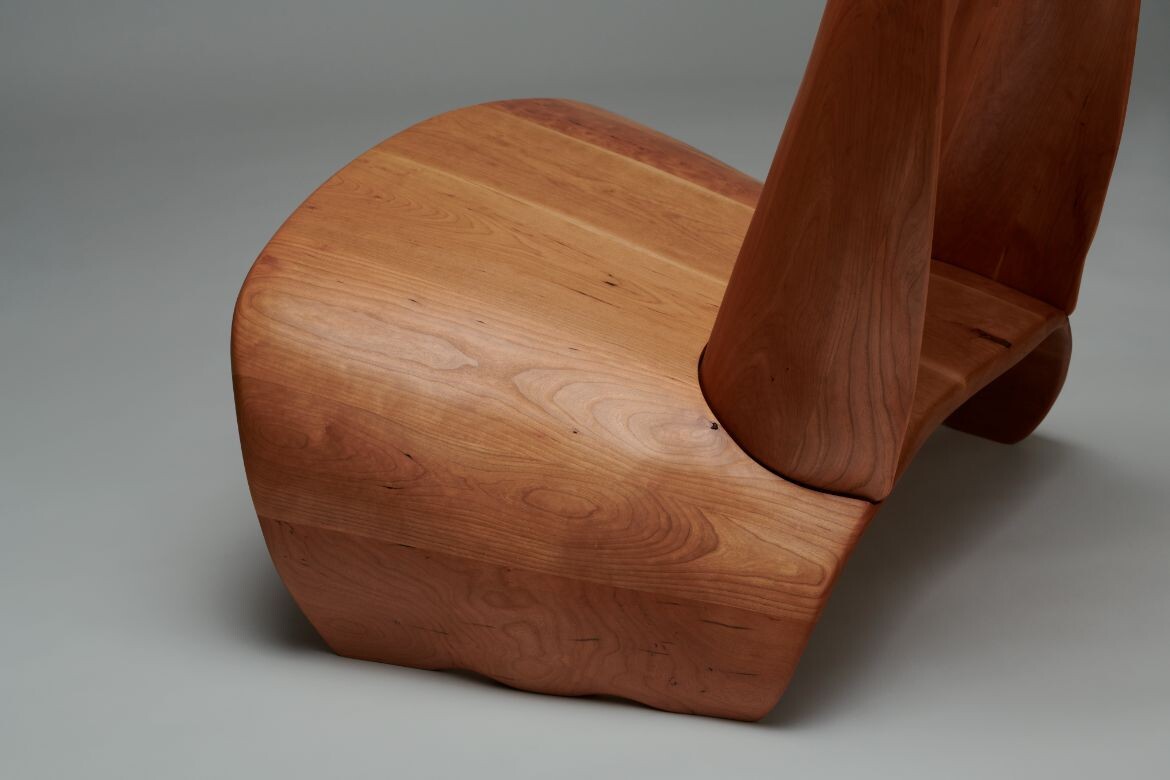
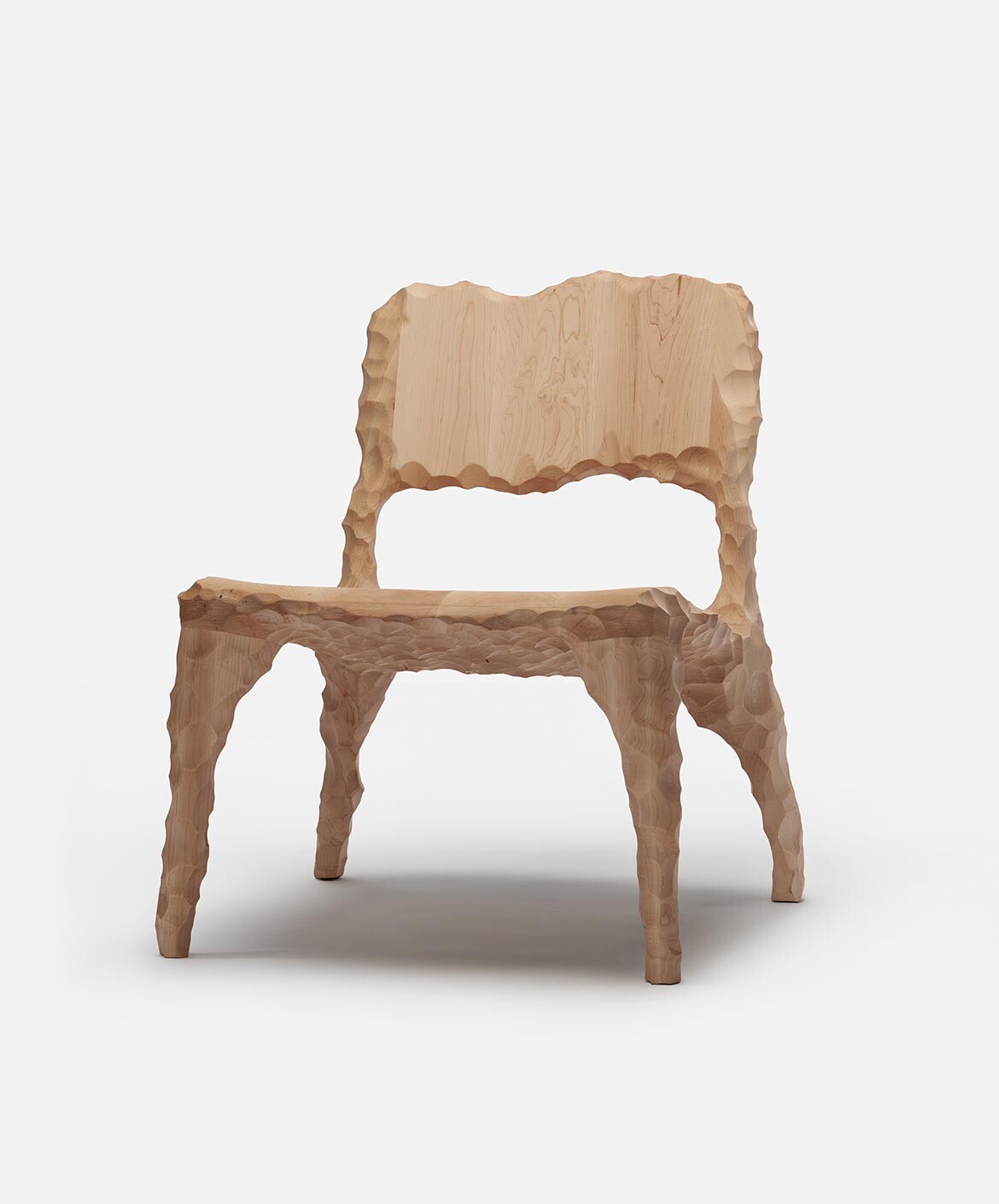
Kurunpa Kunpu is also, in part, a response to climate change experienced by the designers’ communities. Climate change threatens the lives of community members and the ecosystem and, in turn, connection to Country and culture. Utilising motifs of drying, cracked earth and protection, the design of this furniture collection, particularly the beautiful Kutiji and Manta Pilti chairs, communicates this complex narrative using American maple, cherry and walnut hardwood.
The use of American hardwood species offers not only a visual contrast between the drier and more temperate parts of the Australian landscape, but also the opportunity to provide scientific evidence of sustainability often lacking in claims of environmental responsibility.

Life cycle assessment and environmental impact
A full environmental life cycle assessment (LCA) was undertaken of the five Kutiji and Manta Pilti chairs created for Kurunpa Kunpu—from the origin of the wood in the United States forest to the finished collection on display. The analysis of the collection’s environmental impact, including its role in global warming, is provided to highlight the importance of taking environmental considerations into account when selecting materials and in good design.
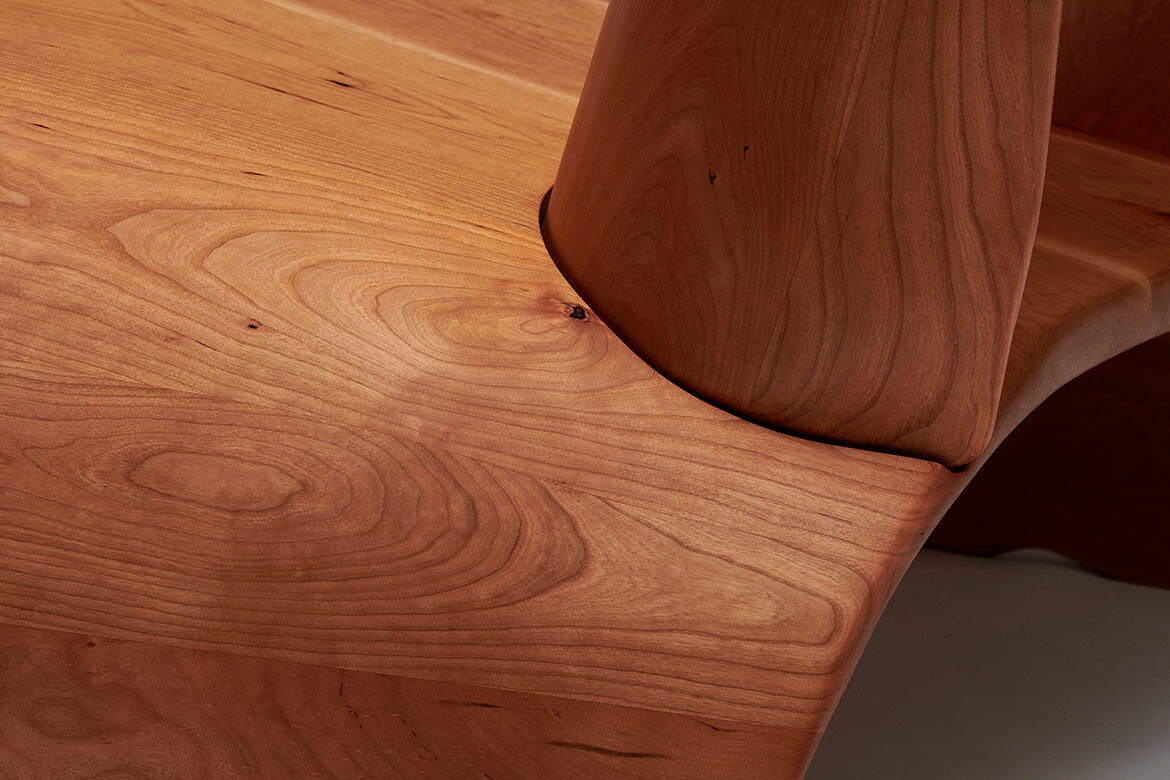
The carbon footprint of the 5 chairs is 61 kgCO2 equivalent. That’s about the same carbon as emitted in a single 408 km journey in the average Australian car. What may surprise many is that the American cherry, maple, and walnut used to create the chairs arrived on Australian shores carbon negative. This analysis applies despite this assessment accounting for a very long and tortuous transport route including over 1,100 km by truck from lumber processing location to the East Coast of the US, and shipment via Suez and Singapore to Brisbane, a total distance by container ship of 26,000 km.


These findings refute the common misconception that international transport is a major cause of the environmental impact of timber. The use of grid electricity during manufacturing and road transportation within Australia account for the majority of the carbon footprint. This data, alongside other factors such as replacement rates and carbon sequestration, underline the need to carefully reevaluate the assumptions that exist surrounding environmentally responsible design.
Following international carbon footprint and LCA standards, AHEC has been gathering data on the environmental impact of American hardwood since 2010. According to the data gathered, extracting and converting American hardwood for use in a wide variety of applications requires considerably less energy than most other materials.
Additionally, it was found that the carbon stored in American hardwood at the point of delivery to any country in the world almost always exceeds the carbon emissions associated with extraction, processing and transport.
For more information on the Kurunpa Kunpu/Strong Spirit collection, visit the AHEC website here.
American Hardwood Export Council