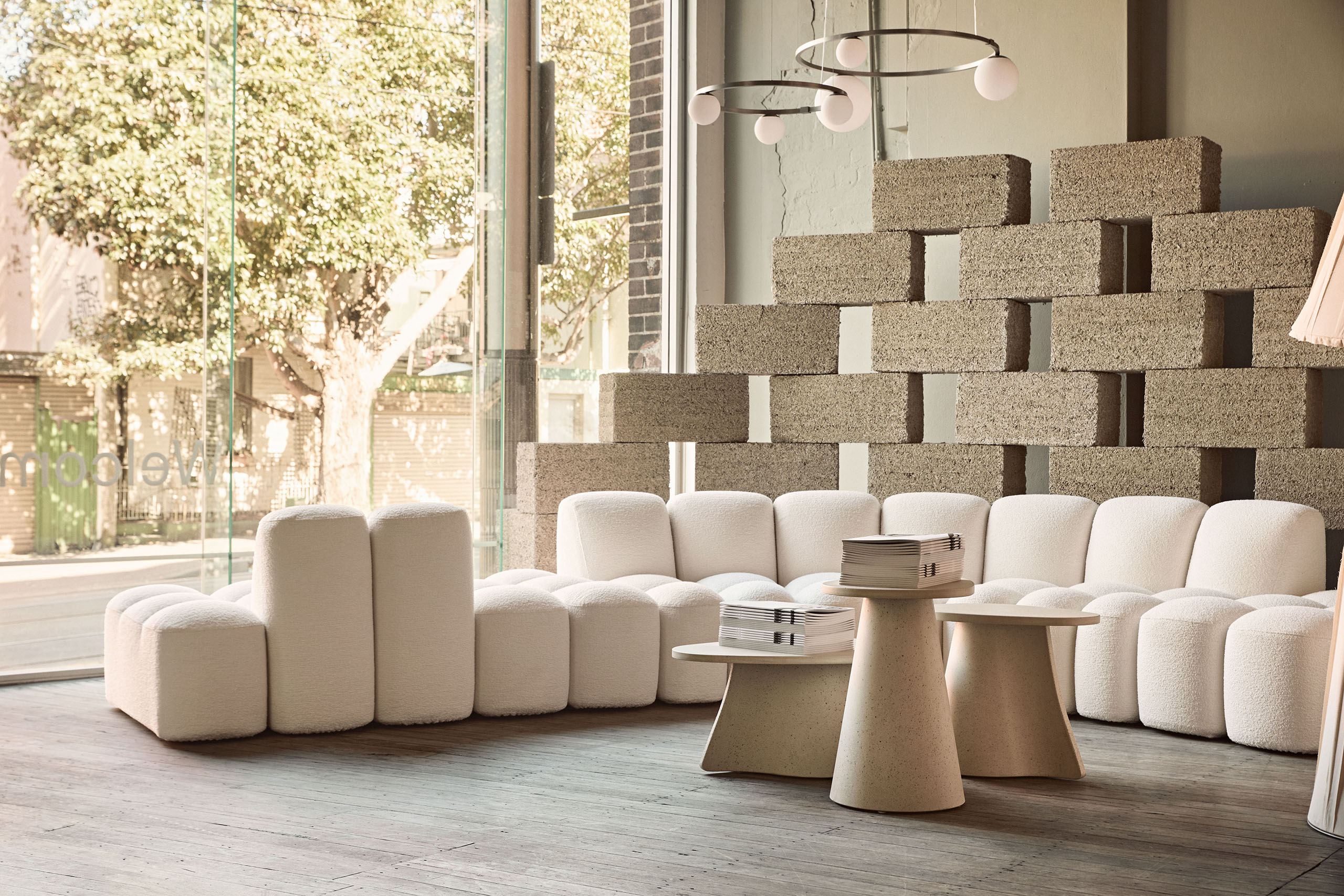
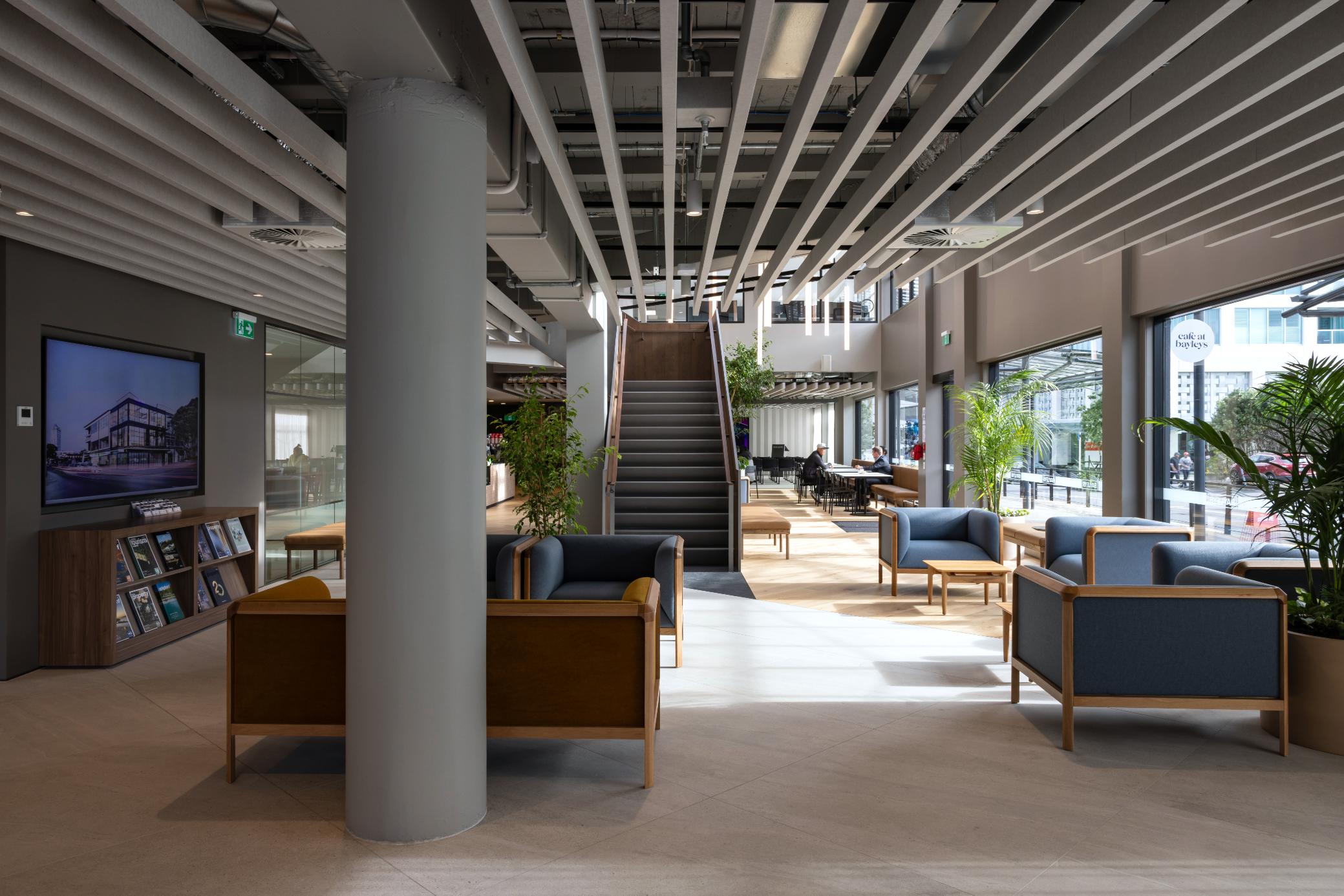
Glass has become one of the defining factors of modern architectural design, with door-to-ceiling windows now a go-to in commercial design. Chosen not only for its sleek and clean appearance, but it also increases the level of natural light within an interior. It’s not a feature expected to diminish in popularity either, with architects incorporating glass into their designs continue to be a growing trend. However, while it may have the desired effect from a design perspective, utilising glass comes with further design considerations for interiors, namely an increase in sun glare, UV radiation and heat coming into the building.

In this sense, while glass may look aesthetically pleasing on the exterior, it can actually have negative effects on an interior, such as excess heat and fabric fading from UV radiation.
In a bid to counteract these negative aspects, performance fabrics – specifically when used in window coverings – provide functional qualities such as durability, UV protection, comfort and thermo-regulation.
To ensure that the bene ts of glass in buildings are not compromised in both residential and commercial spaces, the following considerations should be taken into account when specifying window covering; maintaining view through, fading fabrics, and space saving through heat reduction.

Download the whitepaper to find out how specifying high-quality performance fabrics can have a positive impact on design by combatting the issues that come with utilising glass in buildings.