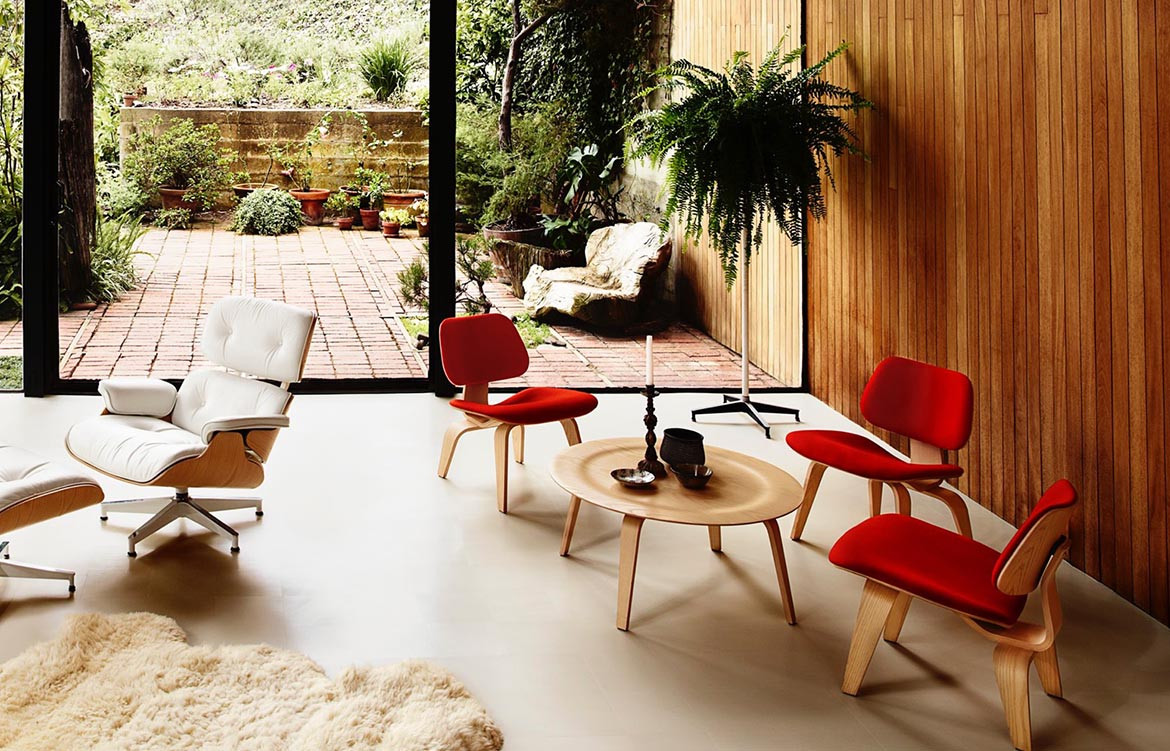
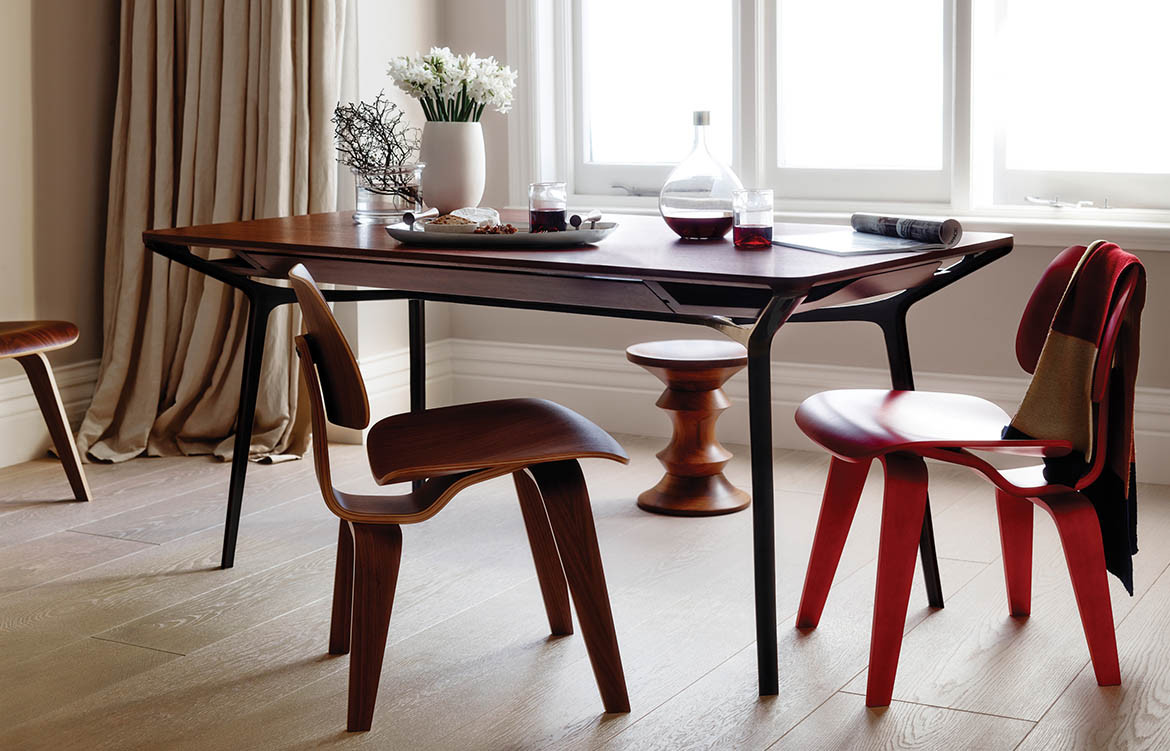
Eames LCW’s gentle curvature must be one of the most recognisable silhouettes in the world of design. The distinctly welcoming shape of this versatile chair is hard to miss – and impossible to mistake for anything else. Even a quick glimpse at the prolific seat reveals the unique kind of fluid elegance and fundamental comfort – qualities that may make it hard to believe that the technology at the heart of this iconic design was initially used to address a wartime demand for splints.
In the early 1940s, the husband-and-wife design team were exploring the potential of wood-moulding and laminating. Experimenting with a variety of techniques, the couple developed an innovative process for moulding plywood using heat and pressure. Their discovery piqued the US Navy’s interest, and the designers were commissioned to produce plywood splints, stretchers and glider shells which were then used throughout World War II.
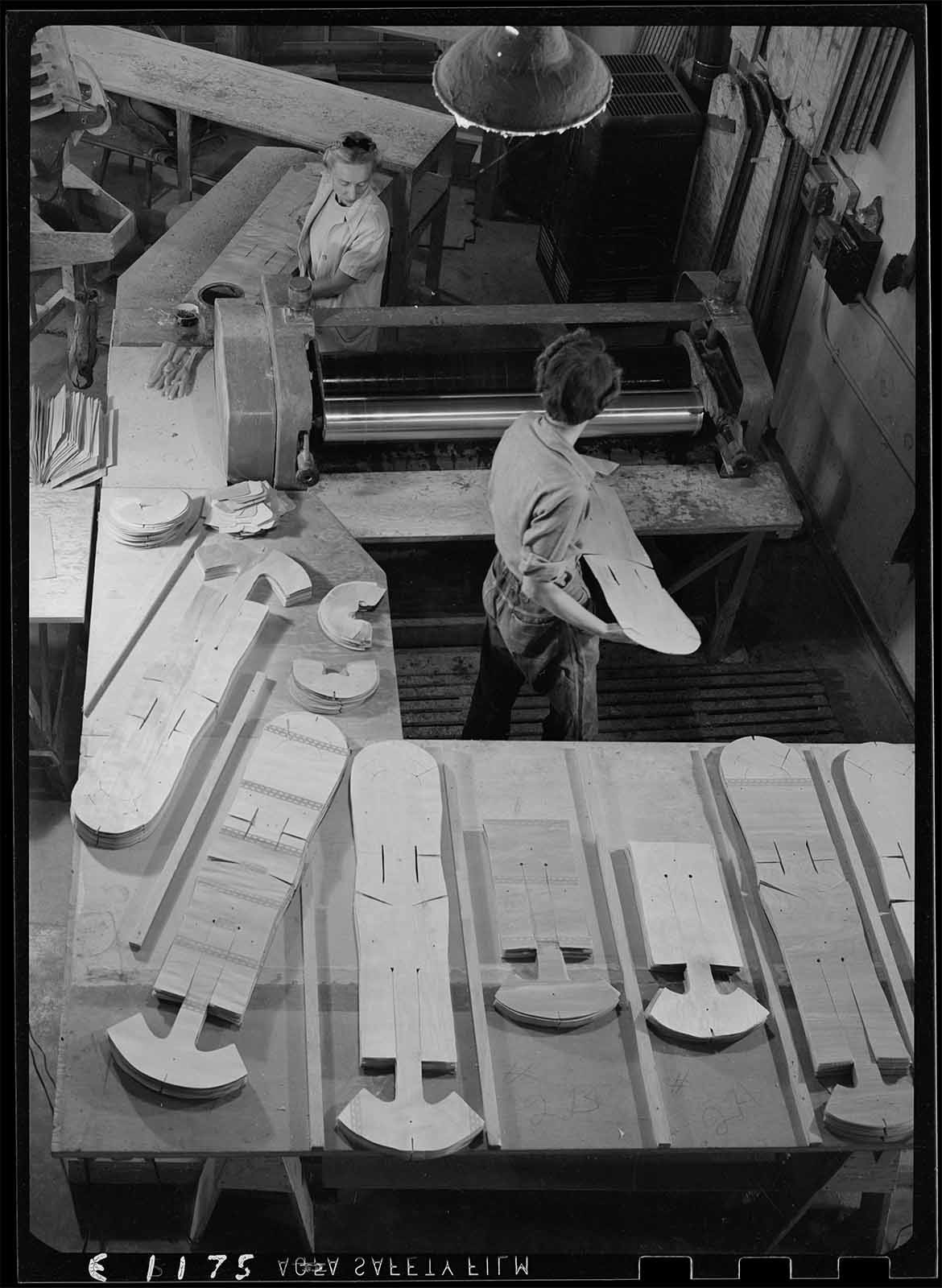
Revolutionary from a humanitarian point of view, plywood moulding later transformed the world of design – and the bold Eames Moulded Plywood Chair designed for Herman Miller in 1946 was the original precursor of this innovative technology. After the war, the couple further advanced their experiments in the bid to create a more utilitarian chair. Employing the process that enabled them to bend wood in various directions and give the hard material a much softer look, the Eames created attainable and mass-produced yet high-quality chairs that incorporated dimensional shaped plywood surfaces in lieu of cushioned upholstery.
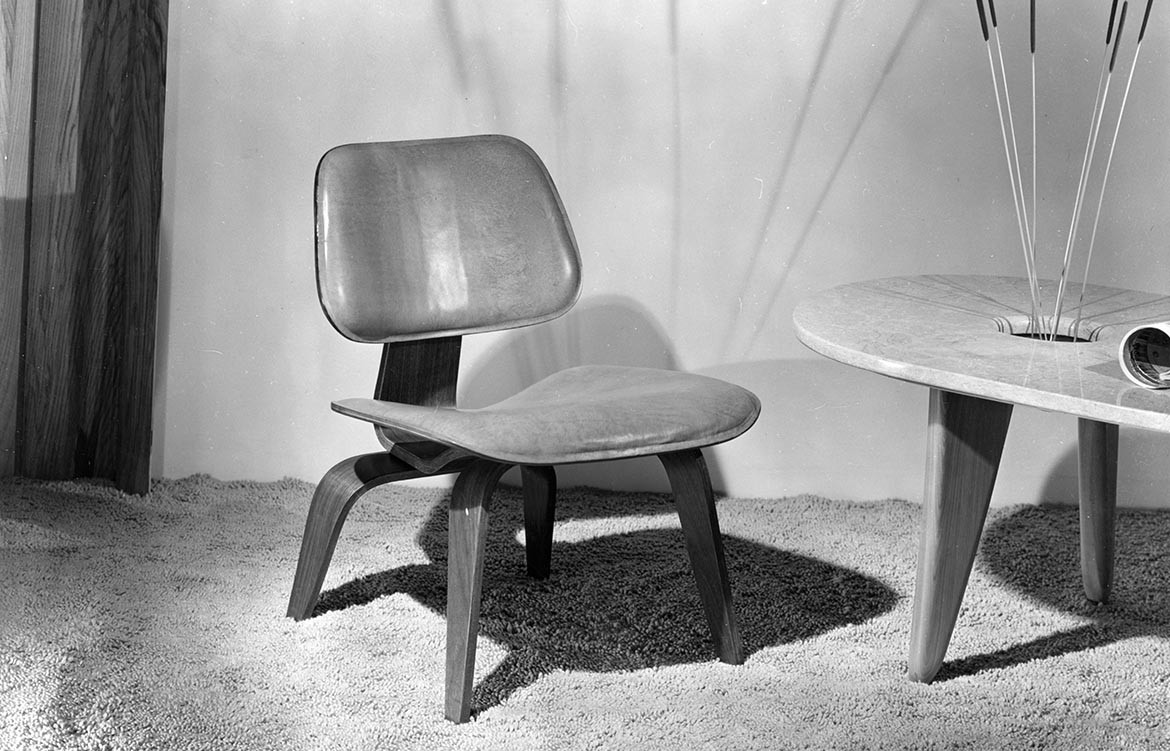
Initially, the creative duo was planning on using a single-shell design. However, the plywood wouldn’t withstand the stress that occurred where the seat and back parts of the chair met. That’s why Eames LCW’s iconic silhouette – so perfectly reflecting the contours of the human body – features separately moulded plywood panels for the seat and the back.
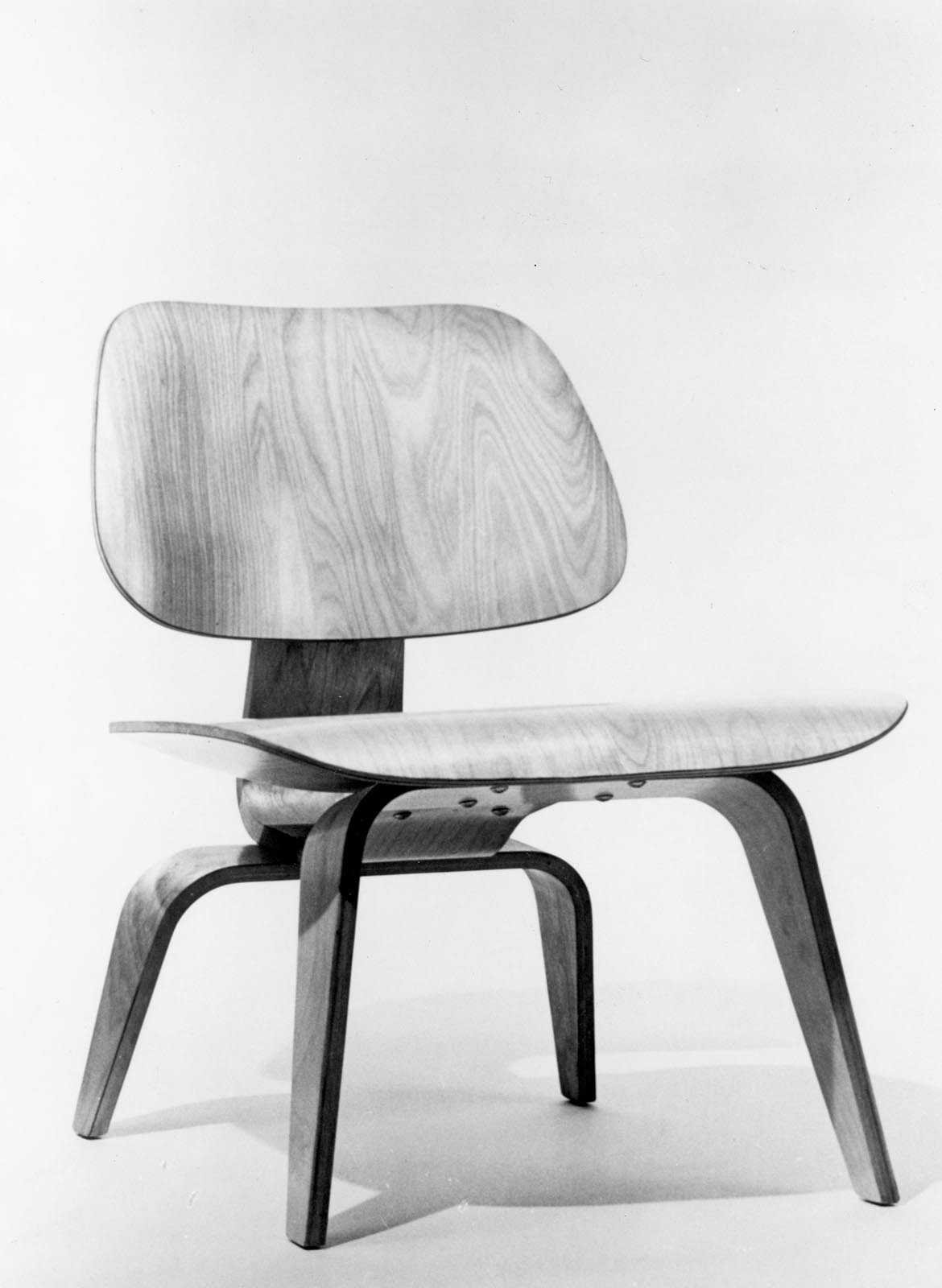
With such a foundational role in the broader trajectory of modern furniture design, it should come as no surprise that “Times” magazine recognised Eames LCW’s elegant, comfortable and lightweight profile and serendipitous origin story by dubbing it the “Design of the Century” in 2001. The award also acknowledged the chair’s exquisite legacy – and its authentic, impossible to imitate heritage. “Much copied but never bettered,” the magazine stated at the time, encapsulating the chair’s unique combination of innovation, aesthetic integrity and enduring charm – and reaffirming that Herman Miller’s design legacy couldn’t be replicated.
A testament to the timeless genius that defines so many of Herman Miller’s distinguished designs, Eames LWC’s inviting form and the welcoming promise of comfort are as appealing as ever, making the first plywood moulded chair as relevant now as it was 75 years ago.
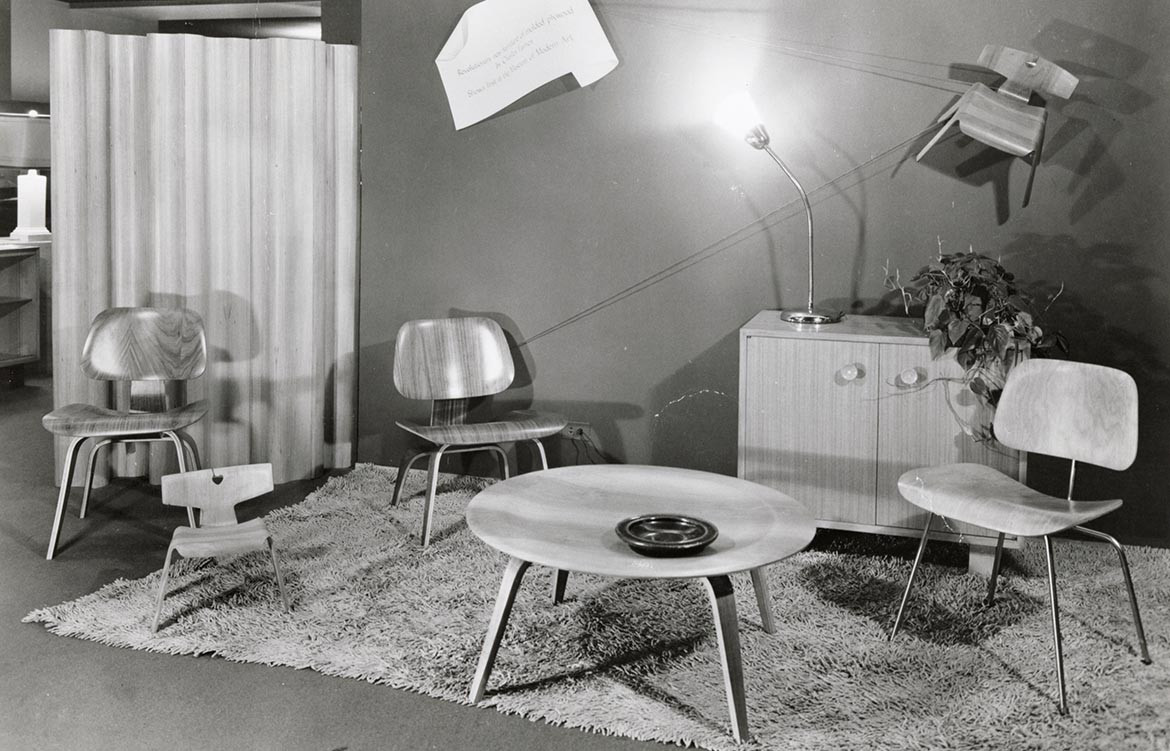
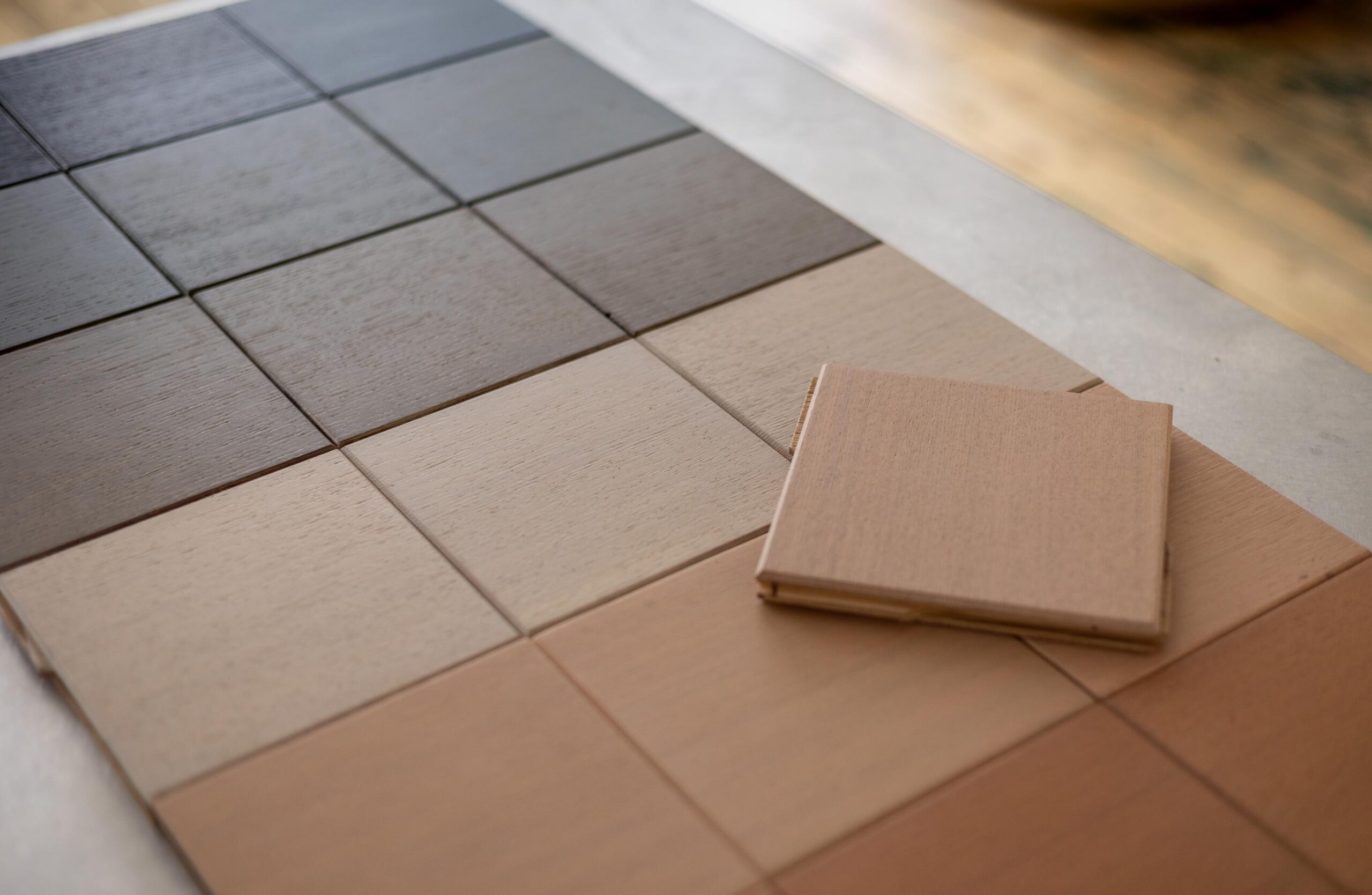
Celebrating the initial appeal of the seating icon, Eames Moulded Plywood Chair is available with richly grained birch veneer in bright colours that evoke the chair’s origin. Reflecting Herman Miller’s commitment to sustainability, the modern edition of the innovative classic uses environmentally friendly aniline stains that are available in ebony, red stain, Santos Palisander, walnut and white ash that bring out the wood’s natural beauty. Herman Miller also offers a range of upholstered fabrics. Alongside the existing selection of finishes, the new additions continue to express Eames LCW’s timeless character. Available with wood or chrome-plated steel legs, the design lends itself to a variety of versatile applications, both in residential and commercial interiors.
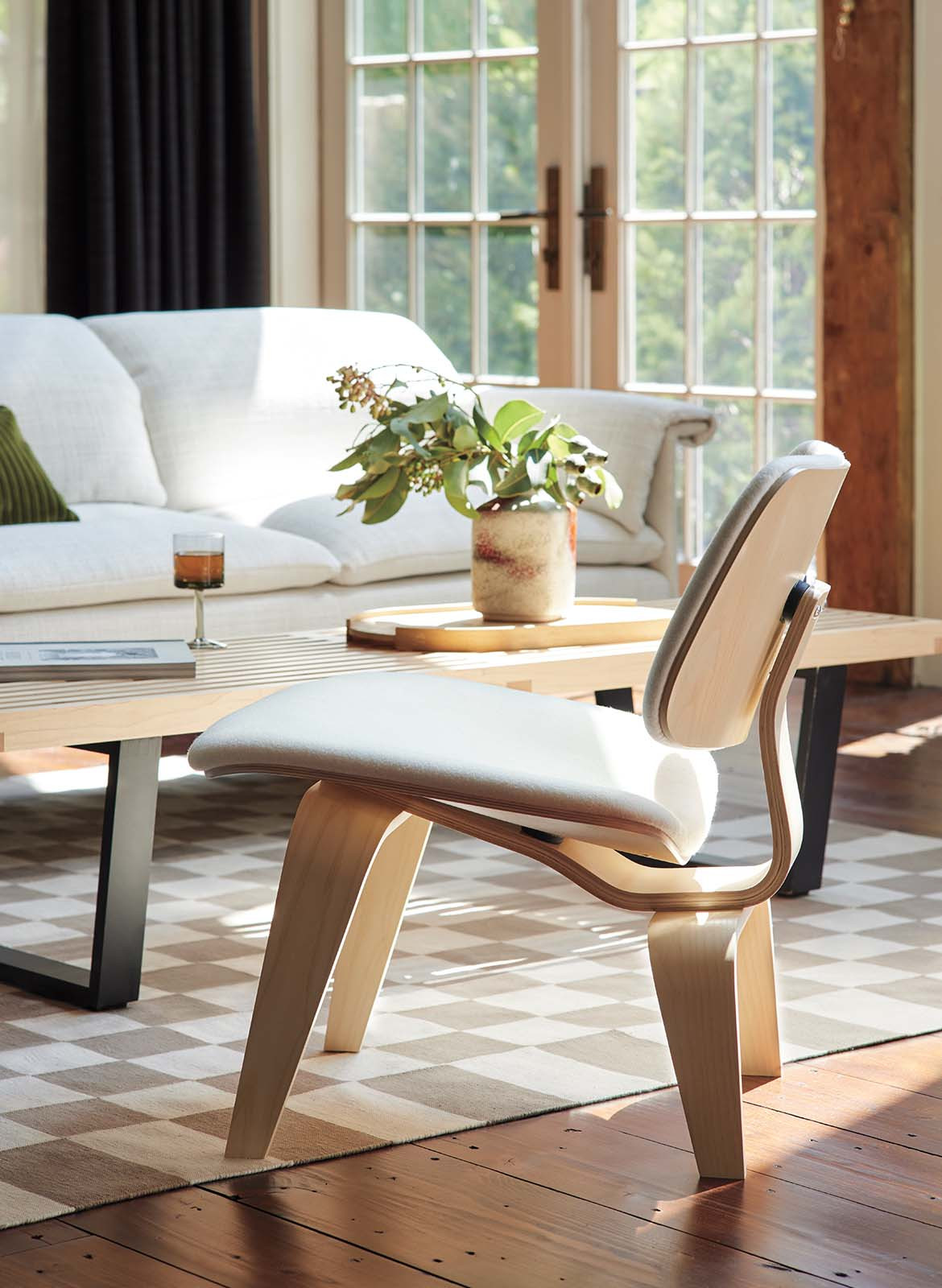
The celebration of the archetypal design 75 years after its humble yet inspired origins highlights the lasting significance – and enduring appeal – of authenticity, quality, innovation and sustainability. Closely reflecting the very values that underpin Herman Miller’s iconic design practice, Eames LCW’s diamond anniversary is a timely reminder of the ingenuity, purpose and true human insight that tend to inform the most notable furniture designs. It also emphasises the importance these enduring qualities have in the world of design – and how relevant the deeper purpose and detail behind the object should be in the specification process nowadays.
Find out more about the design story behind this authentic piece, and explore the many finish options and product features here.