Fukasawa Focuses on Fluid Forms
Published
By
jesse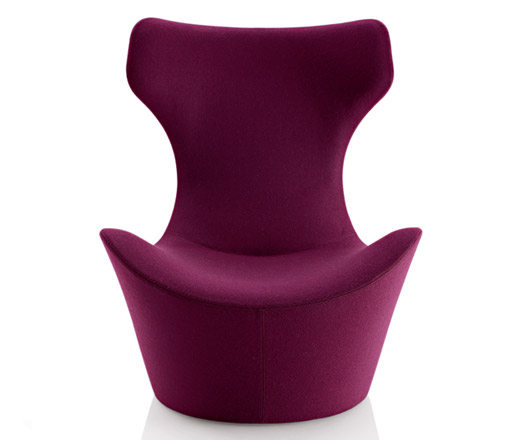
Japanese designer Naoto Fukasawa has made a name for himself with his minimalist product designs.
His iconic wall-mounted CD player, designed for Muji in 1999, secured his status a groundbreaking contemporary designer.
The understated simplicity of his work has garnered him multiple accolades in the design industry, and his ‘Grande Papilio Chair’ launched in Milan this year for B&B Italia is set to be as iconic as his previous designs.
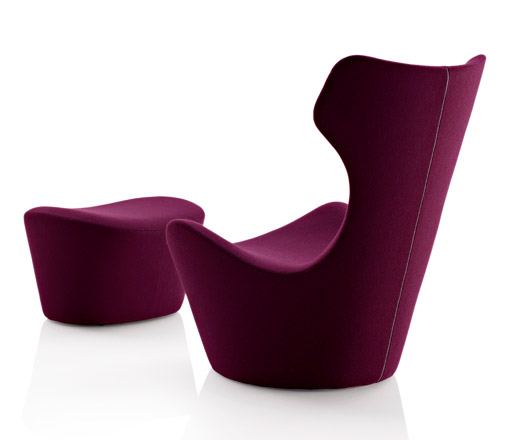
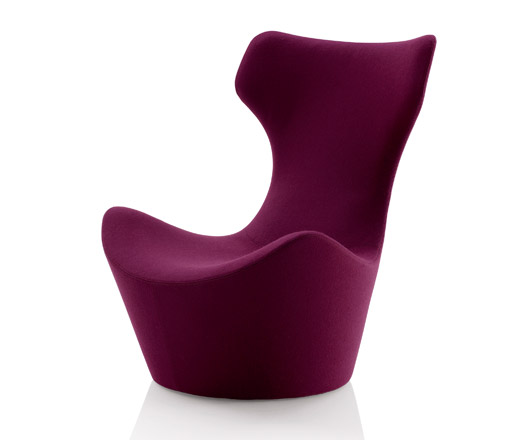
The ultimate in relaxation comes in its signature throne-like form, which morphs and moulds to the anatomy with a fluid design carved out of the truck of an upside down cone.
The piece is covered by a single piece of fabric, removable thanks to the large metallic zip running down the chair’s back and available with an ottoman.
Referring to the spreading of the wings of the ‘Papilio’ – the butterfly shape is the result of an astute consideration by Fukasawa of how we relax, twisting to the left or fight, not remaining rigidly upright.
The ‘Grande Papilio’ by Naoto Fukasawa for B&B Italia, available exclusively from Space Furniture
(61 3) 9426 3000
Related Articles

Events
Getting hands-on with Savage Design’s Ministry of Metals
Ahead of Saturday Indesign, Savage Design put its new Ministry of Metals experience through a test run, turning material education into something tactile, practical and genuinely interactive.
Articles
Creating synergies of form, hue and space
When considered from the perspective of the human experience, a chair is not merely an object. It is a human vantage point within a space, it is the focal point for energies and activities, and it is a visual anchor that guides activities and emotions.
Events
Tappeti marks 20 years of bespoke rug design
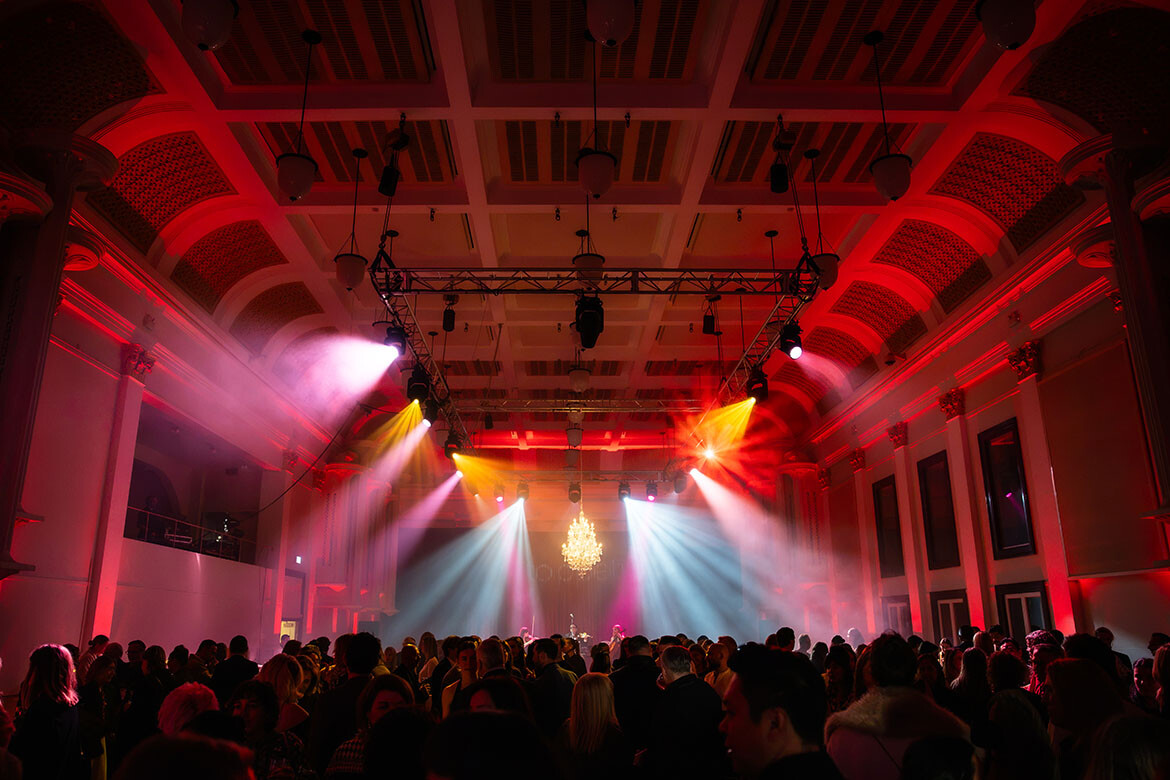
At Paddington Town Hall, the Australian rug studio reflected on two decades of bespoke design with an event that brought its archives, collaborations and making processes into motion.
Products
Paola Lenti makes a case for colour confidence
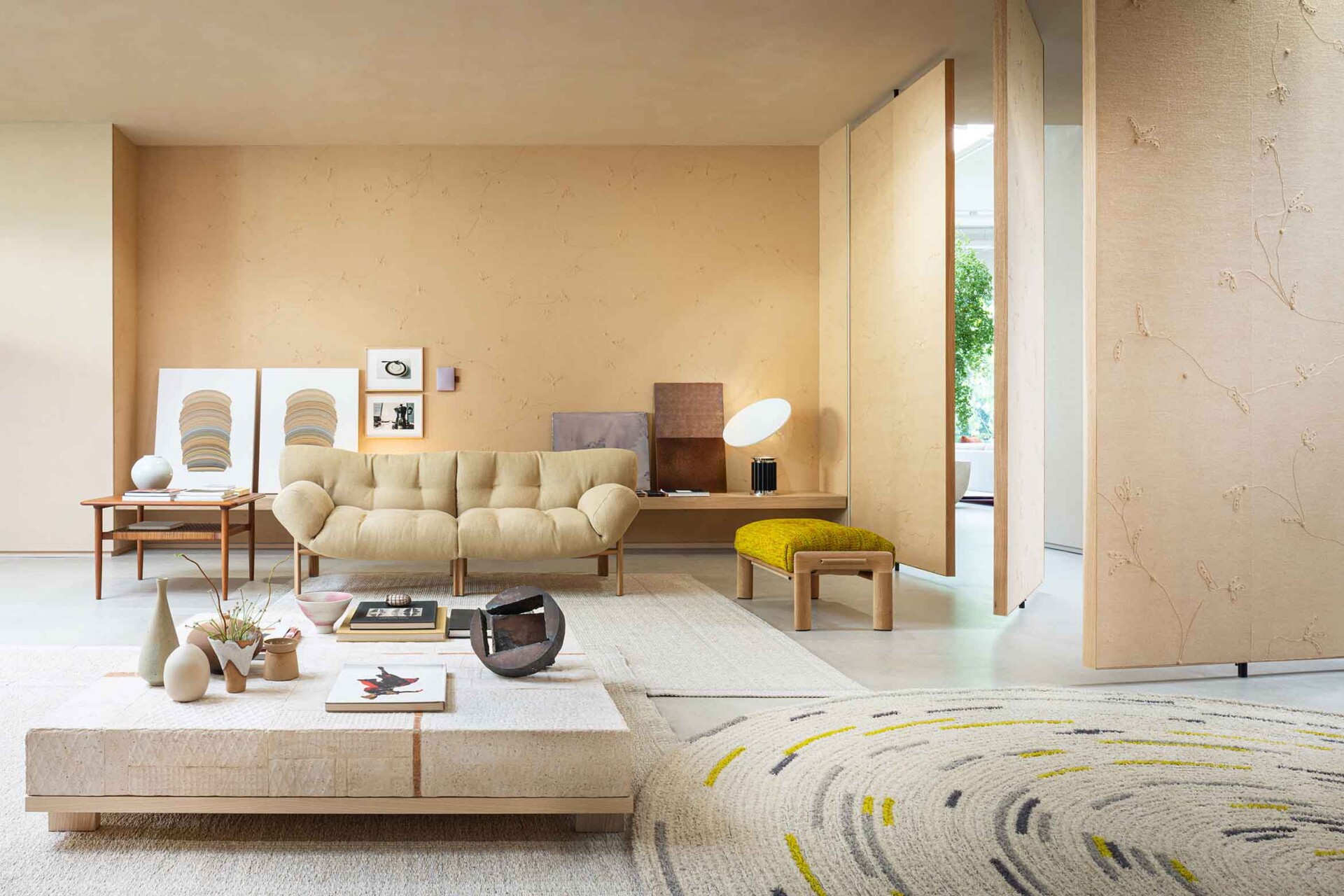
At dedece Sydney, Anna Lenti introduced the Chromatic Alphabet, a new design tool intended to make architects and designers less hesitant about working with colour.