Session Synopsis
While stormwater and sewage management is an essential consideration in all types of residential projects, the systems that are generally used for this purpose are not always up to the task.
Conventional systems rely on gravity to move relevant materials to the sewerage network, and are therefore of little use in projects involving large catchments, on blocks that slope away from the road (and council mains or sewer treatment plants), and so forth.
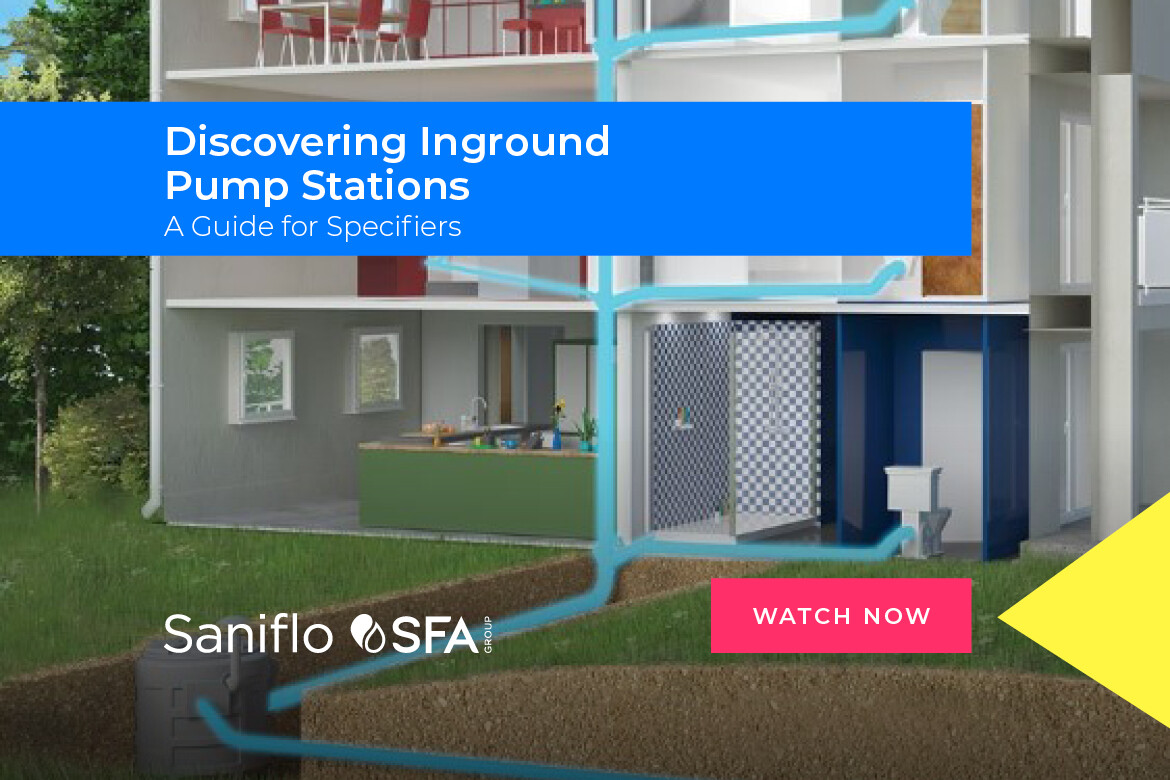
In these cases, Inground Pumping Stations – systems that integrate tanks or chambers with submersible pumps and control equipment, and are installed underground – are a viable alternative.
Titled ‘Discovering Inground Pump Stations – A Guide for Specifiers’, this CPD Live session focuses on these increasingly common systems. Pointing to real life case studies to illustrate their points, our speakers outline how Inground Pump Stations work, the regulations surrounding their installation, and best practice when it comes to specifying them.
By the end of this session, you should be able to:
- Outline general pumping principles and applications
- Define ‘Inground Pump Stations’ and explain how they work
- Outline the types of situations in which Inground Pump Stations are required
- Explain how Inground Pump Stations differ from small-bore macerators, grey water pumps, and lifting stations
- Identify the relevant rules and regulations that apply to the installation and use of Inground Pump Stations