In harnessing their immense, insight-led expertise, Herman Miller has created the Byne System, which nurtures the transition towards adaptable working practices by elevating the notion of swift and accessible choice for organisations, teams, individuals – and designers.
The system is a timely response to the growing demand for flexible workplace fit outs that are simple, intuitive and easy to use, yet robust in their customization potential. A natural evolution of the brand’s unmatched acumen in this space, the new proposition seamlessly merges some of the finest features of Herman Miller’s existing desks to embrace the concept of preference, streamline the idea of freedom and augment the notion of simplicity where office planning and implementation are concerned.

Amplifying the relevance of the now iconic silhouettes of Imagine, Optimis, Arras and Layout workstations, Byne enables employees and design professionals to effortlessly mix and match individual elements and aesthetics of each set-up to create tailored workplace solutions at speed.
From frames, worktops and legs, to materials, finishes and screens, the system can be configured in a limitless range of ways. This seamless modularity enables Byne to respond to the bespoke needs of organisations, teams and individuals in virtually any sector, and accommodate a plethora of working styles, habits and activities.
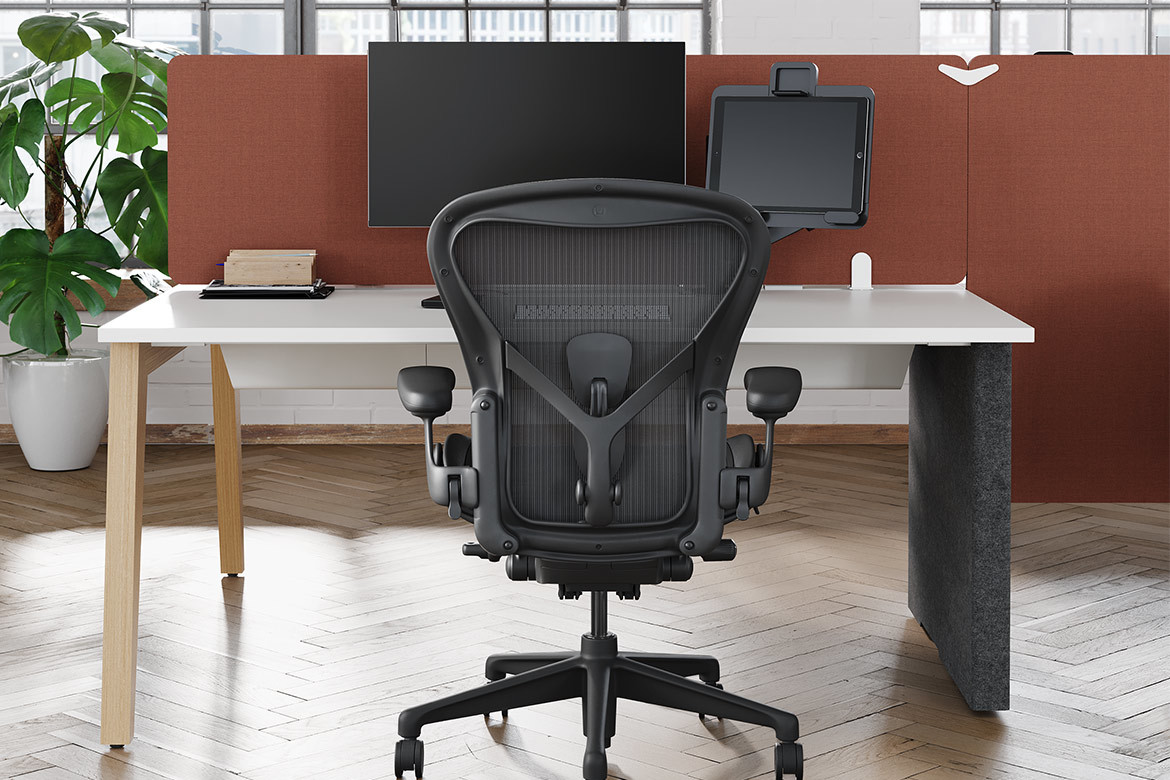
The system is grounded by a robust base framework, with the universal beams supporting the undercarriage. This basic set-up can then be augmented by a selection of legs from each of the four popular desks – ranging from the origami-inspired contour of Optimis, the adaptable understructure of Arras, the scalability of Layout and versatility of Imaginer – alongside the timeless sophistication of Sylvian, the new wooden leg option.
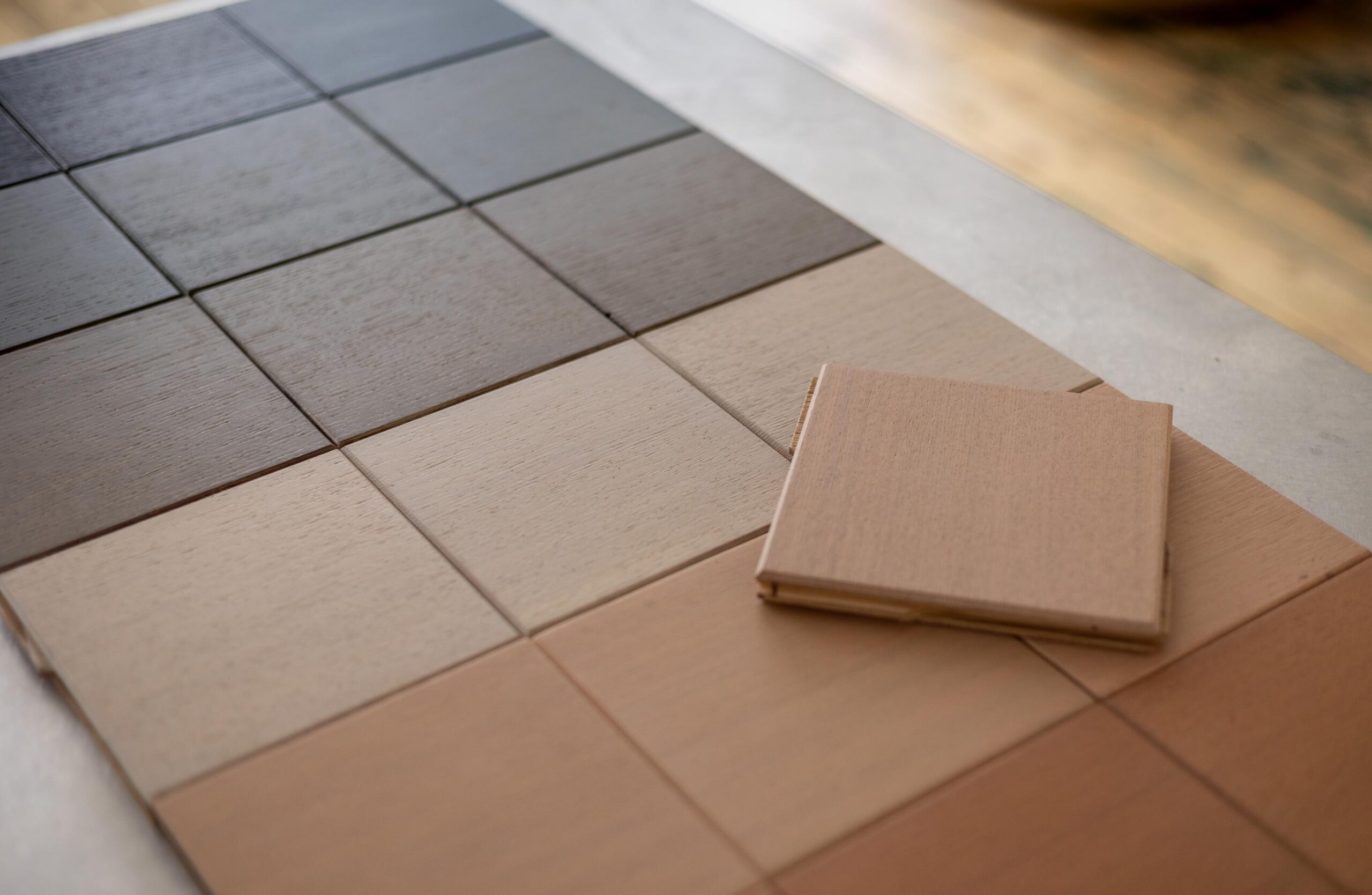
From here, designers can select a work surface from either of the four existing workstations, and incorporate a selection of elements that enable them to further tailor the desired set-up. From a carefully curated range of screens in fabric, glass or acrylic and an extensive choice of materials and finishes that embraces both the minimalist and neutral shades, alongside the saturated and energised colours, the system fuses the ability to freely cross-over between the capabilities of each of the different set-ups, with a notion of complete creative control over the smallest of details.


In addition, Byne offers the option to include a variety of other elements, such as horizontal and vertical cable management, a universal middle leg and a selection of flippers, resulting in a highly customisable and empowering spatial solution that introduces an efficient and effortless mix and match capability a modern workplace hasn’t seen before.
This unique combination of existing capability and innovative modularity enables designers to bring their complete design intent to life with ease – and at pace, as the system embraces both the flexibility of choice, and speed at which the streamlined specification process is accommodated. The notion of swiftness is further amplified with the uncomplicated installation process, reinforcing Byne’s profile as a modern solution engineered to support workplace shifts as they happen.

In responding to the growing need for customisable and modular work set-ups, Herman Miller has – yet again – developed a timely and easy to specify solution that enables designers and organisations to create highly adaptable interiors that accommodate rapid, ongoing change. The insight-led functionality and intuitive simplicity of the new system make it a specifier’s dream, and this apt example of incremental innovation also reiterates the relevance of Herman Miller’s offering in the dynamically evolving world of commercial workplaces – and highlights their unrivalled design contribution within the sector.