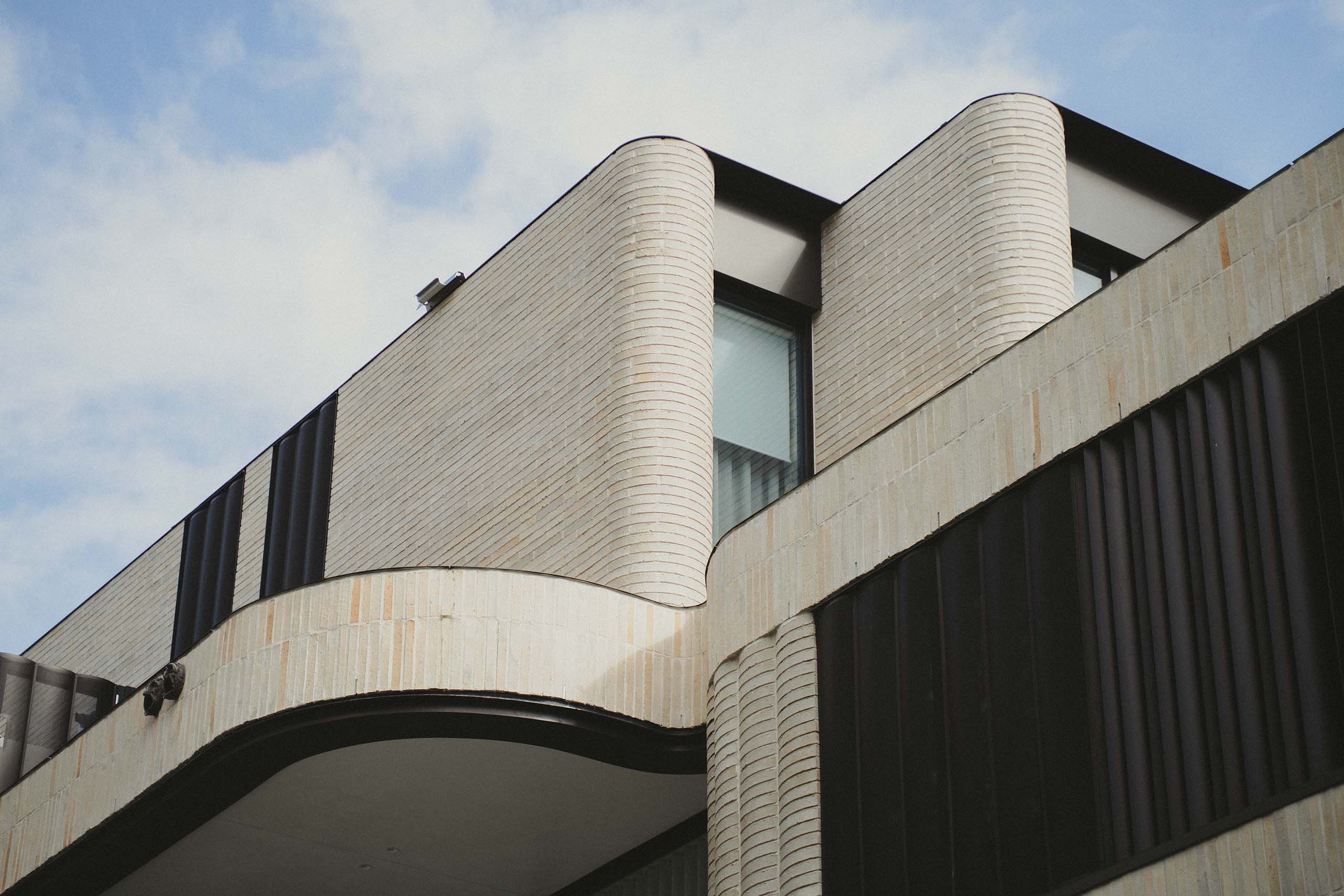
Singapore’s Building and Construction Authority (BCA) recently unveiled the Built Environment Innovation Hub marked by the introduction of a new seven-storey mid-rise Zero Energy Building (ZEB) and a new 16-storey high-rise Super Low Energy Building (SLEB) at the BCA Braddell Campus.
New Green Mark certified buildings
With a total gross floor area of 27,600 square metres, the facilities are the first in Singapore to integrate Mass Engineered Timber (MET), Advanced Precast Concrete System (APCS) and Prefabricated Prefinished Volumetric Construction (PPVC) technologies at the same site. This approach yielded up to 80 per cent reduction in onsite manpower and 15 per cent productivity gain.
The buildings are also one of the tallest mid-rise ZEB and high-rise SLEB buildings in Singapore with energy savings expecting to exceed the Green Mark 2015 baseline despite housing commercial offices and research laboratories with power-hungry equipment. Key sustainability strategies include placement of non-air-conditioned ventilated common spaces on lower floors to create a stack effect, use of materials with high thermal resistance, extensive use of passive displacement ventilation, installation of high-efficiency photovoltaic panels on the ZEB roof and implementation of an Integrated Building Management System (IBMS).
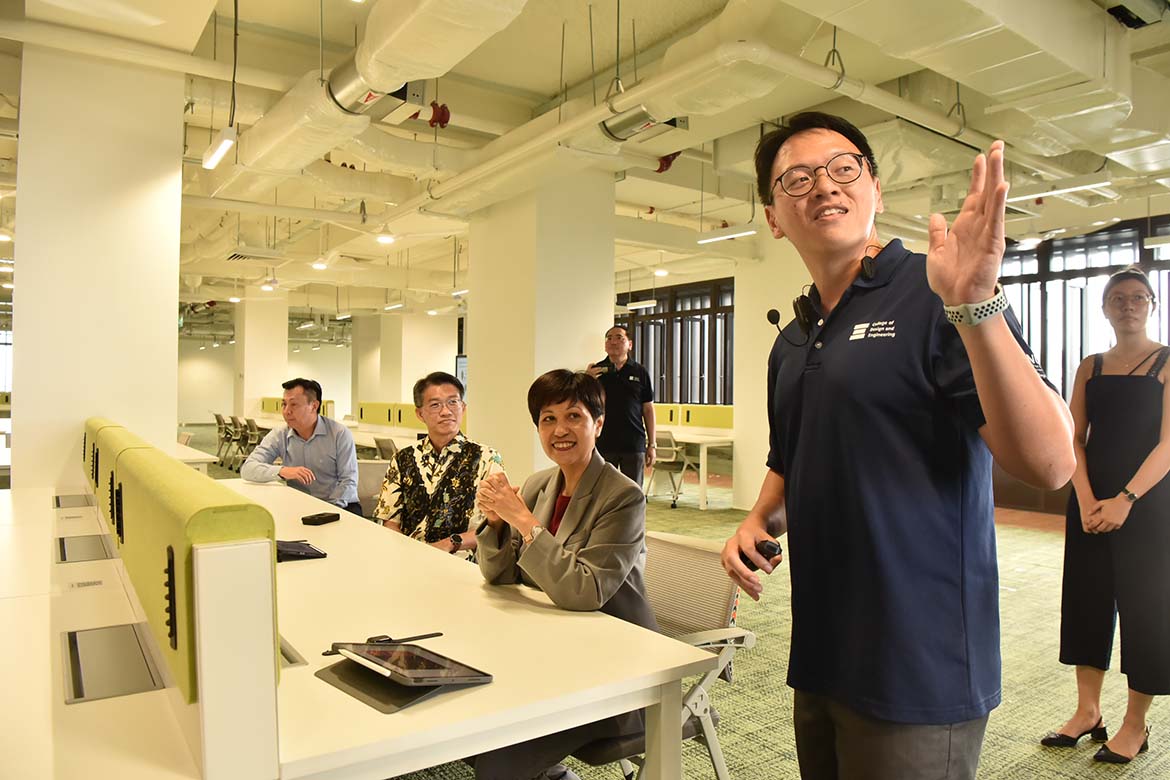
At the launch officiated by Ms Indranee Rajah, Minister, Prime Minister’s Office, Second Minister for Finance and Second Minister for National Development, she underscored the repositioning of the campus as the Built Environment Innovation Hub following the completion of these two buildings that exemplify innovation and technology.

A living laboratory
Serving as a lab for research collaborators and firms to testbed solutions, the Built Environment Innovation Hub houses the novel mixed mode ventilation solution developed by BCA, the National University of Singapore (NUS), Singapore Institute of Technology (SIT), Kajima Corporation, and Surbana Jurong Consultants. The team achieved 55 per cent cooling energy reduction in a 45-square-metre test bed during proof-of-concept stage, compared to a similar office located at NUS’s net-zero energy building, SDE4. A full-scale demonstration is set to commence in January 2024 at the office of Azendian Solutions located on the 14th floor of SLEB. The built environment energy efficient software company will gather data and collaborate with project stakeholders to fine-tune the design.
Advancing learning and networking
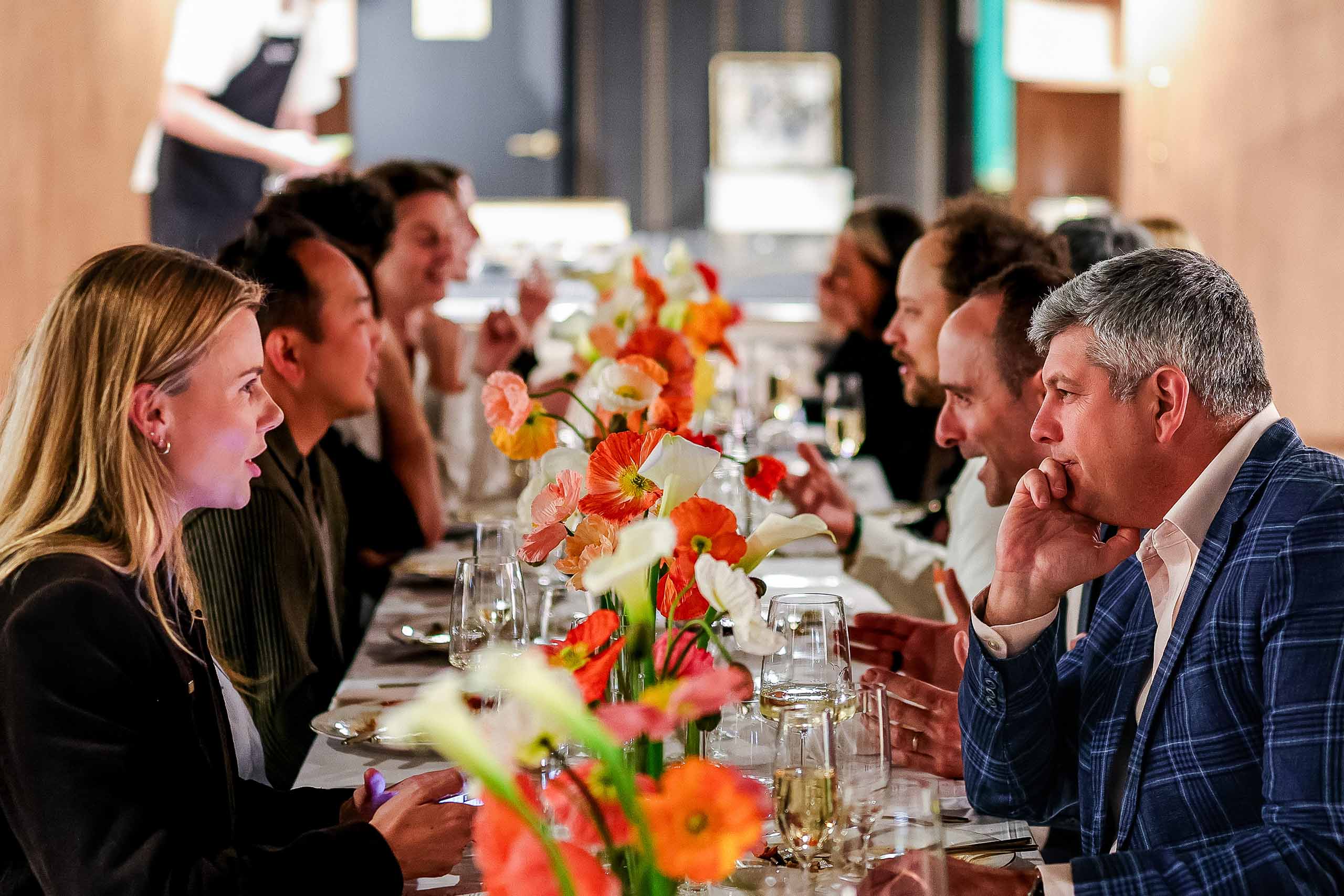
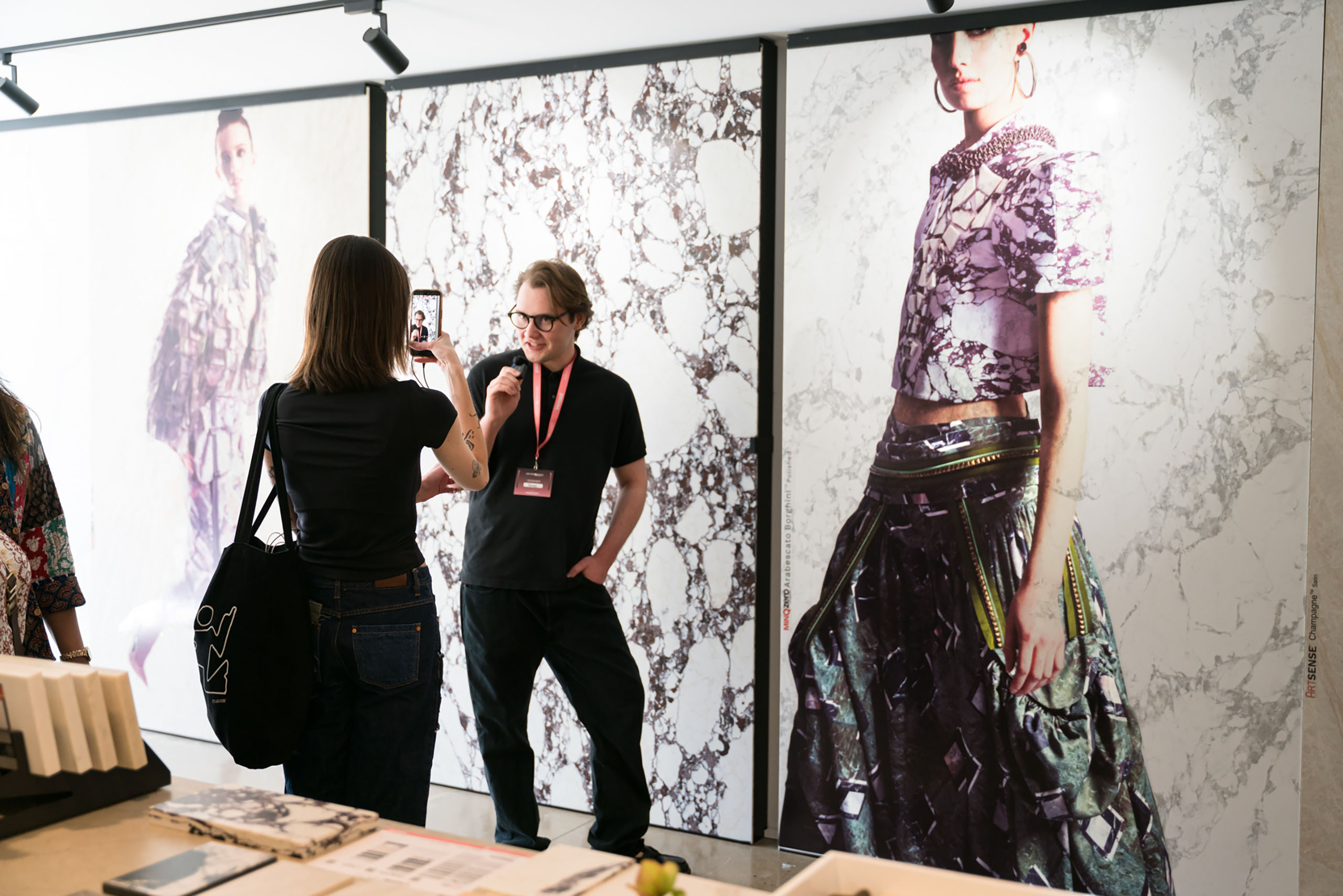
Besides being a laboratory for research, the Built Environment Innovation Hub facilitates technology exchange through curated networking sessions that align with the Built Environment Industry Transformation Map (BE ITM). This initiative began in October 2022 and has since connected over 300 local and international stakeholders, industry partners and solution providers to explore strategies on deploying innovative solutions across the region.