Session Synopsis
By any measure, the built environment represents a significant part of the climate change problem. Given that global construction and its associated materials are responsible for more than 55% of global carbon emissions, it will also need to be a major part of the solution.
According to the World Green Building Council, if the sector is to play its part and help limit global warming to 1.5°C, by 2030 all new buildings, infrastructure and renovations will need to be completed with at least 40% less embodied carbon compared to business as usual; and by 2050 they will need to be completed with net-zero embodied carbon.
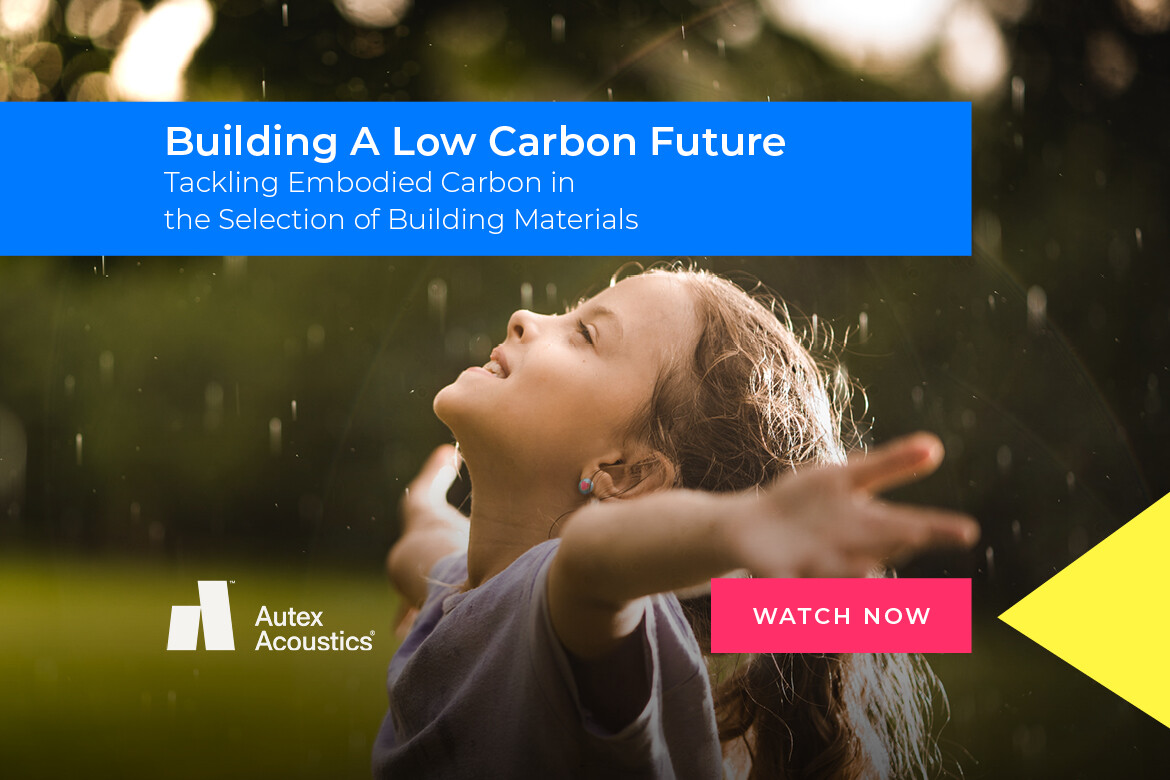
Titled ‘Building a Low Carbon Future – Tackling Embodied Carbon in the selection of building materials’, this CPD Live session is intended to explain how these targets can be achieved through specification. Beginning by defining the terms ‘Operational Carbon’ and ‘Embodied Carbon’, our speakers outline the role architects and designers can play in designing for net zero.
By the end of this session, you should be able to:
- Identify the potential impacts of climate change, the targets in place to limit its damage, and degree to which the building sector is part of the problem
- Define the terms ‘operational carbon’ and ‘embodied carbon’ as they apply to the built environment and explain the significance of embodied carbon over the lifecycle of a building
- Outline how carbon offsetting works and explain the difference between carbon neutral, carbon negative, and net zero.
- Identify ways for designers to design for net-zero by 2050