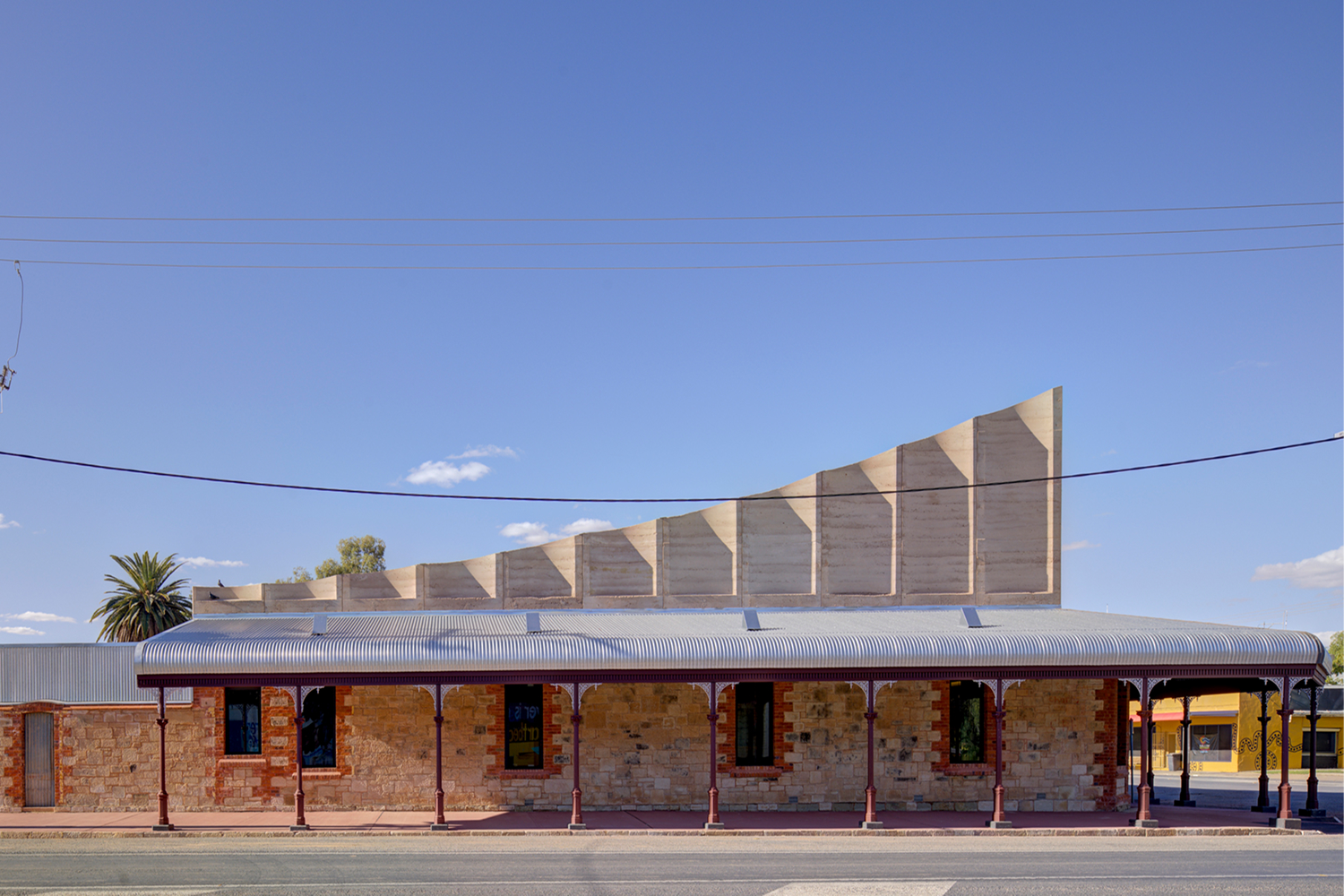
In the remote town of Wilcannia, on Barkandji Country in far western New South Wales, the Baaka Cultural and Art Centre demonstrates how architecture can become a powerful vehicle for cultural continuity. Designed by Kaunitz Yeung Architecture in collaboration with the Barkandji community, the project transforms the fire-damaged remains of a historic store into a vibrant environment for learning, making and gathering. More than an exercise in adaptive reuse, it is a place where the past and present come together to support future generations.
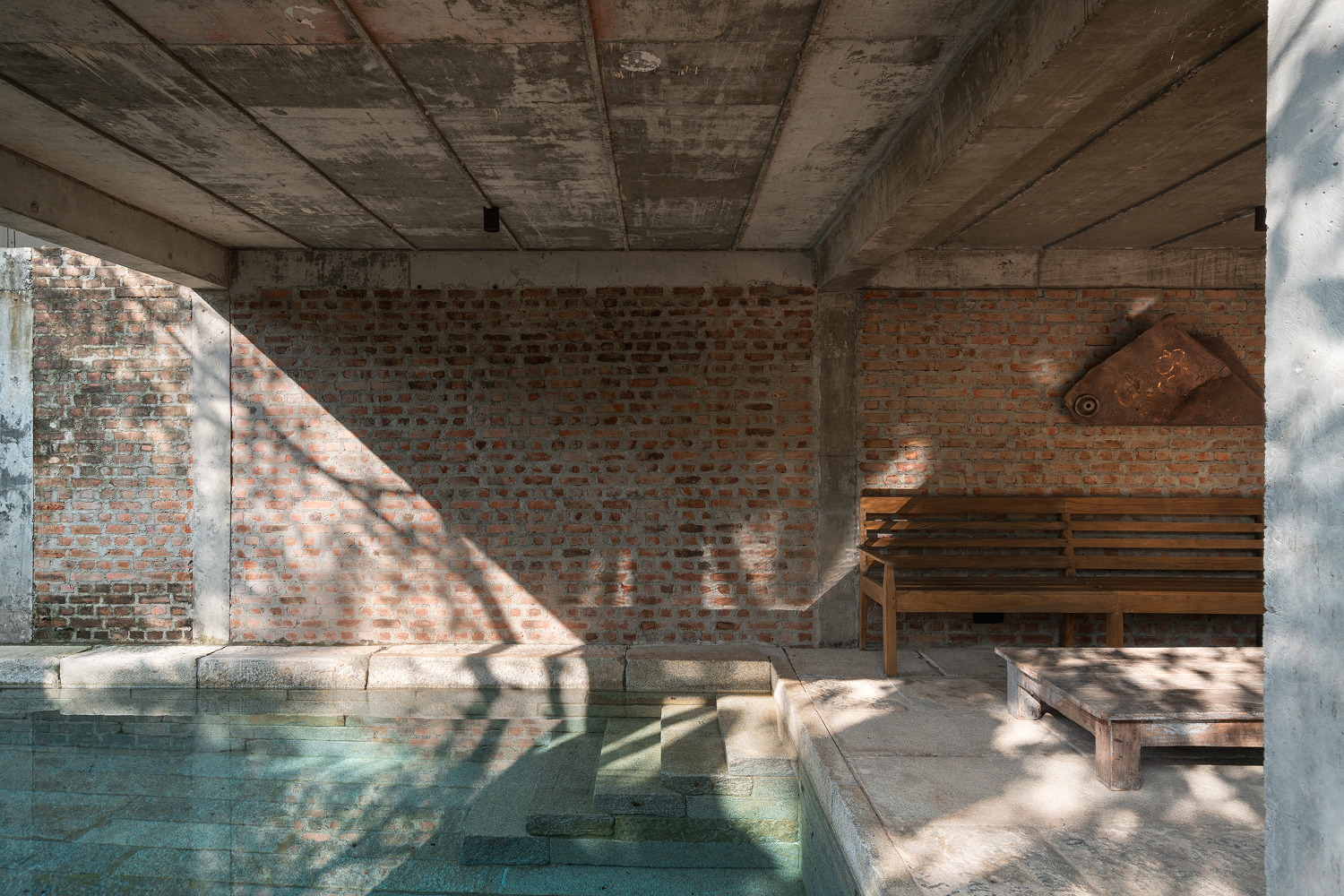
At the heart of the project is a thoughtful dialogue between heritage and contemporary design. The surviving stone walls of the former Knox and Downs store have been carefully retained and stabilised, preserving an important layer of Wilcannia’s built history. Alongside these historic remnants, new rammed earth structures constructed using soil sourced near the site establish a material connection to the surrounding landscape. The contrast between old and new is both deliberate and complementary, creating an architecture that acknowledges the site’s history while responding to its evolving cultural purpose.
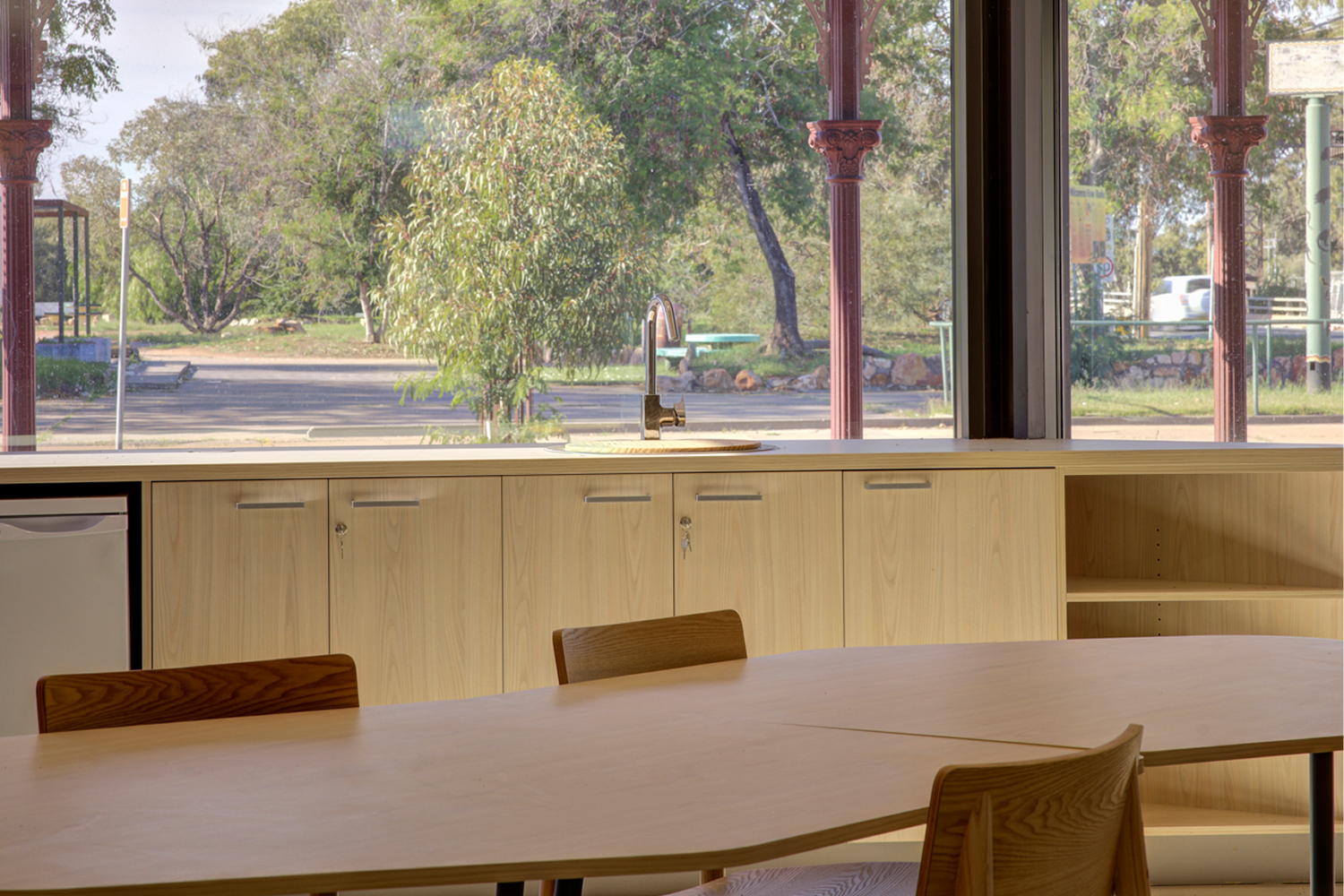
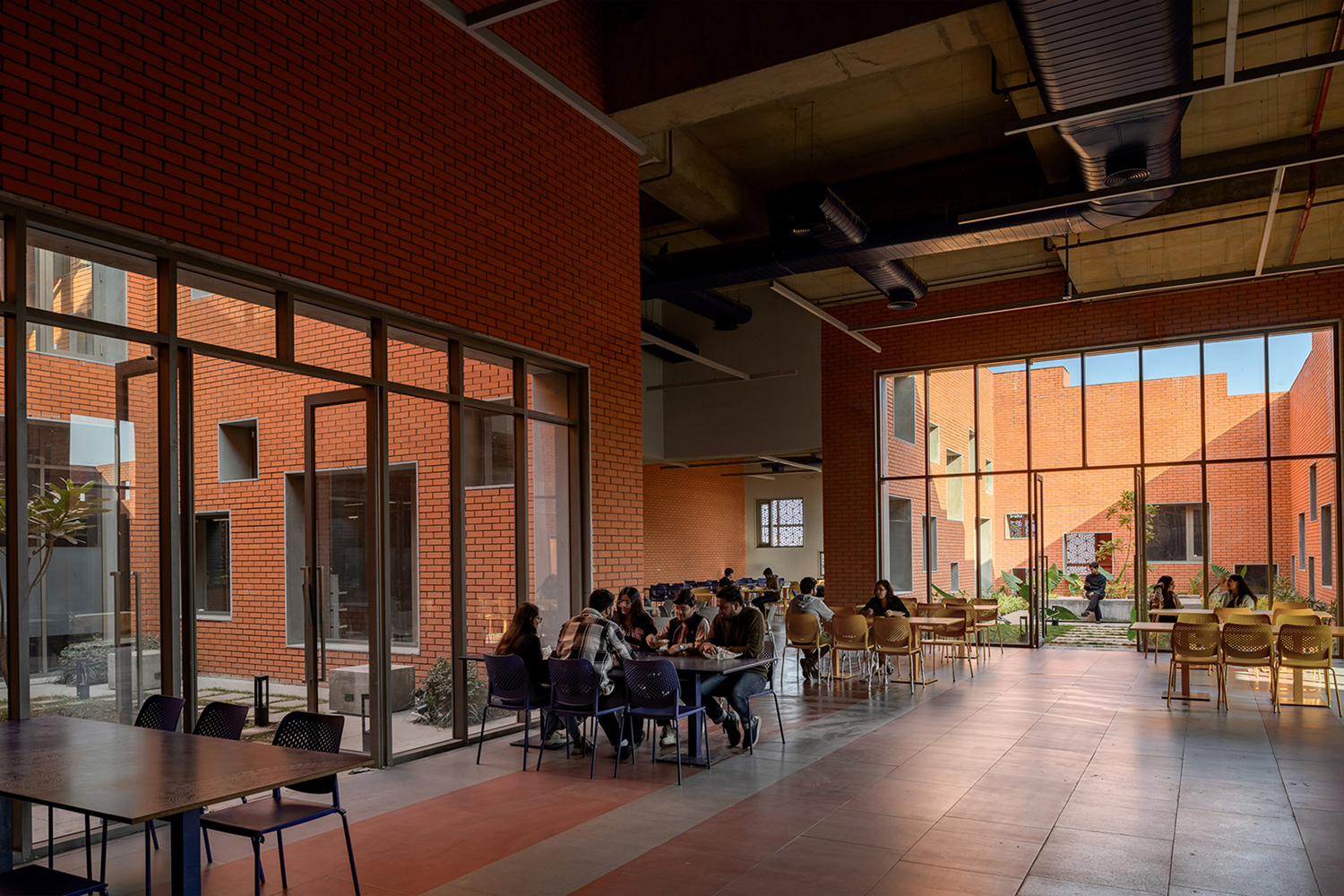
Throughout the centre, Kaunitz Yeung Architecture has embraced the importance of spaces that encourage different forms of learning and interaction. Verandas, courtyards and shaded outdoor areas establish a fluid relationship between inside and outside, offering places for both organised activities and spontaneous exchange. Rather than confining education to conventional classrooms, the design recognises that knowledge can be shared through conversation, storytelling, creative practice and simply spending time together.
This understanding is reflected in the centre’s diverse program. A dedicated Keeping Place supports the care and return of cultural artefacts, while galleries, exhibition areas, artists’ workshops and language learning rooms provide opportunities for cultural expression and intergenerational exchange. For local young people, these spaces offer meaningful connections to Barkandji knowledge and identity. For visitors, they provide opportunities to engage with the stories, creative practices and cultural significance of the Baaka River landscape.
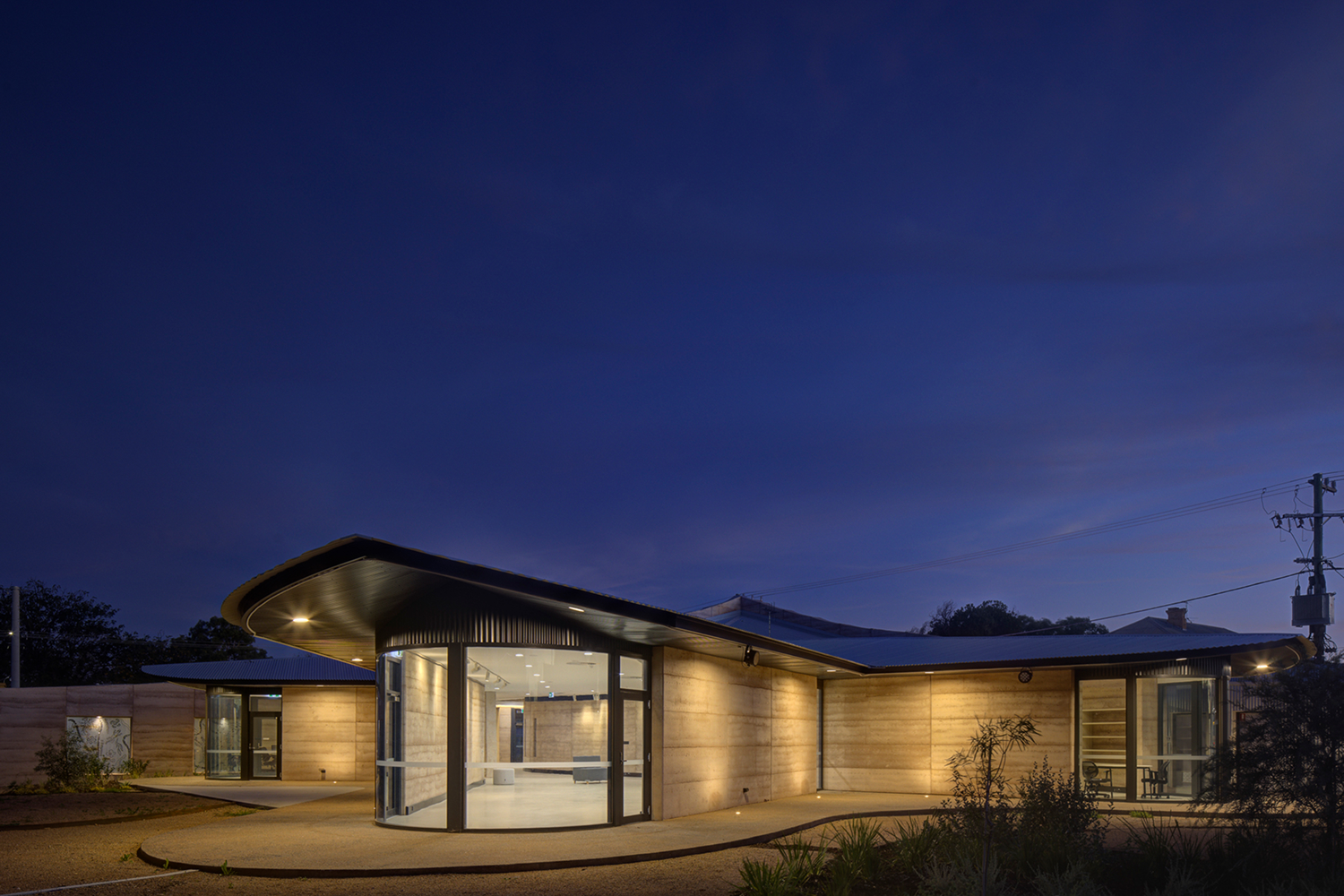
What distinguishes the Baaka Cultural and Art Centre is the way its architectural response supports a wider cultural purpose. Through its materiality, spatial organisation and collaborative development, the project positions learning as an ongoing exchange between people, place and generations. It demonstrates the potential of architecture and design to support cultural knowledge while creating spaces that remain relevant to community life.
Recognised as a joint The Learning Space Winner at the INDE.Awards 2026, proudly partnered by Autex Acoustics, Baaka Cultural and Art Centre exemplifies the socially and culturally responsive architecture celebrated by the awards. As the INDE.Awards marked a decade of recognising outstanding architecture and design across the Indo-Pacific, Kaunitz Yeung Architecture’s project offered a compelling reminder that meaningful learning environments extend far beyond the classroom.
Photography:
Brett Boardman