The home of architecture and design in the Asia-Pacific
Get the latest design news direct to your inbox!

Get the latest design news direct to your inbox!
In its fifth year, Singapore Good Design Mark (SG Mark) bestowed accolades to a total of 71 design projects from diverse categories both old and new. Here are 10 that have caught our eyes.

April 6th, 2018
“Good design is alive and constantly evolving,” says President of Design Business Chamber Singapore (DBCS) Andrew Pang. He adds, “It is responsive, open to the changing environment and brings imagination to bear. Put design, business strategy and technology into the mix and that’s when you turn everyday life into something human-centred, sustainable, and transformative.”
Established in 2013 by DBCS with the support of DesignSingapore Council, the Singapore Good Design Mark (SG Mark) has awarded a sign of distinction upon more than 270 products and solutions from diverse categories. A total of 71 of the winning designs were crowned this year.
Here are 10 that caught our eyes:
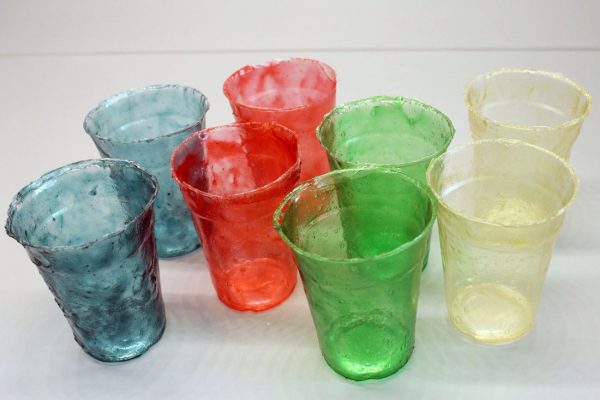
Designed by Javier Gomez Fernandez and Stylianos Dritsas from SUTD-MIT International Design Centre, Shrlik is a transparent, biodegradable material with a strength comparable to that of aluminium alloys, but at half of their density. Made with silk proteins and waste materials from the fishing industry, Shrilk is considered as one of the most important advancements for sustainable development in the last decade. The material’s applications are currently being explored in diverse industries, including food packing and robotics.
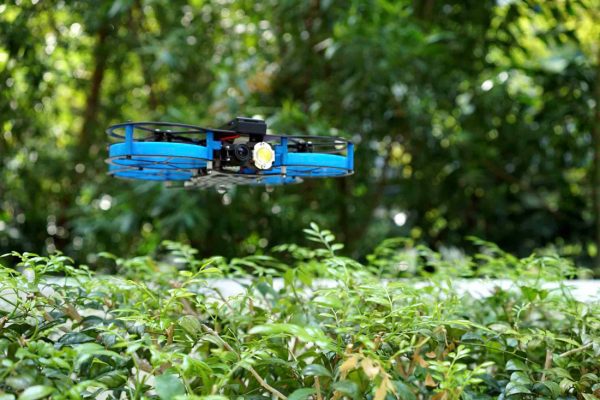
A joint project of SUTD-MIT International Design Centre and National Parks Board (NParks), TIM is a lightweight and low-risk unmanned aerial system platform that aims to make tree inspections safer, more efficient and friendly to both users and the public. It has been tested by NParks for rapid tree inspections.
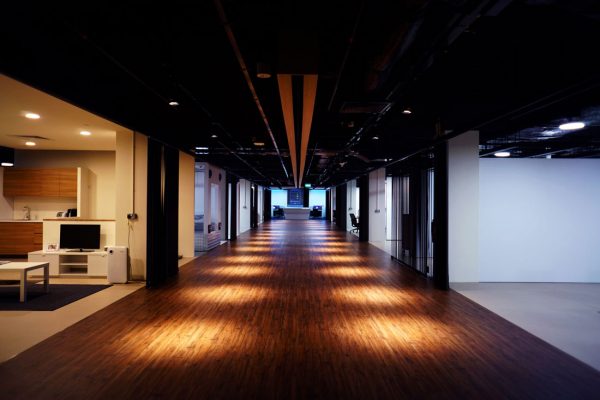
Designed by Philips Design, Health Continuum Space is a 1,028-square-metre-space within the Philips Innovation Centre that serves a prototyping lab for multiple clinical situations. The facility comprises 12 fully reconfigurable home-to-hospital clinical environments that can simulate the entire patient journey across the health continuum – from healthy home living, diagnosis and treatment to recovery and home monitoring.
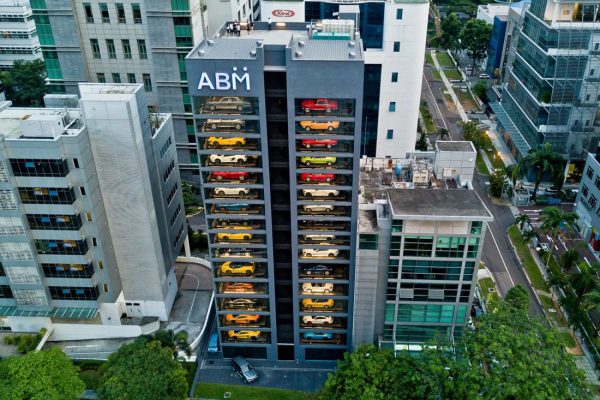
Designed by Gary Hong of Autobahn Motors Singapore, the Car Vending Machine is a car showroom inspired by matchbox car display racks. It displays the vehicles vertically and allows customers to make their selection with a touch of a button. The selected car will be ‘dispensed’ and appear on a turntable for inspection.
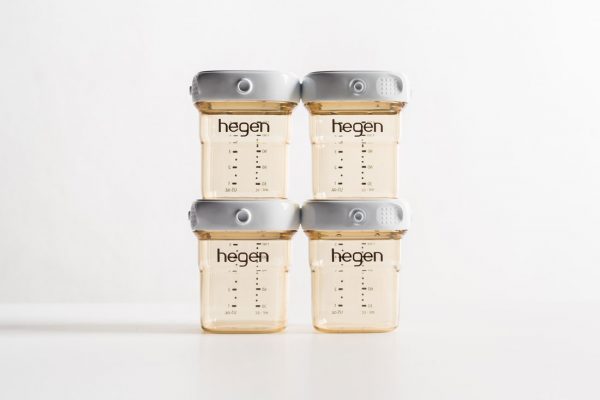
Designed by Hegen and designer Yvon Bock of Fitson Singapore, this container features Hegen’s (patent pending) no screw-thread, one hand closure that does away with a twist cap. By simply swapping between the bottle’s feeding head, storage lid and breast pump, nursing mothers can store and feed their babies with minimal hassle.
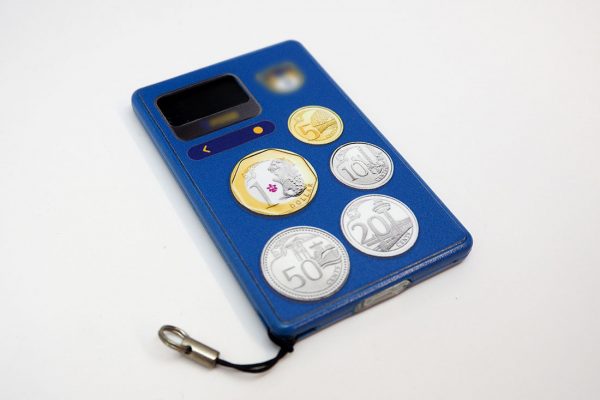
Designed by Ring Theory and a team from SUTD-MIT International Design Centre, Pocket Money is a pocket-size digital wallet, payment card, savings account all packaged neatly with a user interface that unified the elements of coin, card and mobile payment. It aims to teach students of financial literacy while preserving their appreciation of the value of money even as they move into digital payments.
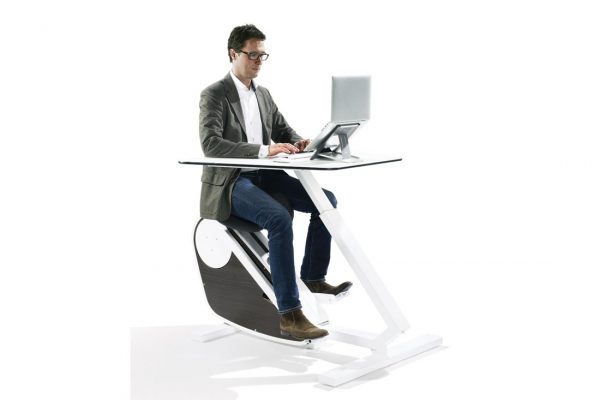
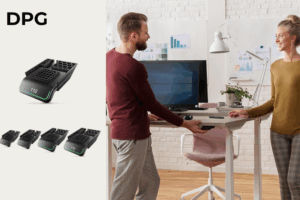
If Oxidesk appears like a hybrid between office furniture and hi-tech gym equipment, it’s because, in a way, it is. Designed by Markant Office, Oxidesk is a flexible workstation that allows you to work while engaging in light exercise. The design enables users to keep their upper body still while moving their legs, stimulating blood flow and preventing back problems.
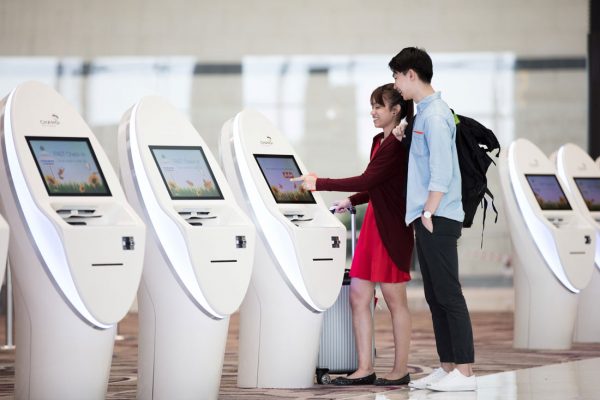
An entry submitted by the Changi Airport Group Singapore, Changi T4 provides a travel experience centred on passengers. The design aims to empower travellers with automated machines and gates. It also aims to transform the mundane security screening process into a theatrical experience that connects them with Singapore Heritage.
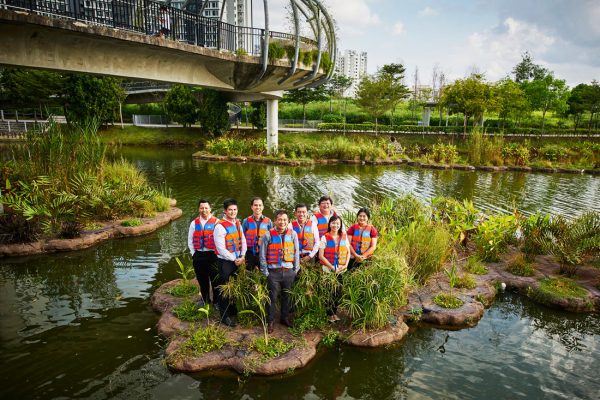
Designed by Vincent Lim Han of Housing and Development Board (HDB), the Innovative Floating Wetlands And Freshwater-Tolerant Mangroves was one of the strategies employed by the HDB to enhance the waterway greenery and biodiversity of the Punggol Eco-town development.
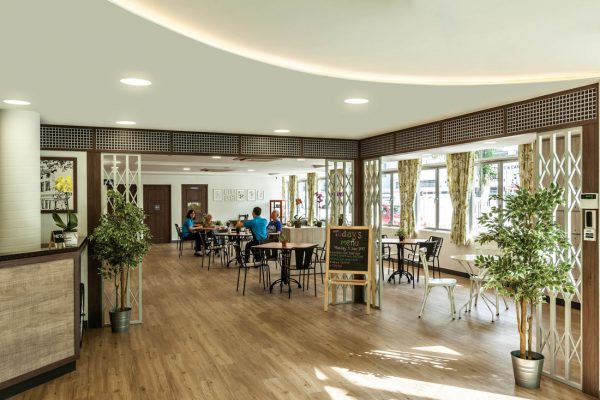
Designed by interior firm D’Perception Ritz, the eldercare centre features bright, airy spaces with access to greenery and natural colour palette to create a positive impact on the health of its users.
The 71 winners of SG Mark 2018 are currently being showcased at Changi Airport T4 until 8 April 2018. Top winners of SG Mark 2018 will be announced at the DBCS Awards Night & Gala Dinner on 10 May 2018.
INDESIGN is on instagram
Follow @indesignlive
A searchable and comprehensive guide for specifying leading products and their suppliers
Keep up to date with the latest and greatest from our industry BFF's!
The internet never sleeps! Here's the stuff you might have missed