The home of architecture and design in the Asia-Pacific
Get the latest design news direct to your inbox!

Get the latest design news direct to your inbox!
Whether used for indoor or outdoor environments, LAPITEC sintered stone offers unparallel design flexibility.

March 8th, 2023
Often, it’s a challenge for designers, architects and homeowners to source for a sustainable material that provides limitless application options while conveying sophistication at the same time. But this is a thing of the past with LAPITEC – the world’s only certified sintered stone – in which years of research have led to 25 patents.
LAPITEC sintered stone, made of a hundred per cent natural minerals, is a full-bodied material with design that carries through the entire body of the material. This, plus its large format slabs measuring 3,440 millimetres by 1,540 millimetres make it a popular choice amongst designers to reinterpret the material in however they deemed suitable for their projects. Here are five unique applications in which Lapitec sintered stone can be used.
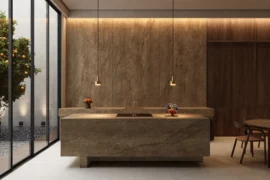
Highly resistant to heat, temperature, moisture, stain and scratch, LAPITEC is one of the best materials for kitchen countertops. The natural composition of the sintered stone, free of resins and petroleum derivatives makes it suitable for direct contact with food. Thanks to its NSF Food Zone certification, one can have peace of mind using LAPITEC surface to knead dough. Not to mention, it can be easily engraved, cut and milled to create drainage grooves and integrate flush-mount sinks.

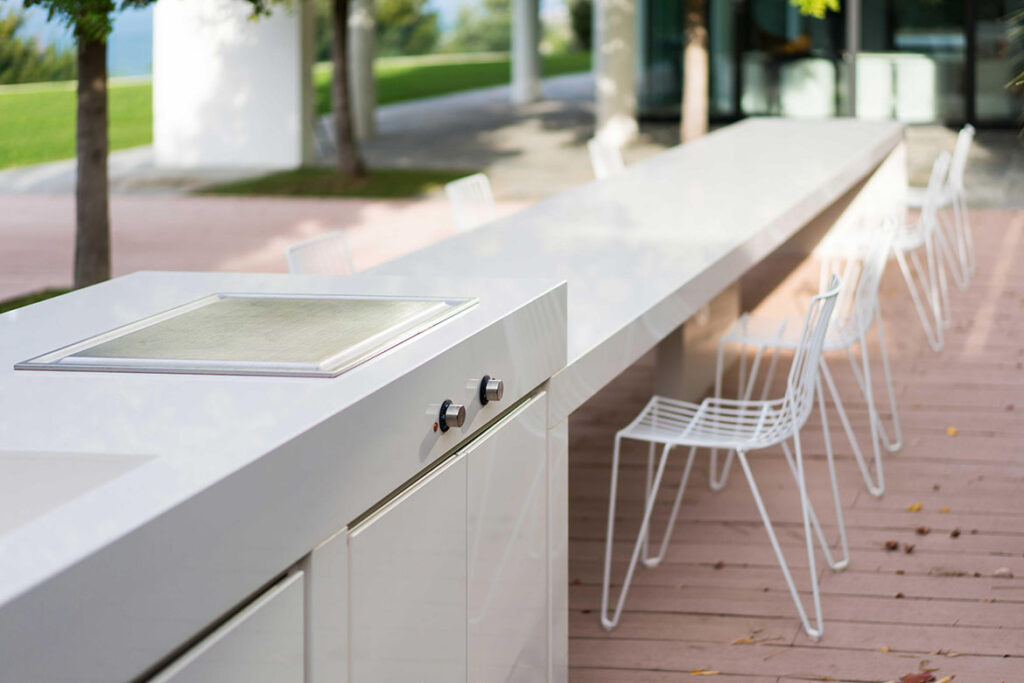
LAPITEC sintered stone only requires minimum maintenance and guarantees maximum levels of hygiene. Free of resin and resistant to UV rays, it is perfect for outdoor kitchen worktops and barbecue areas as the colour of the material will not fade when exposed to sun. For a cohesive design language, there’s no need to purchase a standalone barbecue grill as it can be integrated with the worktop just like an indoor kitchen.
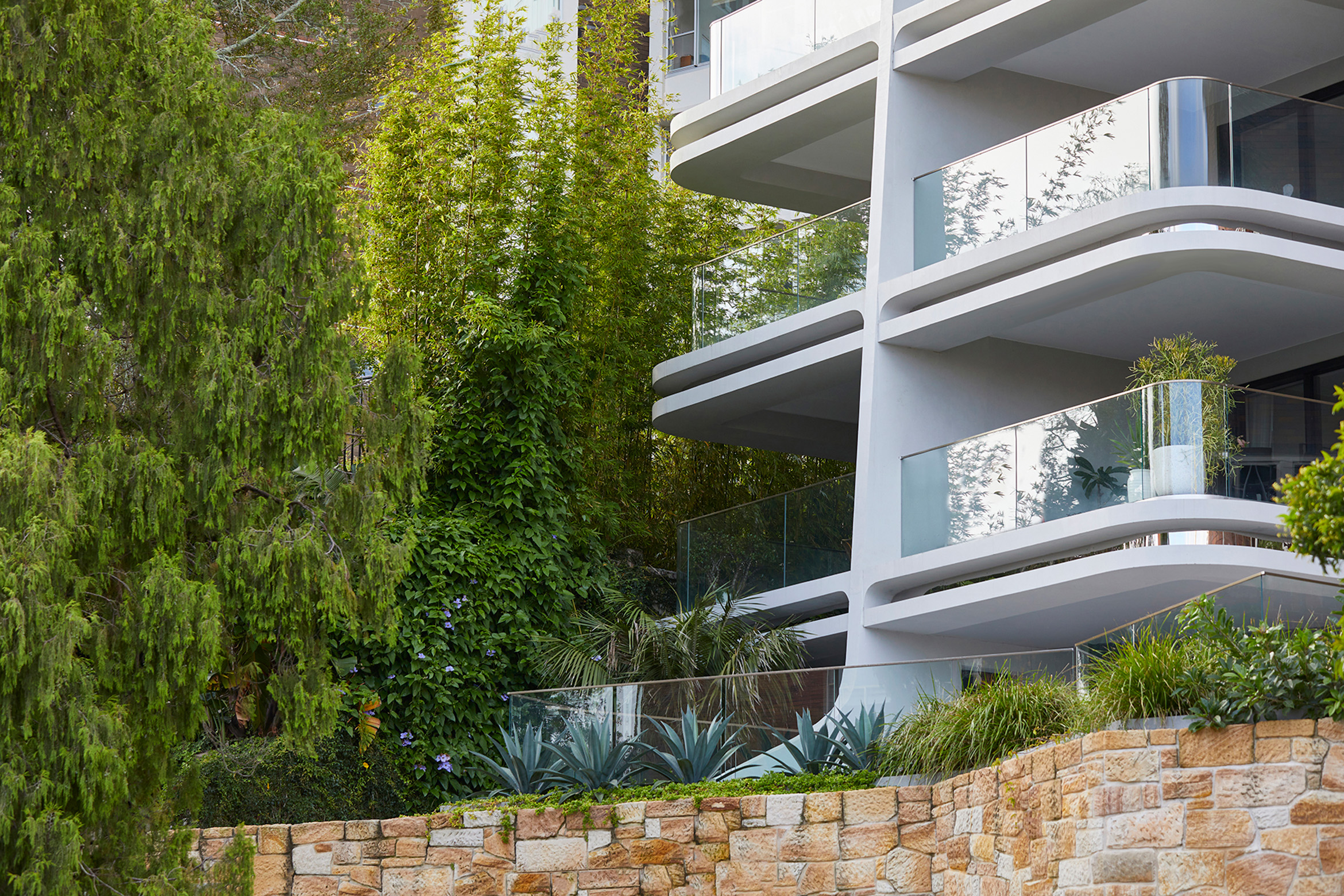
The large format slabs offer the technical performance and aesthetic that appeal to design professionals. Their generous dimensions are ideal for use as facade cladding, which can be effectively cut and worked in different ways to offer greater design flexibility. When used for ventilated facades, they guarantee structural stability and lower the building’s internal temperature by reflecting heat. Thanks to LAPITEC’s high resistance to extreme temperature, wind and adverse weather conditions, the material makes for a perfect glass substitute along continuous wall.

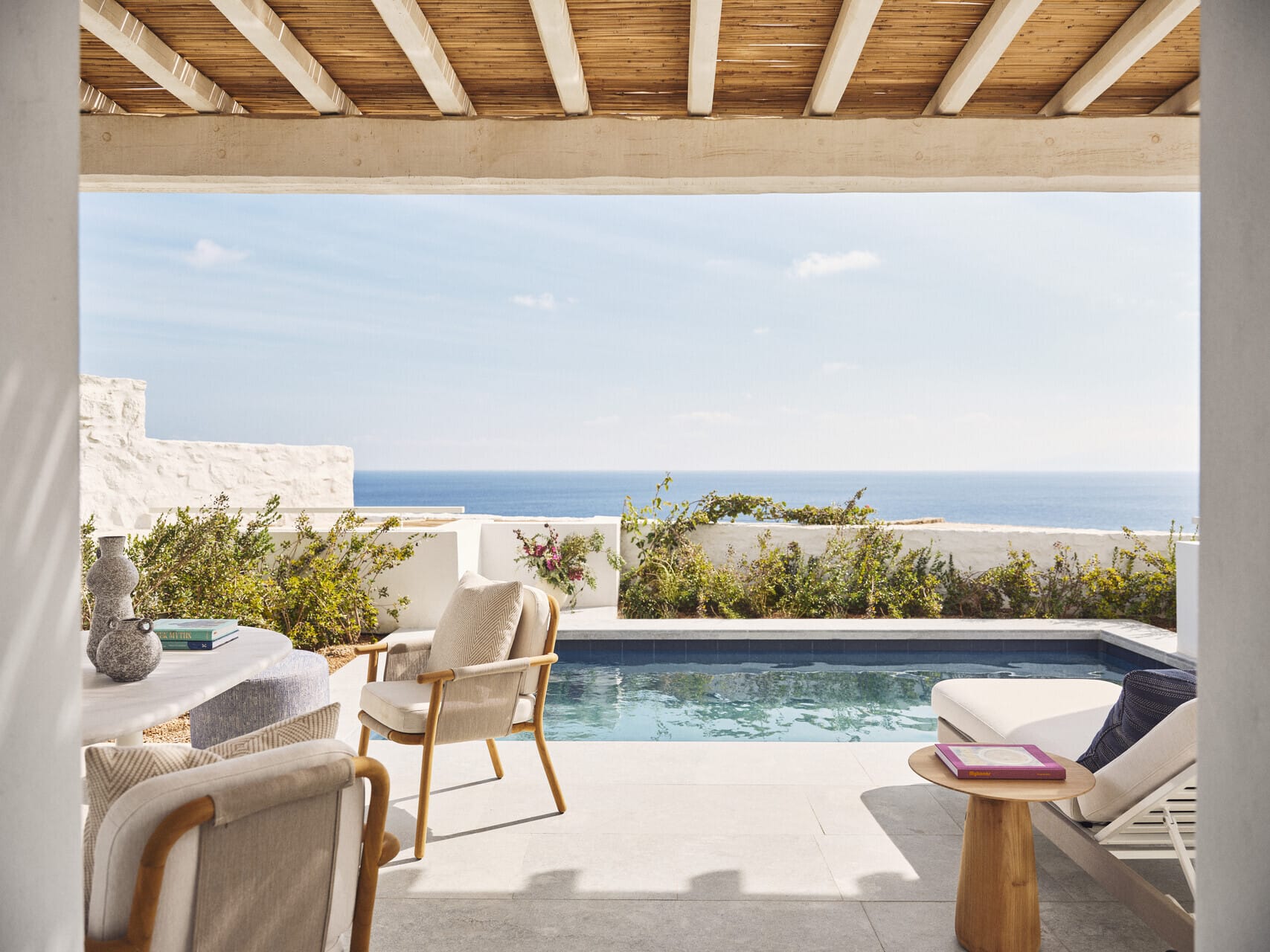
Thanks to LAPITEC’s non-slip performance offered by the most structured finishes, this material is perfect for cladding both indoor and outdoor pools, as well as for the paving around the swimming pool itself. The sintered stone is also resistant to chemicals, acids and bases; therefore ideal for prolonged contact with water, even with chlorine added.

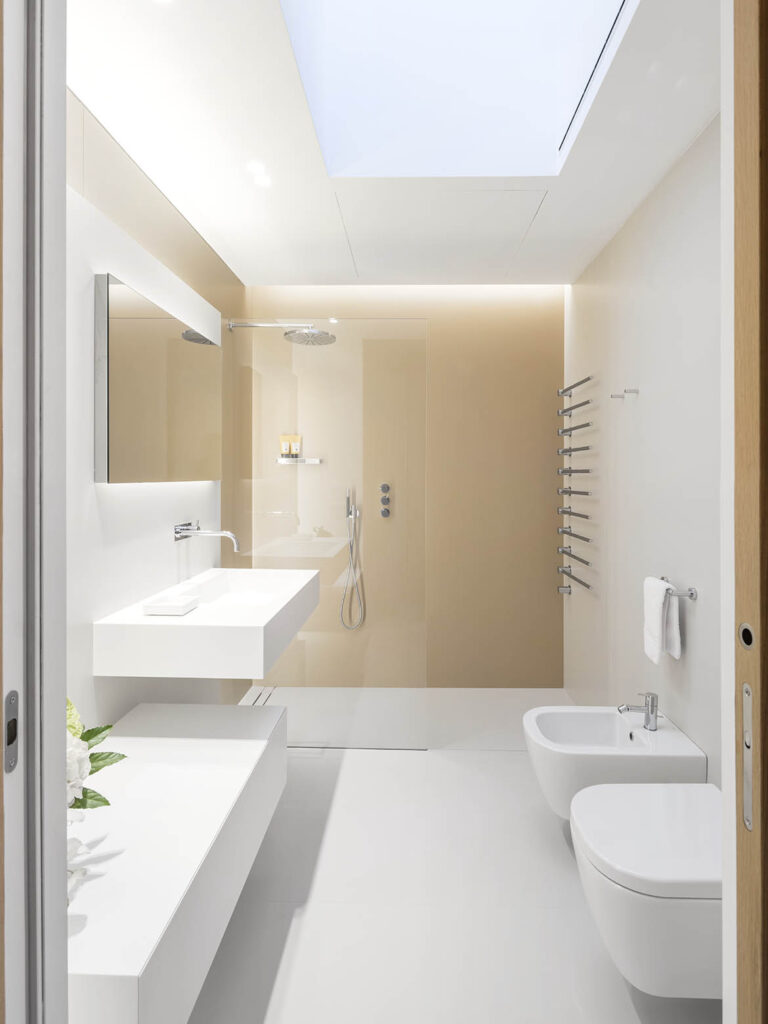
Likewise, the superb aesthetics and technical qualities of LAPITEC make it a practical choice in the bathroom. Sintered stone is in fact non-porous, making it inhospitable to dirt and mould. The large format surface also ensures minimal grout lines, making it easy to clean. Applications in the bathroom include wall and floor cladding, shower tray, and vanity top.
In Singapore, LAPITEC sintered stone is available at Hafary.
INDESIGN is on instagram
Follow @indesignlive
A searchable and comprehensive guide for specifying leading products and their suppliers
Keep up to date with the latest and greatest from our industry BFF's!
The internet never sleeps! Here's the stuff you might have missed