A set of technical design and construction provisions, the National Construction Code (NCC) sets out standards relating to the safety, health, amenity, accessibility, and sustainability of Australian buildings. A comprehensive set of regulations, it covers everything from the specification of walling systems to thermal efficiency and plumbing.
Despite this thoroughness – and despite the fact that specifiers should definitely comply with all its regulations – the NCC is by no means perfect. Following its requirements does not necessarily mean you have delivered an excellent building.
One of the reasons for this – and one of the keys to understanding the NCC – is to remember that it only sets minimum standards. The problem with the way many in the construction sector approach the NCC is that they assume that minimum is good enough.
Faced with the need to increase margins and deliver projects on schedule, they stop at the minimum even though this does not equate to best practice.

The perils of ‘chasing the minimum’
While the risks associated with this approach apply to all aspects of construction, they are particularly relevant to plumbing.
Take waterproofing as an example. While the code stipulates that waterproofing must be applied 150mm around all wall penetrations, completely waterproofing wet walls is the better option. Taking this approach is not just more effective, but more cost-effective.
While it may require more waterproofing material, it is frequently simpler and faster. The extra material required is offset by time saved and the possibility of error is reduced. On top of this, exceeding the code delivers flexibility. It opens opportunities to improve functionality and explore other design options.
The benefits of going beyond the code
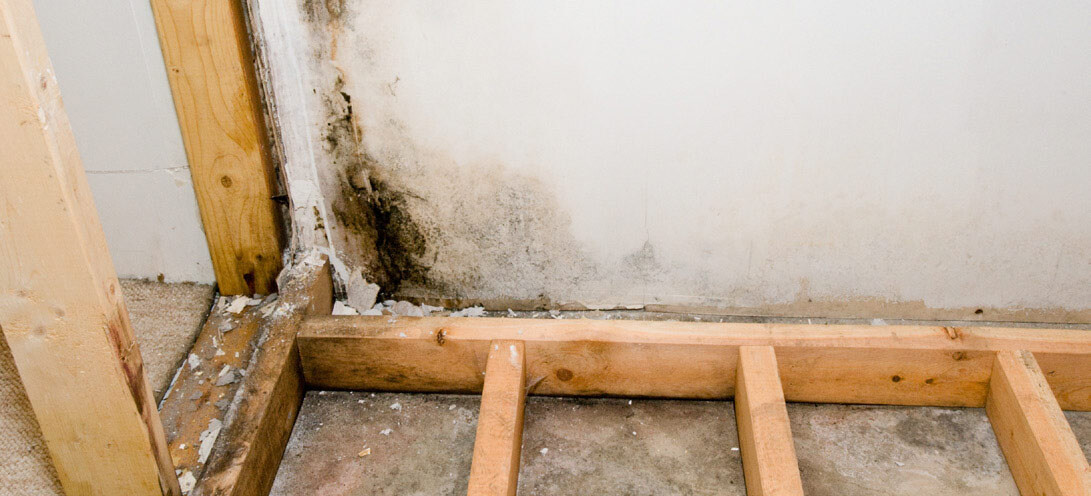
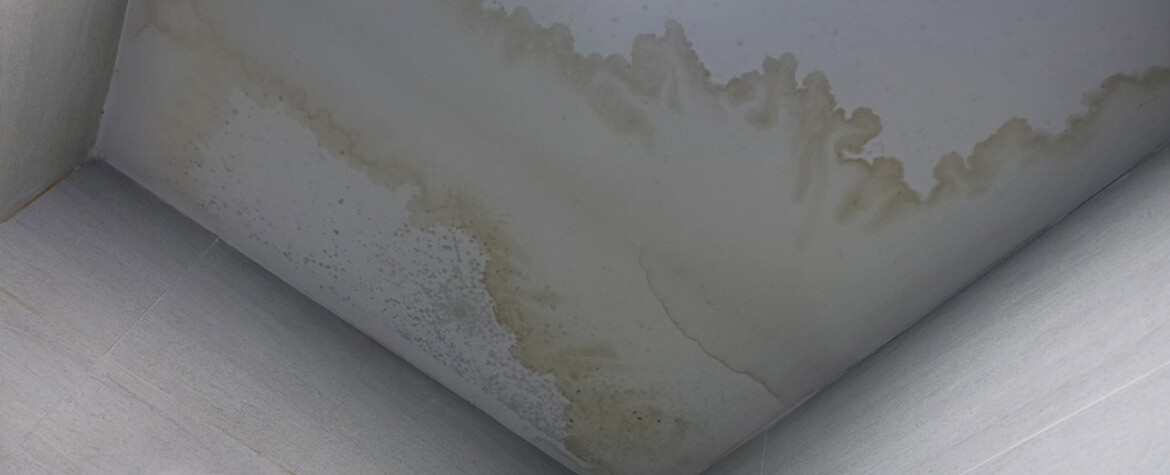
However, the most compelling reason to go beyond the code is that it is more likely to deliver a finished building that is fit for purpose and without defects. The simple fact is, damage resulting from waterproofing failures can lead to serious building issues that affect the life of the structure as well as the wellbeing of its occupants for years to come.
Choosing to go beyond the code and applying waterproofing membrane completely to wet walls reduces the possibility of water penetration, now and well into the future. While it may involve higher costs in the design and construction stages of construction project, these are offset by operational benefits, maintenance savings, increased property values, and more.

Stormtech, an organisation with over 30 years of experience in the field of architectural drainage, designs all its products to exceed minimum requirements of both the Australian standards and the NCC. Find out more about Stormtech here.