Architectus makes a home in Canberra
Published

Having opened a Canberra studio in 2024, Associate Principal and Canberra Studio Leader Alex Lawlor tells us how things are going in the capital.
Indesignlive: What led to the decision to set up in Canberra?
Alex Lawlor: We have a number of significant projects here, such as the Canberra Theatre redevelopment and the Telstra Tower, as well as several smaller but important master planning, urban design and heritage projects. With this critical mass, it seemed like the right time to formalise the Studio.


What are some of the project highlights and learning points that you’ve had in Canberra?
What we love about Canberra is the way that the city is imbued with elements of the natural environment – the hills are never far from view and the green corridors are really important, like the lungs of the city.
The redevelopment of the Canberra Theatre Centre and the Telstra Tower are iconic, city-shaping projects that will help renew and activate what Canberra has to offer. We love the opportunity to revitalise these buildings which are so important to the community, and to a national memory of visiting Canberra. I still have memories of the Telstra Tower from my Year 6 school trip!

How might practising in Canberra be different to other cities in Australia?
Canberra has a unique heritage which needs to be both respected and allowed to evolve so that the city can grow and flex to meet new uses and challenges. We want to see how mixed, and hybrid uses can really activate the city; and what a zero or low carbon approach means for adaptive reuse of the amazing mid-century legacy of Canberra.

Will your team be excited to engage with the unique history of Canberra as a planned city?
Funny you should mention it – our 2024 Architectus Design Charrette, now in its 16th year, focused on Canberra, particularly the City West End. This is a blue-sky, design sprint where our staff from around Australia and New Zealand can play around with innovative solutions to precinct scale opportunities. There are usually some thought-provoking suggestions that push the boundaries and liven the debate.
We won’t have the outcomes until later on so I can’t predict what will come out of it but if you have a look at our website, you can see what we’ve done in previous years – lots of hard work and a lot of fun too.
Related: Lessons from working in a planned city

Do you have any feelings or expectations about what has/not worked well in Canberra in terms of its planned history?
What strikes me is that we haven’t yet ‘grown in’ to the original grand gestures and vision for the city. It’s like when you’re a kid trying on your parent’s clothes.
We have the scale of cities like Paris and Washington DC but with less than one-tenth of the population, or less than 3 per cent in the case of Paris. So, while it looks great from an aerial perspective, how do I experience the urban realm, what is keeping me engaged, how do I cross the road? The grand boulevards of Paris or even Melbourne can give us clues as to how to treat these important vistas and axis that enhance the human-level experience while at the same time honouring the heritage vision. Another important issue is how a greater acknowledgment of Country and Indigenous design principles can be brought in to modulate the 1920s plan that celebrates the unbroken line of Aboriginal culture in the Molonglo Valley.

Meanwhile, in more recent news, local practice Collins Pennington are also joining Architectus. Led by Andrew Collins, the team has deep experience across public, education and residential sectors. With strong lineage and roots in Canberra, the practice was founded by Andrew’s father Peter Collins and Jim Caddaye in 1985.
Collins comments: “It’s a privilege to be joining such an innovative design studio with a national reputation for excellence. I know I can speak for my team when I say we are humbled and excited to start sharing our local expertise and vision for Canberra’s future.”
On Canberra specifically, Collins adds that “the city is unique by design… I’ve also lived in London, Sydney, Mexico and New York State, so I’m qualified to say that Canberra is a unique place.”
Architectus
architectus.com.au
Photography
Brett Boardman, renders by Henning Larsen


Related Articles
Events
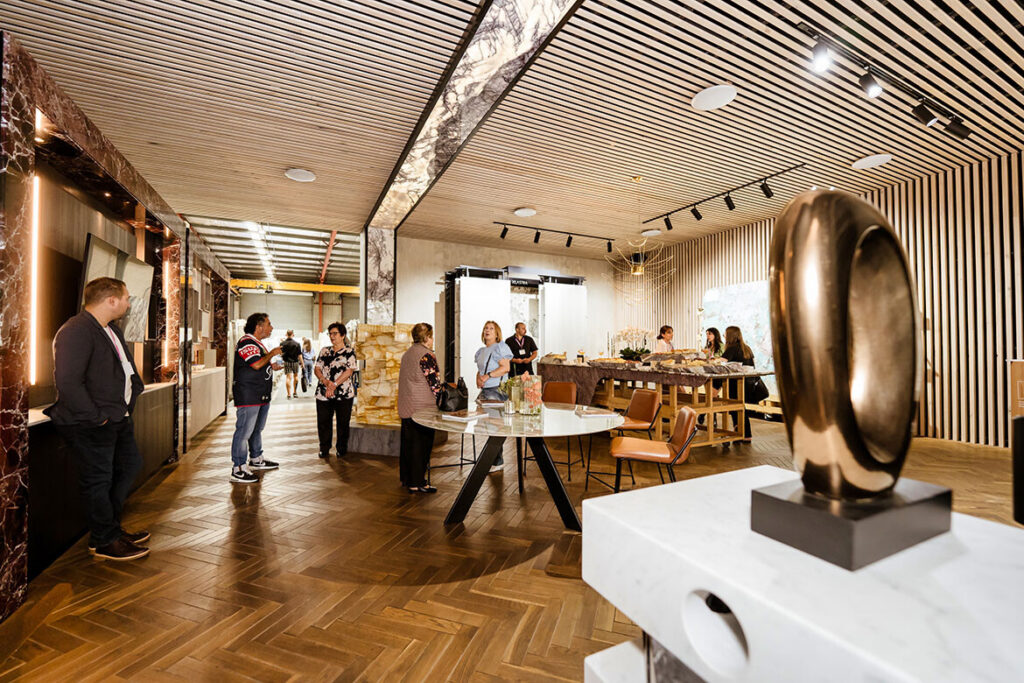
One city, four precincts: Saturday Indesign 2026 is almost here
With more than 35 showroom locations, 40-plus exhibitors and a city-wide program of talks, installations, workshops and launches, Saturday Indesign returns to Sydney in September with participation firmly at the centre of the day.
Events
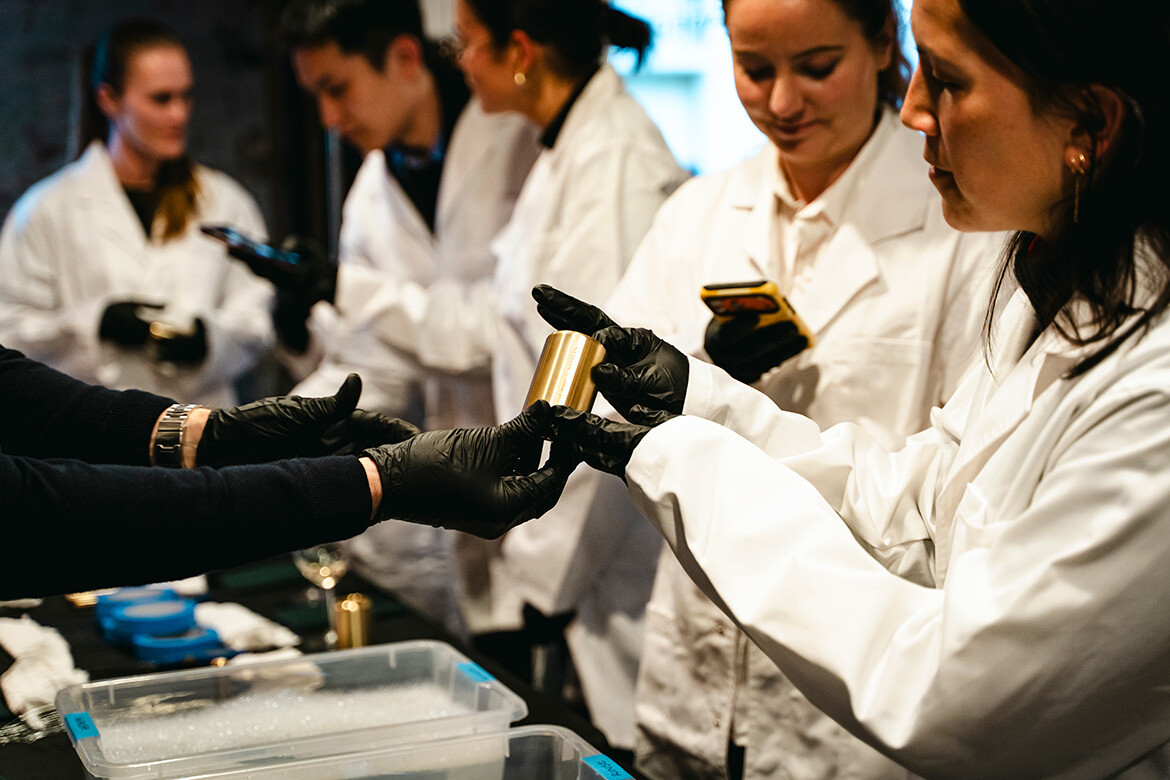
Getting hands-on with Savage Design’s Ministry of Metals
Ahead of Saturday Indesign, Savage Design put its new Ministry of Metals experience through a test run, turning material education into something tactile, practical and genuinely interactive.
Events
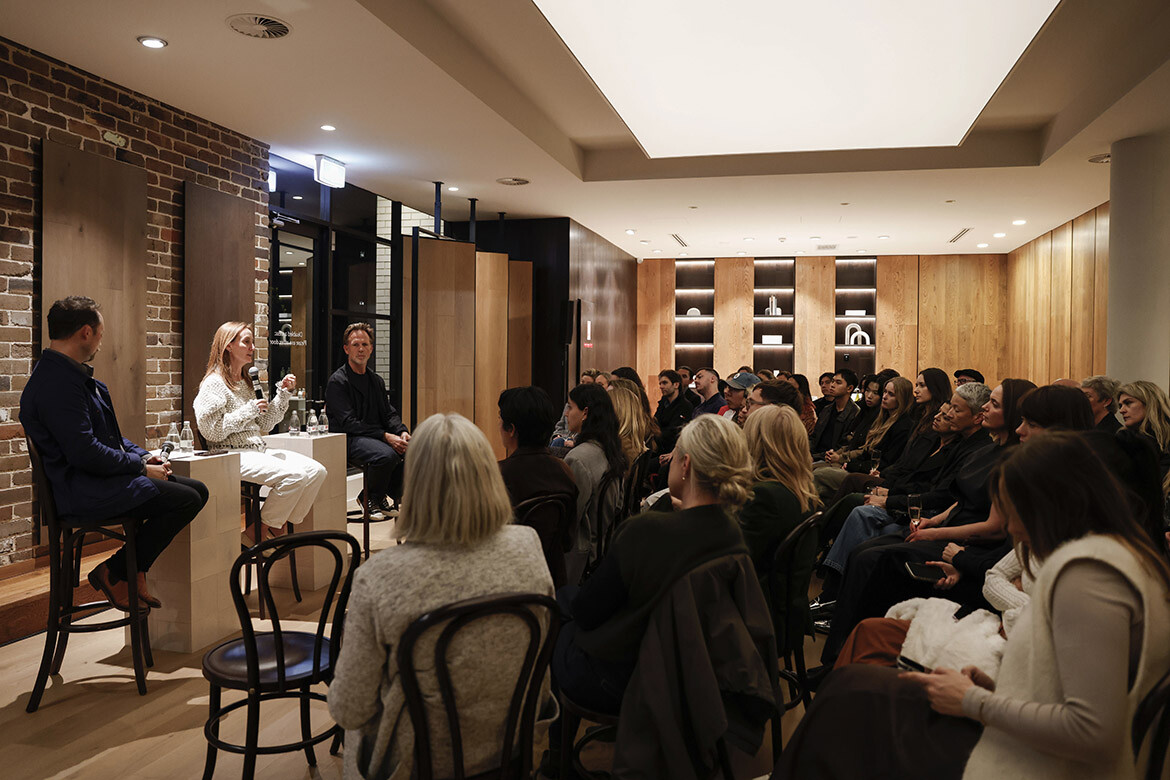
A rollicking good story with Richards Stanisich and Royal Oak Floors
Jonathan Richards and Kirsten Stanisich discussed practice, design process and the business of running a studio at a live audience event hosted by Royal Oak Floors in Sydney.
Events
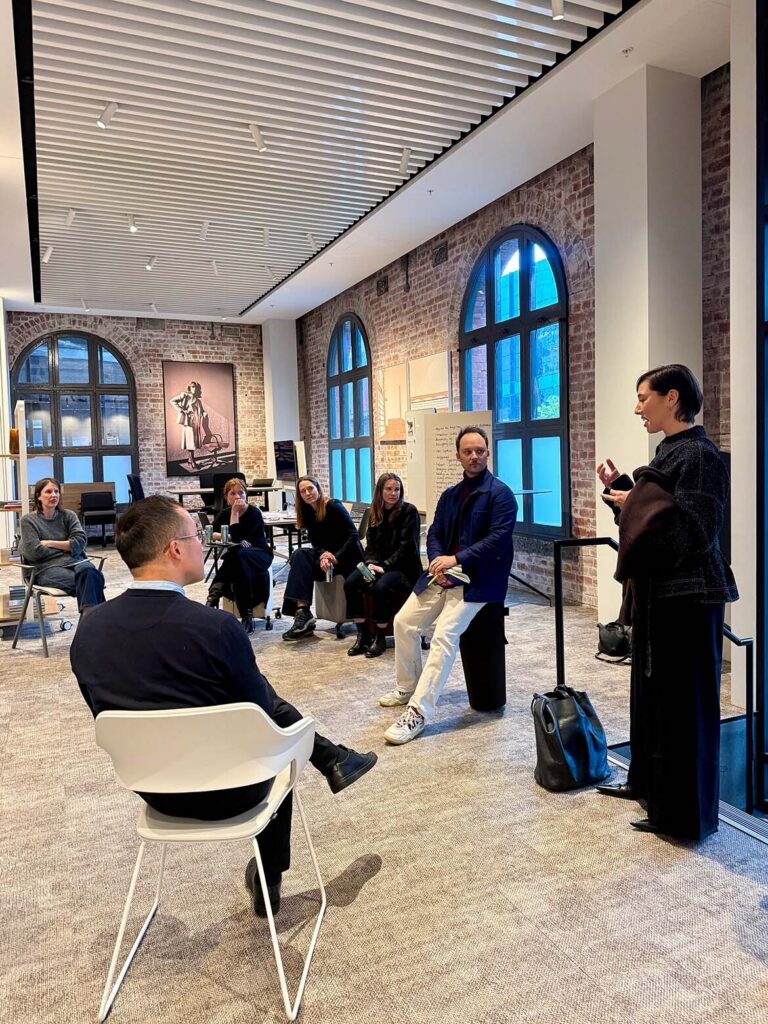
Indesign x Wilkhahn: Melbourne, where are you working?
Our latest collaboration saw a range of designers come together at Wilkhahn’s Melbourne showroom for a discussion on the workplace dynamics specific to the Victorian capital.