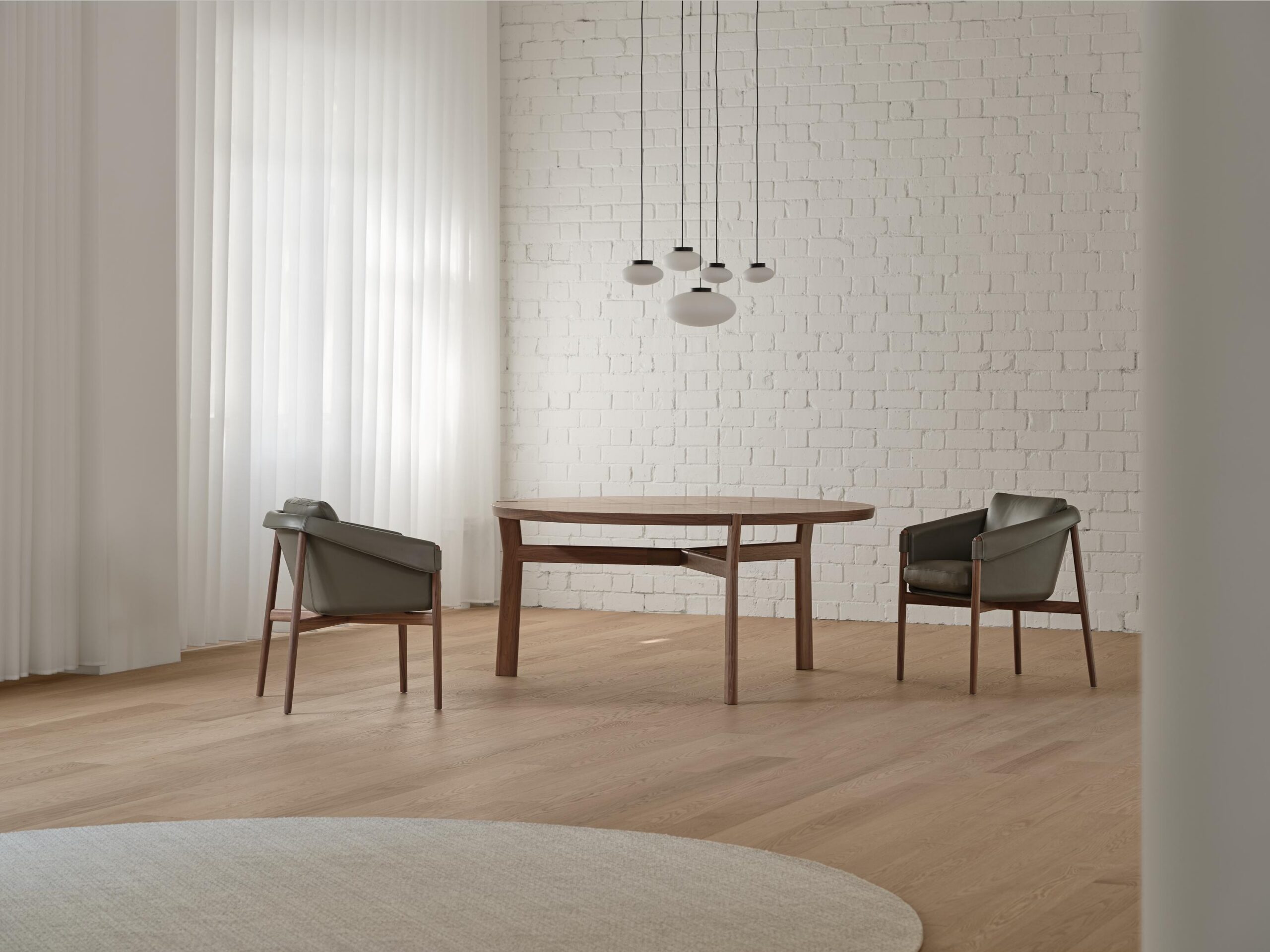
The World Health Organisation (WHO) defines health as “…a state of complete physical, mental and social well-being and not merely the absence of disease or infirmity”.
While physical health has long been well-understood, the other two parts of this equation – the mental and social aspects of wellbeing – are often not fully acknowledged. Even though almost half of all Australians aged 16 to 85 years will experience mental illness at some point in their lives, there is unfortunately still a stigma surrounding the subject.
However, things are starting to change, not only in Australia but globally. According to the UN Department of Economic and Social Affairs, “There is growing recognition within the international community that invisible disabilities, such as mental health is one of the most neglected yet essential development issues in achieving internationally agreed development goals.
Around the world, as the issue begins to be properly addressed it has become clear that there are many factors involved in mental health. In addition to more immediately obvious things, like family history, drug use or socio- economic status, mental health is also affected by factors such as how we interact with the built environment.
Academics and the broader architectural community are beginning to understand the extent to which the buildings we live, play and work in affect our health and well-being. This whitepaper outlines the evidence that has led them to this conclusion. It then focuses on wood and its ongoing presence as a sustainable, healthy building material.