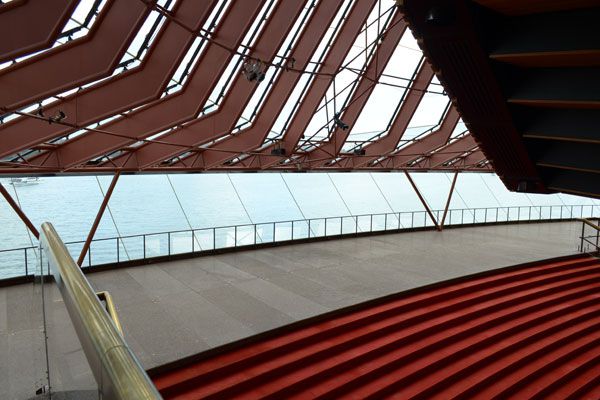
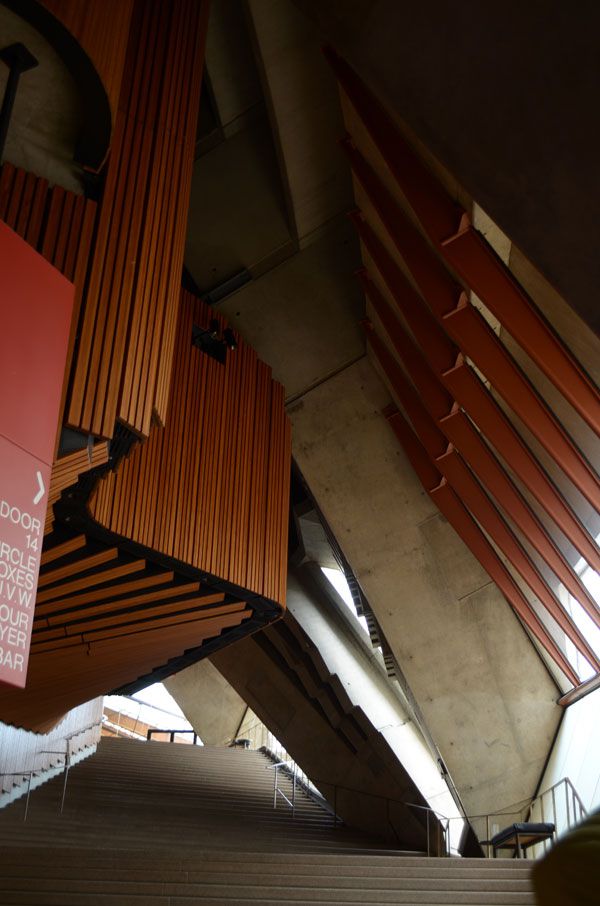
“The sun did not know how beautiful its light was, until it was reflected off this building,” said American architect Louis Khan, of the Sydney Opera House. However, when Danish architect Jørn Utzon began work, his design, featuring a daring pattern that has become iconic of the Sydney Harbour skyline, was challenging in terms of translating the vision into concrete and steel.
It is when these relationships between materials and geometries are harmonious that there emerges a ‘pattern language,’ as identified by Austrian Architect, Christopher Alexander. Each culture has its own pattern language that has evolved into living spaces that harmonize with the landscape, climate, and that best utilize the light of an area.
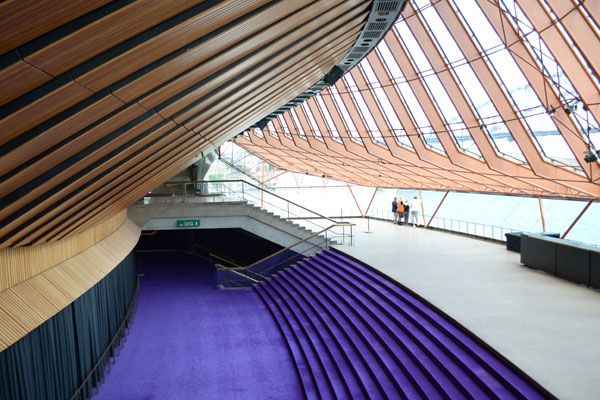
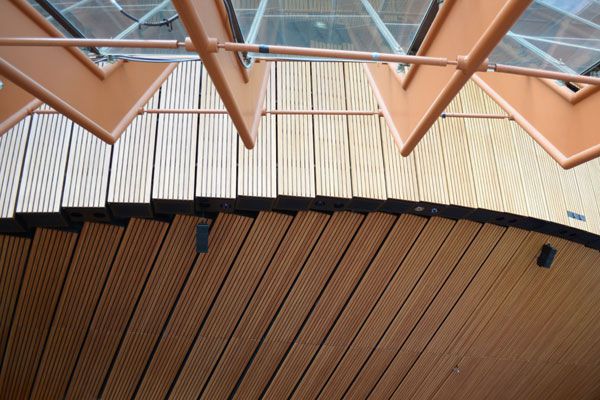
Catie Ryan (LEED AP BD+C) of the environmental consultancy Terrapin Bright Green, says, “The Sydney Opera House concert hall uses ample diffuse warm light and less dynamic light, but I would think such a balance is appropriate for this space, where occupants are meant to relax and focus on the performance. The circulation areas of the Opera House, however, make a more dramatic use of light.”
Dynamic and diffuse light and shadow that shift through the day provide visual cues to occupants in transit, guiding them through hallways and up staircases, while also highlighting the grandness of the space. “While we have come to consider good day-lighting as a key energy performance strategy,” says Ryan, “the human health value is in the quality of light and how it keeps occupants connected to diurnal patterns, which is particularly important when remaining in a building for long stretches of time.”
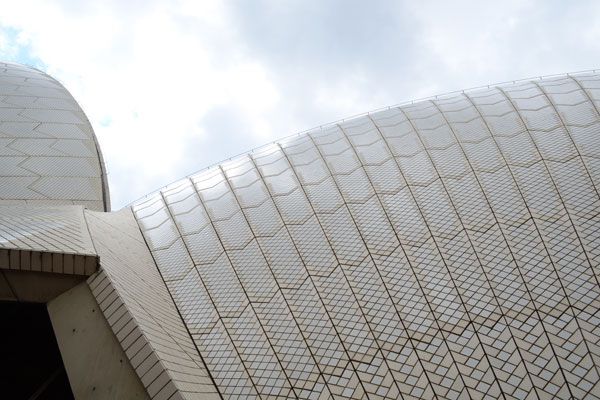
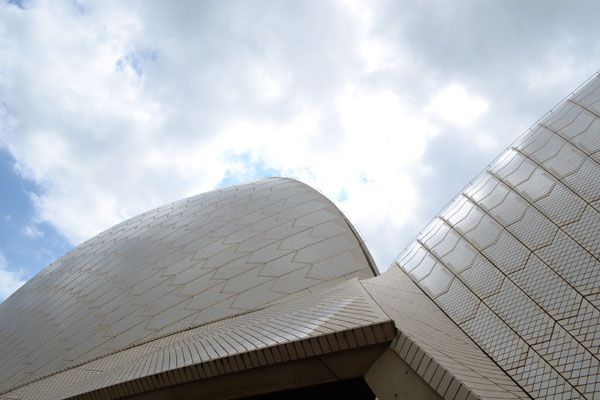
Ryan says humans are drawn to patterns based on nature, “They are appealing because we can relate to them at a subconscious level and our attention to them is natural, even if we don’t realize how our bodies are responding. Why are people willing to spend upwards of 130% more for a property with trees and lake access? Because it makes us feel better.”

Photography by Desireé Hamann