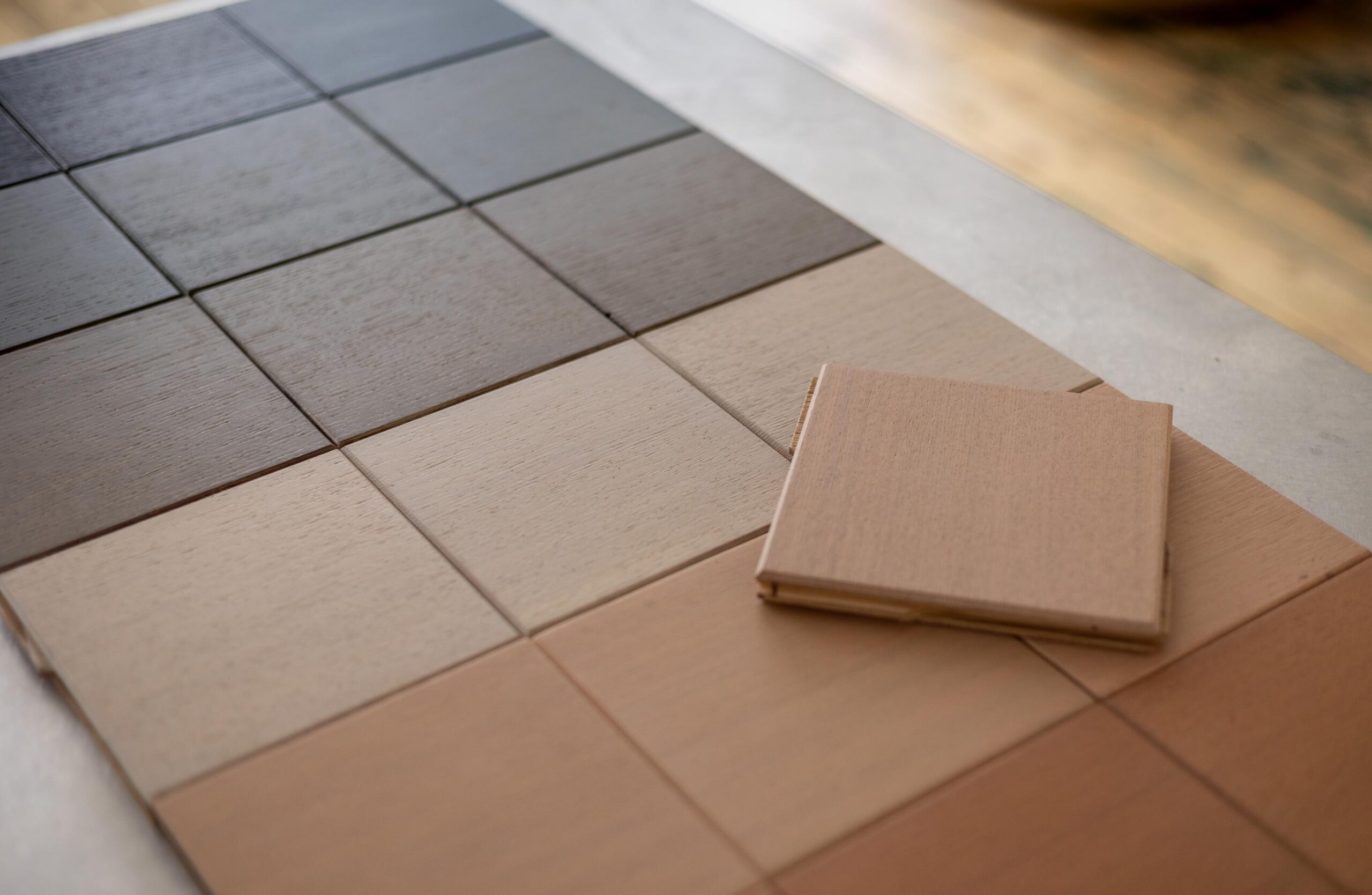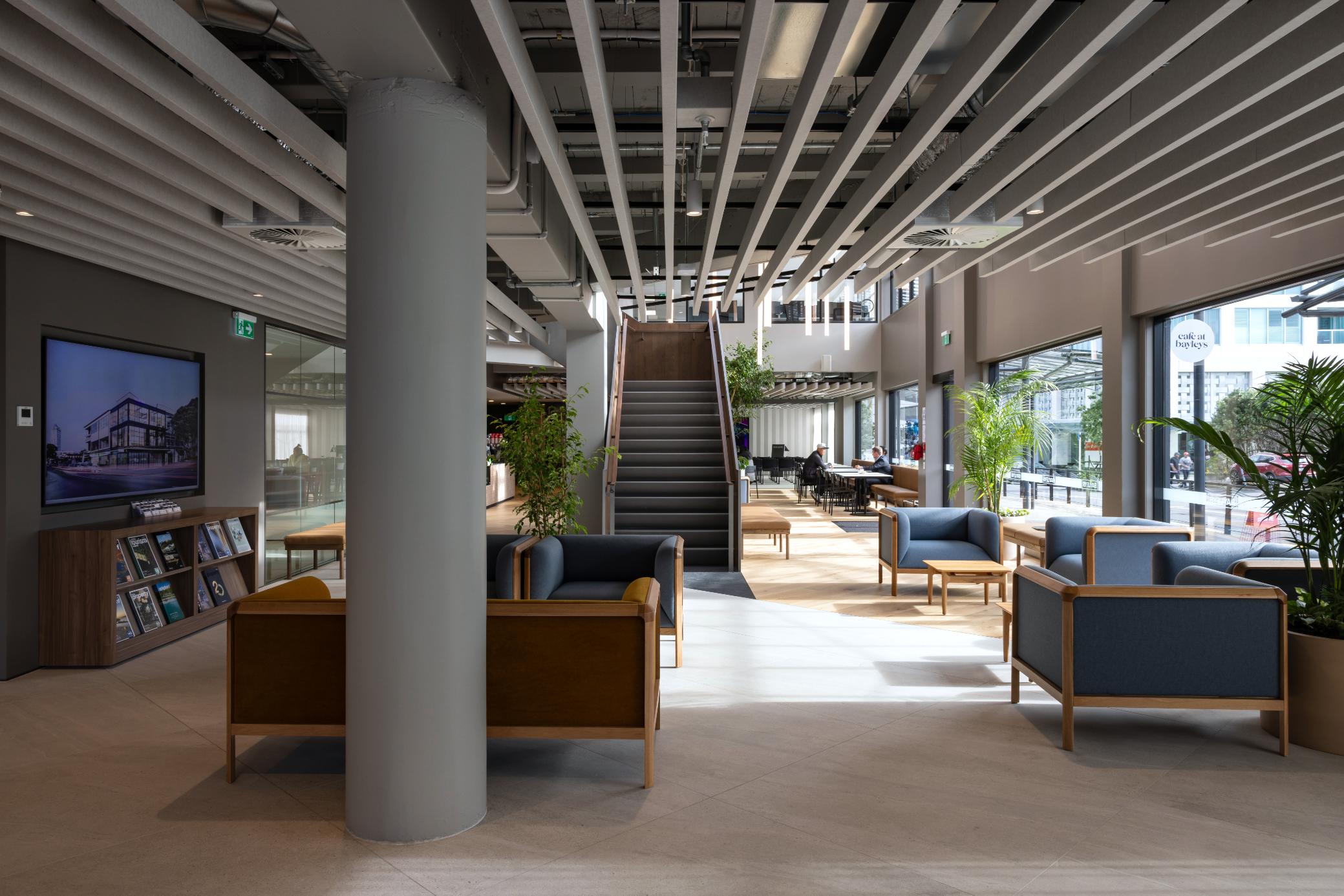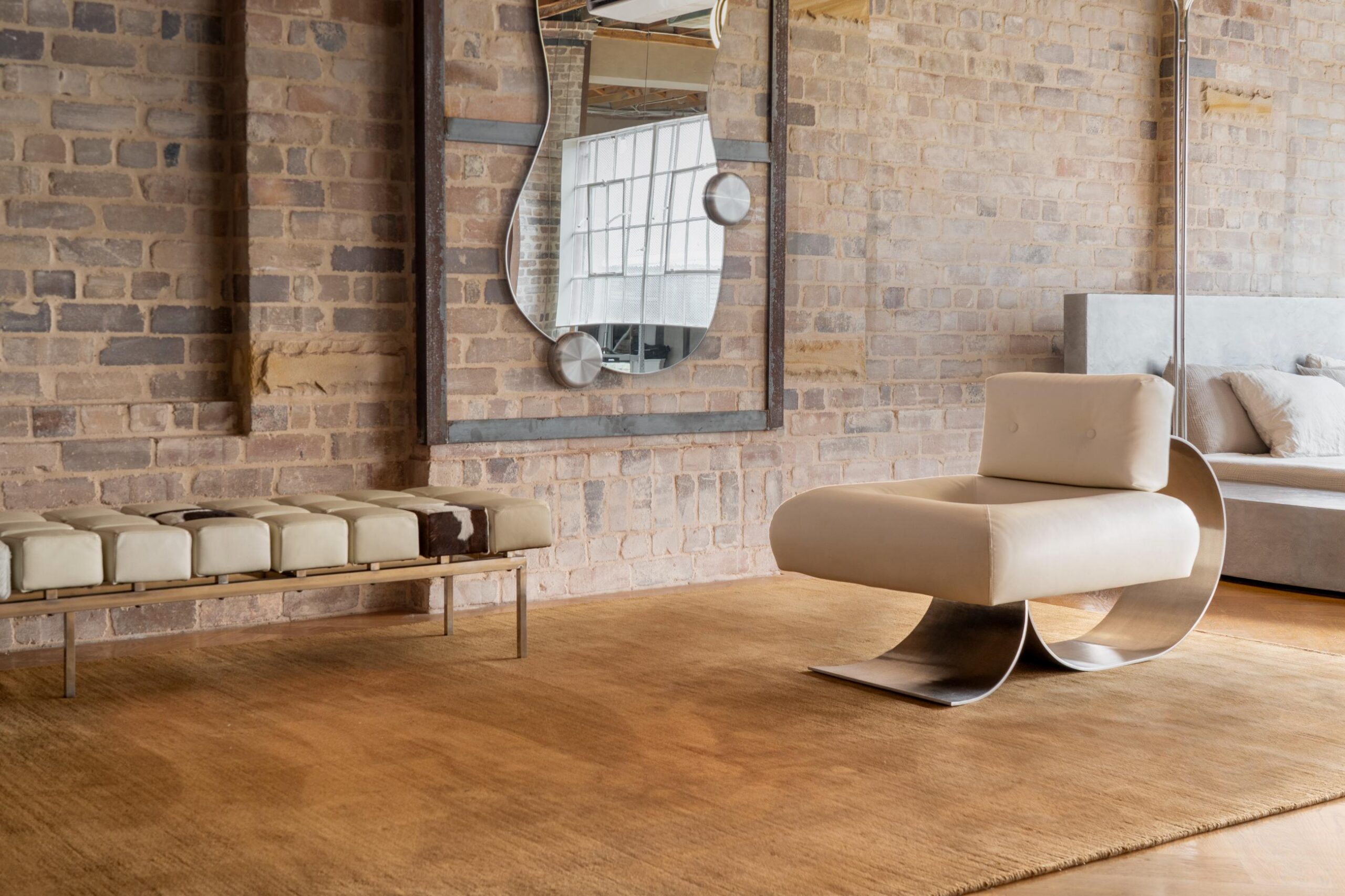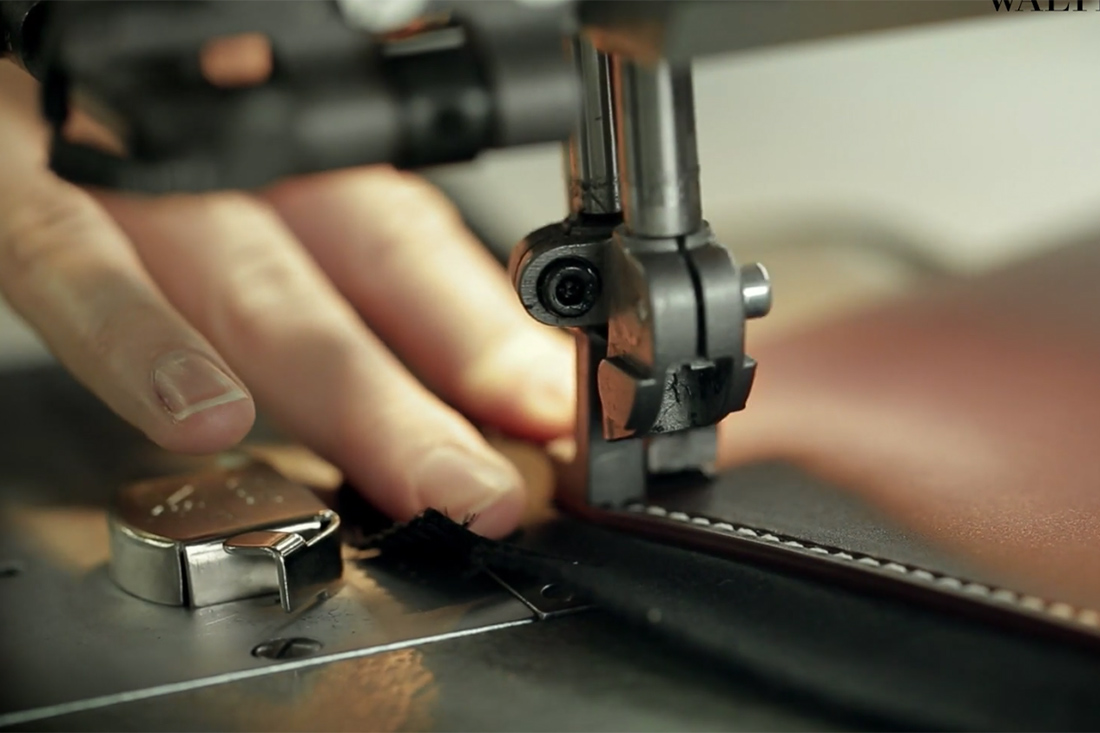
Unfaltering precision. Minute care. Clean lines. Perfect stitching.
Such is the Walter Knoll signature. But it’s not a marketing technique. It’s a socio-economic commitment.
One of the ugliest developments in recent consumer culture is the attitude of rampant disposal. Where consumer demand for trend-focused design is constantly on the up-and-up, the consequential trend for market practice implies an extremely contracted product life-cycle. Currently, the A+D community is all too frequently beholden to an extremely rapid turnaround in ephemeral trend-based design. The result has been frightening. Our rhetoric of sustainability, quality control, design integrity and ethical manufacture, has just become only that: mere rhetoric.
The sheer degree to which much of the market for design has compromised on values and responsibilities we claim to hold dear has become akin to devastating. Each year, our harried scrambling around landfill, recycling or upcycling suffers under our disproportionate rate of disposal. As a result, reckless mass production continues to breed highly unethical manufacturing standards; desperately sad minimal wages; extremely harmful ecological practice; long, laborious working hours and shameworthy conditions; and, once again, a fathomless increase in child labour.
This is a design culture of irresponsibility swept under the carpet of instantly satisfying the latest fads en masse and on the cheap (and cheaper and cheaper again). What can we do? Well, simply, just stop. The only direction we now have left to work back the harm is reorienting ourselves from the ground-up. We have to go back to basics, thoroughly inspect base materials, perfect base processes, invest in manufacture standards and workforces: in short, reconsider the social aspect of what a design culture of uncompromising quality can bring. And then, we have to implement it.
High-end German furnishing house, Walter Knoll, implemented such a programme 150 years ago. It did not err. Understanding that the true value of upholstered furniture is not the pieces themselves but the people behind them, the brand has been able to preserve both quality craftsmanship and the economy and livelihoods which depend upon it.
Walter Knoll’s programme is simple: irrespective of varied constructions, seam patterns must be exacting. Piping must be meticulous. Handiwork must be pinpoint-accurate. Pedigree must be maintained through never compromising: on the finest materials, on the ethically sourced, on the ecologically thoughtful, on the responsibly produced.
Masterly craftsmanship, year after year.
Stitch after stitch.