Based in Alexandria in Sydney’s inner-west, Smart Design Studio (SDS) is an architectural practice whose areas of interest include everything from private homes to larger residential projects and public work. Encompassing a broad range, one thing common to all these projects is their quality. Over the years, they have attracted plenty of praise along with numerous awards, both local and international.
Another thing common to all is the philosophy that underpins them. Most were designed with the principles of environmentally sustainable design (ESD) in mind.
“Concern for the environment informs everything we do at Smart Design Studio,” said Maggie Lum, a Team Leader and Associate at SDS. “It’s a top priority for all aspects of our operations, from design and material choice to how we handle our own office waste.”
In these times of climate emergency and net zero carbon targets – and the uncomfortable realisation that the construction sector is a significant part of the climate problem – such claims are not uncommon. Unfortunately, however, when examined closely many of them turn out to be hollow. ‘Greenwashing’ is an unfortunate part of life in 2021.
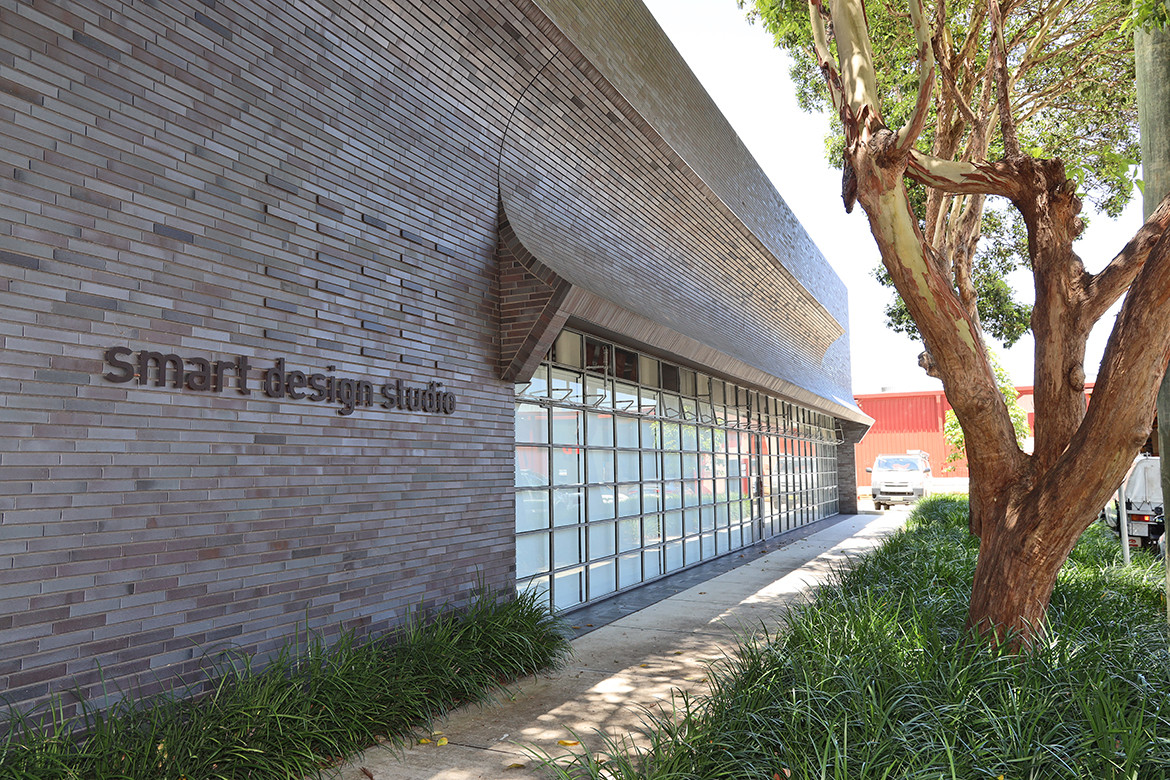
As such, achieving sustainability can be difficult, even for architects coming to the task with genuine commitment. While concepts such as ESD and ‘Embodied Carbon’ may be simple enough to grasp, the actual task of sorting through the various options, in terms of materials, products, and methods – and in so doing arriving at truly sustainable solutions – is far from simple.
Asked how SDS, a practice with a demonstrated record of sustainability, navigates this difficult path, Lum said consulting experts in the field is their first step.
“We work with a couple of sustainability consultants, who are able to tell us what types of materials and products we should or shouldn’t use,” she said. For example, they have advised us that chrome is something to avoid due to its toxicity.
Deciding whether or not to specify a given product therefore involves evaluating not just how it will be used in a given application, but also the materials and processes involved in its manufacture.
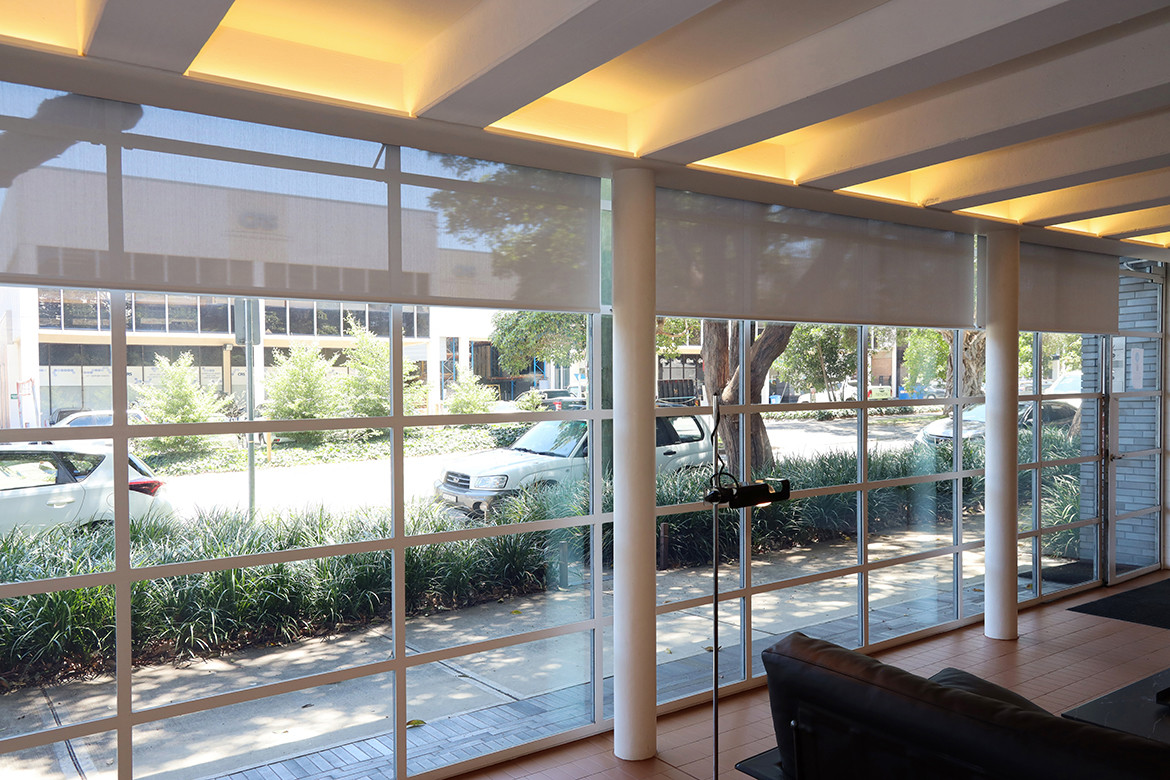
Blinds by Verosol
Lum used the example of Verosol, a window covering manufacturer that SDS sees as its go-to supplier for blinds, to illustrate this approach to sustainable design.
Like SDS, Verosol is an organisation that counts sustainability as one of its key principles. Aware of the importance of transparency in this context, it always seeks to underscore this commitment with universally recognized environmental certification.
While certification is an ongoing process for Verosol, as it stands, several of its roller blinds are already EPD third party certified, GREENGUARD Gold certified and have Health Product Declaration (HPD). This means they are able to support with credits within green building schemes such as Greenstar, LEED, WELL and BREEAM. In addition to EPD, the company is also currently working on certifying Best Environmental Practice PVC, starting with 202 and 205 SilverScreen Performance fabrics.
On top of that, Verosol is committed to continually reducing the carbon footprints of its manufacturing facilities (both local and international), with initiatives like the installation of rooftop solar cells at its plants in Sydney and The Netherlands.
For SDS, all of this adds up to the fact that Verosol is a worthy partner. It means that Verosol products have a role to play in its quest for carbon neutrality.
Meanwhile, in terms of performance, Verosol products are without peer. Products from the company’s signature SilverScreen range, for example, have been shown to reflect up to 85% of solar radiation, when used in residential applications. They outperform everything else on the market.
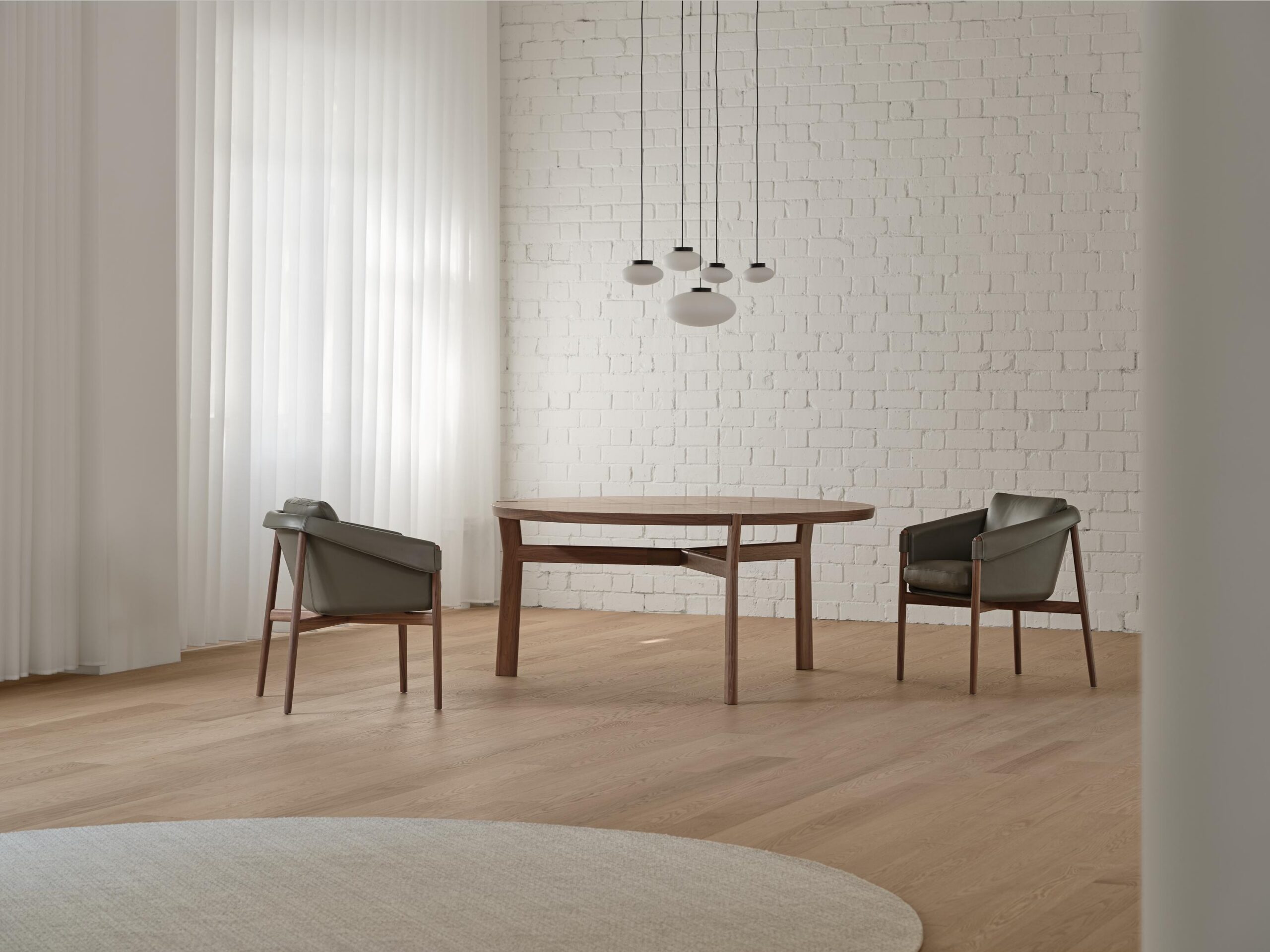
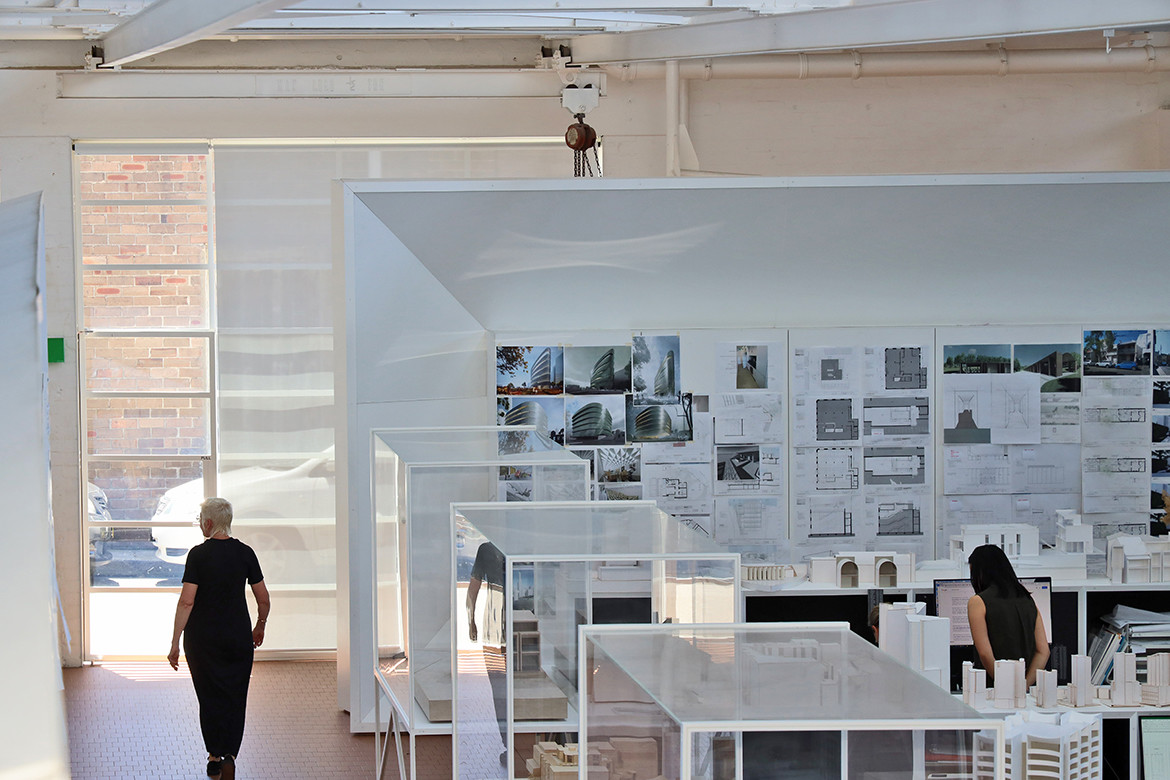
Lum pointed to SDS’s own studio, a building which was recently renovated and one in which products from the range are used extensively, to illustrate this point.
“We’ve installed blinds from Verosol’s SilverScreen Performance range throughout. It’s a comfortable naturally lit environment, in which all the blinds and windows are controlled by a building management system, which in turn, operates according to weather forecasting,” said Lum.
“Used in conjunction with passive design, hydronic underfloor cooling, and fans, these blinds mean the studio is able to function comfortably throughout hot Sydney summers without air conditioning.”
Barriers to sustainability
Asked about the difficulties a practice like SDS faces as it seeks more sustainable outcomes, Lum said fear of the unknown is sometimes a hurdle.
“What concerns some clients, even those with a strong environmental agenda, is the initial economic implications of a sustainable approach. And it’s true, there are upfront costs. If you put in PV panels on the roof the initial costs can be significant, but there are cost benefits afterwards from being able to run your building with reduced or potentially zero reliance on the grid,” she said.
To return to the SDS example, the choice of Verosol blinds, while representing an initial cost, more than pay for themselves by helping eliminate the need for air conditioning.
According to Lum, the very fact that SDS has chosen to treat sustainability as a guiding principle limits conflicts between it and other design aspirations. In other words, starting projects with an understanding that making environmentally irresponsible choices is completely off limits means the architects involved are generally able to avoid most mistakes of this kind before they arise.
In terms of impediments to achieving sustainability, she said that (in a macro sense) more and better regulations would help.
“There are proposals for amendments to Section J of the National Construction Code (NCC) next year to target the reduction of greenhouse gases. I think legislative changes are essential in helping the industry make a positive impact,” said Lum.
They are likely to encourage other architects and suppliers to join SDS, Verosol and the many others in the sector who are already walking the path to true sustainability.
We think you might like this article about Woods Bagot addition to the Deakin University Law School