Mario Romano Walls is a collection of multidimensional walls that allow designers to create an all new level of aesthetics. Unlimited scale with no constraint, the Mario Romano collection is immediately eye-catching, with its intricate detailing, complexity, and texture.
Ideal for lobbies, restaurants, hotels, shopping centres, hospitals, wet rooms, home kitchens or any space requiring a unique, multidimensional wall, Mario Romano walls are easily installed, durable and flexible in design.
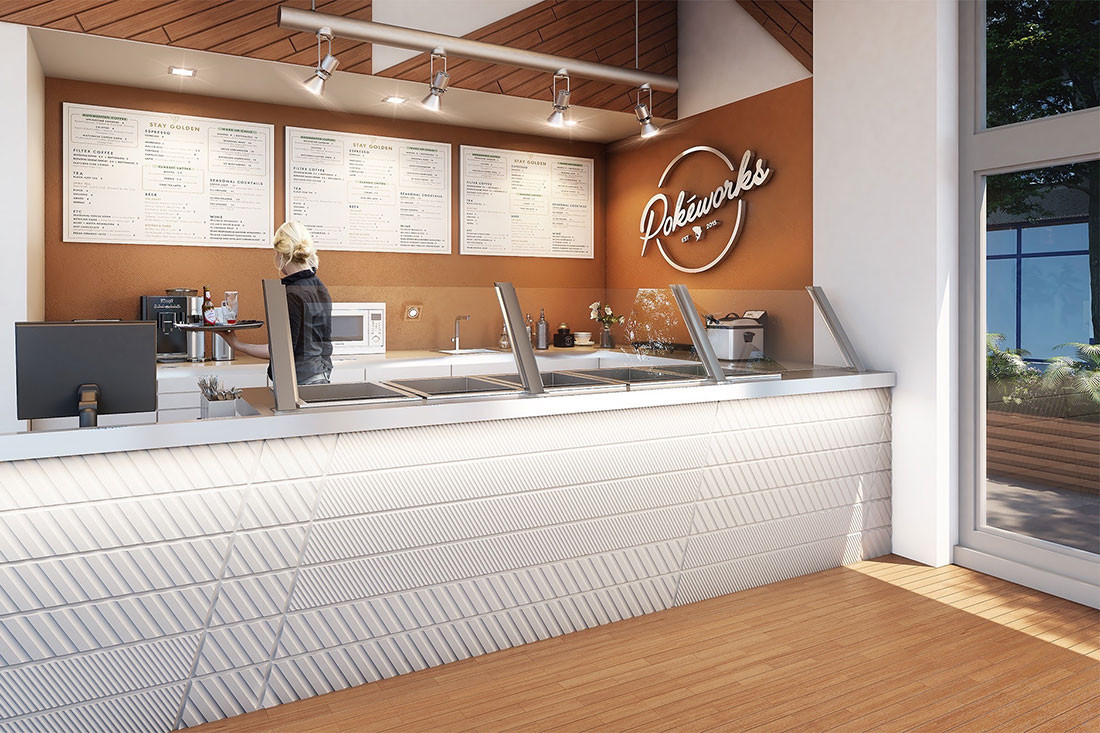
Carved directly into Staron Solid Surfaces, the walls are non-porous, hygienic and designed to resist stains, offering a finished solution in one simple step with no painting, sanding, or grout required. Simply place the interconnecting pieces together to create the finished design.
Mario Romano Walls is a break out design language, created by an innovative manufacturing and engineering process, involving the latest in parametric computing and CNC machining technology. The result is a wall surface system that allows for more creativity, and less hassle for the designer and end-user.
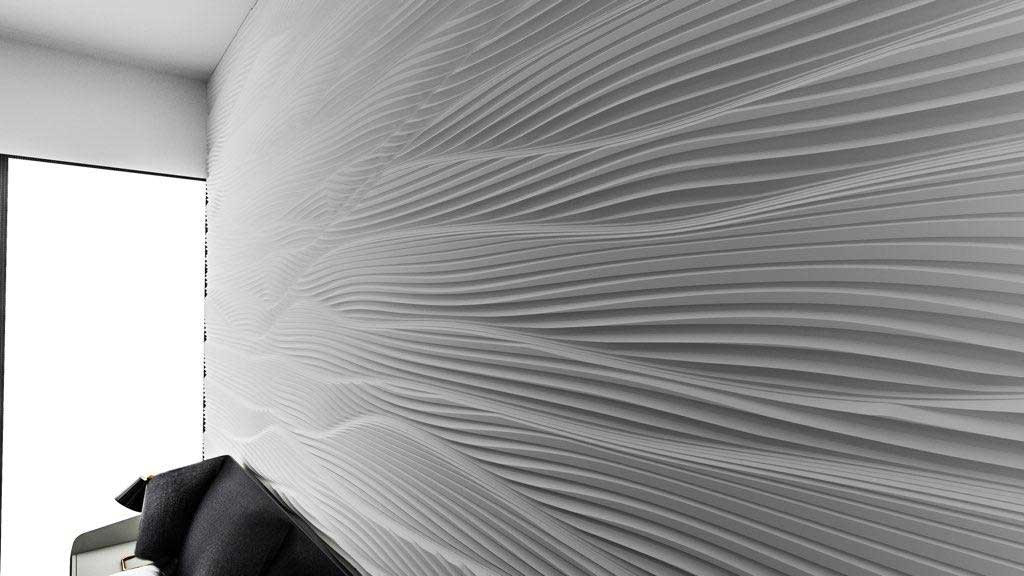
Designed by renowned Mario Romano in California, then manufactured and installed by local Staron® fabricators in Australia. The new collection allows for the beauty of complexity to be experienced as a physical presence. Engineered to endure, these highly durable walls are bringing a high level of unique and desirable design possibilities.
Mario Romano Walls are exclusively represented in Australia by Austaron Surfaces. Austaron Surfaces are also the proud distributors of Staron Solid Surfaces, Kaynemaile architectural mesh and Acrylic Couture.
Mario Romano Walls, like the full Austaron Surfaces product range, are used across a broad section of the design industry, from retail, healthcare, and the food industry, to residential, entertainment, office spaces and more. With an industry experienced sales team based in all states of Australia, Austaron works together with project managers and designers from the specification stage, all the way through to project delivery.

The new collection of Mario Romano Walls is available now, and the design possibilities have never been broader.