From Our Partners

Adjusting for comfort: Ushering in a new age for Australian ergonomics

Published

Adjusting for comfort: Ushering in a new age for Australian ergonomics

“Good ergonomic workplace design will increase productivity by an average of 12 per cent.”– Dr Alan Hedge.

In recent years, Australia has established itself as a leader in commercial design. Around the world, we’ve earned a reputation as innovators when it comes to office furniture, lighting, interiors, and architecture. We’re known early adapters to new technology and the ABW model, and are future-oriented when it comes to our taste and tendencies in design. Crucially, the Australian design industry has wholeheartedly embraced the inclusion in workplace design of ergonomics, the science of adjusting the task to the worker (and not the other way around) to maximise productivity and reduce discomfort, fatigue, and injury.

Yet our position at the vanguard of commercial design is at odds with the Australian Standards pertaining to ergonomics – the paramount national guidelines in this respect – which have not been updated in 20 years. The original Australian Standard concerning ergonomics was the 11-page AS 3590.2-1990 Screen-based workstations; Part 2: Workstation Furniture, which in 1997 was superseded by the significantly heftier AS/NZS 4443:1997 Office panel systems – workstations (‘the Standard’). This in turn is bolstered by AS/NZS 4442: 1997 Office Desks and AS/NZS 4438: 1997 Height adjustable swivel chairs. The Standard “specifies minimum requirements…leaving designers and manufacturers the maximum opportunity to develop suitable products”.

Although a one-size-fits-all approach goes against the flexibility that is at the core of ergonomics, the Australian Standards remain valuable guidelines that are in need of updating. Significant changes in the workplace in the past two decades have rendered much of the content of the Standard irrelevant or obsolete. In this whitepaper (below), we look at the leading ergonomic concepts and principles that the Australian Standards fail to cover, and discuss ways to bridge this gap.

Presented in partnership with Humanscale Consulting, download the complete whitepaper ‘Adjusting For Comfort: Ushering In A New Age For Australian Ergonomics’. Download Whitepaper

Related Articles

A new designer-led trade program takes the guesswork out of rug specification

Advertorials

A new designer-led trade program takes the guesswork out of rug specification

Developed by designers, for designers, Miss Amara Trade is the latest launch by leading Australian online rug specialists, Miss Amara. Working in partnership with designers, the trade program provides the expertise and tools to combat the pressures and uncertainty involved in specification.

From Our Partners
Shapeshifters of workplace design: a furniture brand providing flexibility across diverse design visions

Articles

Shapeshifters of workplace design: a furniture brand providing flexibility across diverse design visions

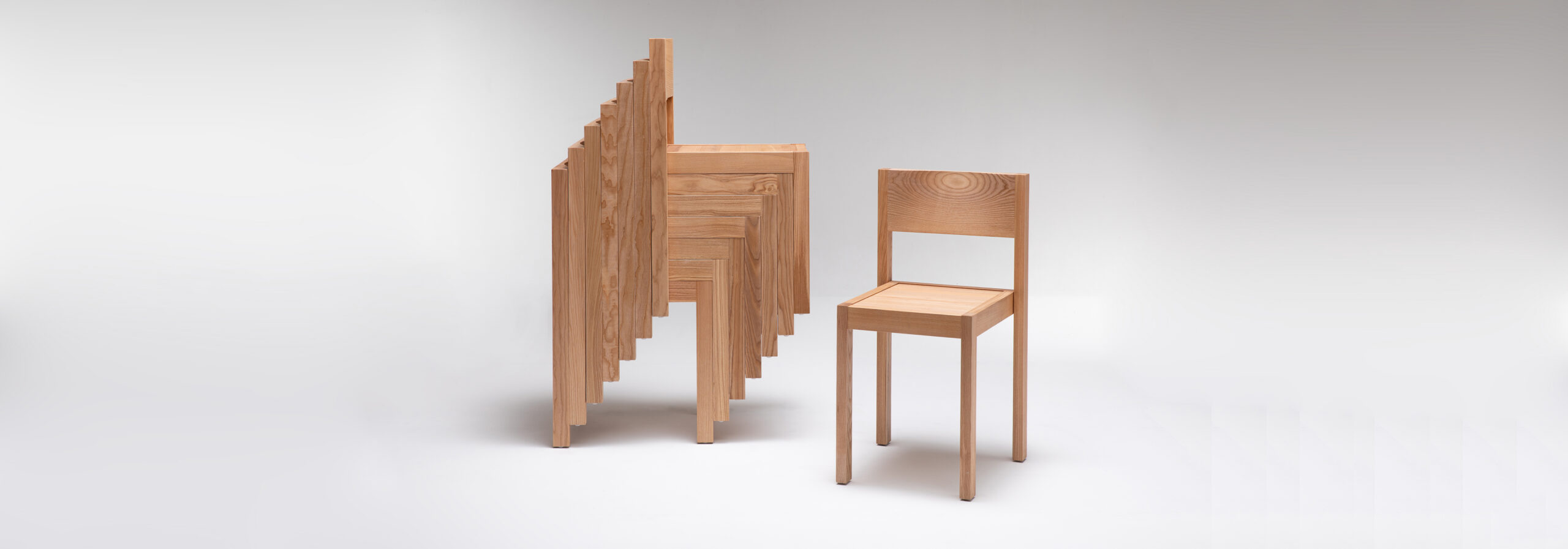
Today, workplace settings are fluid, ebbing and flowing between focus, informal discussion and collaboration. For this reason, versatility is at the core of Klaro Industrial Design’s perspective. Their designs continue to push the boundaries of what commercial furniture can offer, as demonstrated in a new collaboration between Klaro Industrial Design and Concept, a design and construction company focused on commercial interiors.

From Our Partners
Small Gestures, Distinctive Design: Inside Gaggenau’s Approach to Interaction

Articles

Small Gestures, Distinctive Design: Inside Gaggenau’s Approach to Interaction

With Gaggenau’s floating control ring, interaction and interface designer Soeren Strayle brings physical presence to the digital interface, finding room for precision and familiarity.

From Our Partners
Three conversations about the future of home

Articles

Three conversations about the future of home

What does the future of the home look like? And, perhaps more importantly, what should it feel like, how should it perform, and what should it leave behind?