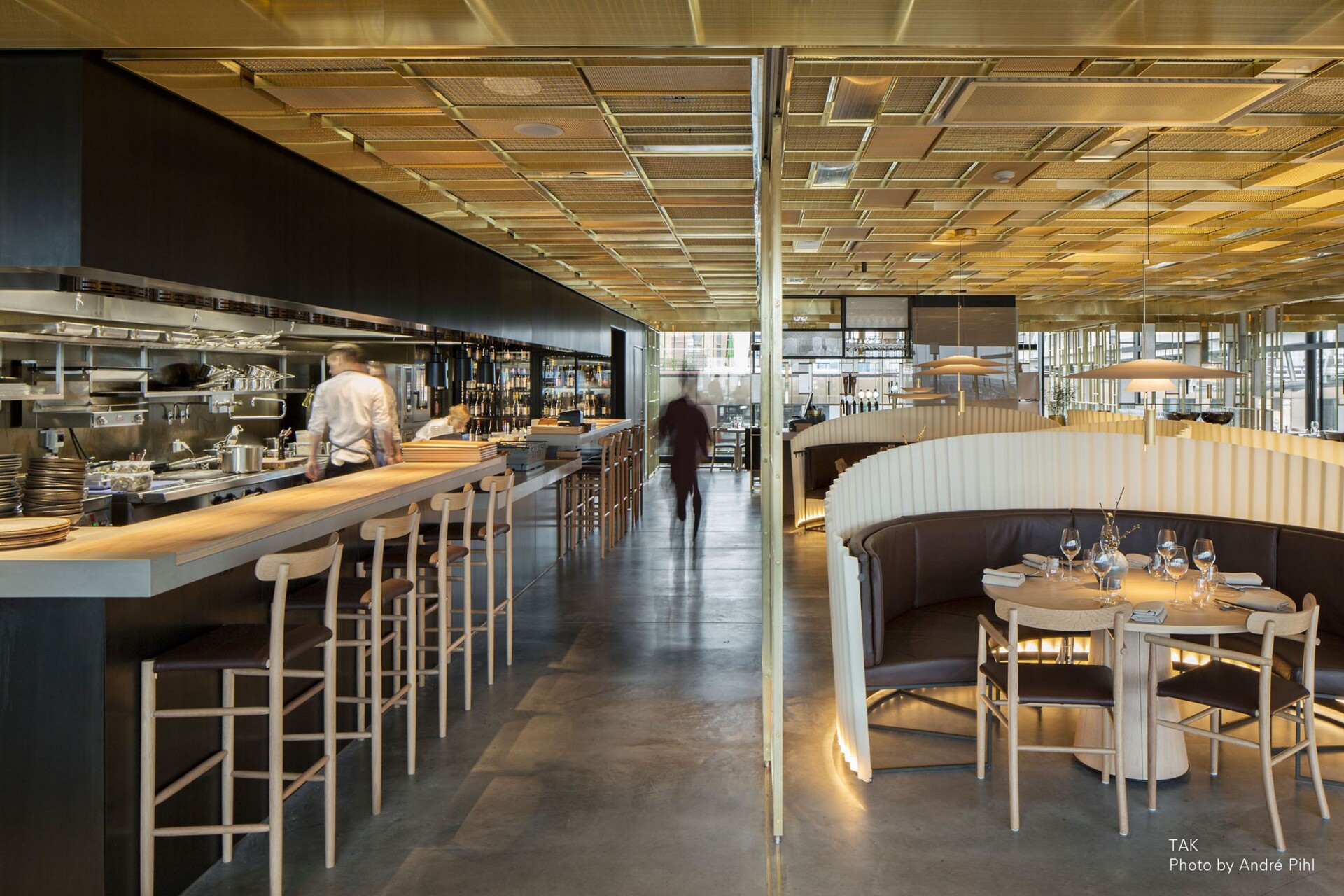
Maruni Wood Industry has a long and revered history of Japanese furniture making: a brand that treats timber a material, but also a carrier of time, memory and skill. Founded in Hiroshima in 1928, Maruni continues to work in close dialogue with some of Japan’s most respected craftspeople while collaborating with internationally recognised designers, creating furniture that is effortlessly assured.
At the heart of Maruni’s ethos is an understanding of wood as something living, even after it has been shaped. The company’s workshops draw on generations of timber knowledge – how to read grain, how to bend solid wood without stress, how to finish surfaces so they age beautifully. This respect for material is precise and technical. Advanced manufacturing techniques sit alongside hand-finishing, allowing Maruni to achieve levels of consistency and refinement that few brands can match at scale.
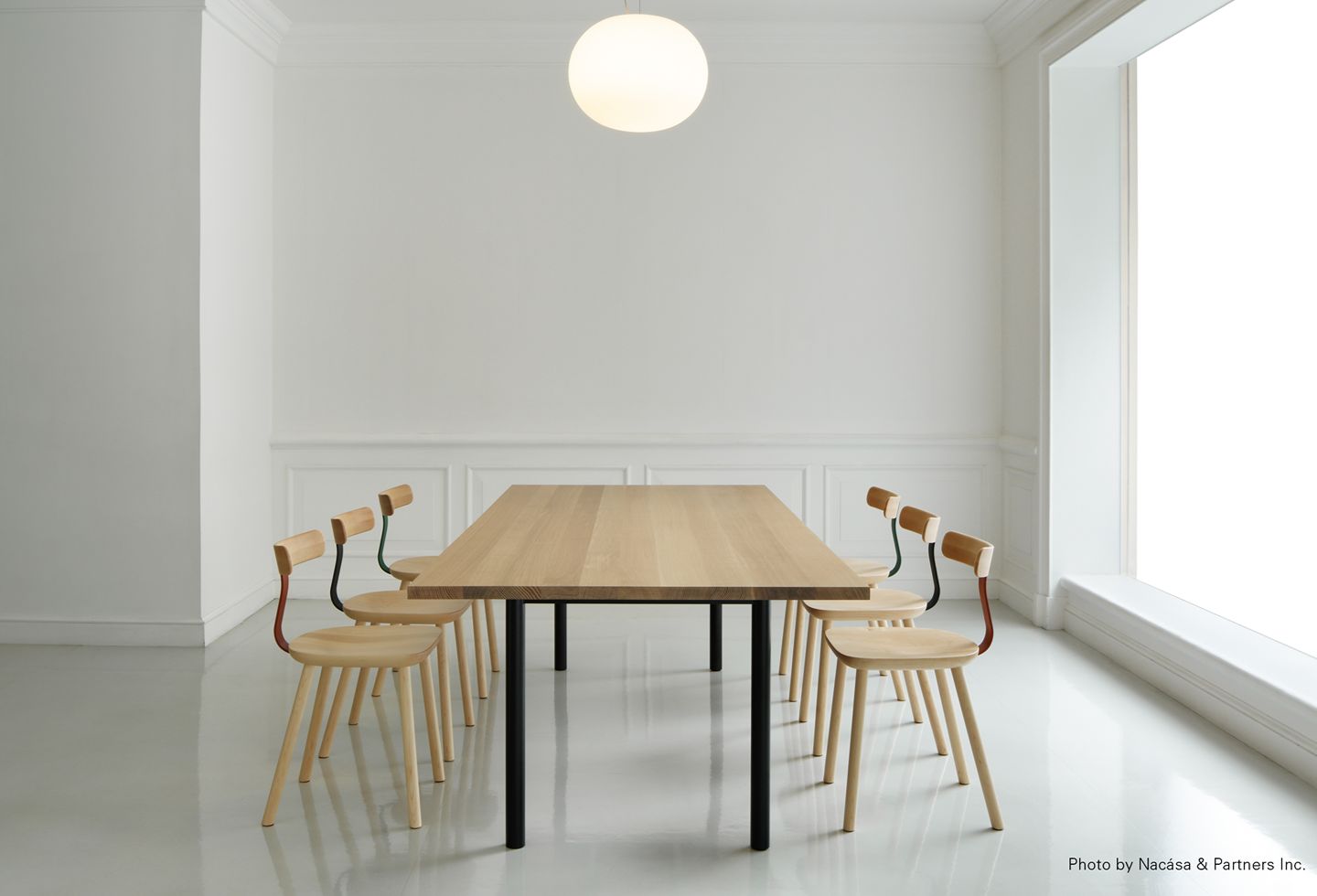
It’s a philosophy that finds clear expression across some of the brands iconic collaborations. The Meguro chair, designed by Naoto Fukasawa, exemplifies Maruni’s commitment to restraint. Softly contoured and visually understated, Meguro reveals its sophistication through proportion rather than gesture. Its comfort is intuitive, achieved through subtle curvature and refined joinery.
A similar clarity underpins the work of Jasper Morrison, whose long-standing collaboration with Maruni continues with the T1 Task chair and the Lightwood sofa. Morrison’s approach of refinement matches seamlessly with Maruni’s values. The T1 Task chair is robust yet elegant, minimal in its expression while suiting everyday use. The Lightwood sofa extends this thinking into upholstered form, pairing slender timber frames with generous comfort. The outcome is a piece that feels both domestic and architectural.
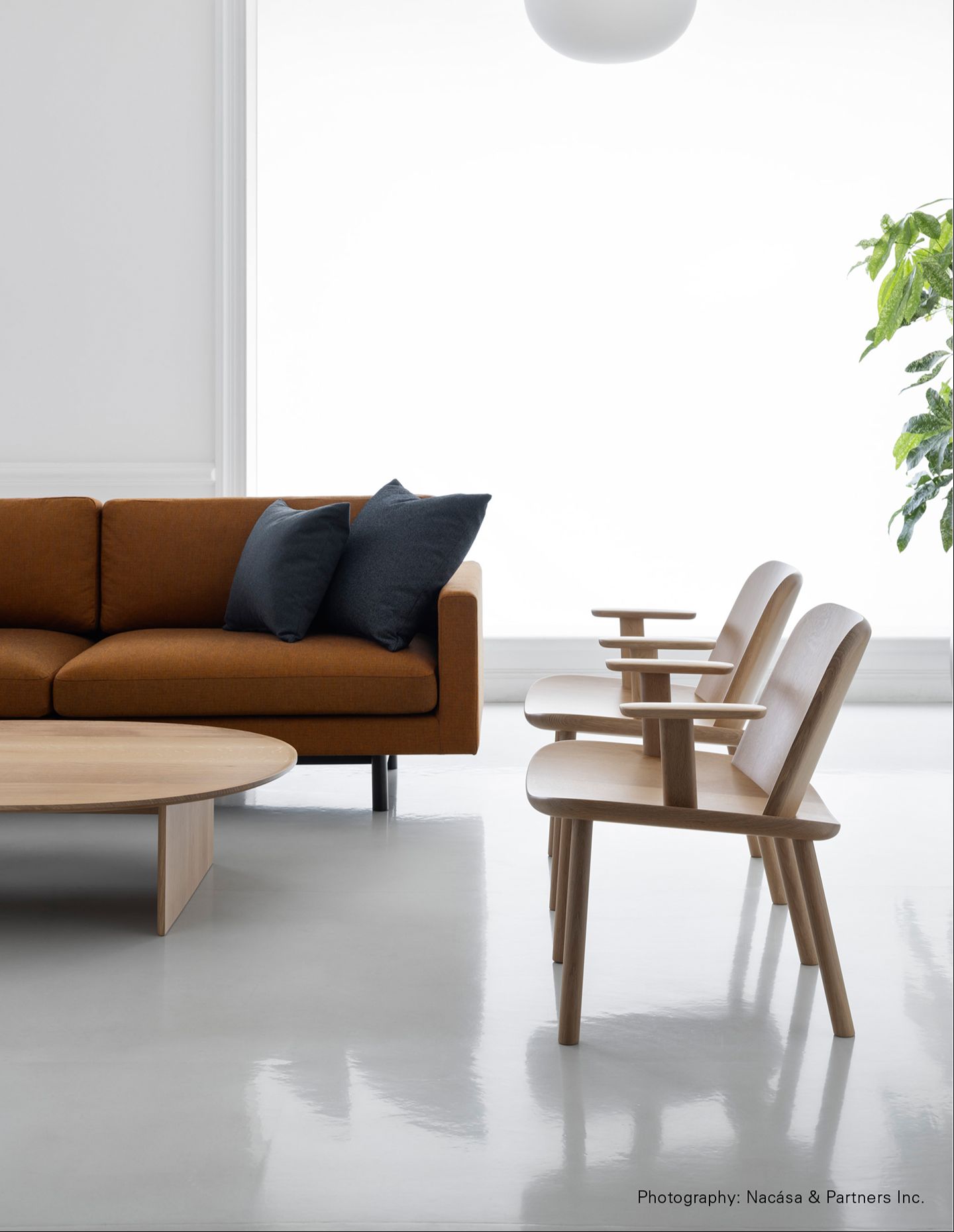
The Shoto collection by Cecilie Manz brings another dimension to Maruni’s catalogue. Known for her sensitivity to material and human interaction, Manz approaches timber as something to be softened. Shoto’s gently rounded profiles and pared-back detailing reflect a dialogue between Scandinavian minimalism and Japanese craft traditions, mediated through Maruni’s exacting production standards.
What distinguishes Maruni is a perfect blend of high calibre collaborators, with a consistency of its outcomes. Each piece, regardless of designer, speaks the same language of restraint, longevity and care. There is an implicit belief that furniture should endure – not just physically, but culturally. These are objects designed to remain relevant as interiors evolve, their value deepening over decades.
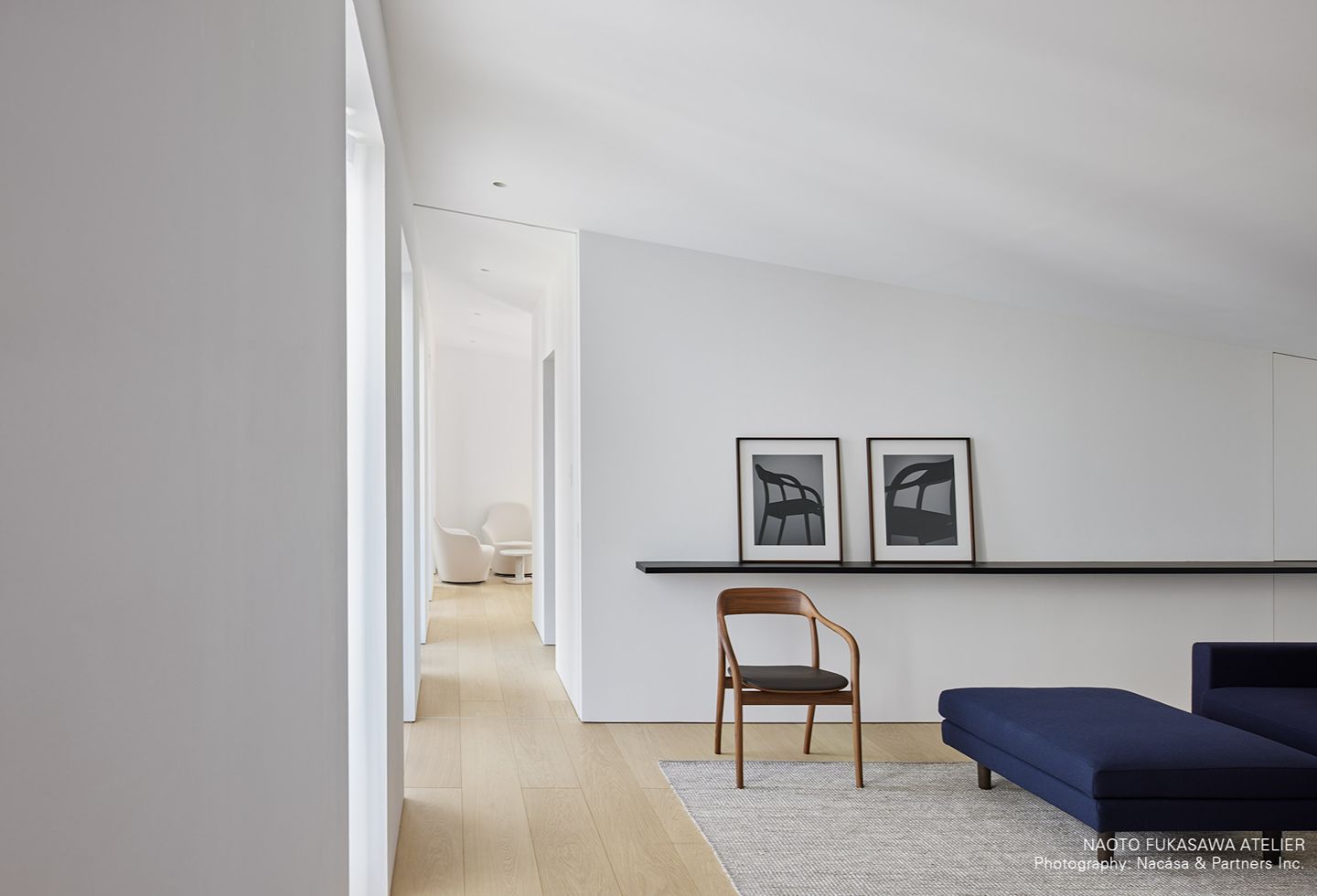
At a time that is increasingly driven by novelty and speed, Maruni stands apart by choosing patience. Timber is allowed to guide the process, whereby design is developed through iteration as opposed to sheer excess. The result is furniture that feels grounded and generous, shaped by both ancient knowledge and a contemporary sensibility. Maruni has earned its status of quality, one that has continued to grow slowly, deliberately, and with extraordinary confidence.
Seehosu
seehosu.com.au