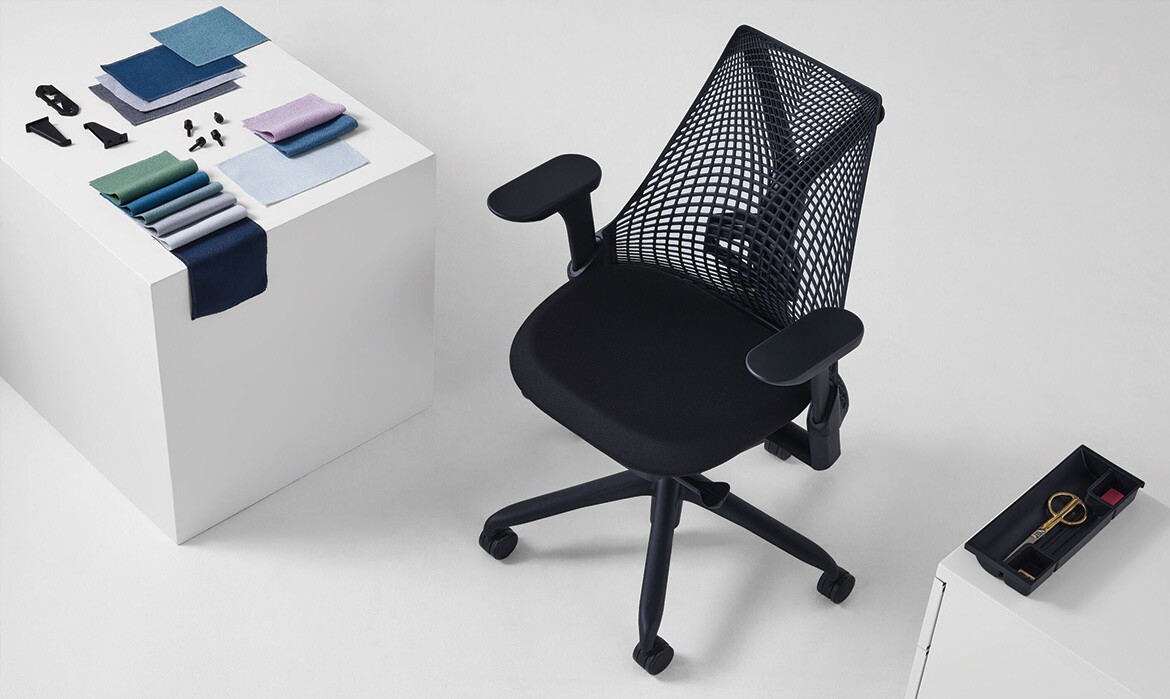
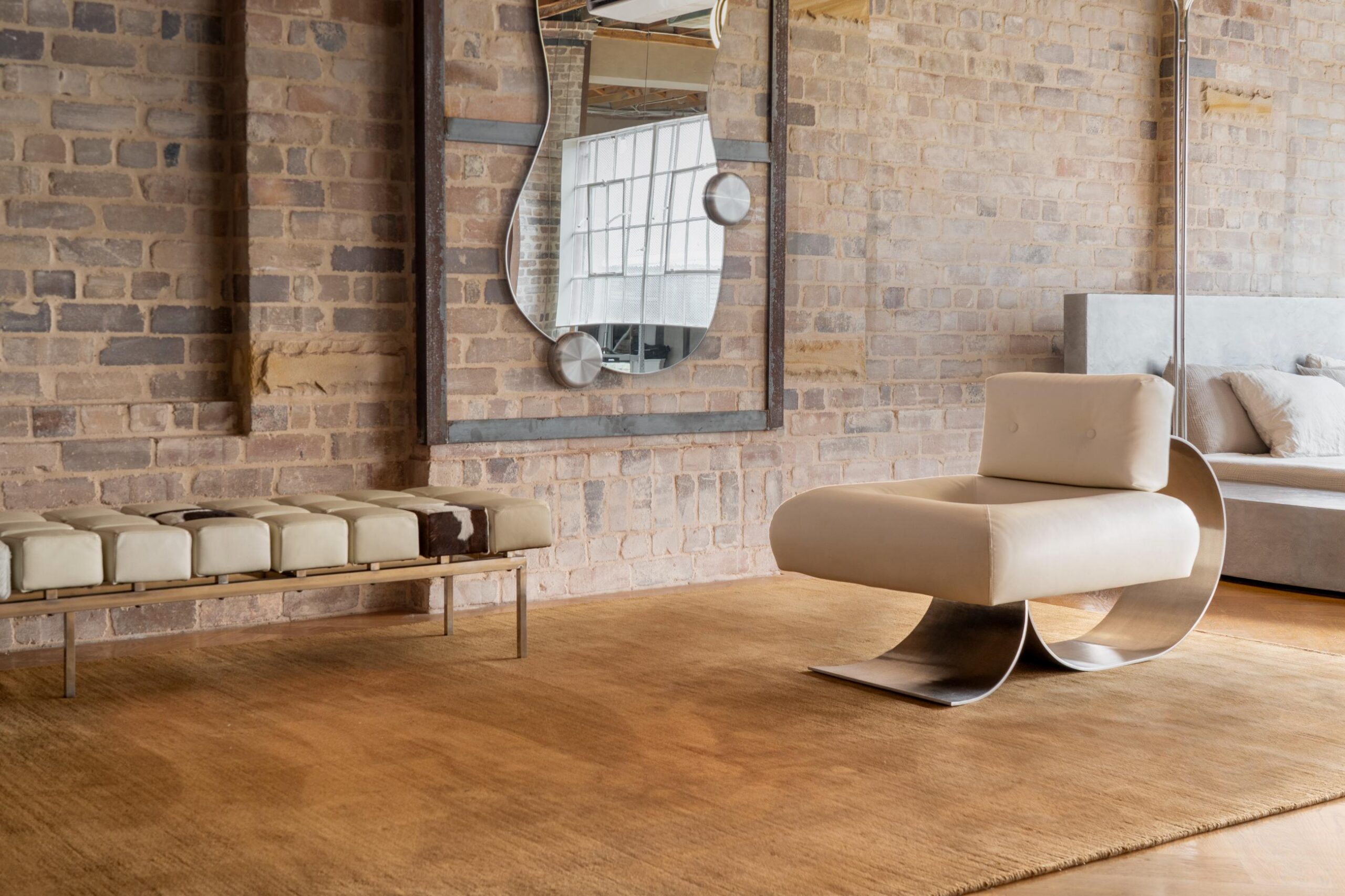
Conceived by a renowned Swedish designer, Yves Béhar, Sayl’s geometric silhouette has long been synonymous with the robust engineering of San Francisco’s iconic Golden Gate Bridge. Even its name – a play on the word “sail” – honours the vessels passing beneath the landmark that influenced the chair’s original concept. And now, Herman Miller’s signature design is set to demonstrate an even stronger connection to its waterside inspiration as Sayl joins the collection of pieces made with Ocean-Bound Plastic (OBP).
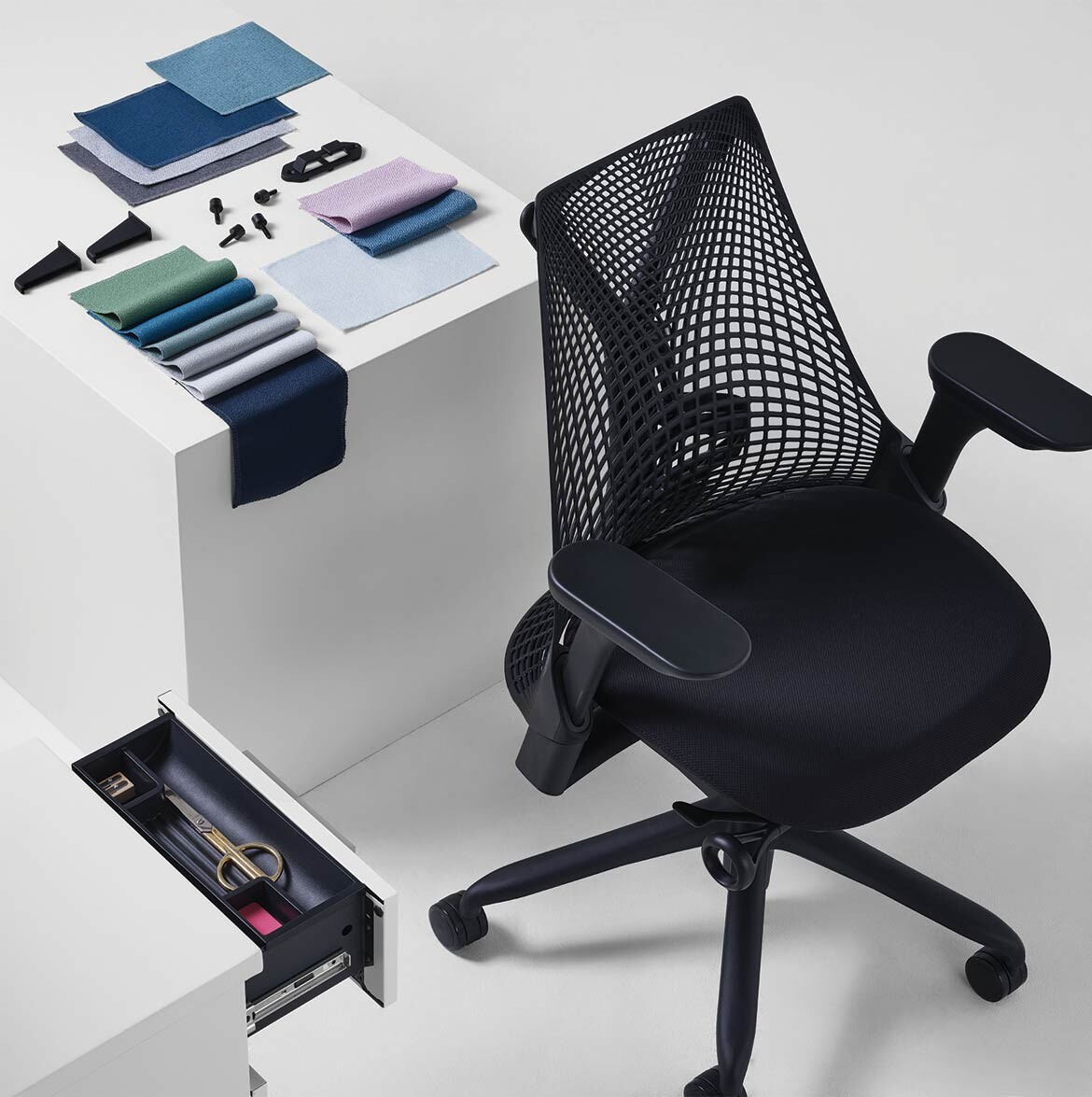
As a founding member of the NextWave Plastics, a consortium set up to develop the first global network of ocean-bound plastic supply chains, Herman Miller first introduced the progressive material in 2021, with the re-release of the emblematic Aeron Chair. The company has since added other designs to the OBP product range, such as OE1 and the brand’s five proprietary textiles. This May, boasting up to 0.9 pounds of mismanaged plastic waste found near waterways, Sayl chair and stool are joining the ranks, and will be available to the design community across APAC.
The move is set to help Herman Miller divert an estimated 326 metric tons of plastic from the ocean in 2023 alone, highlighting the company’s unwavering commitment to sustainability, and the direction their progressive efforts are headed. “True innovation isn’t always about making new products,” says Gabe Wing, Director of Sustainability at MillerKnoll, a collective Herman Miller is a part of. “Oftentimes, it can be looking for ways to use new research, perspectives, and resources to improve what already exists. Our team is incredibly excited to continue to improve and introduce products that promote responsible use of Earth’s resources.”
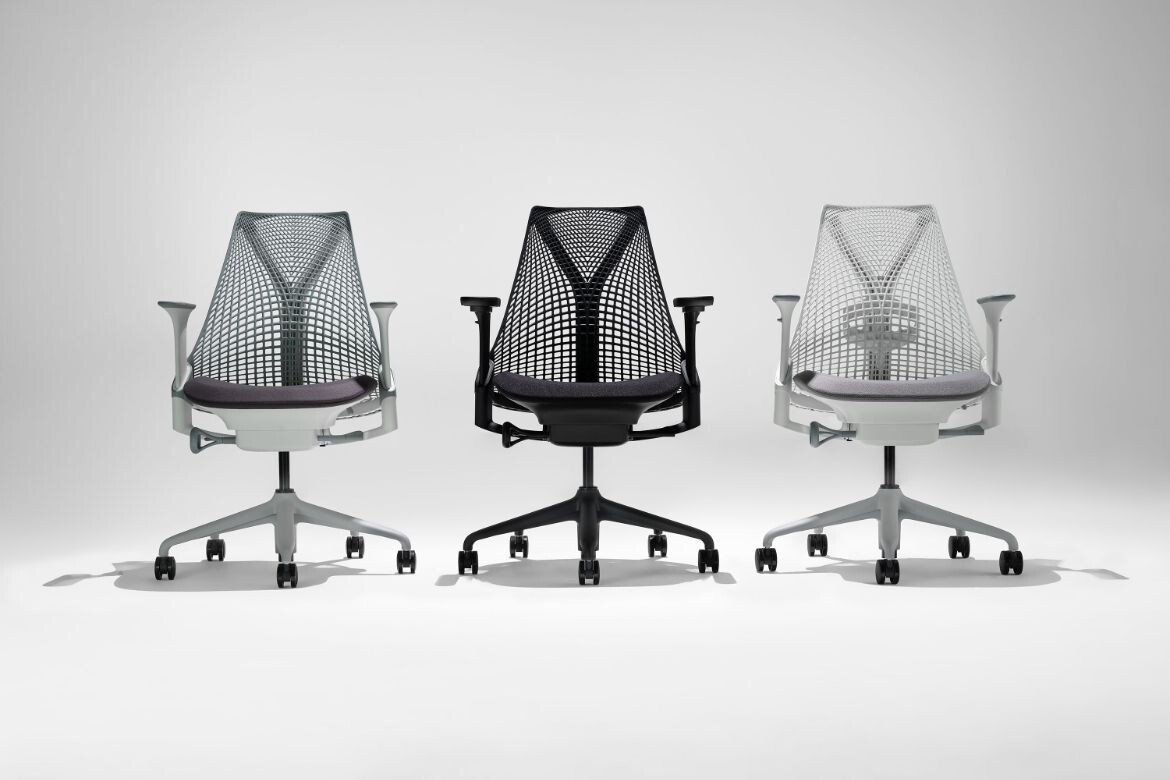
The new incarnation of classic design certainly stays true to the environmental considerations that inspired Yves Béhar in the first place over a decade ago. Driven by the idea of ecological dematerialisation, the San Francisco-based designer set out to use as little material as possible, while creating a structurally stunning chair. In that sense, the introduction of ocean-bound plastic is – Béhar echoes Charles Eames – a continuation of the original design.
“The improvements continue to be made years and years after launch,” he says. “Sayl was designed from the start as a light, simple, and lower carbon footprint chair in the full-featured task chairs category. And now, years after its launch, I’m excited to see Sayl manufactured in recycled plastic diverted from rivers and oceans as the next step in bettering the design.”
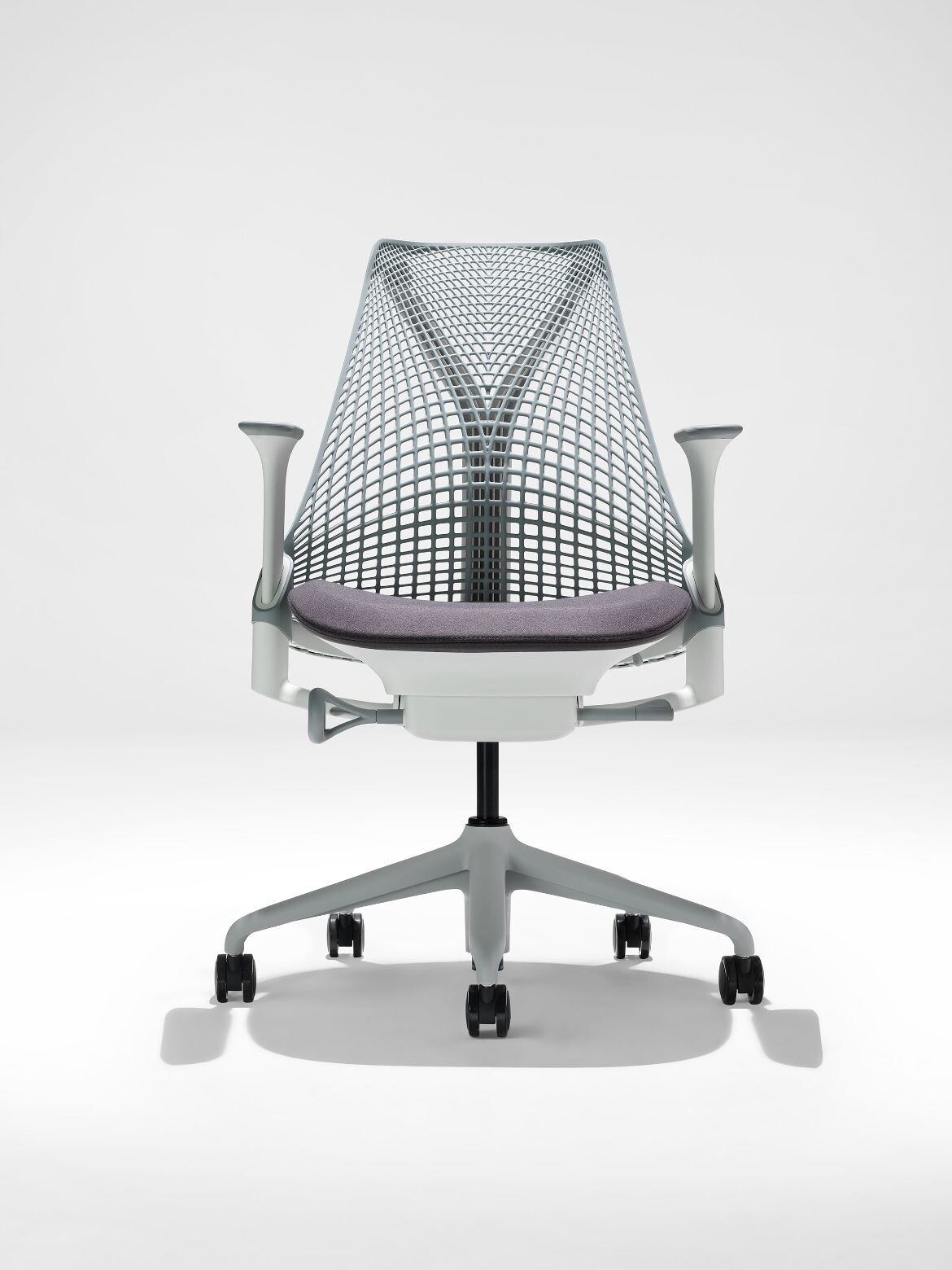
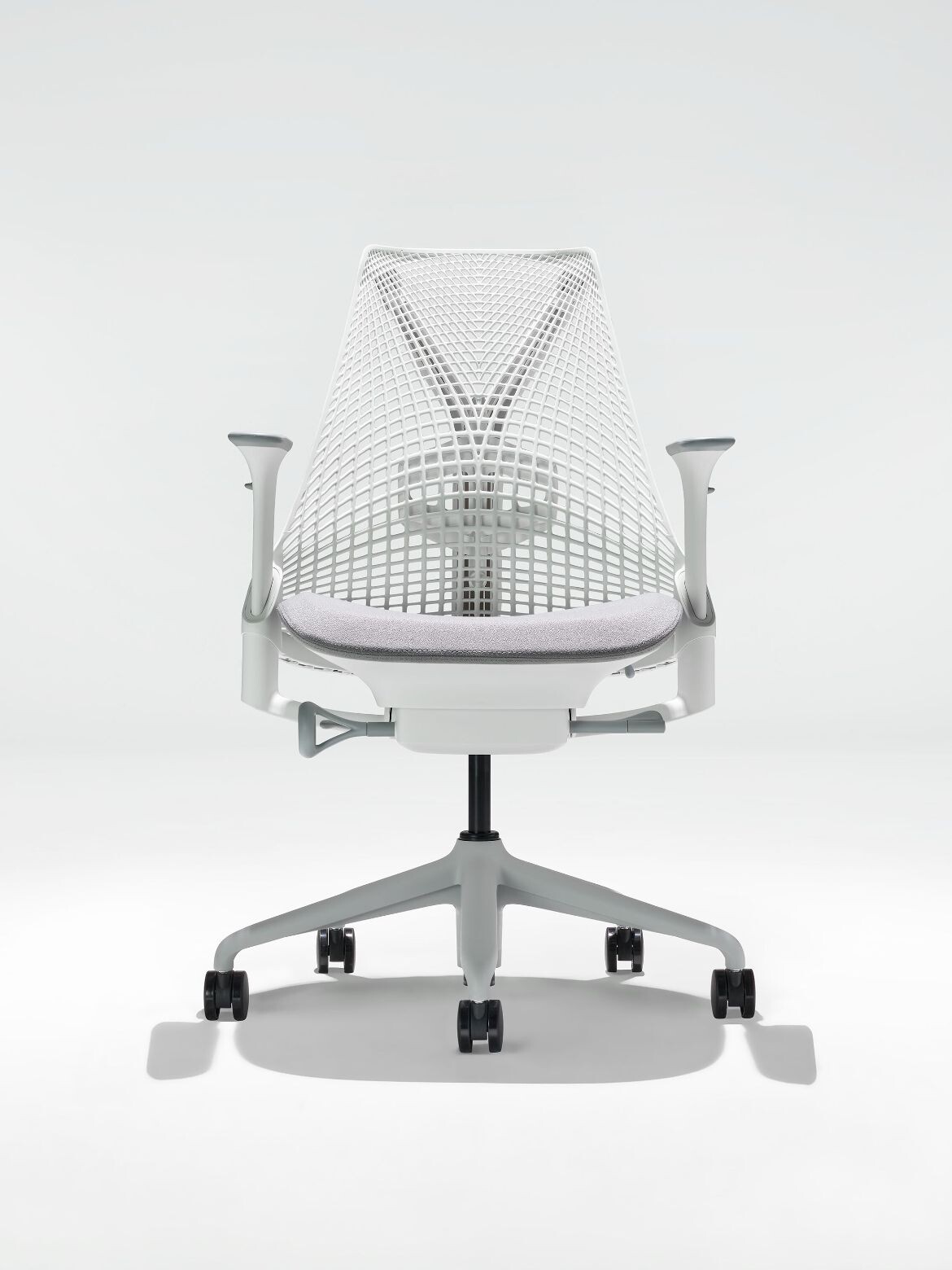
Sayl with ocean-bound plastic is available in the Asia-Pacific region this May, and will enable the local design community to participate in one of the world’s most committed ocean-bound plastic supply chain networks without compromising on comfort, ergonomics or the quintessential visual language delineating Herman Miller’s iconic products.
Herman Miller