Often it’s the most simple things that end up being the most effective. For Helen Kontouris’ Botanical planter collection, simplicity translates to beauty. And achieving simplicity in design is no easy feat. For Helen, the concept for the Botanical planter was first developed back in 2011, however, it was approximately three years of development for the entire collection to come to life.
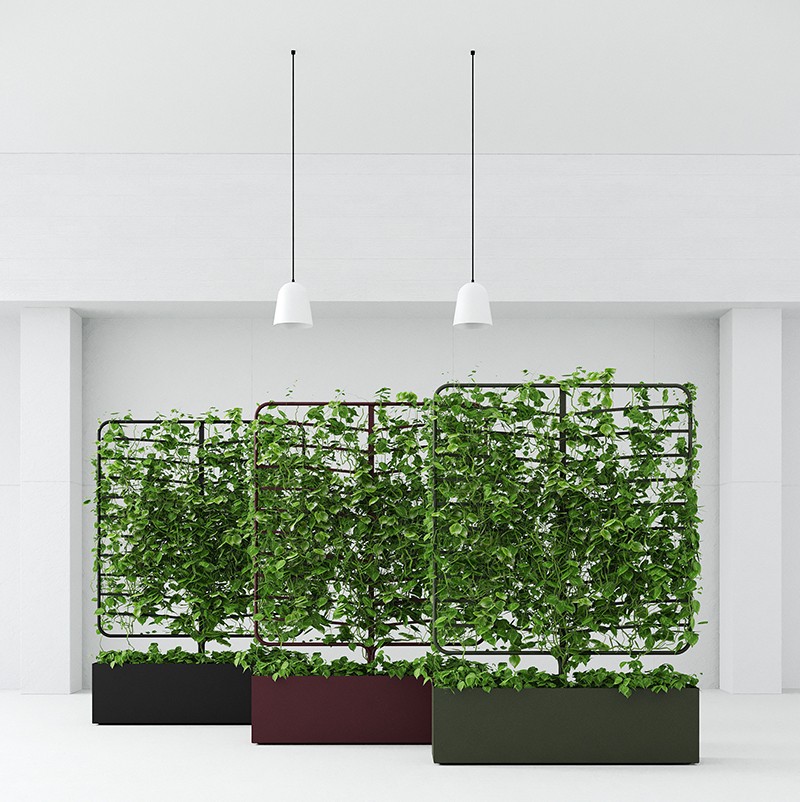
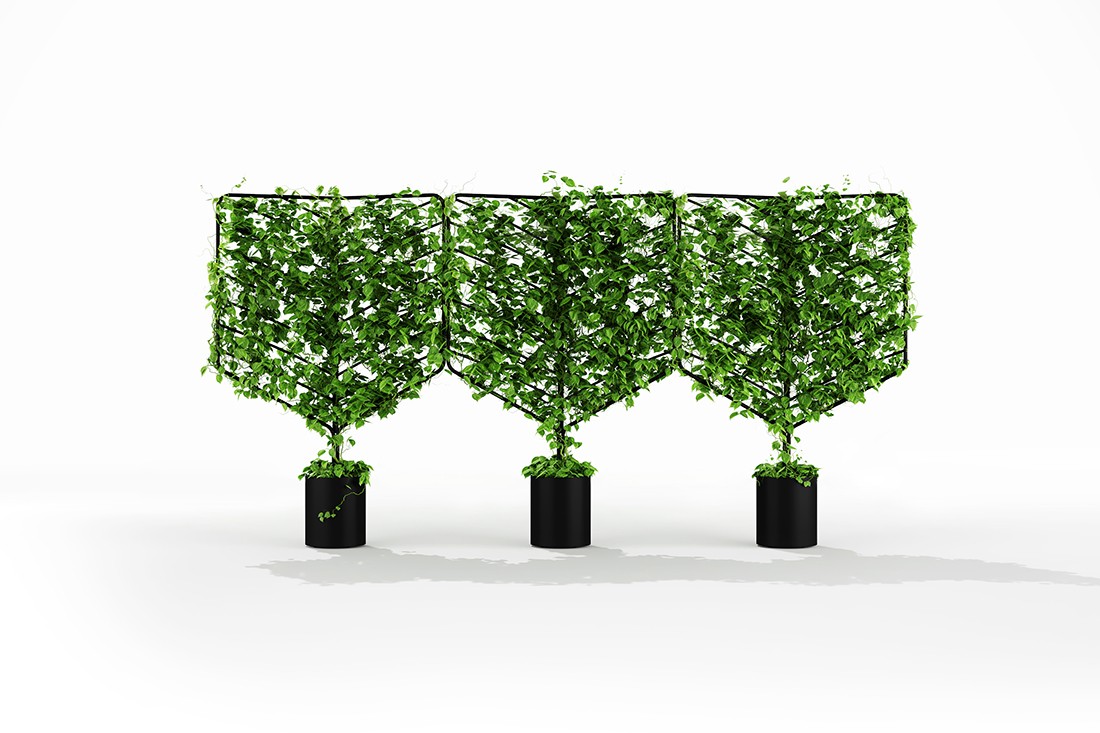
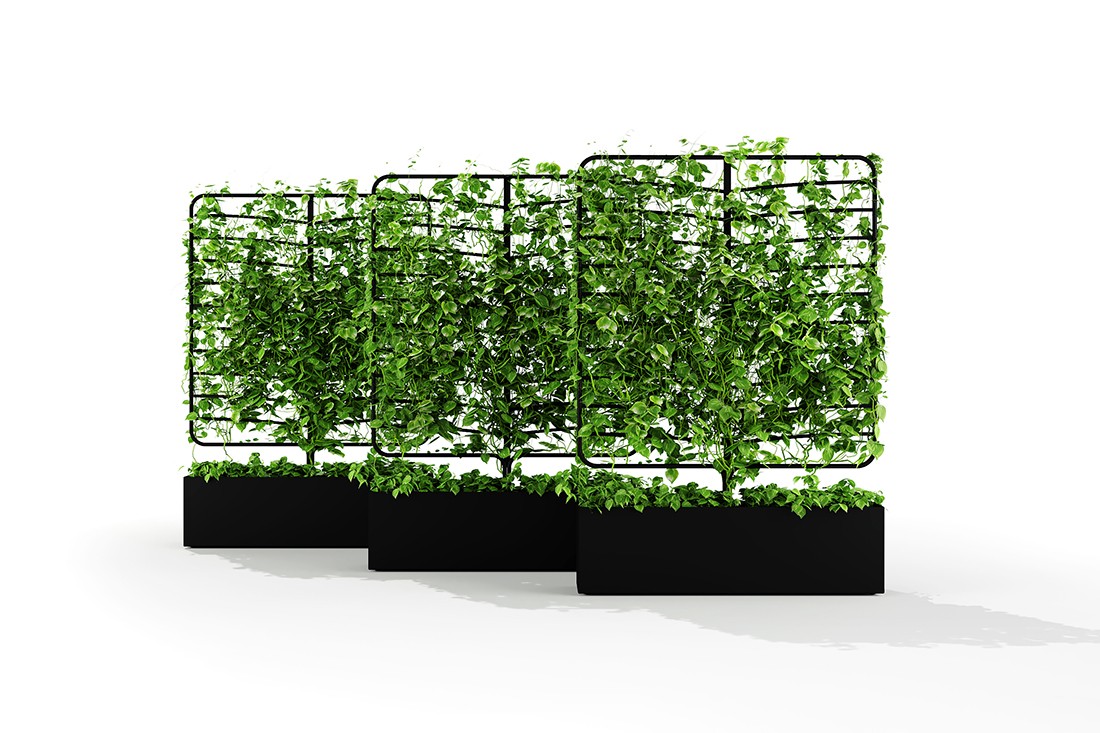
Constructed in a combination of lightweight aluminium and stainless steel, each planter has been designed to be able to either stand on its own, or fit into a modular row. Other clever design flourishes ensure the ultimate in flexibility, such as hidden castor wheels and a self-watering function.
Helen shares her inspiration for the range, the fabrication process and how she imagines they might be used.
IDL: Can you share the inspiration behind your Botanical planters?
Helen Kontouris: On beautiful sunny days, you will often find our family with friends at the Melbourne Botanical Gardens. It’s a place where we feel encapsulated by trees and nature and even though it’s so close to the city you somehow feel surprisingly disconnected from the bustling city surrounding you.
Observing the large trees and canopies in the botanical gardens provides secluded outlooks to have a picnic or to read a book and even shelter from rain – this was a defining influence for the Botanical planter screen collection.
What is the fabrication process for Botanical?
We work with a fantastic team of local Australian manufacturers to undertake each stage of the fabrication process. This means all of its varying parts can come together easily and it was very helpful in the development stage as we were able to visit these manufacturers.
The end product, the Botanical collection, is made from stainless steel and aluminium with UV-stable coatings so that it’s able to withstand the harsh Australian elements, whether outdoors or indoors.
Why do you think the Botanical planters have been so popular?
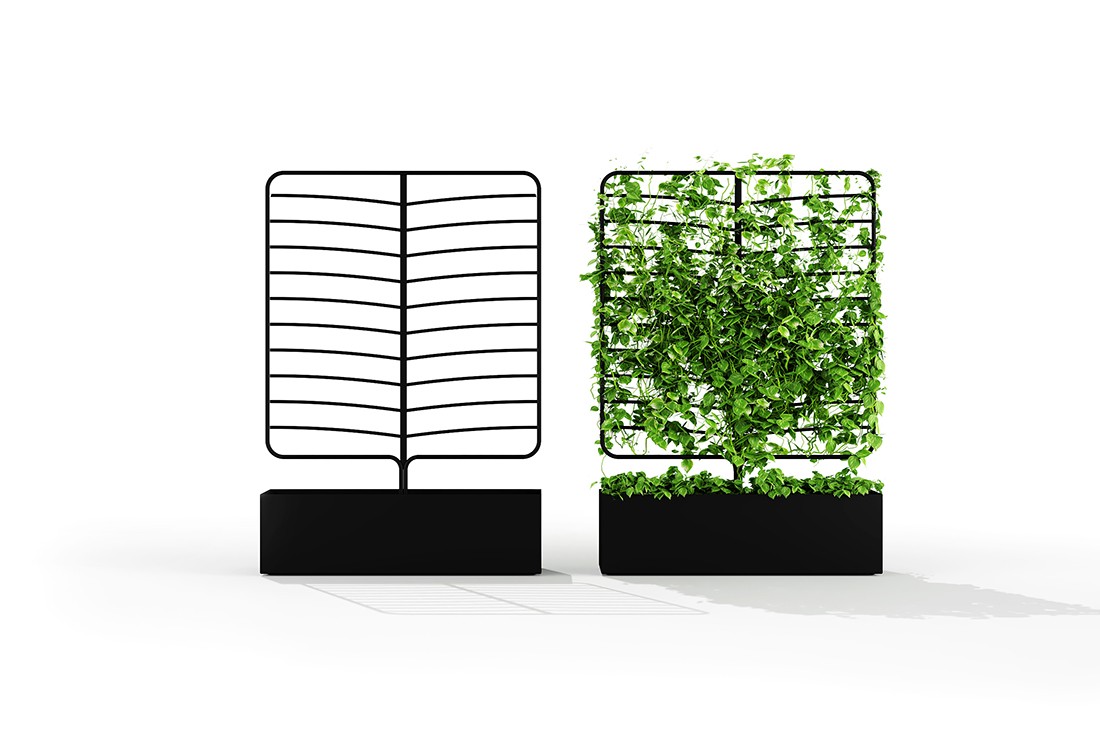
The organic sculptural forms are a play on the organic sensibilities of nature. Each style in the collection resembles leaves, with the vascular branches literally allowing the climbing plant to come to life and flourish around the structure.
Another reason I think people have really responded to them is that I find when you’re outside in nature, you can experience the beauty of it and have a sense of relaxation. So then when you’re inside working, creating or entertaining, the Botanical is a natural extension for how we feel when connected to nature.

Wellness is a big industry that seems to be growing and plants play into that – what are some of the benefits of having plants in an office environment?
Our Botanical planter screens are a response to the human need to connect with nature – plants are scientifically proven to accelerate air quality and remove VOC’s, while improving productivity, creativity and wellbeing so they naturally bring the healing power of nature into office environments indoors… and out.
How do you envision them being used?
I’d love to see people create new and different ways to use them, however I see them being used as green space dividers in open plan offices, or even homes, as screening and directional way-finding, pool and outdoor entertainment areas screening, green acoustic panels or even to create a thriving vegetable garden in a small space, utilising climbing plants.
What is the process you follow when developing new products?
We generally work through a process of identifying a need, conducting research, deriving inspiration from our travels along with our vast library of thousands of photographs documented over the years. Then it’s brainstorming, sketching, followed by reduction of the design.
This is a process that is generally repeated over and over. A product like this normally takes about two to three years to get all of the design, manufacturing and production working together cohesively.