In Finland, it’s not unusual to see kindergarteners running through the forest, their bright clothes flashing through gaps in the trees and their laughter coalescing into an exuberant, dizzying cloud.
For years, schools across Finland have incorporated a “forest kindergarten” program that sees five- and six-year-olds spend four hours a day in an outdoor classroom. Sometimes lessons are structured, and parallel those in conventional brick-and-mortar classrooms. At other times, “lessons” mainly consist of the children freewheeling through the trees, gathering sticks and leaves as they fabricate their own complex games and stories.
Perhaps understandably, Europe’s forest kindergartens have attracted press coverage around the world, verging from the cautiously sceptical to the celebratory. “Only in Europe,” seems to be the general response from international outlets, in the journalistic equivalent of a fond eye roll.
While there’s little arguing that the embracing of alternative (or, some would say, laissez-faire) pedagogical methods and granting of considerable freedom to children barely out of their toddler years is, well, typically European, it’s unclear why this should necessarily remain the case.
In his coverage of Finnish forest classrooms for The Atlantic, teacher and journalist Timothy D. Walker observed that the children in the forest were alert, engaged, and energetic in ways that his own students were not. “Throughout my visit,” writes Walker, “I kept searching for the “bored student,” and after one hour, I thought I finally found him…The boy wasn’t bored, I corrected myself. He was simply resting.”
What Walker discovered anecdotally – that the children seemed to reap vast benefits from their time in nature – is supported by research. Studies have repeatedly shown that a connection with nature helps boost development in young children, and can also be a valuable source of peace, self-control, and self-discipline.
It’s clear that nature has enormous benefits on children, and there’s little doubt that these extend to adults, too. Specifically, natural elements can enhance satisfaction and productivity in the workplace, in addition to offering a host of health benefits.
So what’s the design world doing about it? One would be forgiven for thinking that for much of the last century, architecture and design has focused on keeping humans and nature separate: high rise construction and a reliance on air conditioning mean that operable windows are conspicuously absent; around the world, forests have been cleared at alarming rates to make way for new development.
In the past few years, however, the industry seems determined to make a change and reconnect with nature, teasing out the best of its characteristics to support human development and wellbeing. Mafi, the sponsors of the Wellness Space category at this year’s INDE Awards, understand the importance of this movement, and have taken up the mantle with characteristic aplomb.
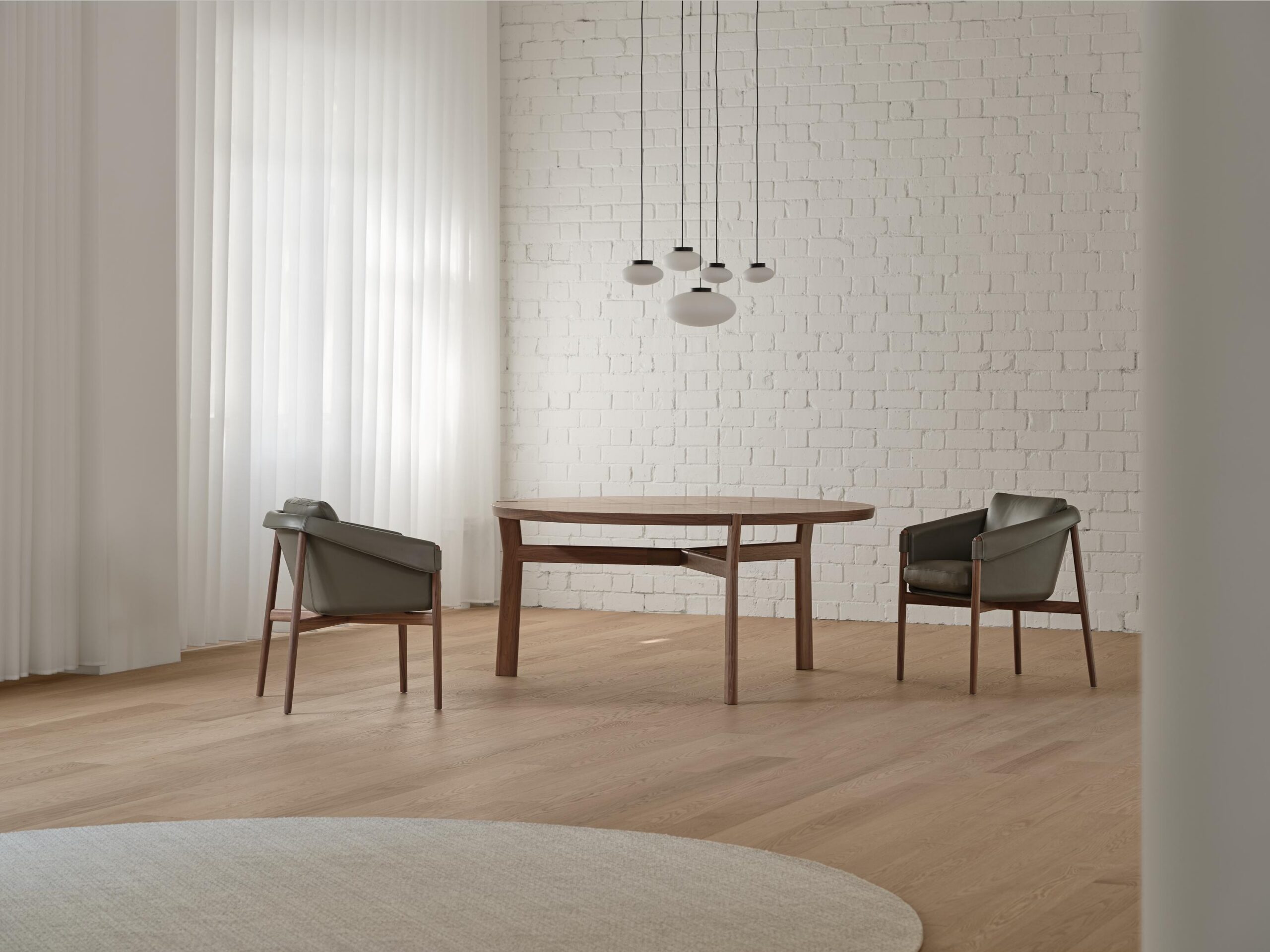
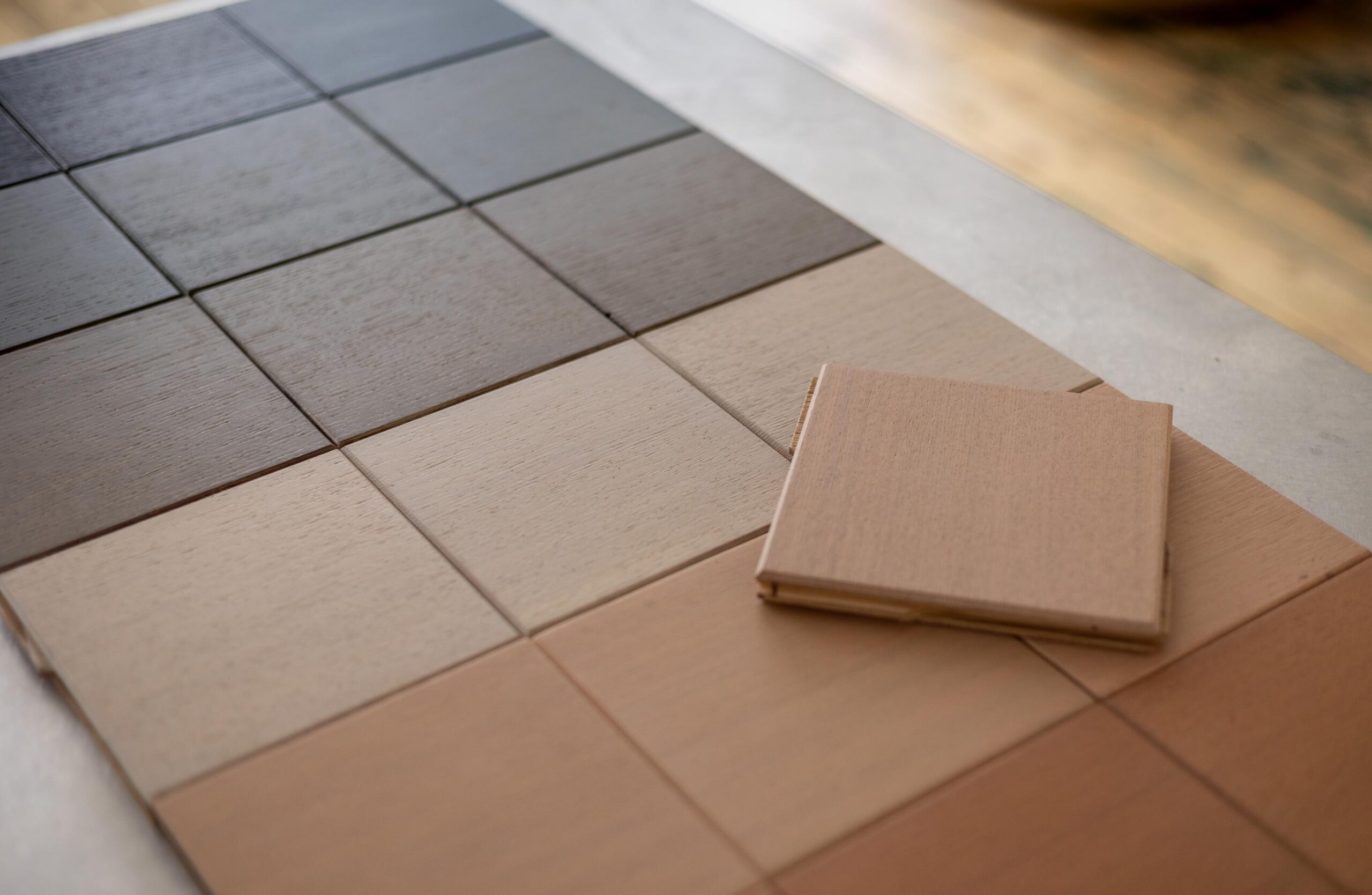
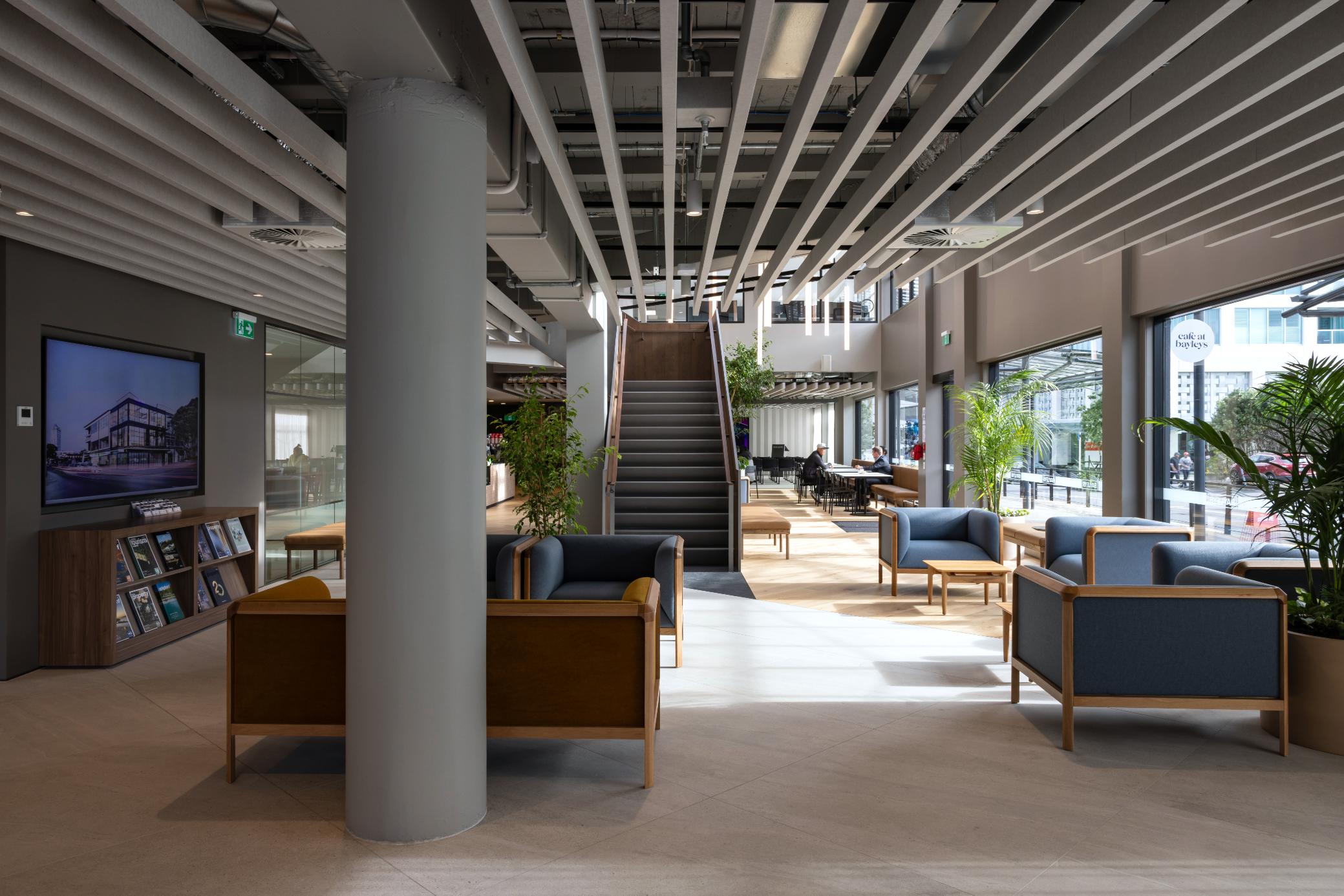
Stylish, sustainable, and versatile, Mafi‘s broad catalogue of timber products brings the best elements of nature – the original Wellness Space – into contemporary interior spaces ranging from commercial environments to homes and apartments.
By bringing the warmth, tactility, and unique look and feel of timber indoors, Mafi helps people reconnect with the world around them and avail of the benefits of immersion within natural materials and environments. The softness and familiarity of timber environments helps put occupants at ease, and can support them in achieving their fullest potential within a space.
As a consequence of this plethora of positive side effects, Mafi products have become a favourite choice for the wall and floor linings of some of today’s leading wellness spaces including healthcare facilities, childcare, and fitness and meditation spaces. Mafi products also take advantage of the physical health benefits offered by timber linings and surfaces, including healthier indoor air quality, a toxin-free environment, and the absence of irritants that may cause or exacerbate allergies and asthma.