Fossil fuels are the energy sources of the past. As the world continues to move towards cleaner and more green energy, the architecture and design industries are changing. Solar power, self-sufficiency and cleaner energies are becoming the technologies of the present, and the architecture and design industries are taking notice when it comes to residential design.
The Problem
In homes old and new, having a green energy source, such as the renewable power of the sun, has long the dream of designers and the energy conscious alike – but has not necessarily feasible. While photovoltaic (PV) solar panels work during the day, the typical household uses most electricity most early in the morning and in the evening, with the supply no matching with the demand.
While surplus energy can theoretically be stored, proper battery storage systems are prohibitively expensive. For renewable energy to make sense in residential applications today, energy systems need to be able to adapt to varying household consumption times – and the key is automation.

The Solution
While certain tasks such as lighting, cooking and food preservation are tied to specific times of the day, activities like powering dish washers, washing machines, hot water tanks, electric vehicles, pool pumps, and heating/cooling systems can be scheduled to synchronise with a home’s self-generated electricity.
These power-hungry systems represent a significant percentage of daily energy consumption, so designing homes to automate these to run when solar panels are in peak production can deliver significant savings, and help the planet.
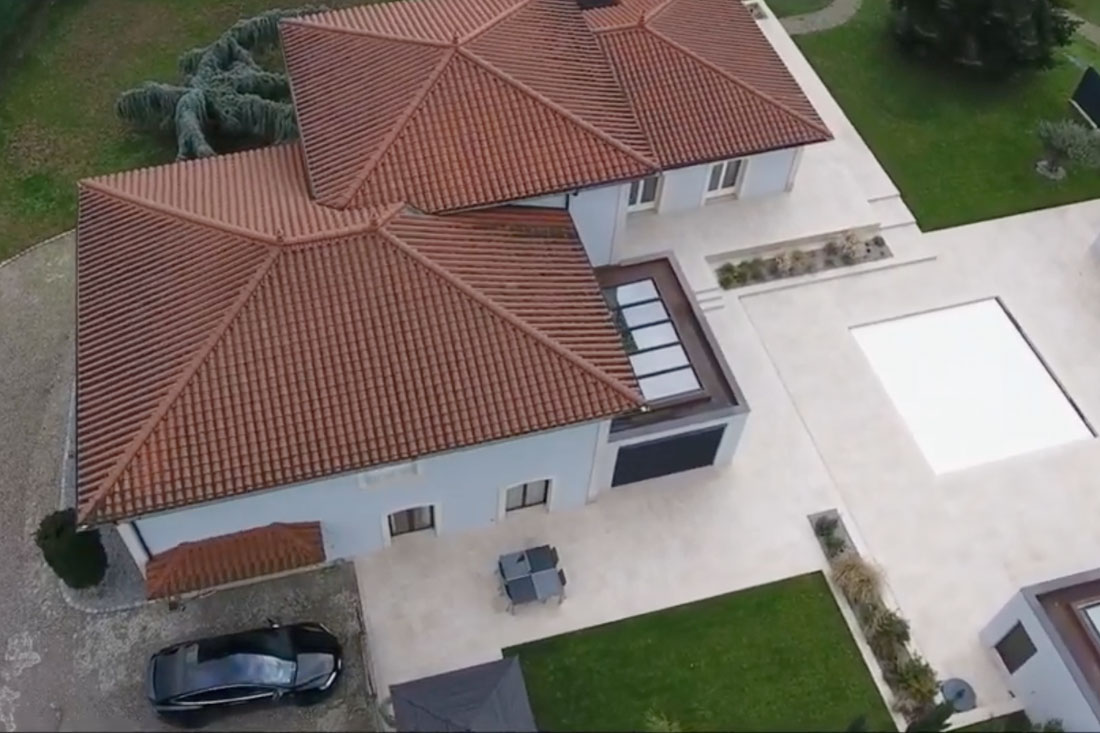


Green Energy, Wiser than ever
Automated real-time energy monitoring and control is now possible and easier than ever before. When designing homes, the inclusion of systems such as Schneider Electric’s Wiser Energy system means homeowners can take advantage of cheaper, off-peak energy to make the most of their solar power installation.
Controlled via a simple, powerful app, the Wiser Energy system allows homeowners to easily spot inefficiencies that increase energy bills, observe which electrical appliances are running at any point, 274, as well as estimate energy bills and automate systems to take advantage of cheaper, off-peak hour – saving money, and helping the planet.
The new green energy landscape
Smart homes are here and here to stay. The digitisation of the homes we design is reshaping the energy landscape across the planet, paving the way for energy optimization in all homes. As designers in the 21st century, we owe it to future generations and homeowners alike to ensure a greener, and cheaper, energy footprint. With Schneider’s Wiser Energy system, this is more possible and easier than ever.