Sustainable practice goes part and parcel with high end interior design. Recycled materials combined with ethically sourced natural elements are standard procedure for designers across the globe. Manufacturing processes that strive to benefit animals, people and/or the planet are a much more attractive option when purchasing products due to the benefits they possess.
Cult’s Considered Collection reflects these values and processes, with every piece within the collection meeting one of three sustainability credentials – Sustainable Materials, Sustainable Manufacturing or Ethical Production.
By choosing these Cult curated items, there comes with them a certain sense of satisfaction that you’re doing good on the environment’s behalf. Couple this with the design traits of some of the world’s best brands, and it becomes logical to fit out your next project with the Considered Collection.
Sustainable Materials
Items within the Considered Collection that are under the Sustainable Materials banner are crafted of exactly that, comprising of a range of recycled or natural pieces, including beer production by-products and ocean and plastic waste. All products with the Sustainable Materials tag are innovative and creatively constructed, and as a result are environmentally friendly and easily disposable when their life as a piece of furniture has come to an end.
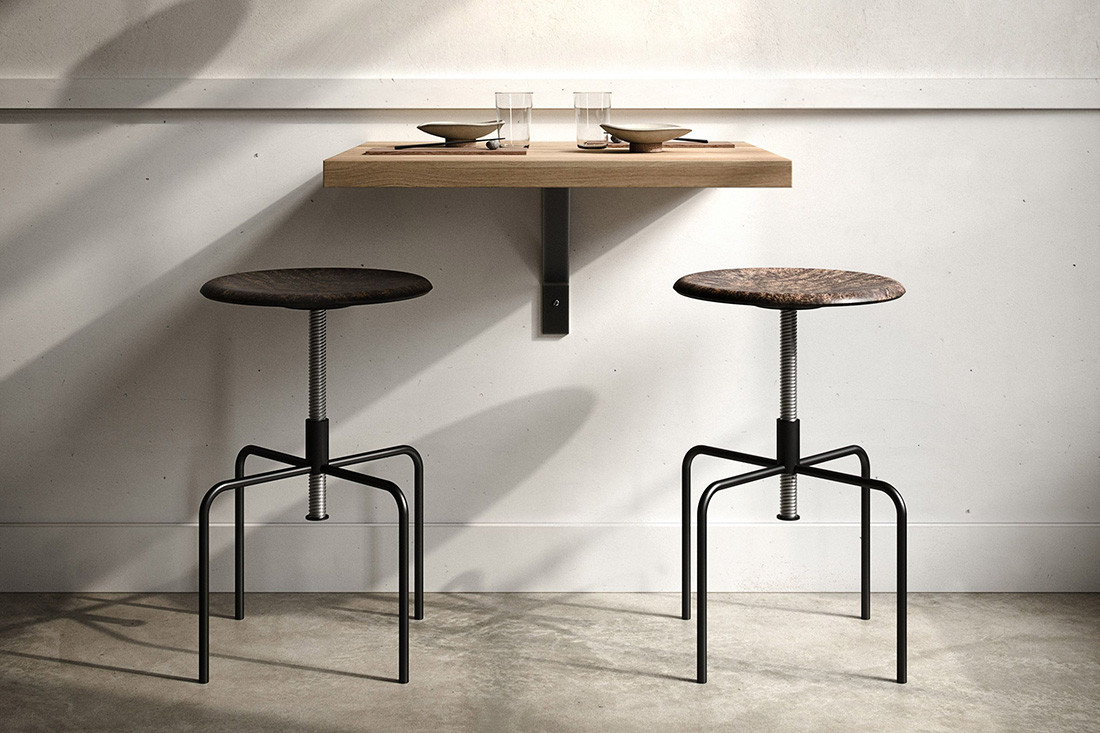
Renowned for their sustainable and ethical design philosophy, Danish brand Mater uses a ground-breaking production method to create their Earth and Mask stools. Using the low-value waste from Carlsberg’s beer production – the discarded grain (Danish ‘mask’) is mixed with post-industrial plastic waste in an unlikely marriage to form visually textured, press-moulded seats.
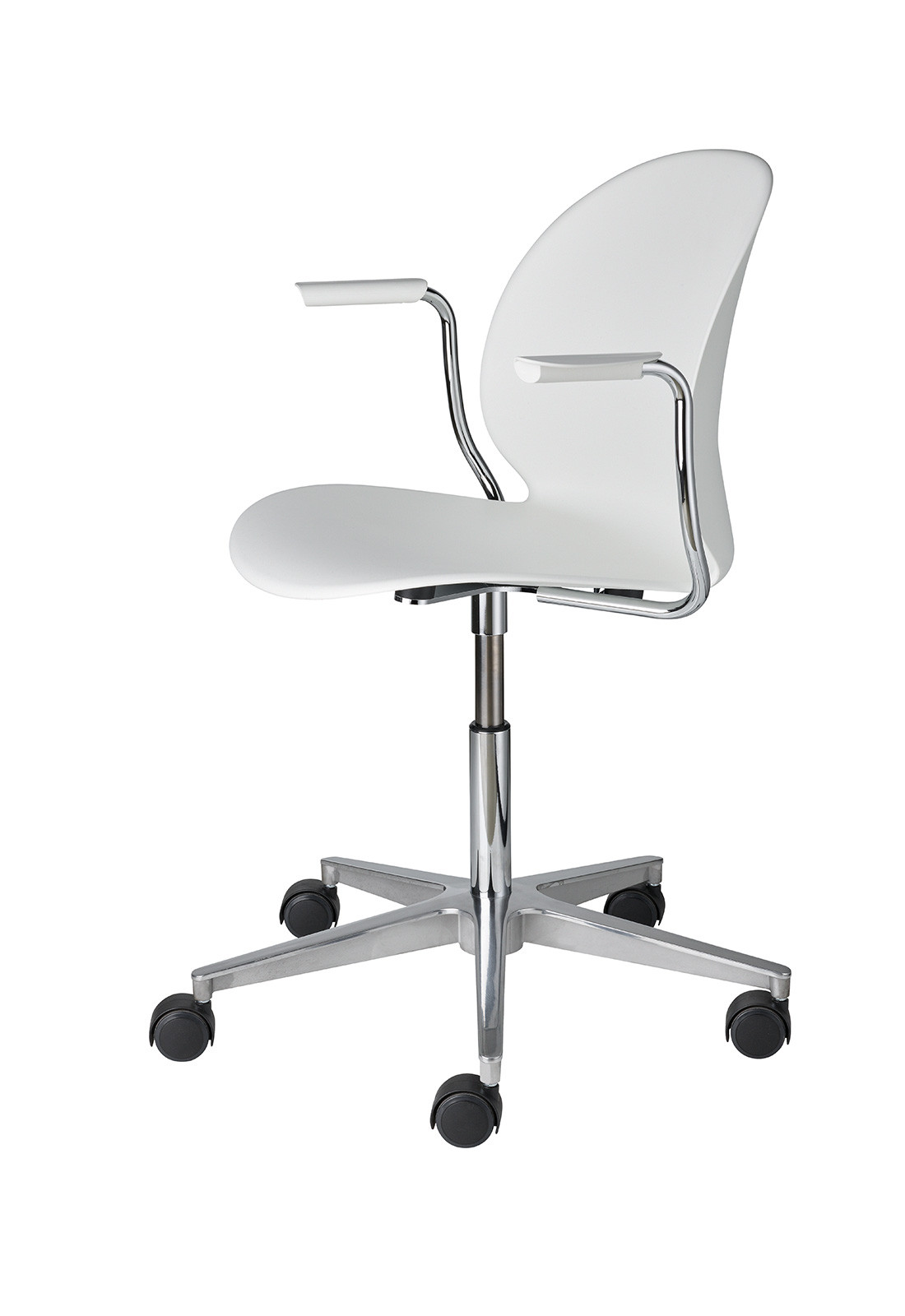
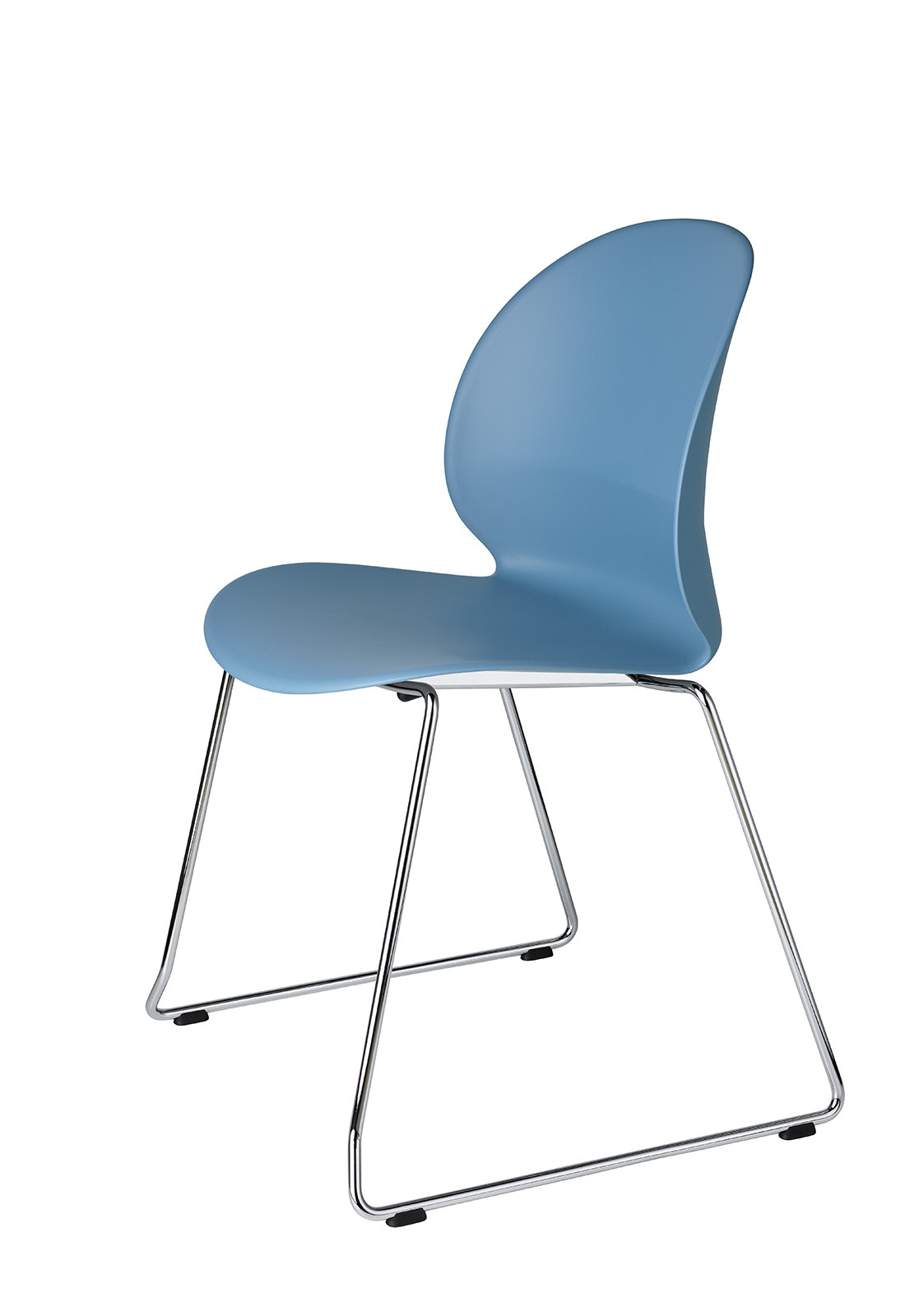
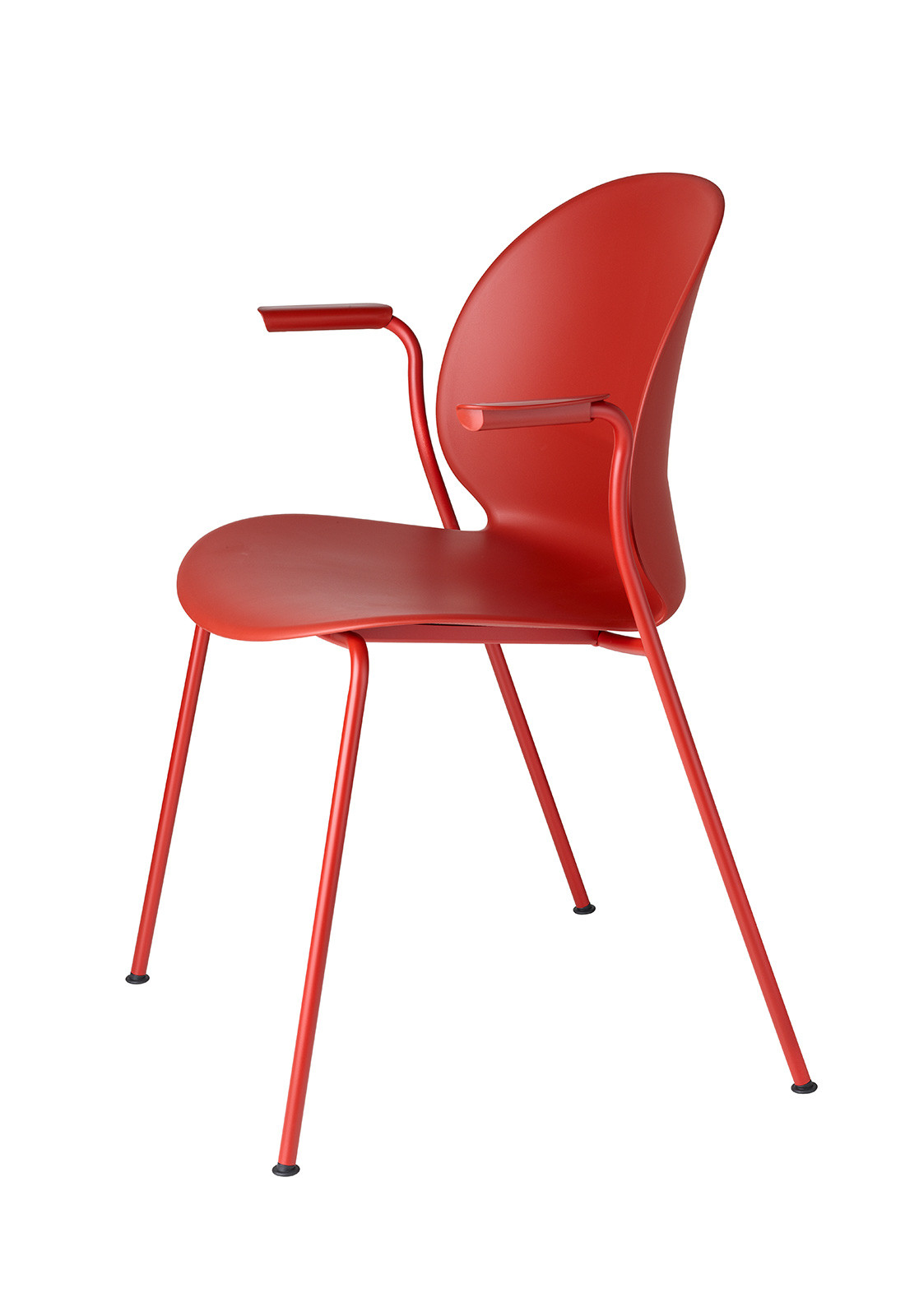
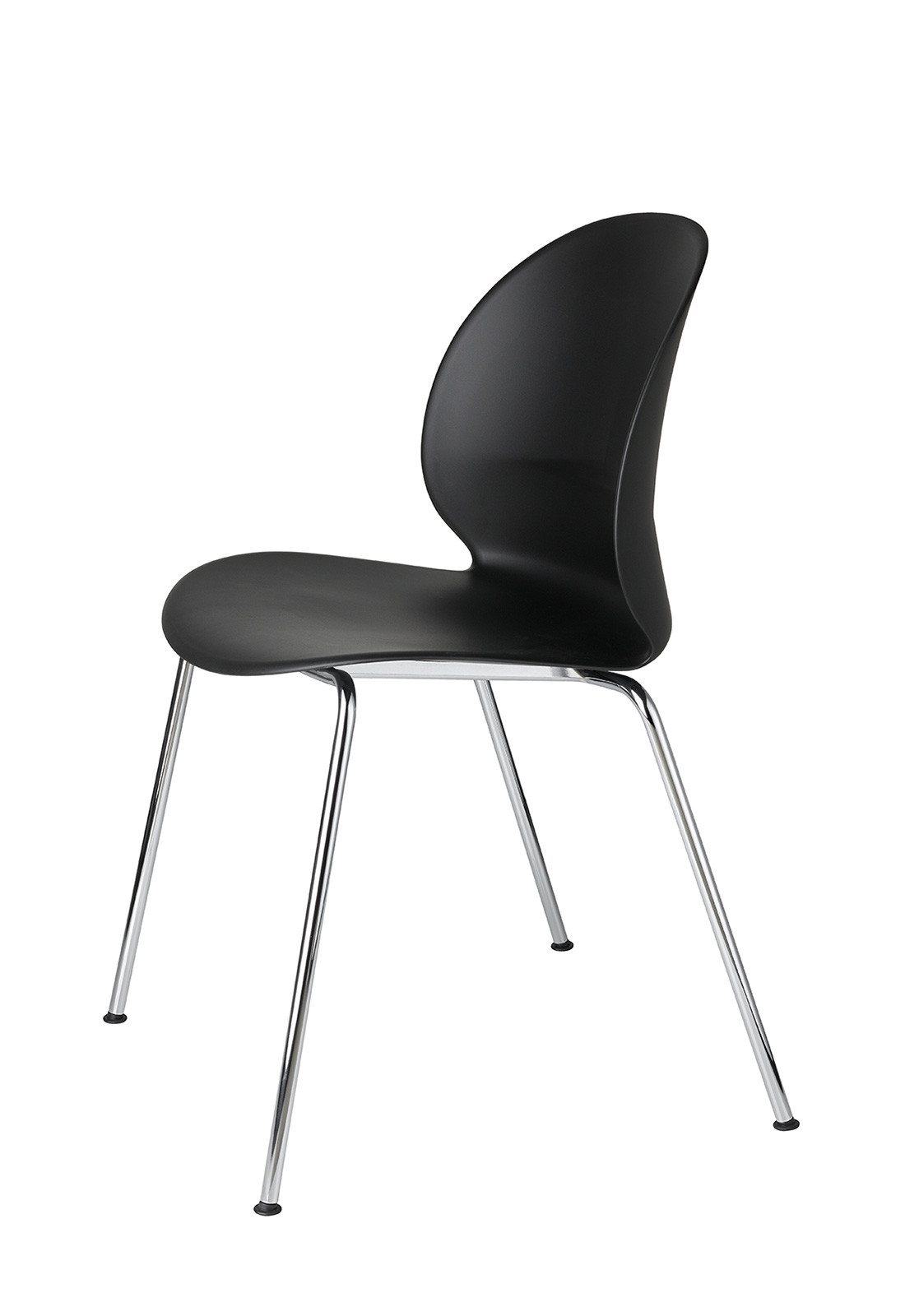
Fritz Hansen’s N02 Chair by Nendo has a circular plastic shell, and given it’s Sustainable Materials tag, has been crafted with materials that create minimal footprint. Recycled plastic waste has been ultimately reshaped and reused by Fritz Hansen, and can be recycled again at the end of its lifespan. The plastic, collected from central European households, is initially turned into pellets, before being upcycled into the distinctive ‘folded’ seat shell of the N02, that is now available via Cult.
Sustainable Manufacturing
Sustainability extends beyond materiality through to each stage of the production and supply chain, with many of Cult’s brands introducing new or revised production methods to minimise negative environmental effects. Brands are becoming continually more environmentally conscious throughout the manufacturing phase, and the results of that consciousness are truly stunning.
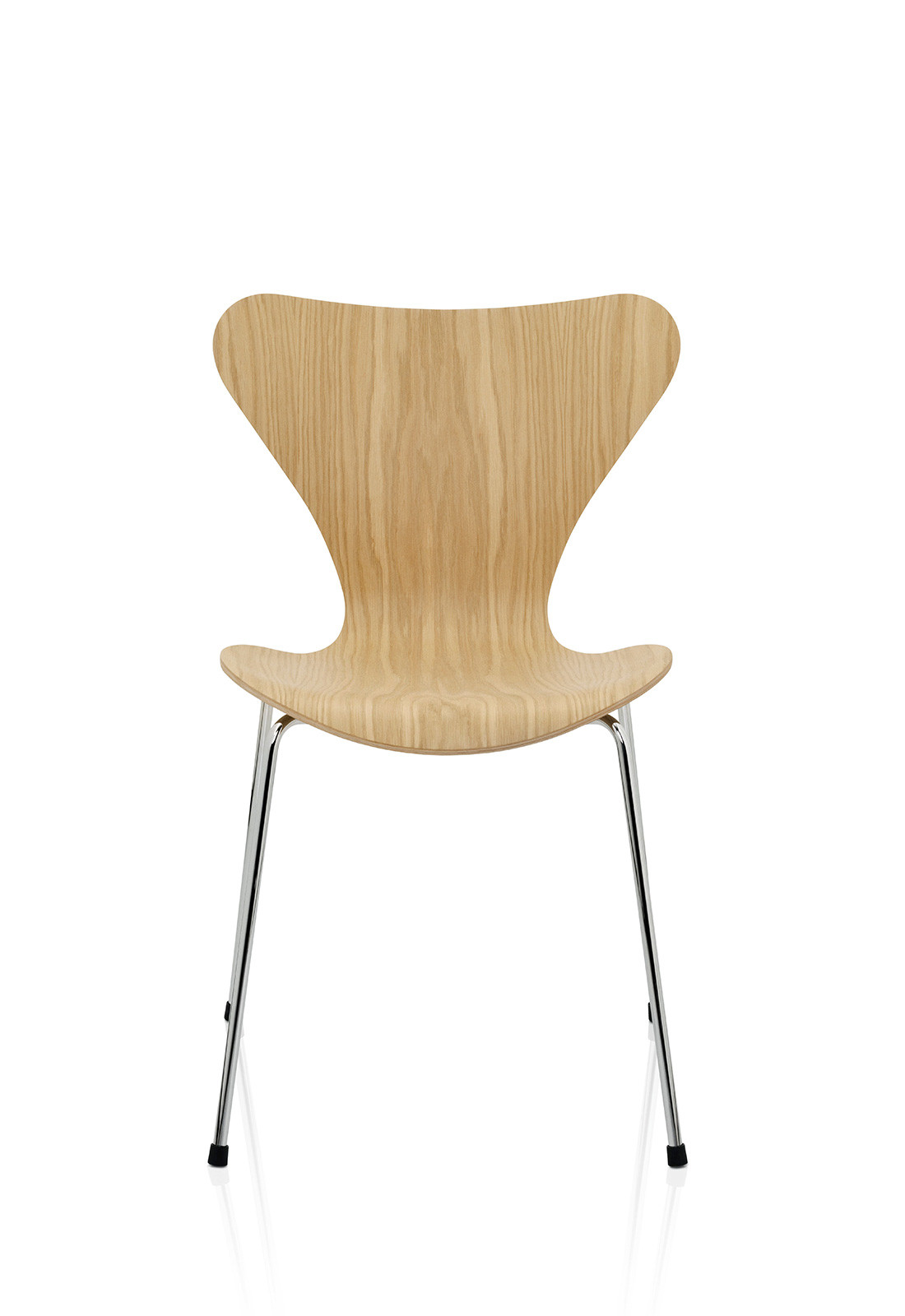
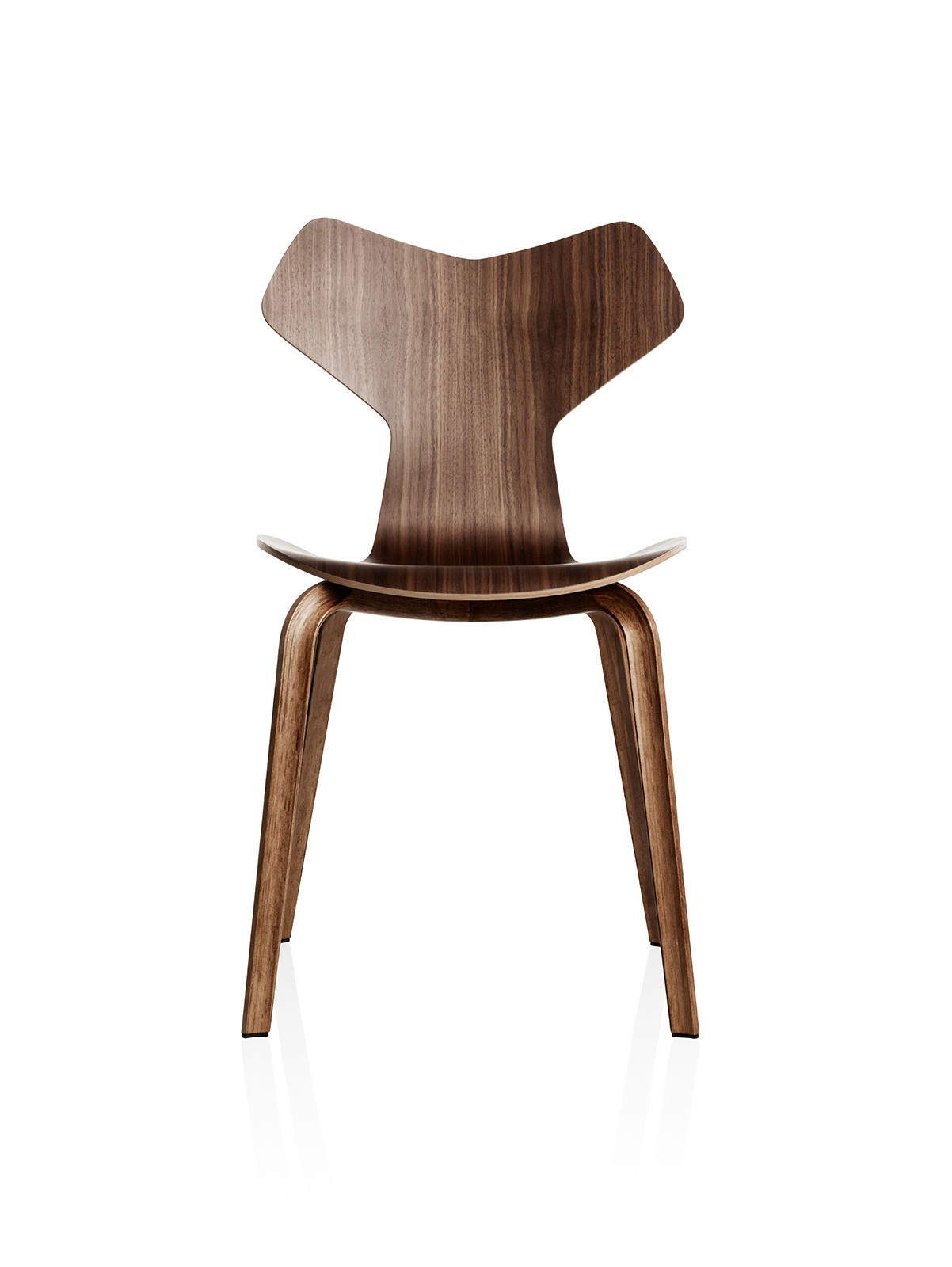
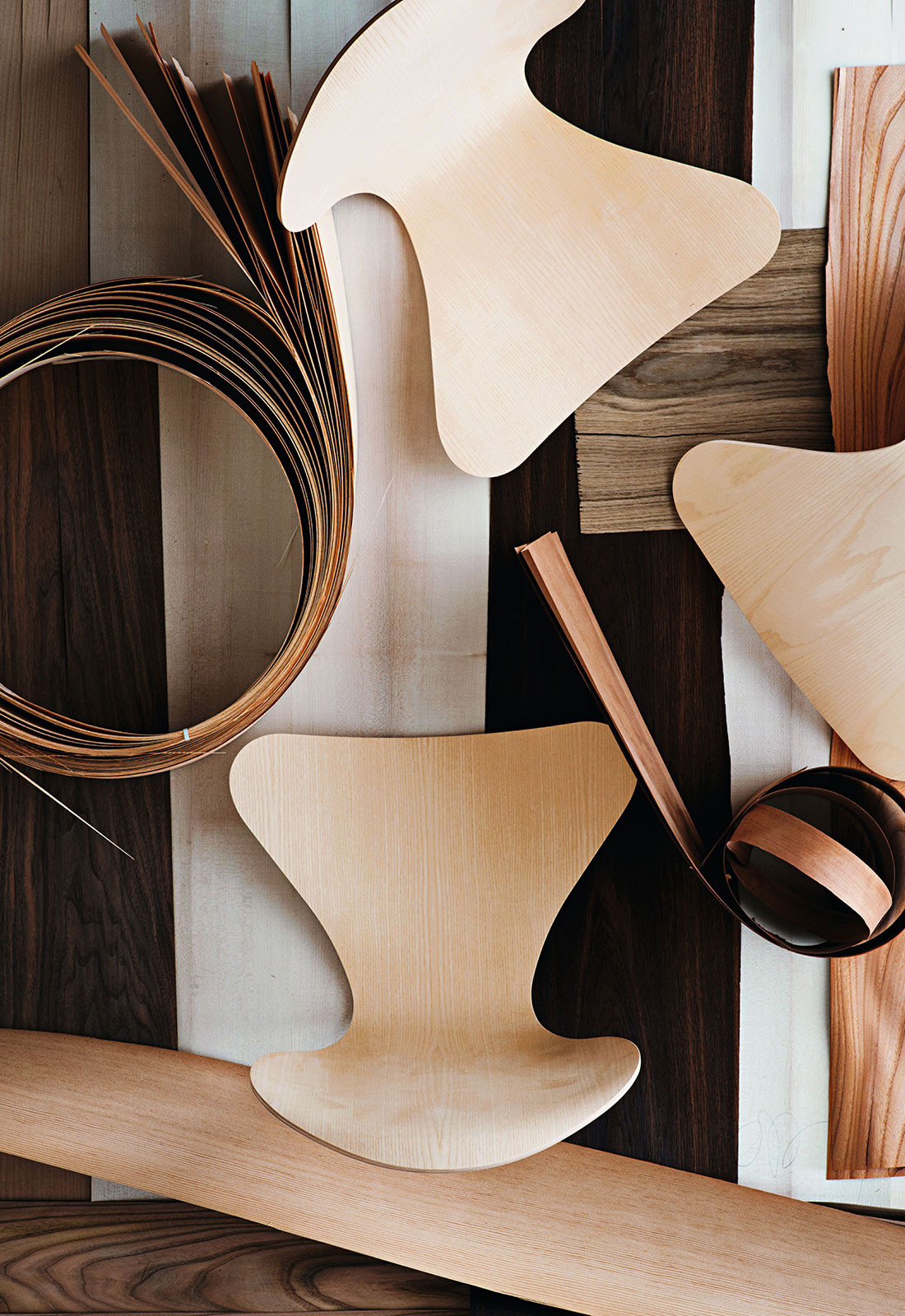
Several designs in Fritz Hansen’s collection are Greenguard certified, including iconic veneer chairs such as the Series 7 and Grand Prix. This means they are tested for Volatile Organic Compounds (harmful gasses emitted from certain solid products) and have been manufactured with low chemical emissions, making them a logical decision when curating furniture for your latest project.
Fritz Hansen strives to minimise production waste across all products, recycling and reusing where possible. Excess foam from the production of upholstered products such as the Egg or Swan chair is recycled and granulated into bounded foam. Scrap metal from chairs bases is melted for recycling come the end of its lifespan.
Ethical Production
Striving to benefit and assist local communities is a fundamental goal for many brands under the Cult umbrella, who are continually looking to improve the world around them environmentally and culturally. From community assistance, to education programs, to charitable support or donations, explore socially-responsible products from ethically-minded brands.
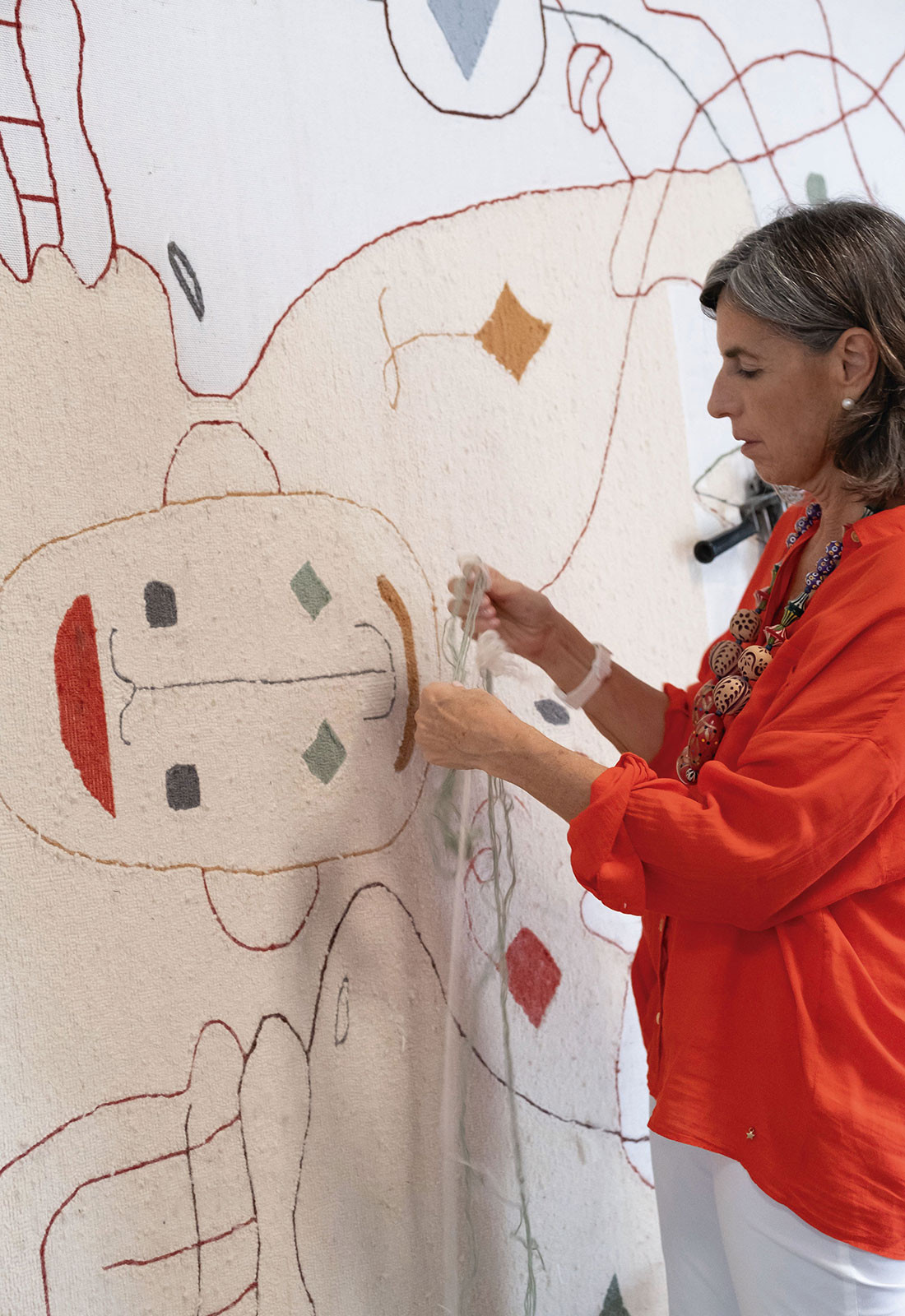
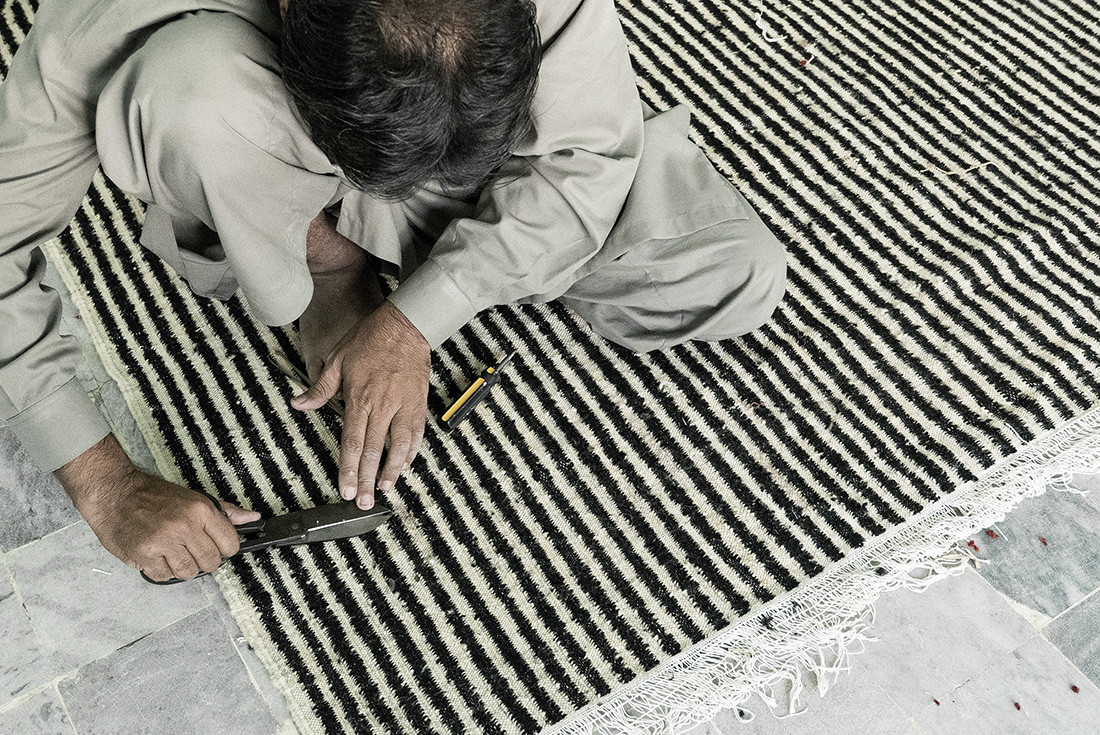
nanimarquina develop strategies to improve the lives of artisans, with special attention in India, Pakistan and Nepal – countries in which they produce. Since 2002, they have granted part of their sales to charities which ensure the children of weavers have access to education.

By working with countries that master the art of weaving rugs, nanimarquina respect the ancestral techniques that teach us so much about the value of materials, artisanal work and the need for things to last. The combination of tradition with research enables nanimarquina to create quality rugs, without losing the charm and uniqueness of craftsmanship.
All products listed plus many more are now available via Cult’s website or in their showrooms Australia-wide. To view or find out more, make your way over to cultdesign.com.au.