While the Bi-City Biennale of UrbanismArchitecture – Shenzhen has held its official closing ceremony, the exhibition itself has been extended to 14 March, which is indicative of its success. As of January, the three-month long event has received 120,000 visitors, and the final figure is projected to hit 180,000.
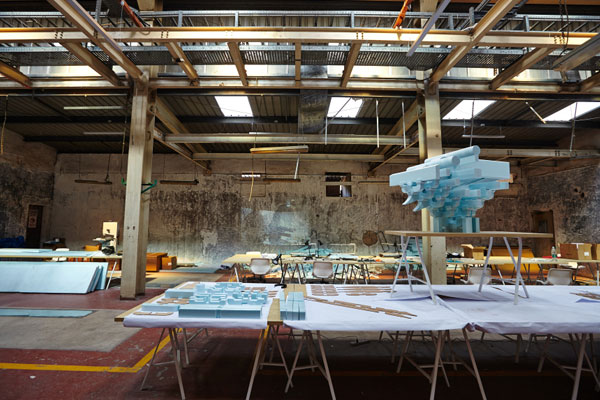
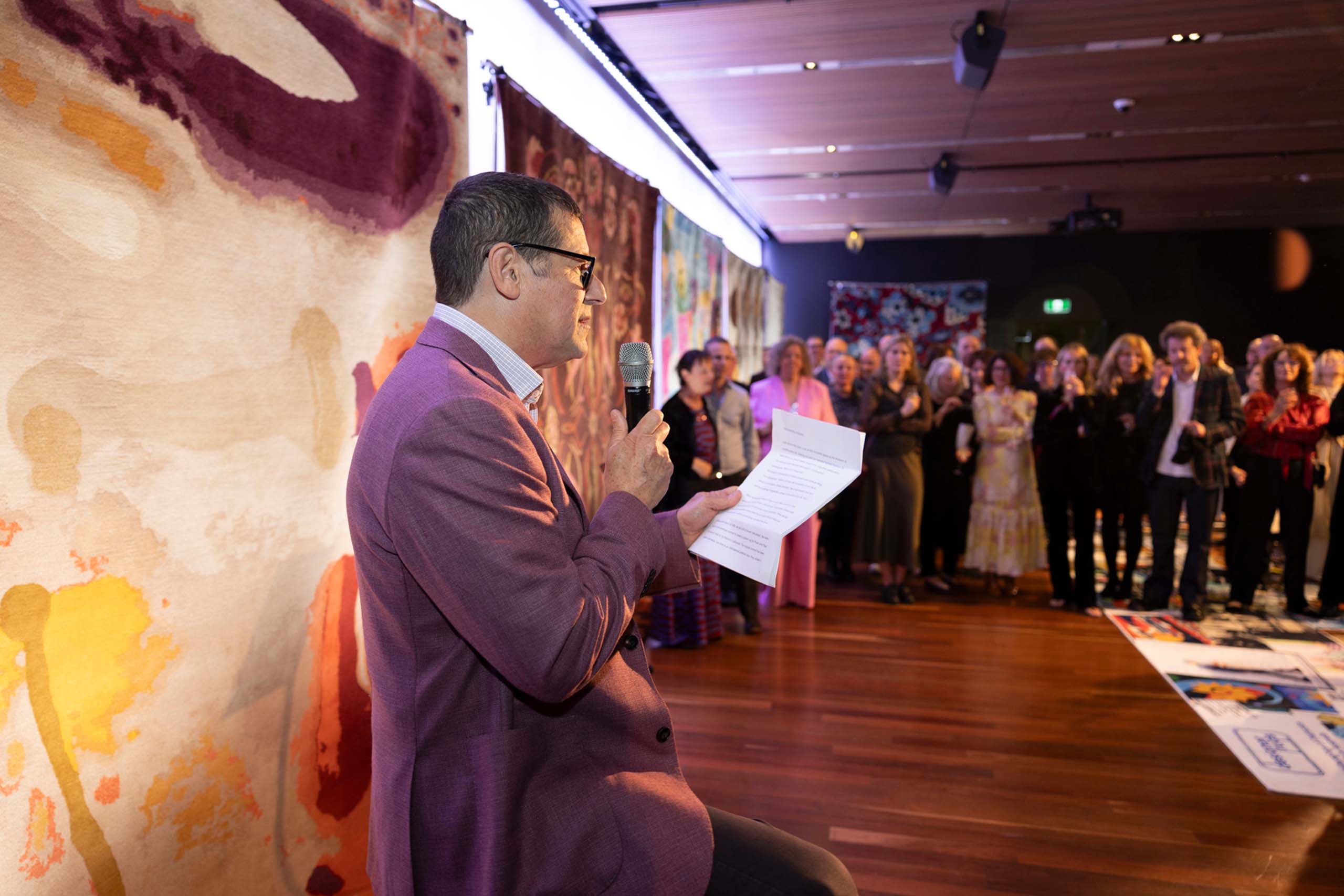
Workshop by OMA
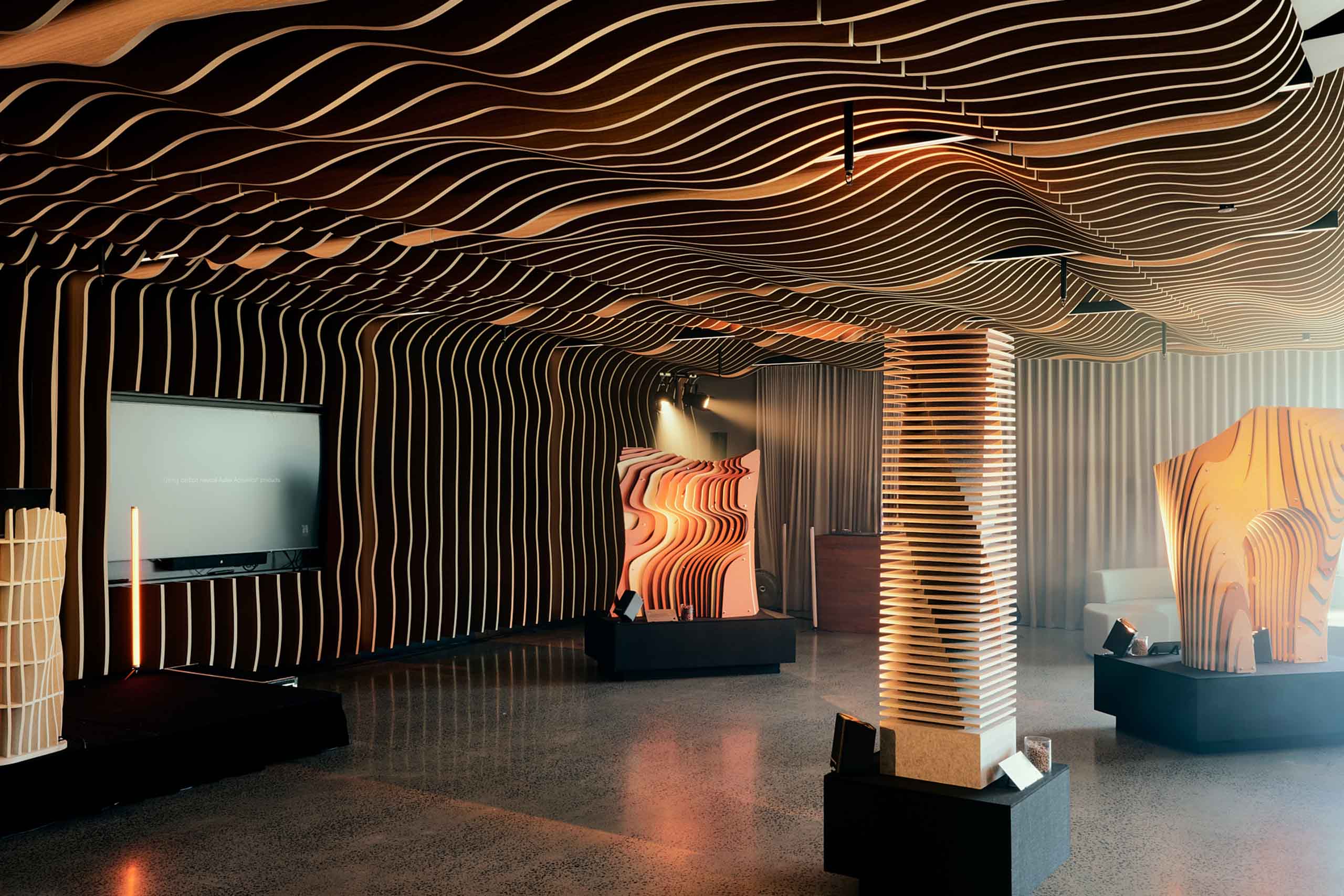
The Shenzhen biennale is split between two main venues. At the transformed former Guangdong Glass Factory, UABB Creative Director Ole Bouman explored his manifesto of ‘Biennale at risk” and in three months, turned the formerly derelict factory into a ‘Value Factory’ nurturing local, regional and international collaborations. Some of the cultural institutions that have taken part include the Victoria & Albert Museum (V&A), MAXXI, Droog Design and MoMA New York.
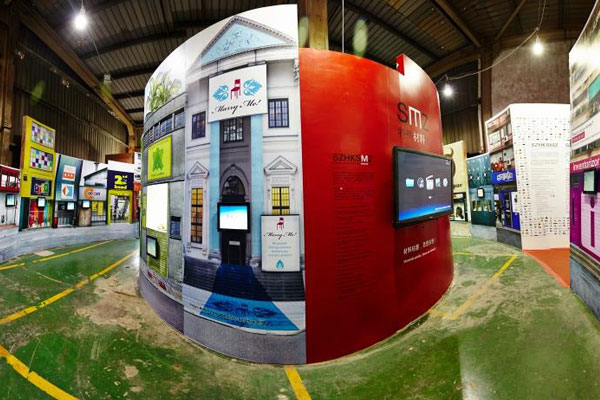
Droog Design exhibit
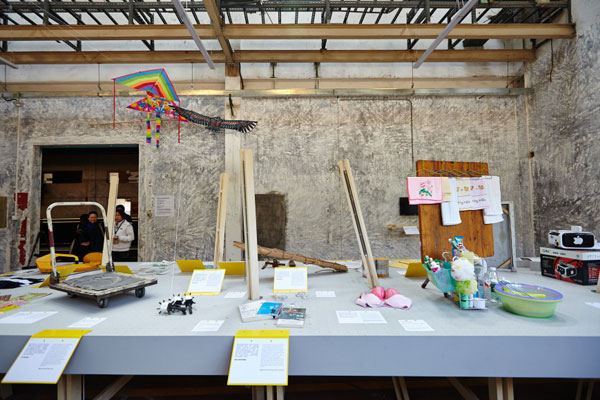
V&A exhibit
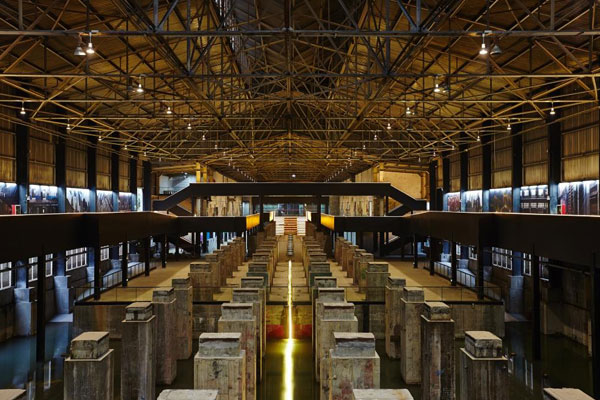
The second venue is located at the abandoned warehouse at Shekou Ferry Terminal, which was renamed “Border Warehouse” for this event. Curators Li Xiangning and Jeffrey Johnson adopted the space for exhibitions and re-conceived it as a space that can continue to play a role in Shenzhen’s cultural landscape.
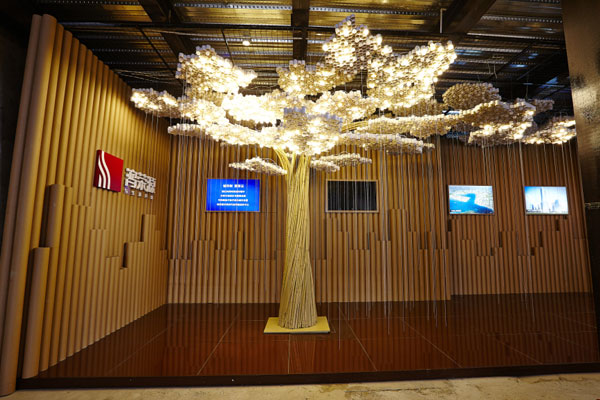
City Prosperity Era
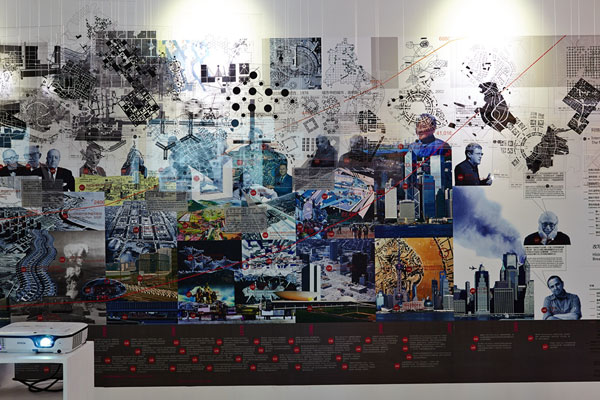
Timeline of City Edge
The post-industrial site at the Shekou transport terminal was perfect for their curatorial ‘documentary’ on the theme of “Crossing Urban Boundaries”. The exhibition was organised into five sections: Border Documentary Timeline, which established the historical and conceptual framework; Crossing Border Case Studies, which presented research, projects and speculations; Exploring Social Boundary, which focused on critical issues usually less visible and marginalised; National and Regional Pavilions, where invited curators from nine countries and regions created exhibitions; and Border Video Galleries, where 12 different interpretations of urban borders through the medium of video were continuously projected. Collectively, the more than 80 exhibitions and 100 participants constructed a diverse historical narrative on the city and its boundaries—both visible and invisible. The exhibition not only represented historical conditions of the city but also brought to light many critical issues confronting cities today, both in China and around the world.
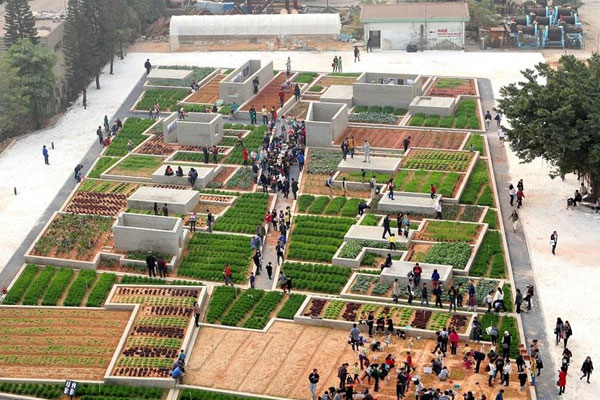
Value Farm
Bi-City Biennale of UrbanismArchitecture – Shenzhen
szhkbiennale.org