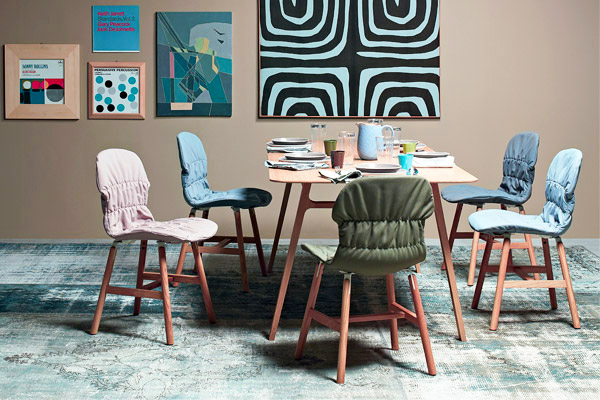
Above: Stereo Wood chairs by Luca Nichetto
At the foundation of each Casamania collection are dynamic, innovative, and high quality design solutions.
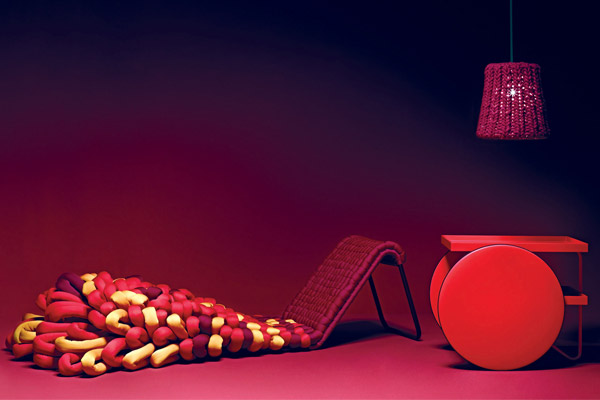
Chariot by GamFratesi
“The products are a little bit different: quirky, innovative. They offer a point of difference for us. The way that they collaborate with international and emerging designers is also part of our ethos – it resonates with the values of CCI”, says Laura Sue-San, Marketing, Communication and Brands Manager for Café Culture + Insitu. “It is nice to know that with Casamania there is still a very complete hands on collaboration from the beginning of the design process, that they really engage with the designers they work with”, she continues.
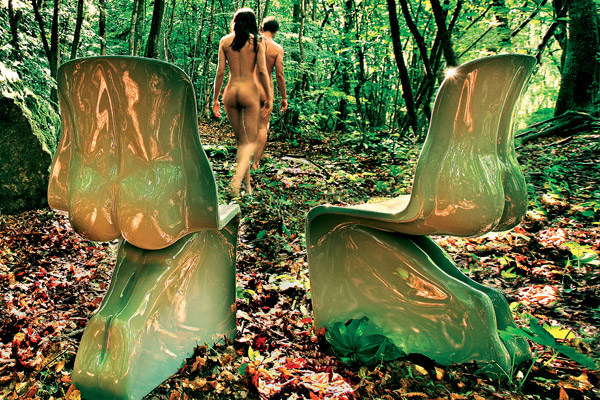
Him & Her chairs
Casamania represents a contemporary and forward aesthetic that seamlessly translates to high end residential, hospitality, or commercial design projects, with collections covering a wide range of pieces from modular systems and furniture, to lighting and accessories.
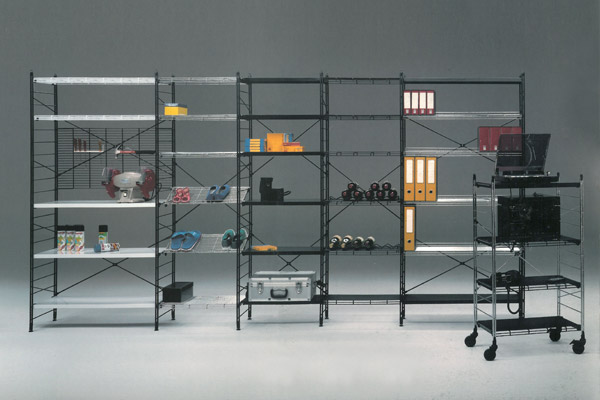
Festival Trolley by Baldanzi & Novelli
The company’s designs are strongly characterised by bold colour, distinct shape, and clean, fluid forms, bringing a visual harmony to any space. The combination of innovative yet unpretentious design, high quality manufacturing and a price-point in step with value have made it a strong name in the Café Culture + Insitu catalogue that appeals to the commercial and hospitality applications the company specialises in.
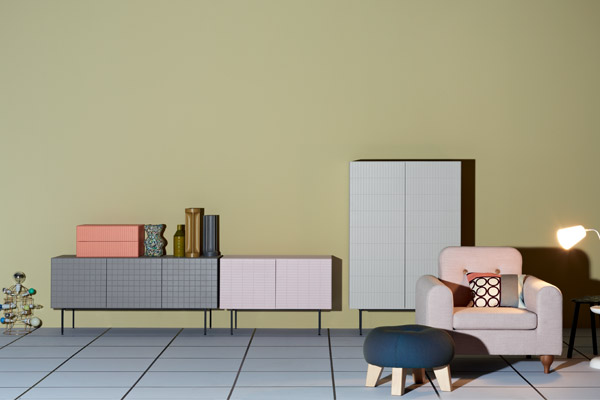
Toshi cabinets by Luca Nichetto
Three designs are particularly worth highlighting: Lapel, Stereo Wood and Raphia.
Born from a desire to reduce the packaging required to ship a chair, Luca Nichetto’s Lepel chair can be stored and shipped in separate and stackable parts. Each backrest is stackable with others, and the same goes for the seat. “Lepel” means “spoon”in Afrikaans: this is the function of the two backrests, to contain and to support the seat like a spoon.
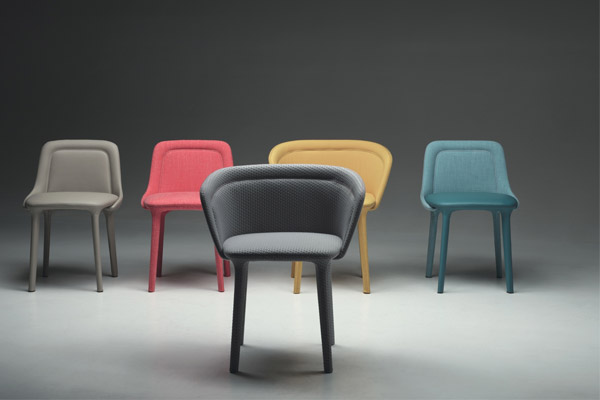
Lepel by Luca Nichetto
The choice of this name is not accidental: the design studio of Luca Nichetto continues to push for a cultural melting pot with a team more and more international; Sweden, Italy, South Africa, Germany, France, England and the rest of the world were, are and will be part of this team, physically halfway between Venice and Stockholm.
Also by Luca Nichetto, Stereo Wood is an expansion of the of the 2008 Stereo collection. The introduction of wooden legs change gives the chair’s design a greater sense of warmth, which can be enhanced even further through the addition of fabric – or leather – covered padding to the chair’s back and seat.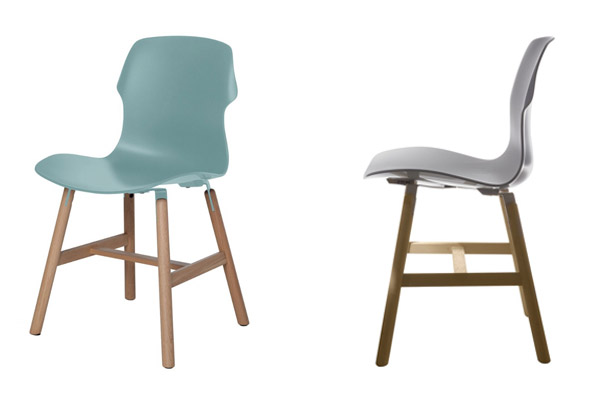
Stereo Wood by Luca Nichetto
Lucidipevere’s Raphia is the offspring of a research project into the use of materials and how they can be exploited as furnishings. It is the perfect convergence of modernity and tradition, of technology and craftsmanship. An oxymoron that brings together two of the spirits of production in Italy: the metal industry and the small, time-honoured manufacturers of cane products.
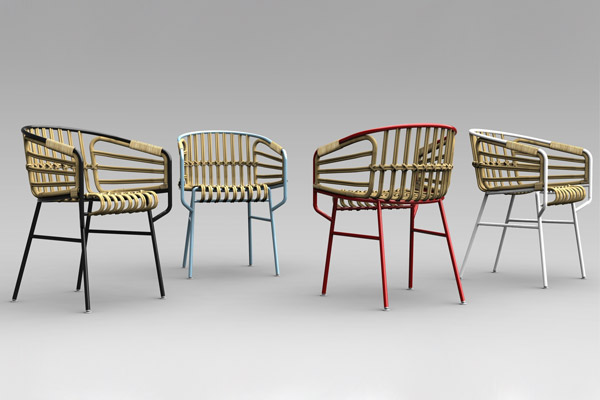
Raphia by Lucidipevere
The aim of the project is to lend a certain continuity to the tradition of crafting with cane, one that stretches back to the beginning of the last century when the areas specialising in this craft saw schools and a culture revolving around this material thrive.
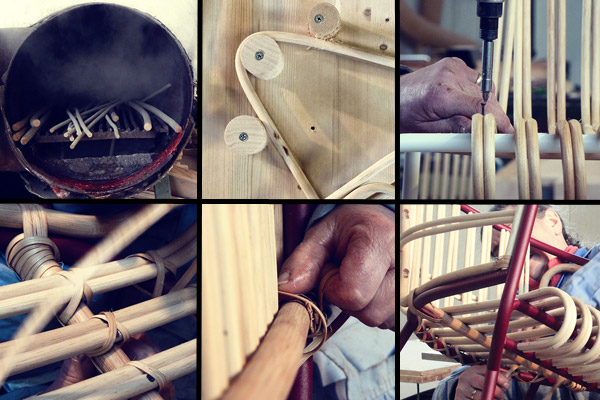
Today, there remain very few firms which conserve the know-how of this trade, where manual skills and craftsmanship combine to insure that every creation is unique. Raphia embodies this history and tradition in a contemporary context, thanks to a harmonious balance between two materials: the metal structure is the base upon which the cane and rattan are weaved to create the seating area.
Casamania is available in Australia through Café Culture Insitu
cafecultureinsitu.com.au