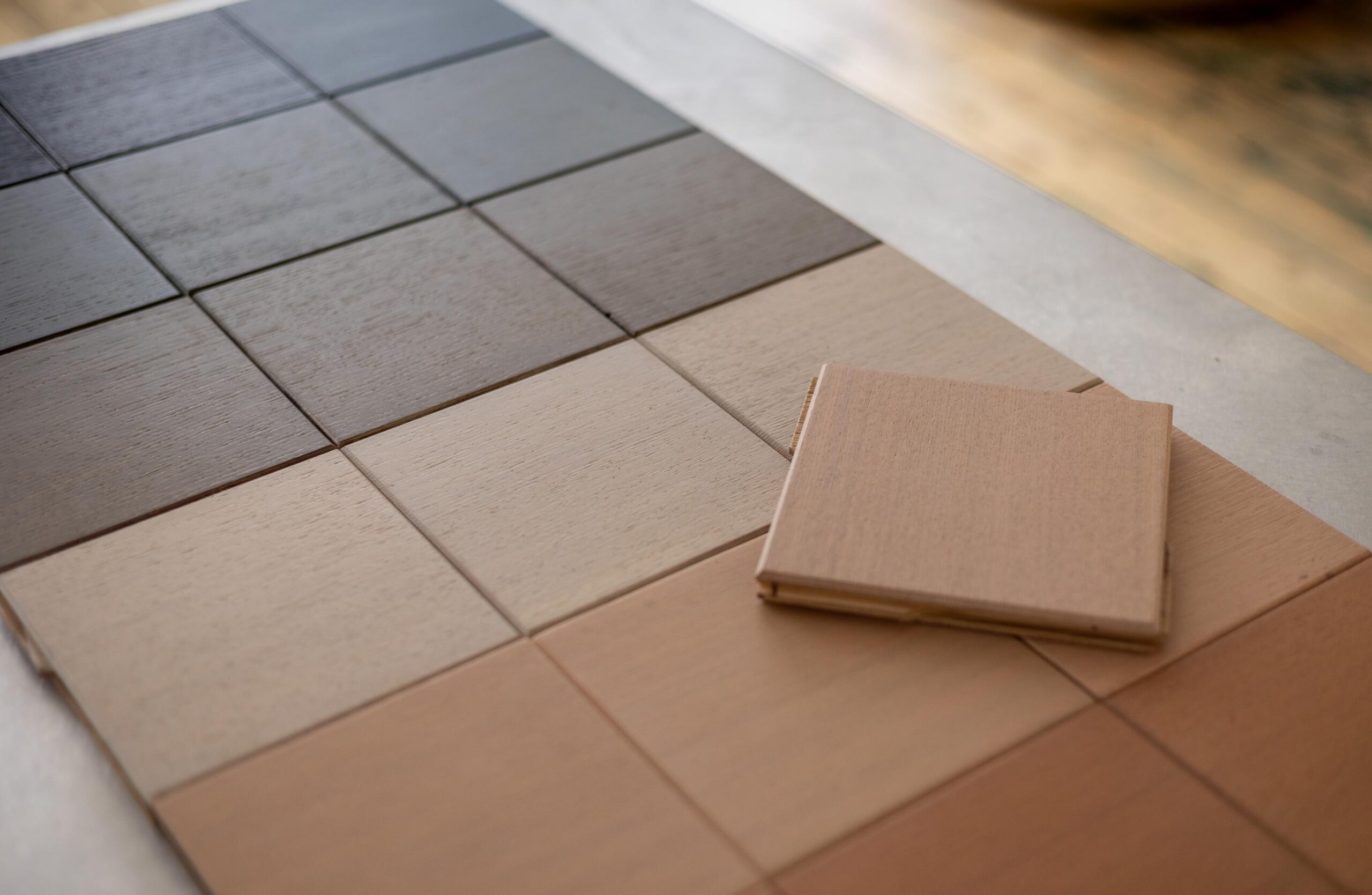
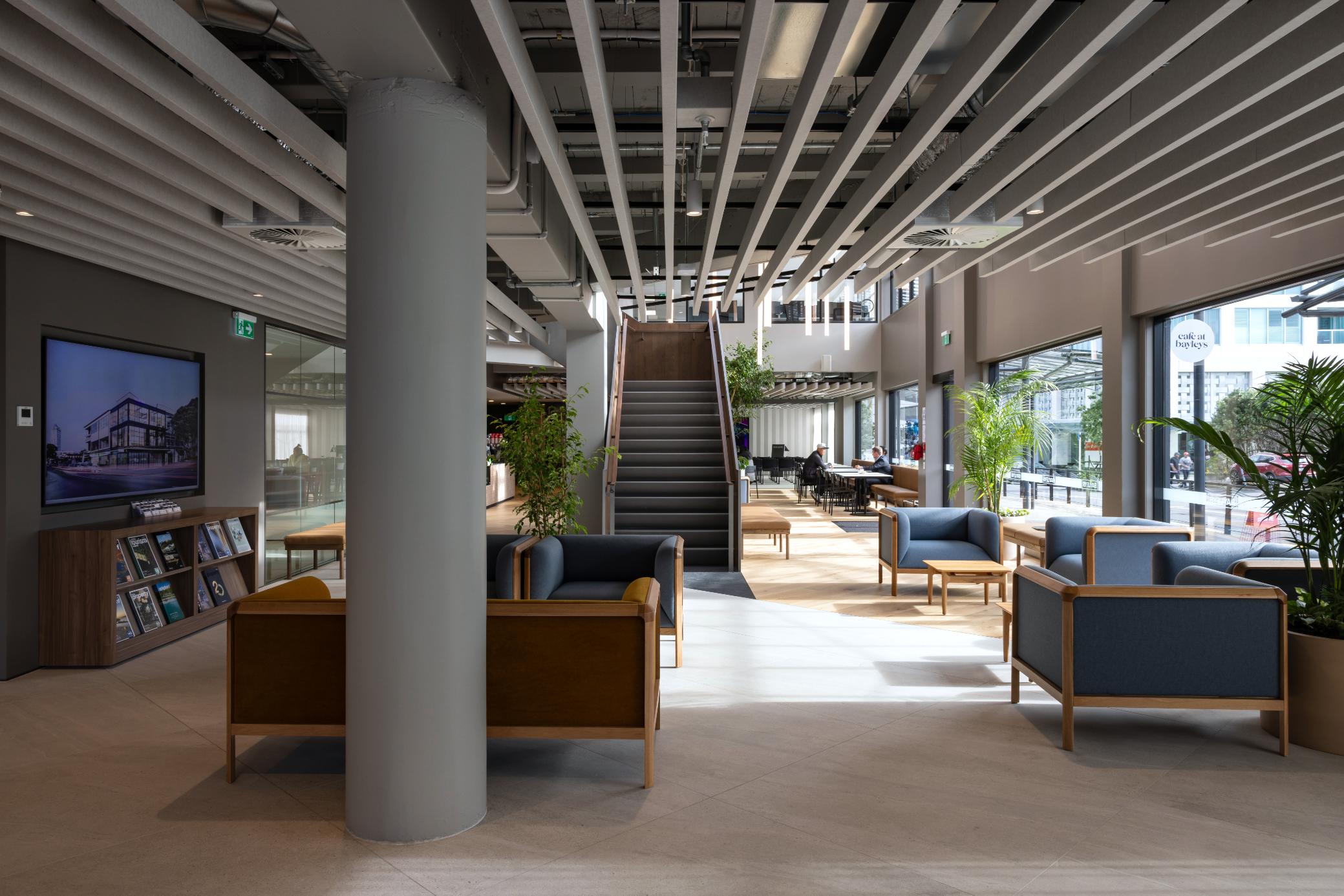
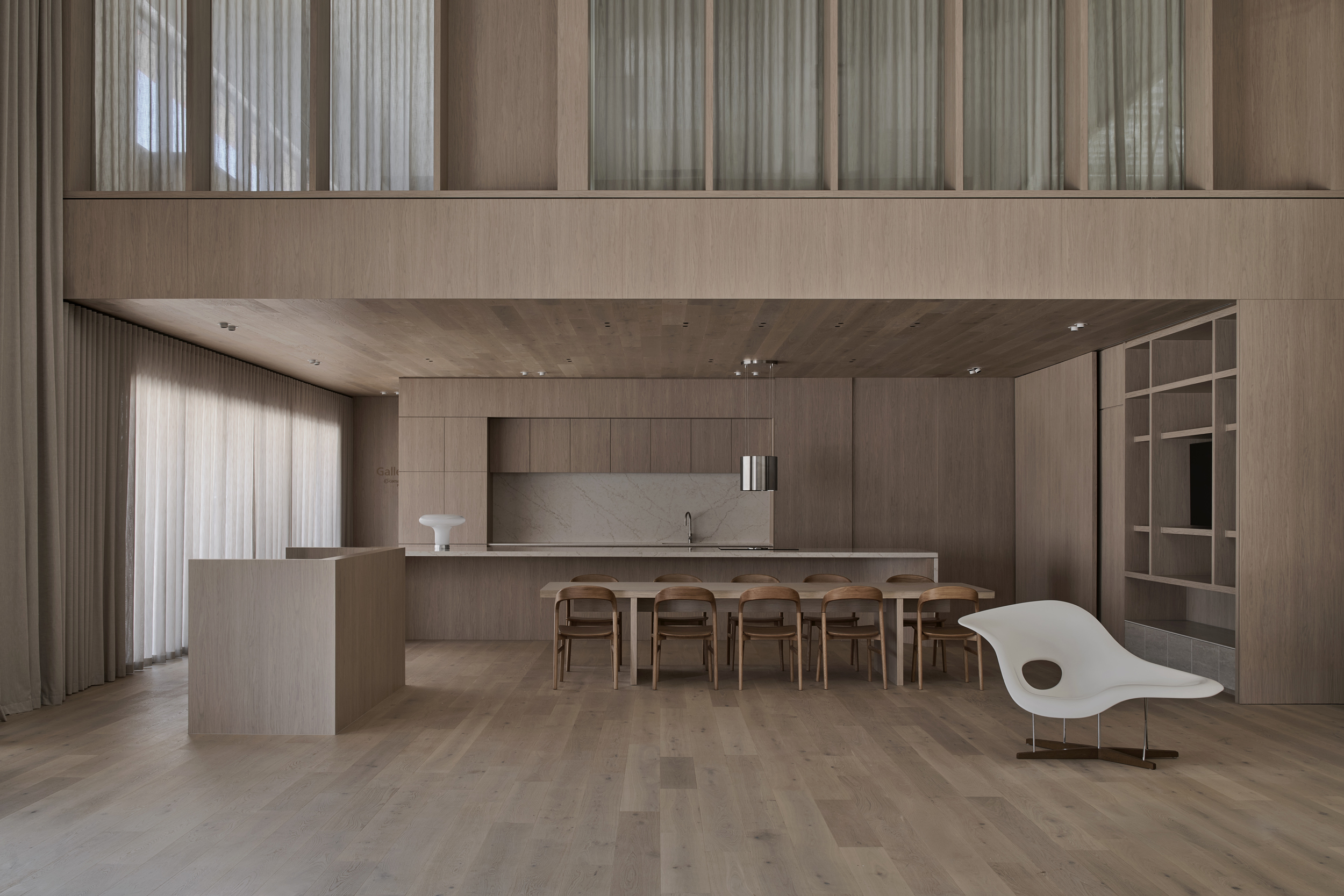
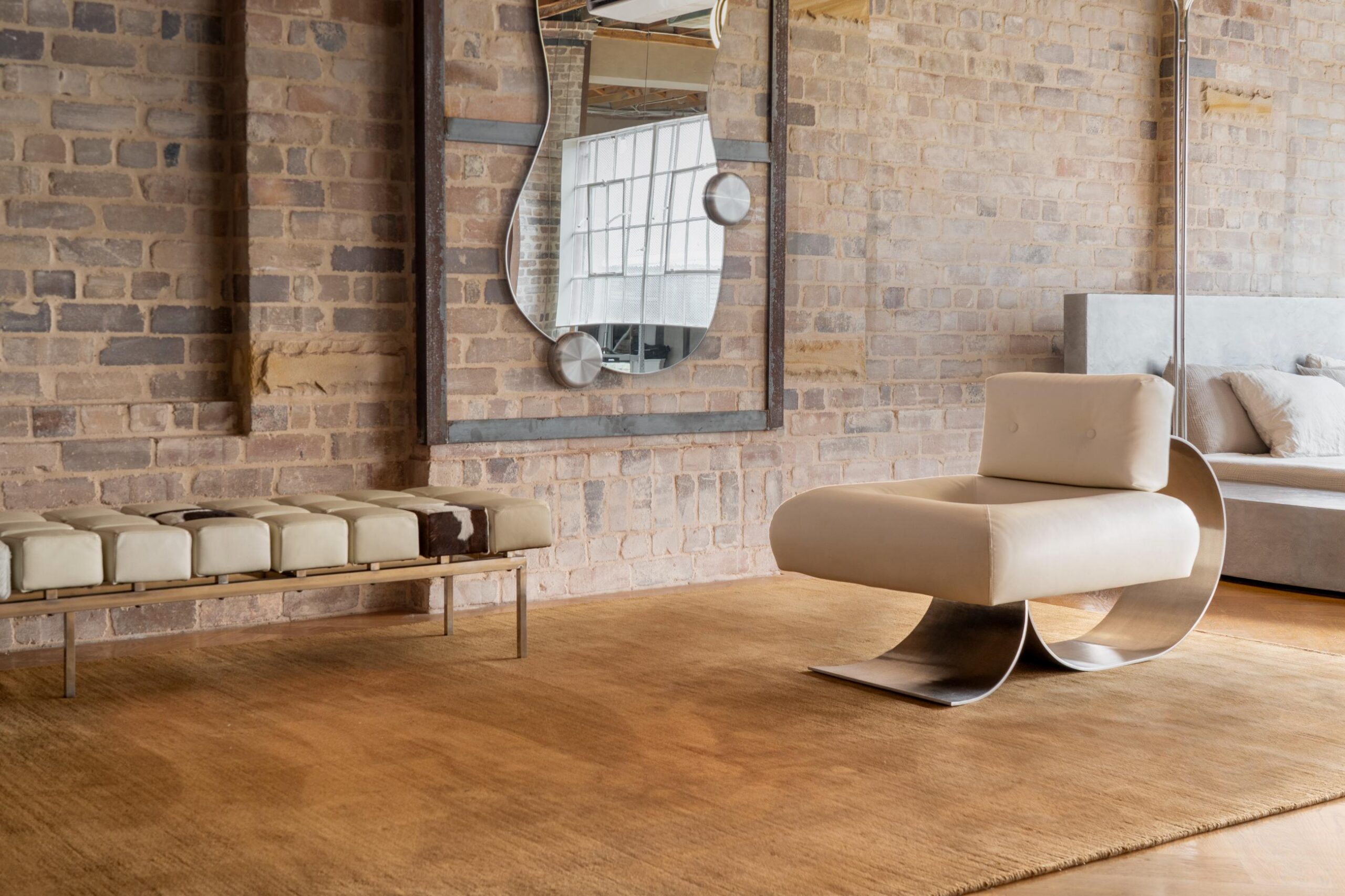
An imperative to modern-day design and architecture, sustainability calls on all to properly appreciate the affordances of the materials we use in construction and fit-out. With European hardwoods stocks affected, supply lines disrupted, and demand outweighing growth, the potential is there for American hardwood. It can not only fulfil demand, but deliver on sustainability.
In the wake of the pandemic, the American Hardwood Export Council (AHEC) has observed architects, builders and designers broadening their horizons in sustainable timber, with American hardwoods such as maple, cherry and red oak standing out for more than just their beauty.
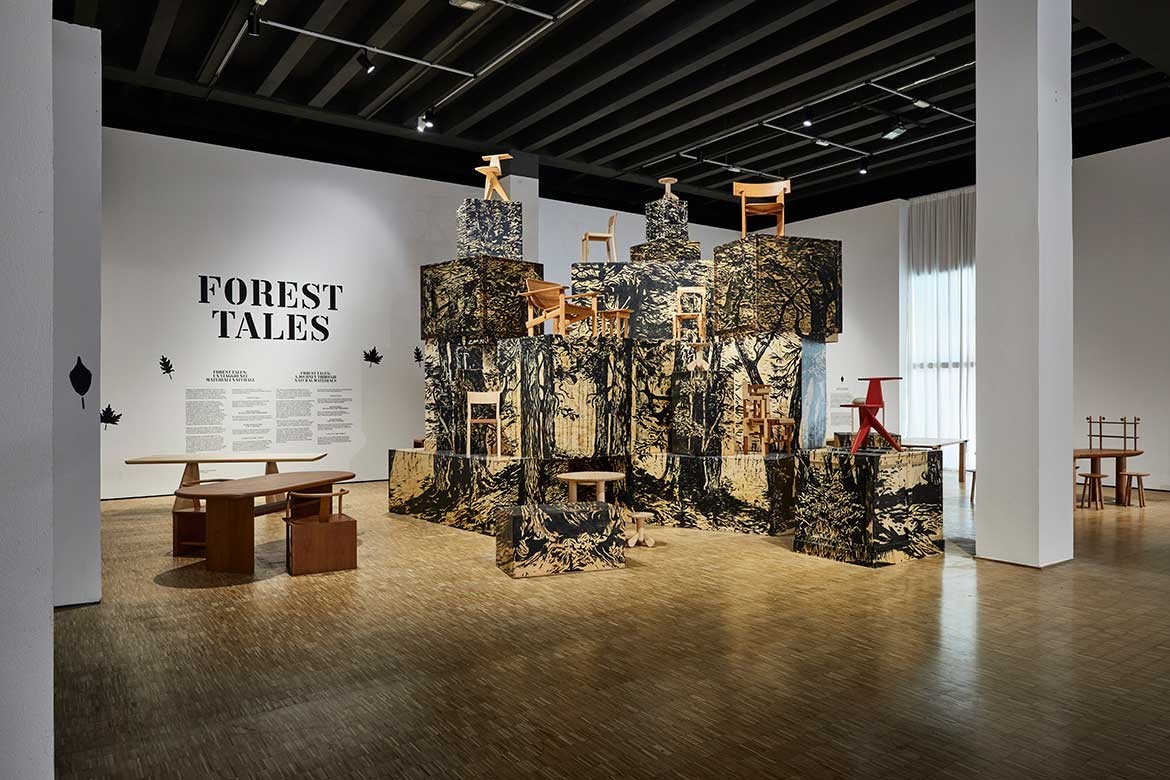
In the wake of the pandemic, the American Hardwood Export Council (AHEC) has observed architects, builders and designers broadening their horizons in sustainable timber, with American hardwoods such as maple, cherry and red oak standing out for more than just their beauty.

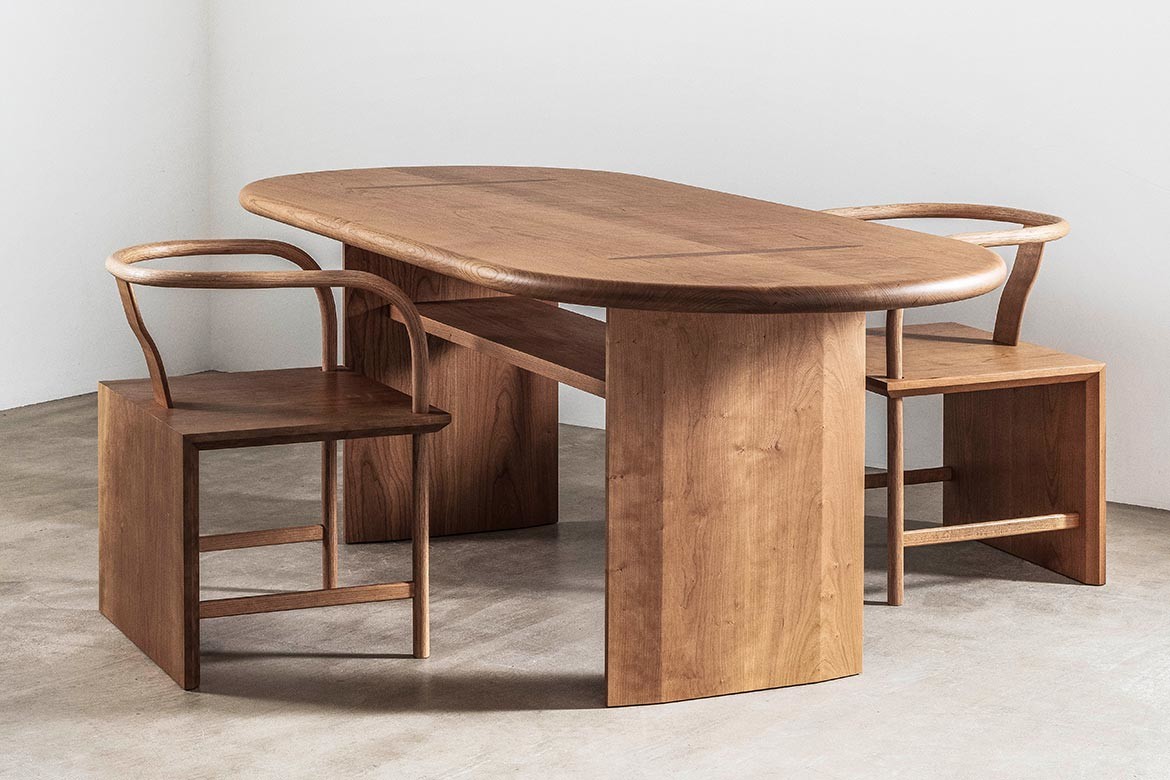
Left: Migo 01 by Pascal Hien | Photography Jason Yates
Right: Humble Administrator’s Table and Chairs by Studio Swine
Versatile, robust, and rapidly renewable (with a growth rate that is notably faster than the harvest rate), these three American hardwoods are abundant in the forest and as yet under-utilised.
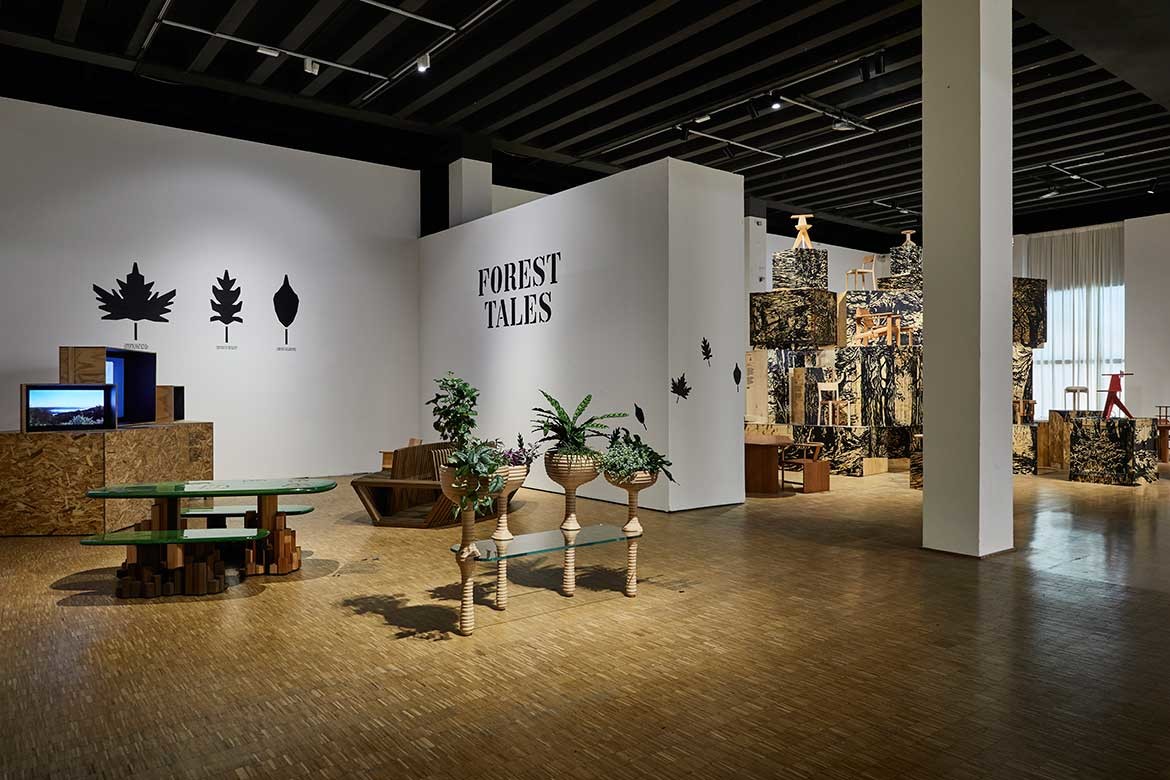
Through events such as Forest Tales, staged by AHEC at the Milan Design Week in June, it is looking to address misconceptions about timber generally and share the specific advantages of using American hardwoods.


Left: Kadamba Gate by Ini Archibong | Photography David Cleveland
Right: Stem by Thomas Heatherwick | Photography David Cleveland
Director of AHEC Europe, David Venables says Forest Tales brought together a “celebration of exceptional design from AHEC’s latest projects, a love for timber and a much-needed call for balance”. That is, “balance in the way we use natural materials with particular emphasis on renewable ones, such as wood.”
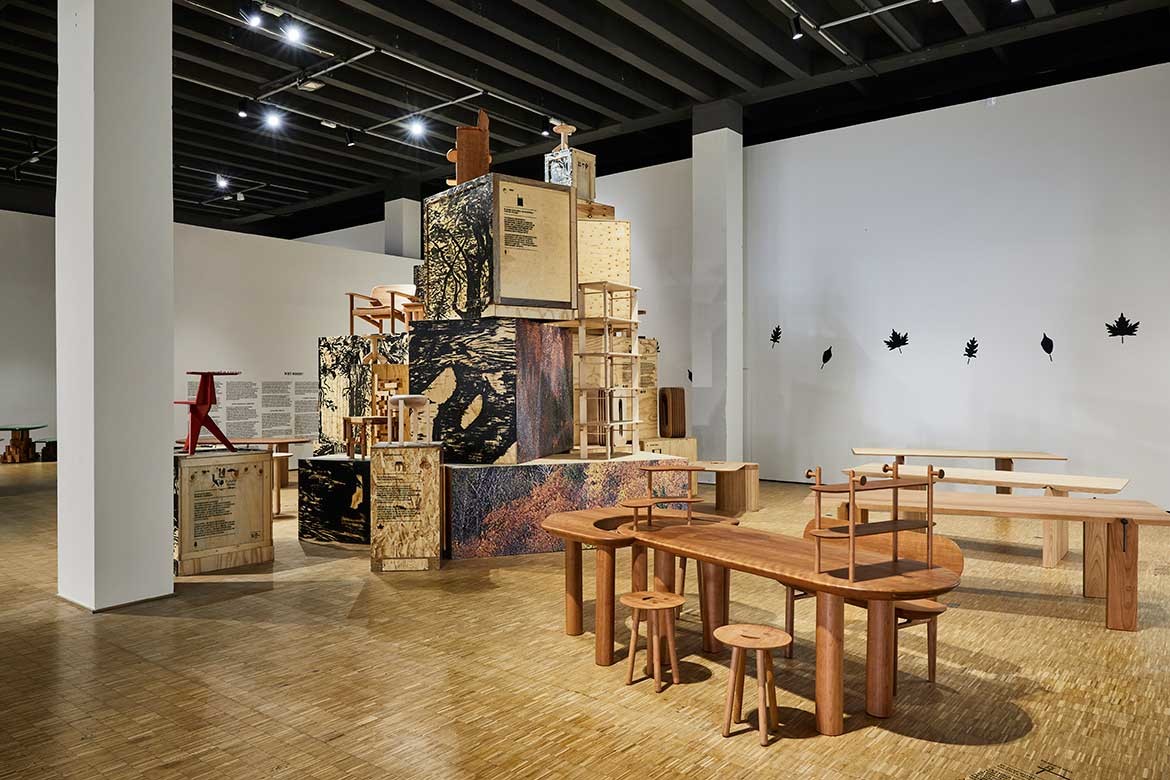
Forest Tales aimed to show off the beauty American hardwood, offering invaluable insights into planting, crafting and more. There were also never-before-seen designs that revealed the timber’s extraordinary potential.


Left: Ikare by Taiho Shin | Photography Tim Robinson
Right: Forest Tales | Photography Petr Krejci
“Forest Tales reflects on how the use of a wider range of sustainable materials, such as the three US hardwoods featured in the exhibition, and all wood species in general, proportionate to what grows in the forest, makes the use of the resource and the way we consume more thoughtful and responsible,” says Venables.
Many of Australia’s top designers have been using American hardwoods for years, with the likes of Adam Goodrum, John Goulder, Adam Markowitz and Tom Fereday turning to it as their preferred material.

American hardwoods arrive on Australian shores carbon negative. This is timber not from plantations but from forest that well managed and selectively harvested for generations by private landowners. Significant investment in an ISO conformant life cycle assessment tool by AHEC offers certainty to specifiers and designers that their material choice is a sound from an environmental perspective.


Left: Thought Bubble by Nong Chotipatoomwan | Photography Winston Change
Right: Roof Stool by Trang Nguyen | Photography Winston Change
“For the first time, the entire industry ecosystem, including designers, specifiers and consumers, seems aligned in wanting to do the right thing in the face of the environmental imperative,” comments Venables.

We think you might like this story about the Autex Acoustics®Acoustic Timber, which bridges the gap for a Group 1 fire-rated, carbon neutral acoustic solution.