
Every house has a façade. A façade is simply the term used to indicate the exterior appearance of a house – usually the front house design specifically. Though all houses technically have facades, not all houses have a clear façade design or style.
Façade design is important in a number of practical and stylistic ways. The exterior of your house is almost always the first thing that will be noticed by guests or even just passersby, so you want to make sure that the façade is providing an accurate impression of your home, lifestyle, and design affinities.
Beyond the aesthetic value, façades of houses actually provide weather protection and secure the house against various damages for many years to come. This makes choosing the right façade a very important choice as the material, size, style and design should all be influenced by the specific circumstances of your climate – i.e. the type of weather that your façade will need to be fortified against.
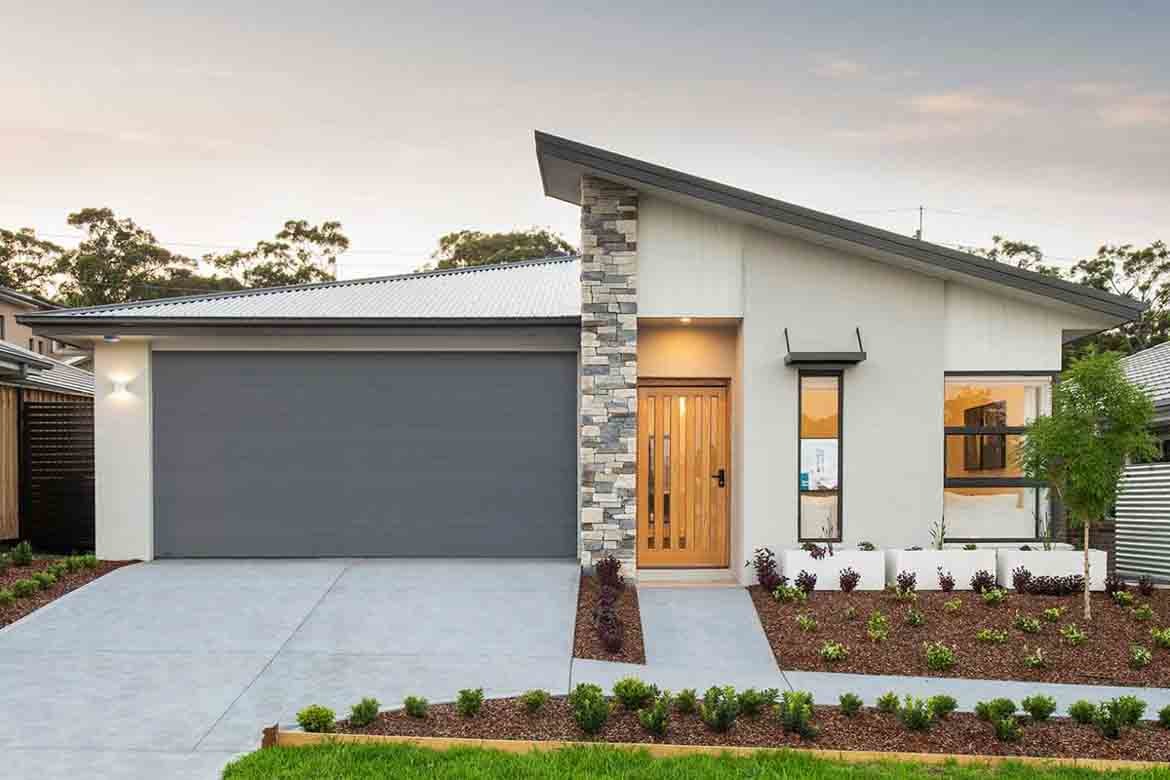
A house façade should reflect the design styles nominated for its interior; for example, a contemporary façade would clash significantly with a rustic or vintage interior design style. This doesn’t mean they need to be identical design styles, but try to ensure that whichever style you choose for your façade will complement the home’s interior rather than confuse your guests.
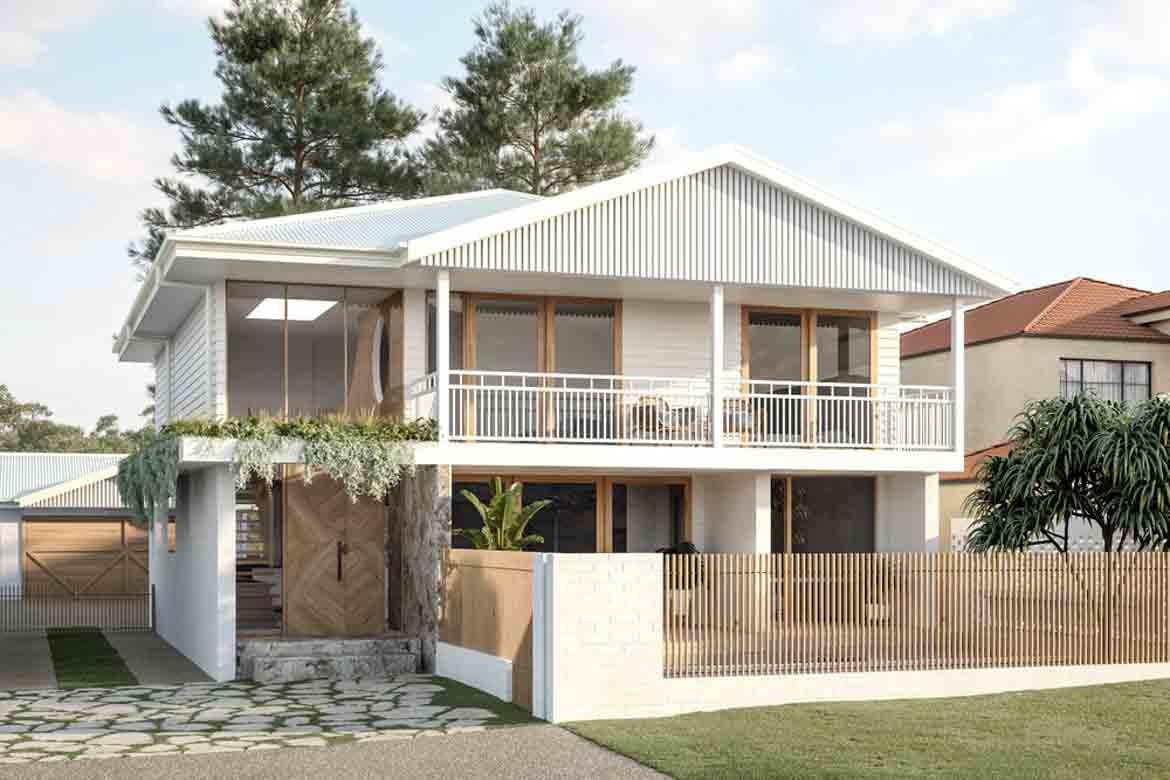
Given that every house in existence has a façade of some sort, there are a truly immeasurable amount façade design ideas in use. Façades come in all different styles and colours, as well as sizes and materials. If you are building a new house or even just considering changing your current façade, know that the possibilities are virtually endless.
Try to speak to a designer or a visualiser if you can to get a sense of what styles are achievable under your budget and location. From contemporary to coastal to traditional, there is sure to be a façade design which will suit your home perfectly. To help begin the search, here are seven of the best house façade ideas to hopefully lend you some inspiration in your home designer journey.
House Façades Australia: 7 incredible home façade designs
07. Brick
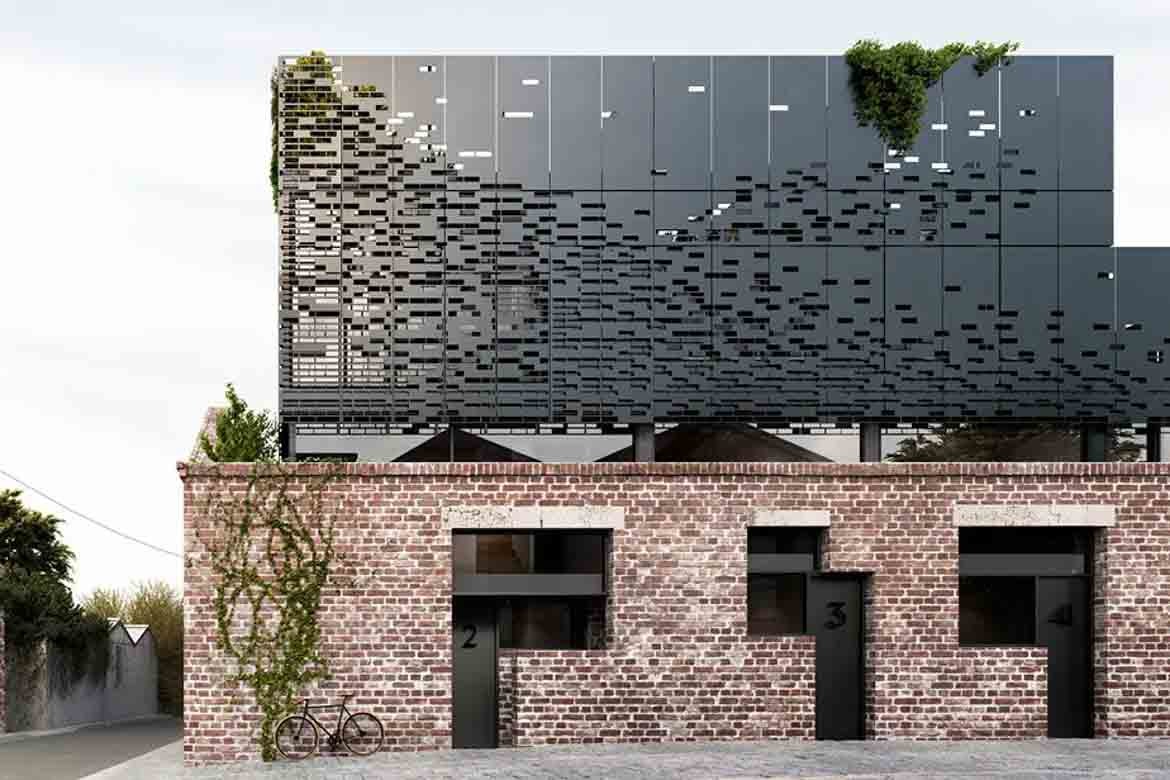
Brick is one of the most traditional façade materials. It is affordable, durable, and neutral. The natural appearance and colour of brick provides a beautiful contrast with modern materials like steel and greys, and a simple brick exterior alone has a warm, comforting appeal. A brick façade also has a number of practical advantages and can protect against weather, insulate against heat loss, and even increase the soundproofing of a building.
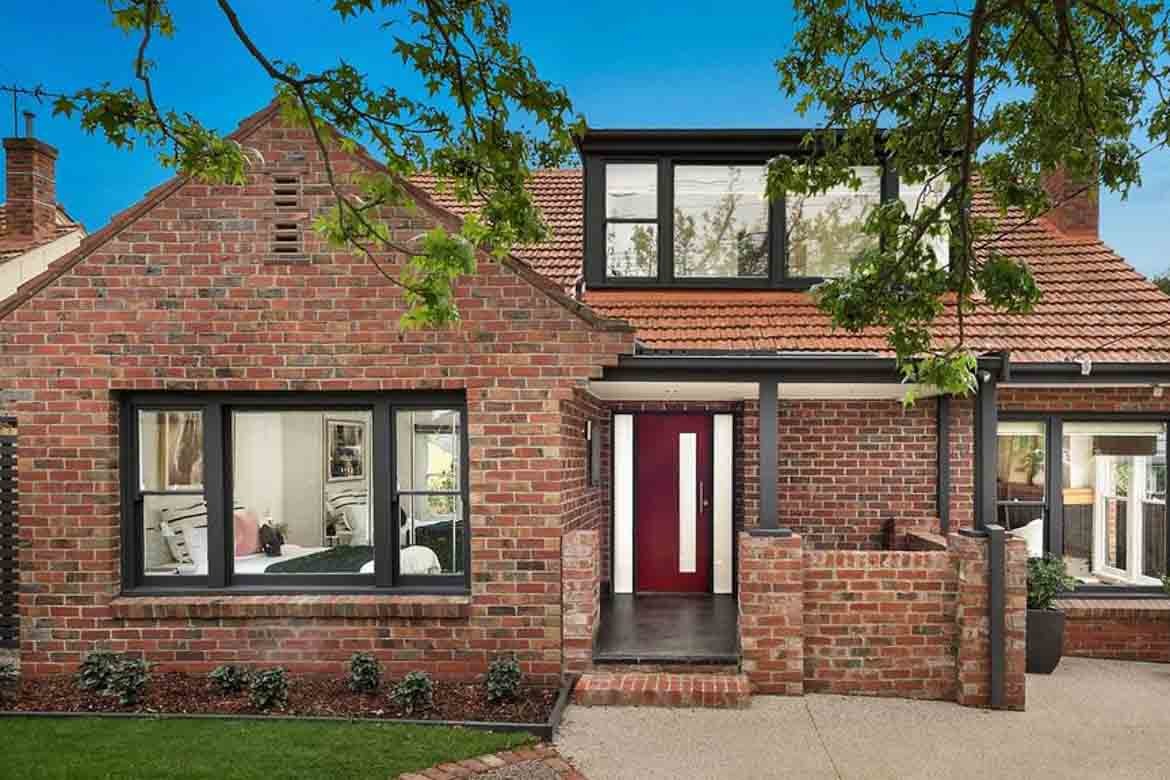
However, brick is one of the most common styles of house façade, meaning that it often blends in with the rest of the house and doesn’t stand out as a design feature. For lovers of an understated look, brick is certainly the way to go.
If you enjoy the aesthetic of brick but still want to try and capture that wow factor, consider including a brick feature wall or skillion in your façade rather than making the whole home exterior from brick. This could also be neatly tied to the house interior with a feature wall of exposed brick inside a living room or bedroom to create cohesion in your home design.
06. Cladding
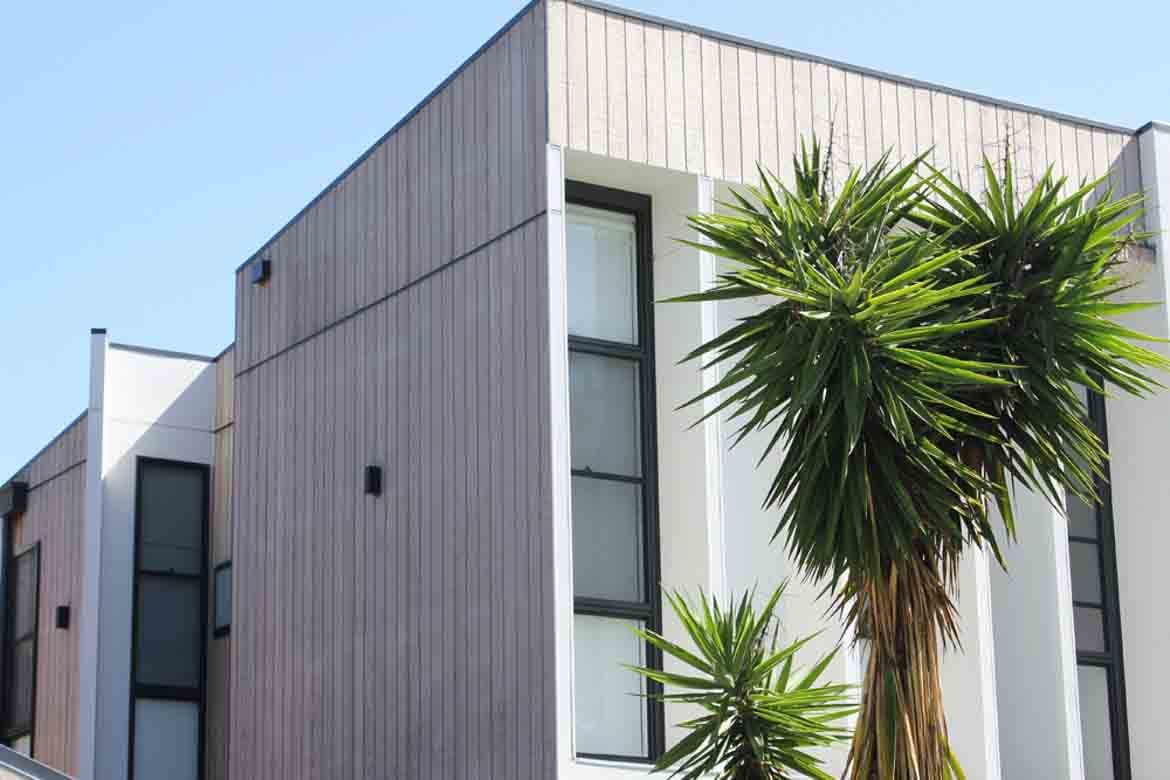
Brick is a type of cladding, but there are many others. The most popular types of cladding are timber, aluminum, fibre cement, plastic and vinyl. Brick and cladding is designed to protect your house against the weather.
Cladding an exterior façade provides protection against weather and water damage, protects against mold and helps preserve your home for many years. Cladding is extremely customizable and each material option comes in various styles and colours.
05. Modern
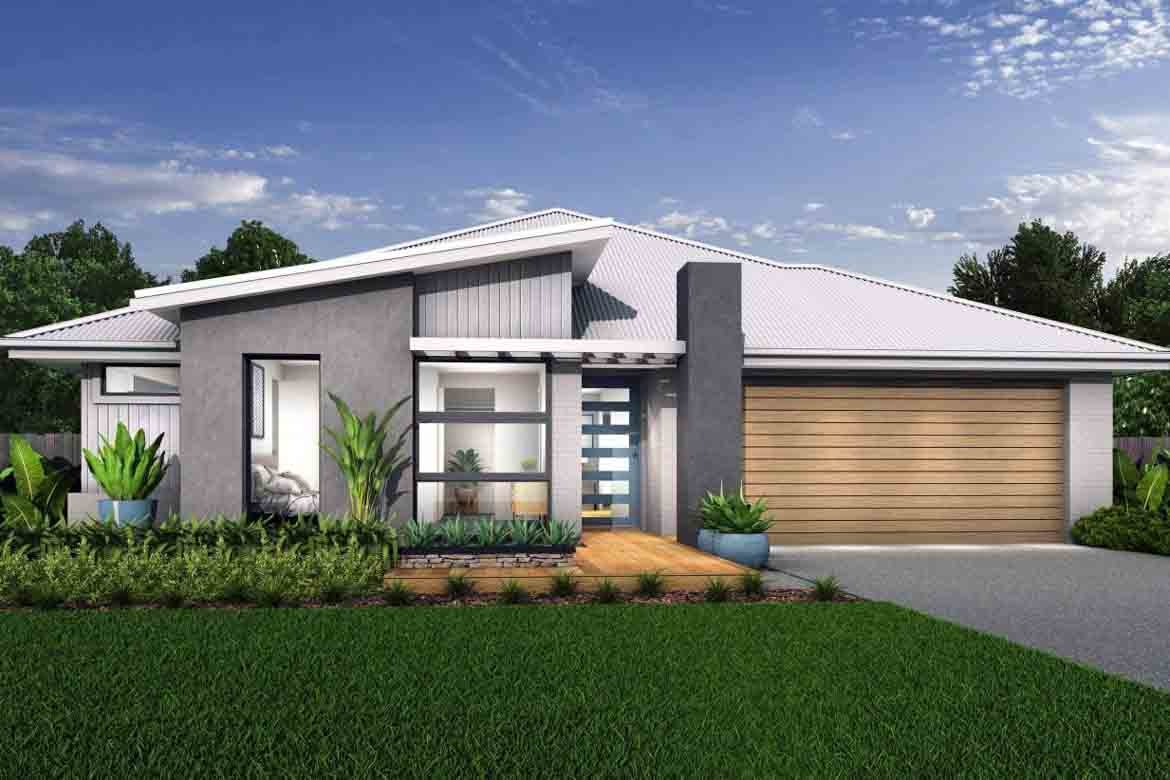
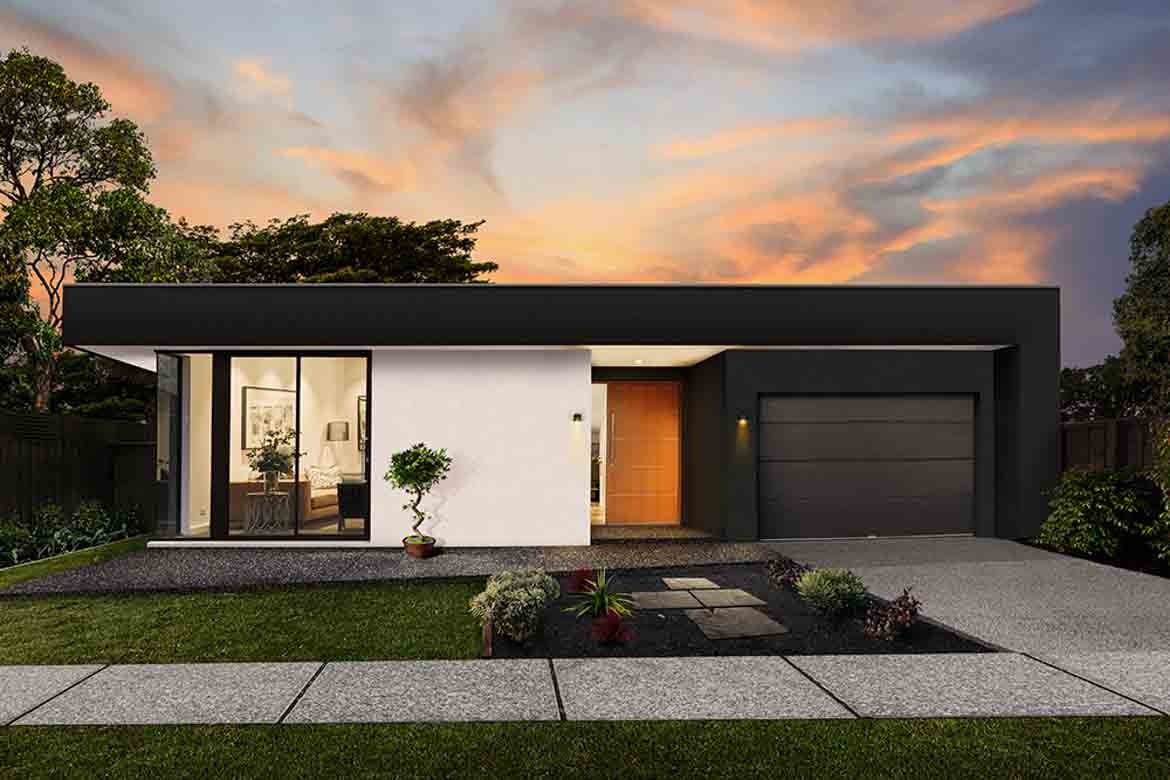
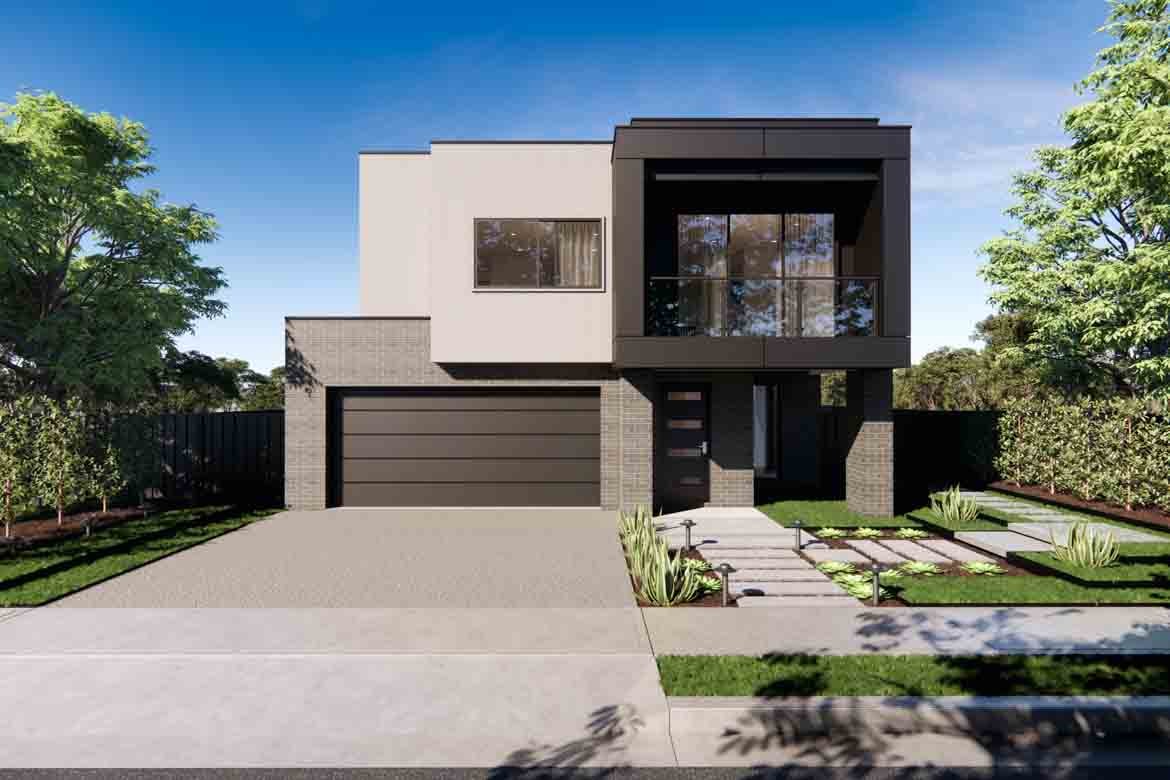
Modern facades are typically stylishly neutral and do not try to steal the show. A modern façade is characterized by its neat, flat lines and symmetry. Modern façades also tend to mix materials such as brick or cladding in neutral colours.
The most popular modern colour schemes are monochromatic and will tone together white, grey and black to create a stylishly dynamic exterior, much like the one pictured in the ultra modern single story home above, or the double story townhouse below.
04. Traditional
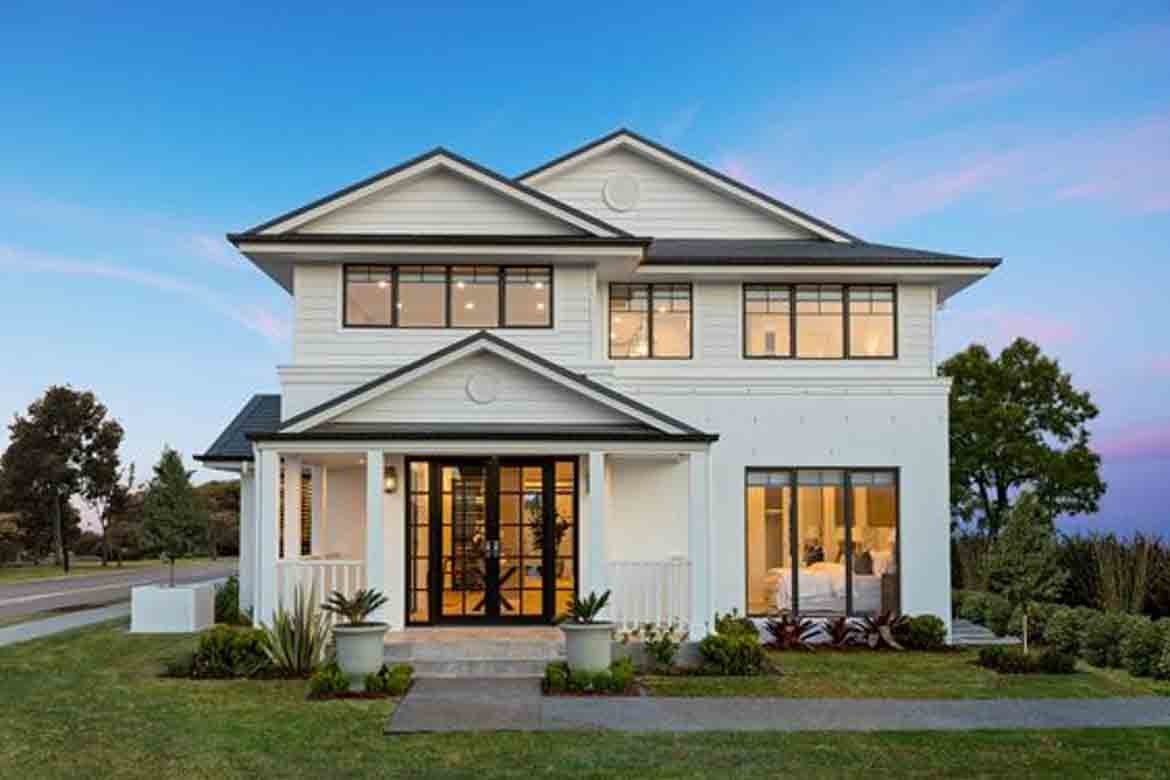
Traditional façades are defined by the use of dark materials and rich tones, typically created by dark woods, whites and marbles. Traditional facades often also have a dark trim to offset their neutral colour design. Traditional façade designs also tend to emphasize the windows and brightness of the home.
03. Colourful
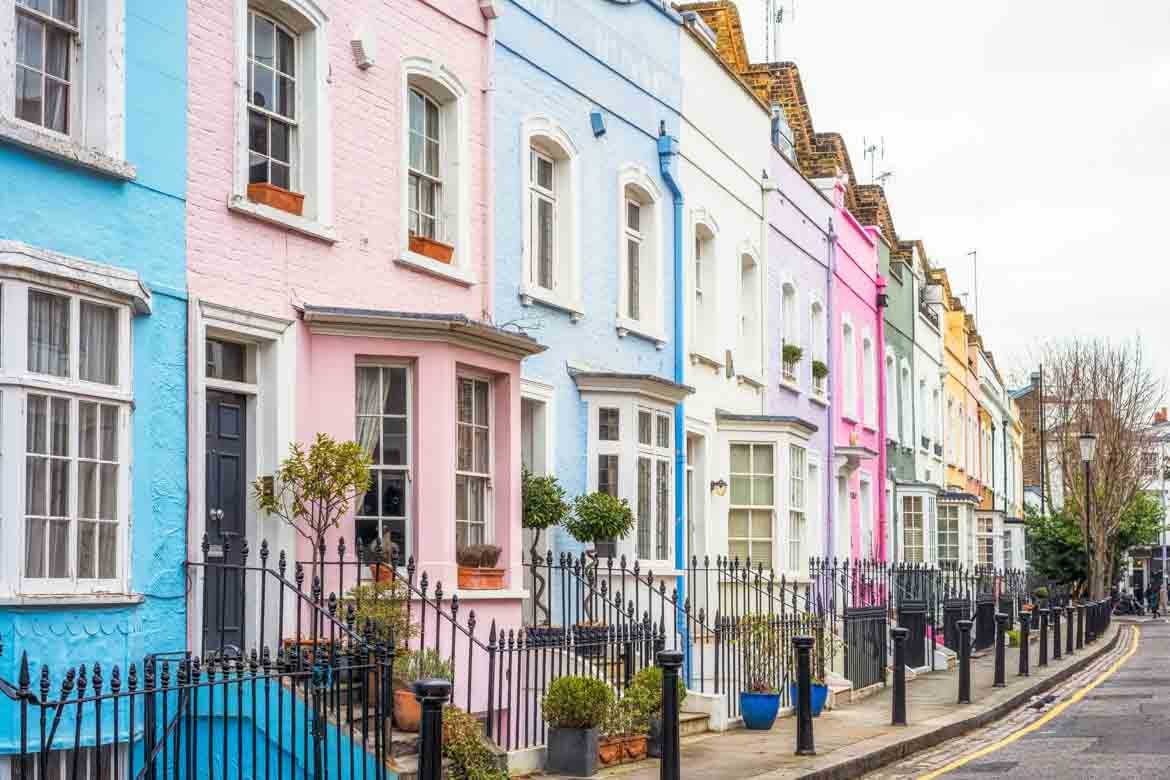
Colour is often overlooked in façade architecture as a focal element of the design. This is certainly a missed opportunity, because a colourful façade has playfulness and personality that cannot be rivalled by the monochromatic palettes popular today.
Now, not all house façades need to be as bright and vibrant as the ones above – a light and understated colour can be just as exciting whilst still remaining subtle. A popular choice for those who want the beauty of a colourful home without feeling overwhelmed is pale blue, which toes the line between neutral and lively.
This is also a great option if you are just changing façade of house rather than building a new one, because a colour update does not require any major structural changes or renovations.
02. Coastal
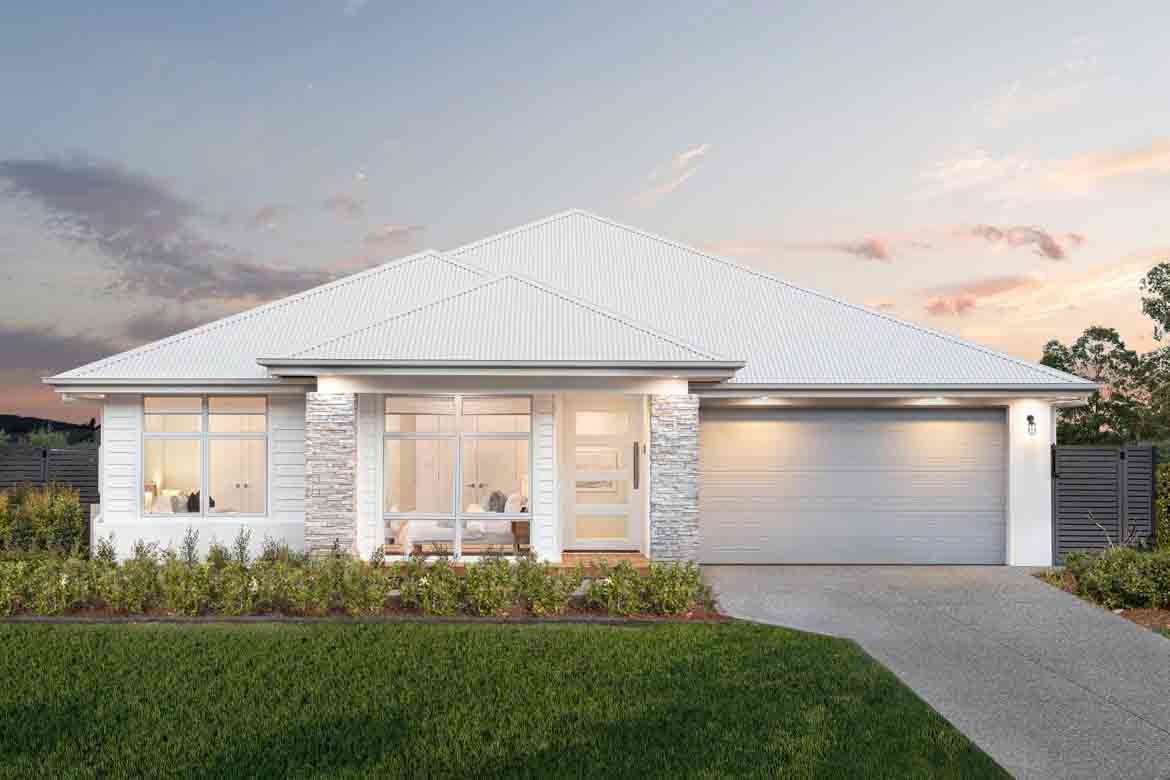
A coastal façade is undeniably one of the most beautiful façade options in the modern design repertoire. Coastal facades are simple and clean, usually with a white-and-grey colour scheme. Costal facades are often multi-textured, with stone and white brick often contrasting against grey or light weatherboard cladding.
01. Hamptons
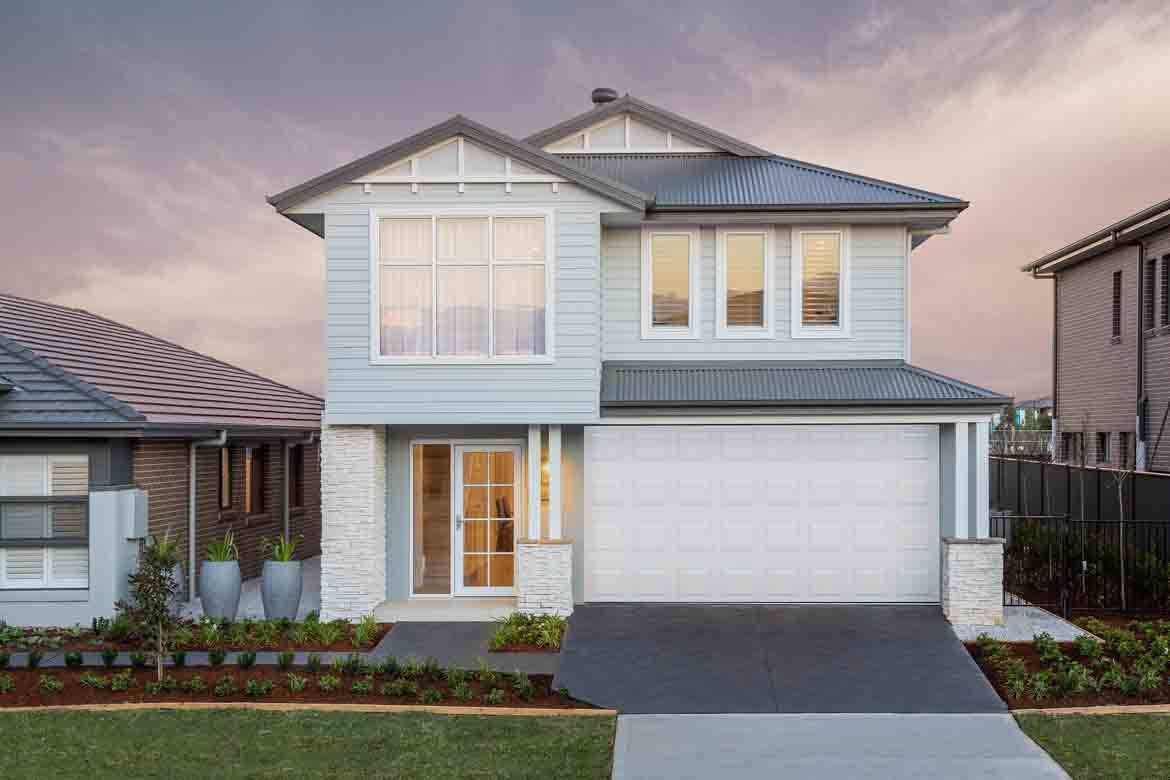
Hamptons style house façades are very similar to coastal, only a little more elaborate. Hamptons façades are also elegant, with the use of cool colours, but typically have more embellishments and trims than an average coastal style façade.
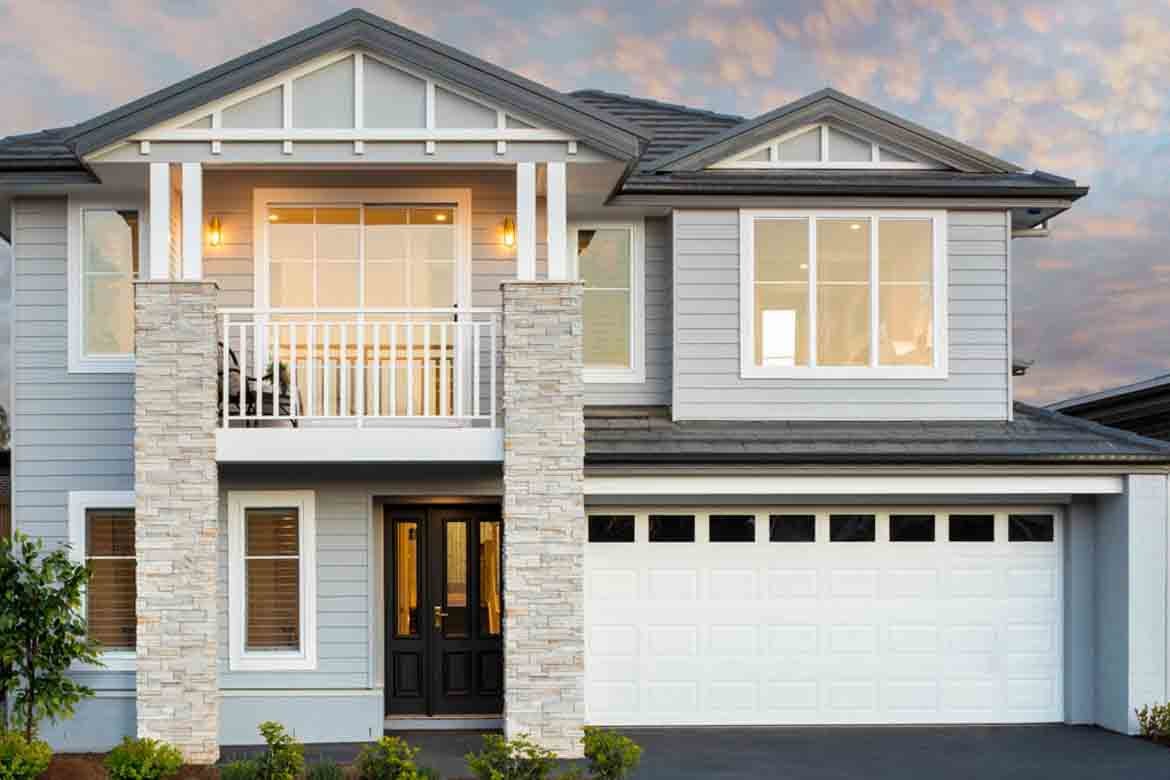
Hamptons style façades are soothing and mix extravagant textures like cultured stone with distinct design choices such as decorative battens.