What’s the difference between ‘physical’ and ‘mental’ wellbeing in workplace design?
Published

WELNIS introduces us to the concept of human sustainability in the workplace, and explains just what workplace elements aid our mental and physical wellbeing.
Did you know, we spend more time sitting during the day than we do sleeping? We average 9.3 hours a day of being stagnant and placing our spines in positions that have the potential to cause irreparable damage to our backs. It is due to this that we see a rise in popularity for sit-stand desks, and a growth in conscientious planning of human sustainable workspaces.
Much like the idea of being environmentally sustainable, the core concepts behind human sustainable environments take a holistic approach to the mental and physical wellbeing of users of a variety of spaces, with an aim to also improve productivity. Given that a large portion of time is spent in the workplace, it is crucial to consider the ways the space can have both a positive and negative impact on health and wellbeing.
“The boundaries between living, working, communicating, and socialising are blending into one another,” says WELNIS’ Nigel Hobbs, who is continually pushing the envelope on technologies and techniques to improve the workspace. “For me, the number one thing in any organisation is cementing wellness into people’s behaviours and way of living.”
Of course, the idea of human sustainability is not merely restricted to sitting down, or the use of standing desks. To Hobbs there are 10 key interior elements that can positively benefit wellness. These include:
- Ergonomics
- Light
- Acoustics
- Air quality
- Water purification
- Fatigue management
- Nutrition
- Fitness
- Stress reduction
- Environmental balance
Some of these might seem obvious, but others such as acoustics also require more in-depth consideration, especially in relation to the popularity of open-plan workspaces. Hobbs contextualises this for us: “Every organisation will have a mixture of extroverted and introverted individuals – the latter tend to get really uncomfortable if they’re hanging out with the former too much.”
As human sustainability continues to be embraced as a vital component of the work environment, more technological advances and intelligent designs are called for. Happier and healthier employees are ultimately more productive and the way in which employees interact with their workspaces is crucial to consider when planning practical and enjoyable environments. At its core, human sustainability is a way of thinking, and intelligently creating an exterior environment that reflects and encourages a healthy interior environment.
WELNIS
welnis.com.au
Related Articles
Events
A rollicking good story with Richards Stanisich and Royal Oak Floors
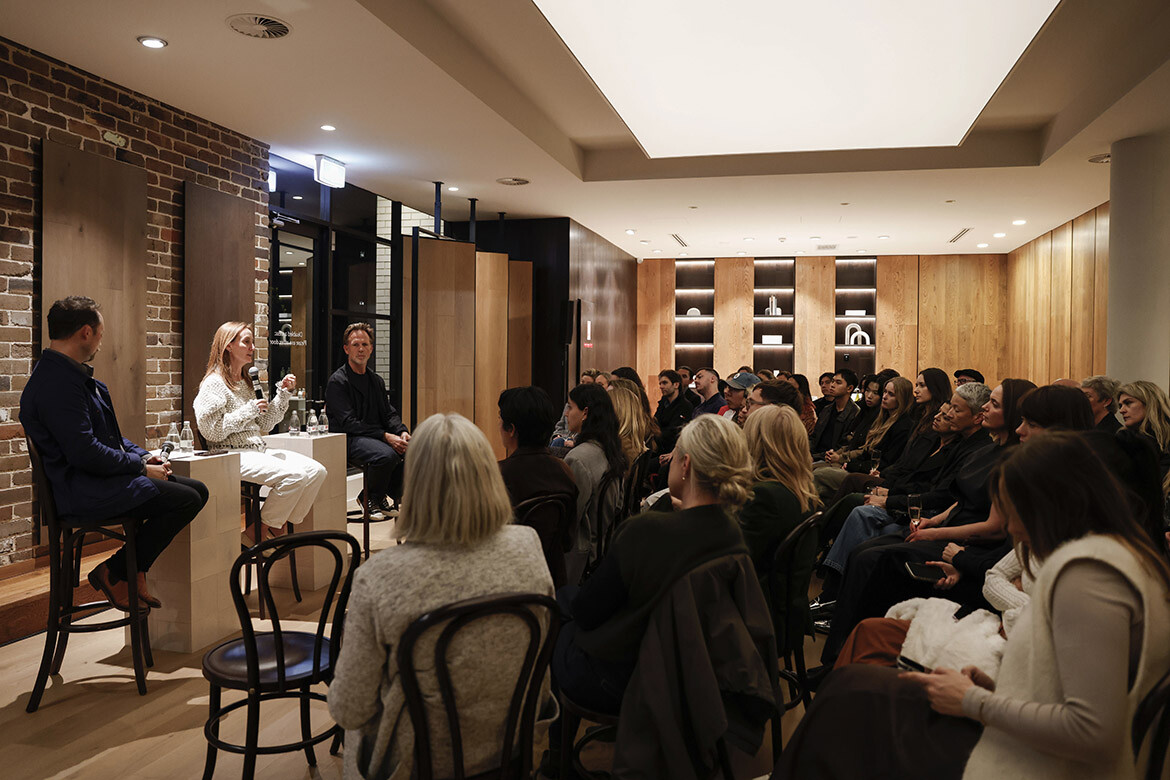
Jonathan Richards and Kirsten Stanisich discussed practice, design process and the business of running a studio at a live audience event hosted by Royal Oak Floors in Sydney.
Events
Indesign x Wilkhahn: Melbourne, where are you working?
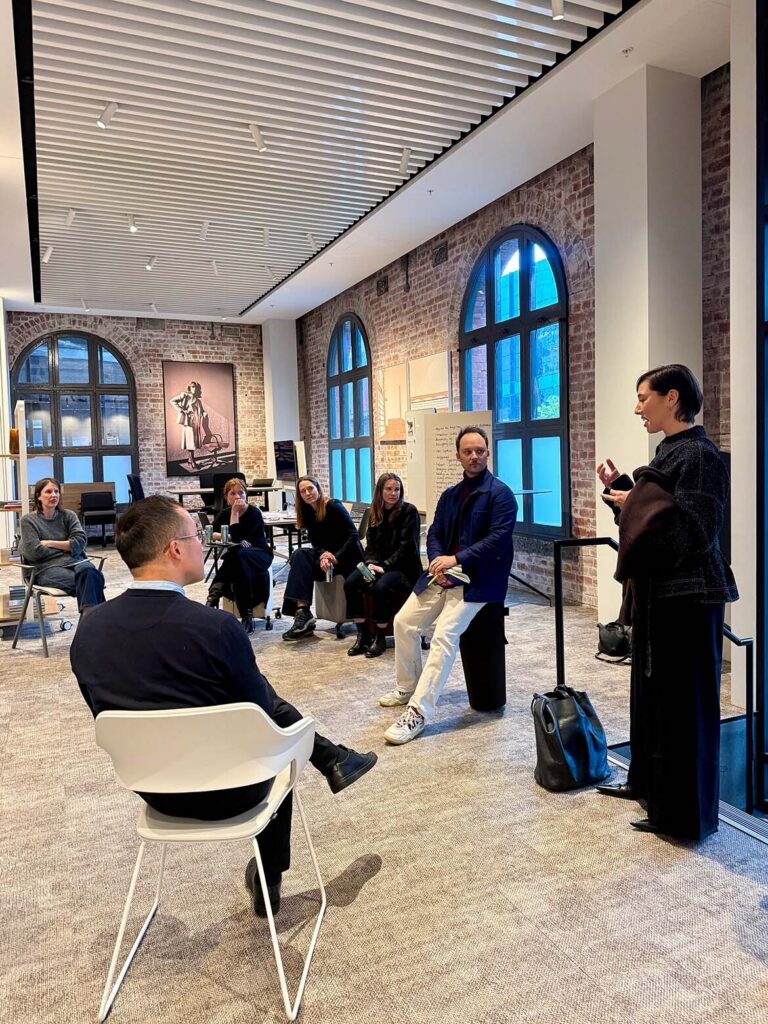
Our latest collaboration saw a range of designers come together at Wilkhahn’s Melbourne showroom for a discussion on the workplace dynamics specific to the Victorian capital.
Events
“A journey into a whole new material world”: Plant Life at the NGV
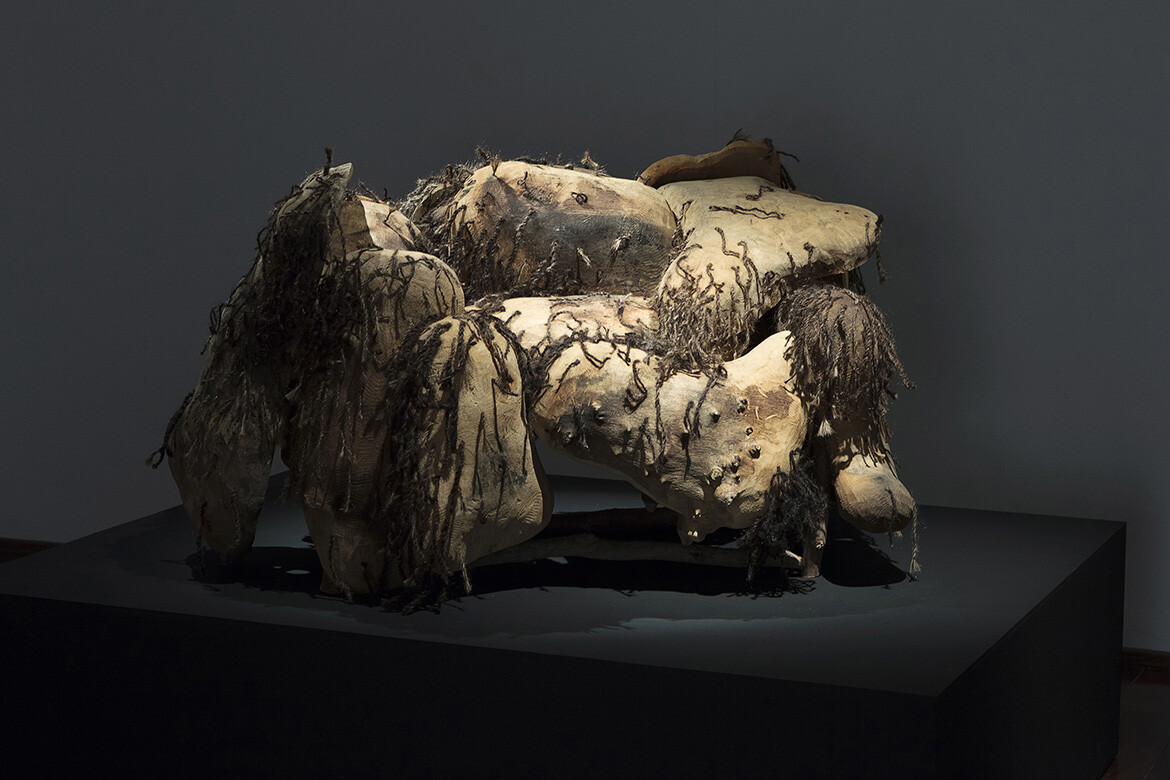
Curator Ewan McEoin tells us about the NGV’s new exhibition on plant-based materials as alternatives to plastics, synthetic materials and other non-renewable resources.
Ideas
Beyond the panel: What makes a design event worth attending?
Ahead of Saturday Indesign, architects reflect on why smaller gatherings, unexpected voices, candid discussion and meaningful follow-up can make meeting in person genuinely worthwhile.