THe Human Scale:
Published
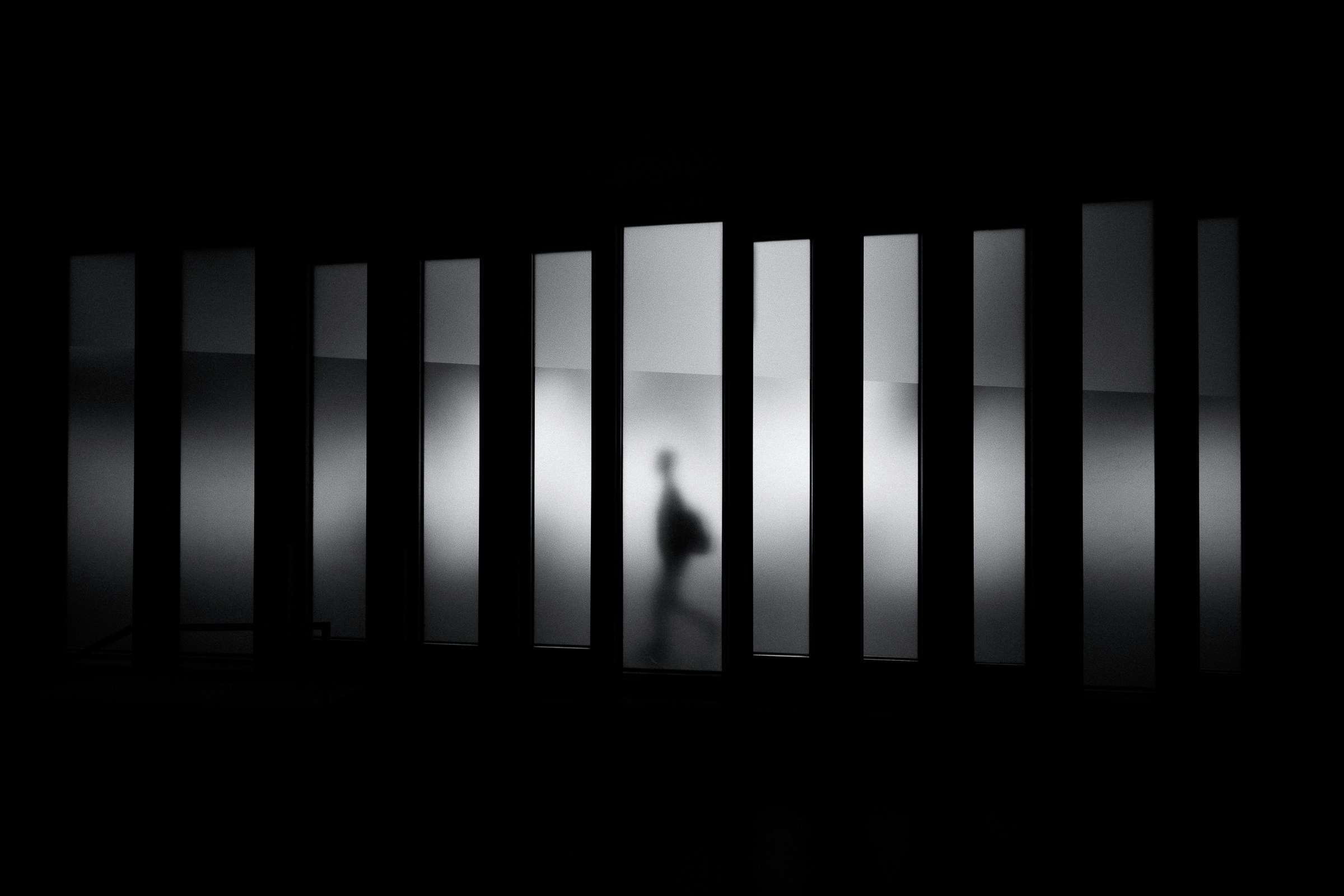
Inspired by Architect Jan Gehl and his human centric approach to city planning, director Andreas Dalsgaard unpacks the polemic through case studies from New York, Copenhagen, Christchurch, Dhaka and Melbourne.
The Australian Centre for the Moving Image (ACMI) proudly presents The Human Scale as part of its Long Play program, screening from Friday 14 June through to Thursday 4 July.
As the population grows and the shift of habitation moves from rural areas to cities, how do planners accommodate the continued growth? Central to the argument is the work of Jan Gehl, an architect from Copenhagen. His architectural studio is focused on the premise that lively, vibrant, happy cities, and therefore profitable cities, are made up of people; predominantly, people engaging in public spaces and with the people around them. Opening the film, a question is posited by Gehl “does the way we build cities invite human interaction, inclusion and intimacy?”
Gehl’s interest in a people centric city began in the 1960’s, when he began noticing the exclusionary nature of city planning; from the architecture to the pre-dominance of street planning for and around cars. Through the industrialisation, the car has become a symbol of prosperity and has been integral to the way a modern life works. Architects and planners have made careers on building cities that best accommodate motor traffic. Planning a city is often done at a birds eye, or as suggested in the film, like playing with Lego – you look at it from the top down. But what is the view of the city from the ground, from the perspective of the person, the user of the city?
The methodology of looking at a city is central to the repurposing public spaces for people. 40 years ago, as an architecture professor, Gehl engaged his students and colleagues in field research. To spend a day in one spot on the street, taking note and mapping how people used the space. They started to notice clear and logical patterns. If you make more roads, you will have more traffic, but they found this was also true for people, if you have more space for people, you will have more public life. Dalsgaard explored this across a number of cities from Copenhagen with 350kms of bicycle lanes, to New York who one planner stated “we are opinionated; we have 8.4million people in the city, and 8.4million points of view of how it should be done”.
Melbourne features as a case study, as a city that has applied the theory successfully. Gehl was commissioned in the 1980s to help reinvigorate the city. Speaking with Rob Adams, Director of City Design at the City of Melbourne and the Lord Mayor, Robert Doyle, the change in of Melbourne from a desolate grid of buildings to the winner numerous times of the title ‘World’s Most Liveable City” explain the hurdles and the transition.
“Dalsgaard a trained anthropologist, has made a formally elegant film showcasing the ingenious examples of how cities can and do enact change” says ACMI Film Programmer Kristy Matheson. “The Human Scale is fascinating food for thought for urban planners, governments and residents alike.”
Beginning on Friday 14 June as part of the Long Play program, The Human Scale screens at ACMI until Thursday 4 July. Premiering at the CPH:DOX festival, The Human Scale will also be screening as part of the Sydney Film Festival.
For more information, tickets and session times, please visit acmi.net.au/film