Q&A with Scott Clements
Published
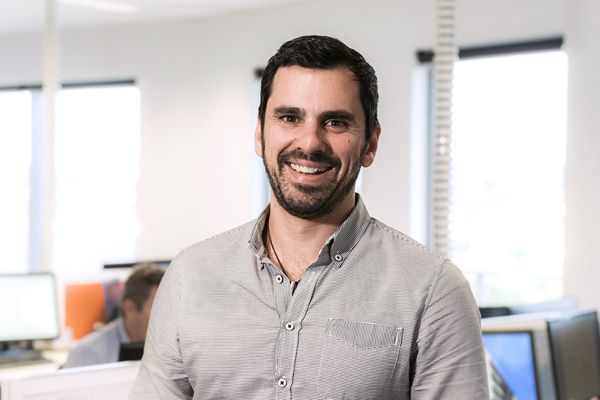
With over 20 years experience in the built environment, Scott Clements talks about the changes the industry’s facing, how his team stays ahead of new technology and ways engineering can benefit architecture.
Why did you become an engineer?
I love problem solving. Most engineers are excellent at going into extreme detail to design their specific part of a project. My drive is to really understand everyone’s part of the project.
I get very involved across all of our work, and attend meetings with entire project teams, to better understand what the architect and client really want. I’ve dabbled in marketing and finance in the past, so I can offer solutions that are sometimes outside of engineering, which I really enjoy.
What are some of the changes you’re seeing in the built environment industry? What’s next?
I’ve seen an industry that moves very slowly. Technology is the key – it’s everywhere, and I think we’re about to take it to the next level here in Australia.
In Europe, particularly countries like Germany, they’re very far ahead of us in the use of technology in building and construction. In Australia, we’re using technology frequently in design, but rarely in construction – we need to bridge the gap. That’s going to be a huge change over the coming years.
At Inertia Engineering, we try and keep ahead of software trends to make our client’s lives easier in the long run.
How do you make sure your team stays on top of the new technology that is constantly surfacing?
By being extremely interested in it – that’s the only way you can stay ahead. If new technology comes out, we read about it, we explore it. We have a staff member who’s dedicated to researching the latest technology systems. We’re constantly sharing ideas on improving productivity and our operational software, which in turn leads to a better result for our clients.
How can engineering benefit architecture?
It’s all about understanding each other and trying to drive the best solution. Every day I ask myself, what does the client want from the project and how can we achieve the best result? Being on the same page as an architect is the first way to do this. I think that’s where most engineers fall down – they don’t understand what the architect is trying to achieve, or the pressures they’re under. Structure goes hand in hand with architecture, especially if it’s on display. I don’t think there’s anything that’s particularly impossible to achieve. If we start working together earlier, we can save time, money and push the boundaries of possibility.
What’s your future vision for Inertia Engineering?
I’d like to keep us somewhere in between a big and small company. We have the capacity to do large-scale projects, but I want to make sure we’re always offering a highly-personal service. We keep our team sizes small. This way, our leaders can easily operate and manage everyone, and remain very accessible to our clients, instead of having a large convoluted company structure to weave through.
One thing we’d really like to do is to get involved earlier in projects to make a difference.
We work a little bit differently to other firms. We assign project directors who coordinate all engineering needs on a project, whether structural, civil, environmental, or a combination of the three. If we’re involved early on a project, we can add a huge amount of value to the end result, by understanding how each piece comes together.
Inertia Engineering
inertiaeng.com.au
Related Articles
Events
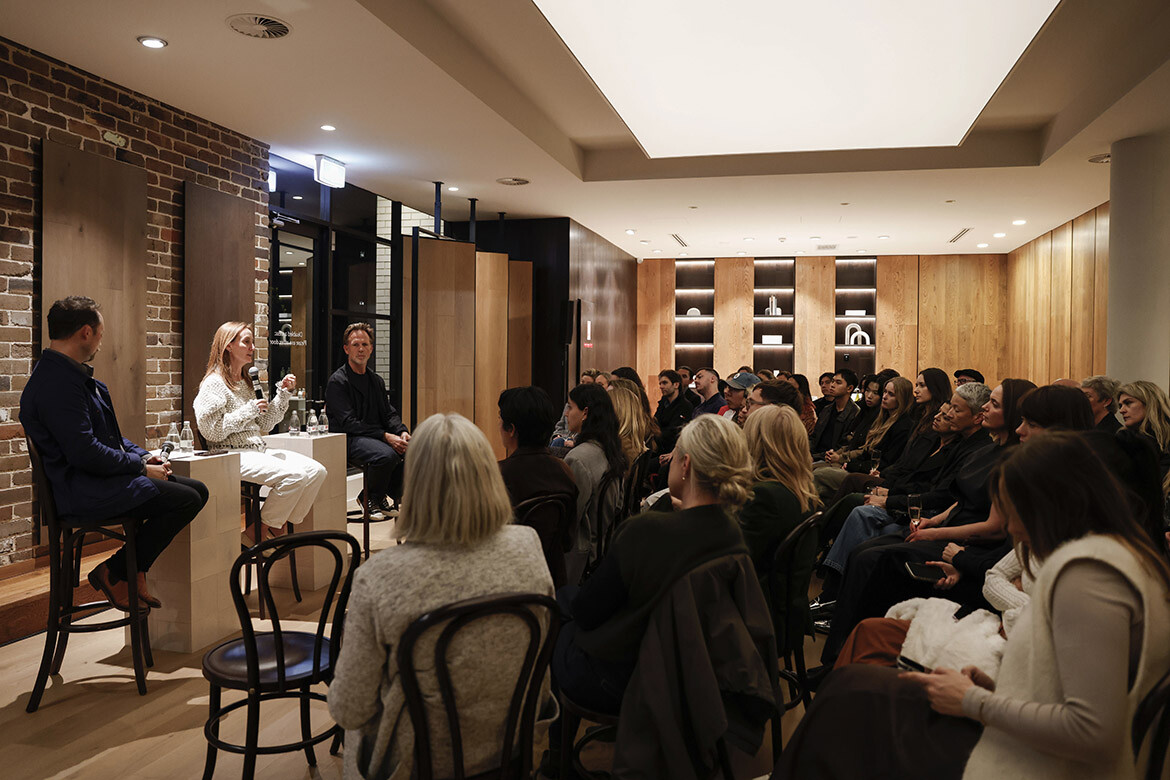
A rollicking good story with Richards Stanisich and Royal Oak Floors
Jonathan Richards and Kirsten Stanisich discussed practice, design process and the business of running a studio at a live audience event hosted by Royal Oak Floors in Sydney.
Events
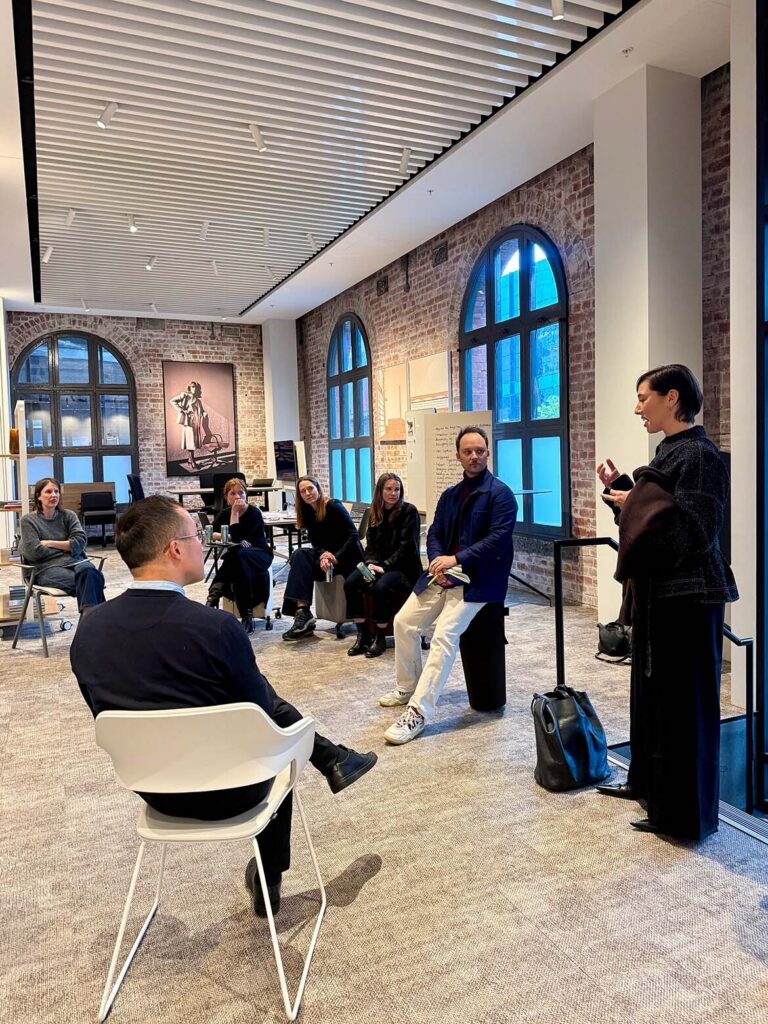
Indesign x Wilkhahn: Melbourne, where are you working?
Our latest collaboration saw a range of designers come together at Wilkhahn’s Melbourne showroom for a discussion on the workplace dynamics specific to the Victorian capital.
Events
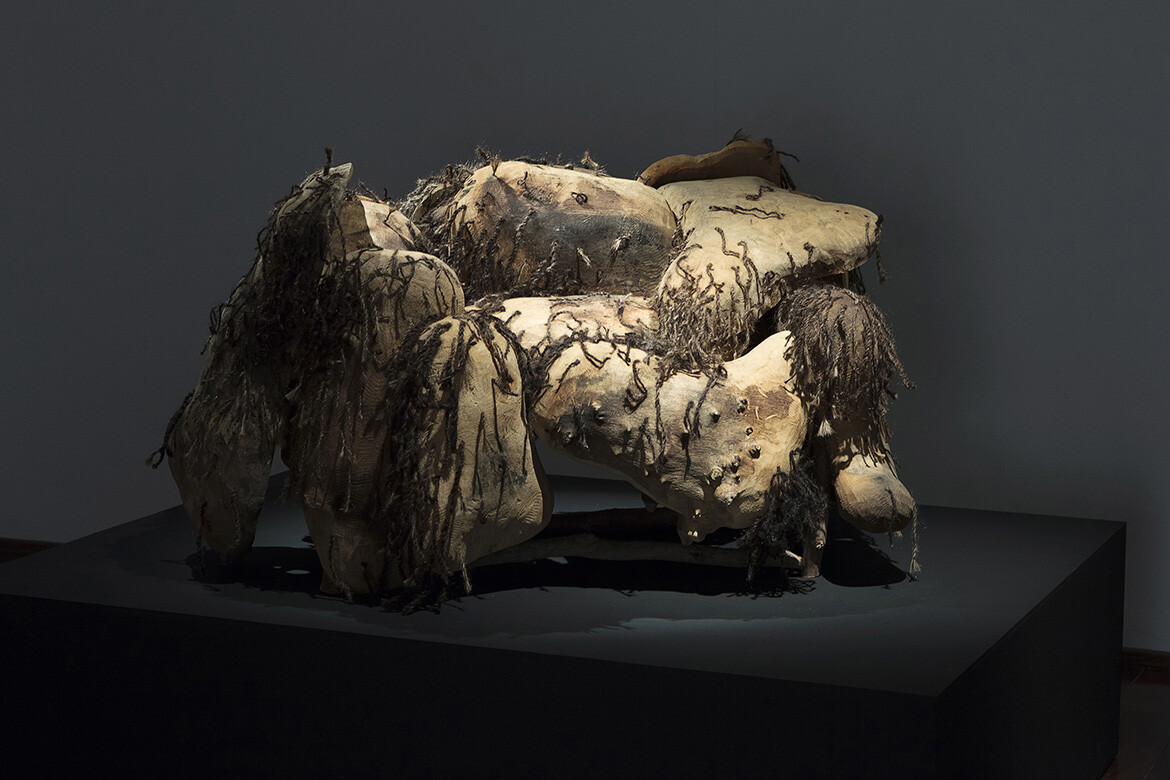
“A journey into a whole new material world”: Plant Life at the NGV
Curator Ewan McEoin tells us about the NGV’s new exhibition on plant-based materials as alternatives to plastics, synthetic materials and other non-renewable resources.
Events
The inaugural Coastal Design Assembly is about to make landfall in Sydney
Sophie Lanigan, organiser of a new event centring on Sydney’s relationship to water, tells us what the event’s all about, who it’s for and why it matters today.