More from the Venice Biennale
Published
By
jesse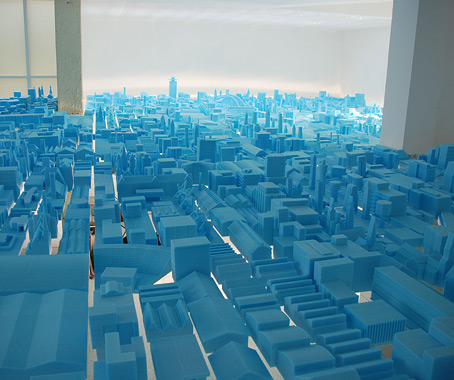
UTS professors Charles Rice and Amanda Clarke are captivated by this year’s less-publicised exhibitions.
Belgian Pavilion
The Belgian Pavilion proved to be a welcome surprise, able to be as much at home in the Art as the Architecture Biennale.
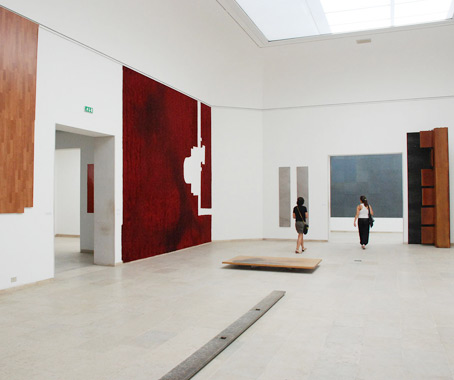
Architects and anthropologists Rotor presented used materials as if they were minimalist sculptures or abstract images. A deconstructed white plinth could be a homage to Robert Ryman, a set of stair treads a nod to Donald Judd, or a kerb edge from a metro station a celebration of Carl Andre.
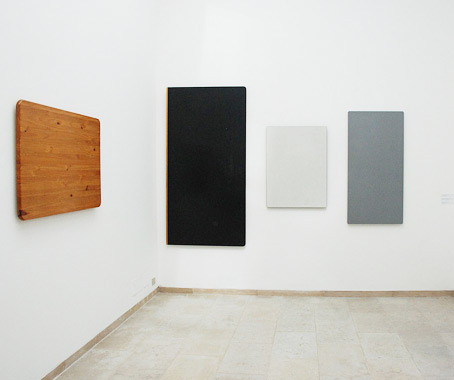
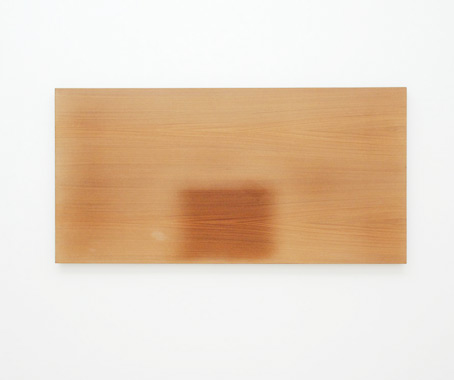
While such a presentation, seen architecturally, could simply be dismissed as another version of the poetics of everyday materials, the precision of the installation and the dryness of the wall labels produced a distancing effect. There was no ‘essential materiality’ on show here, but rather a strange and beautiful reinvestigation of surfaces in the context of their display as art.
Dutch Pavilion
The Dutch Pavilion, entitled Vacant NL, exhibited the results of urban research into the potential reuse of unoccupied buildings.
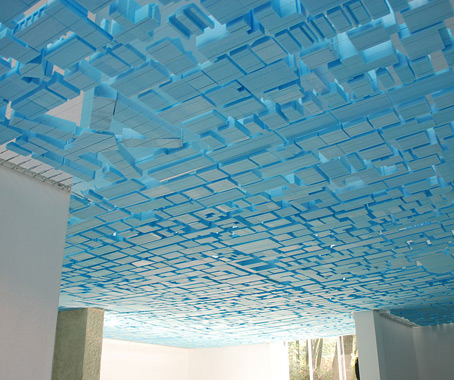
We have come to expect a rather dry presentation of facts and figures in these sorts of research-based exhibitions, but the Dutch team of Rietveld Landscape managed literally to ‘model’ the extent of Holland’s unoccupied buildings as an urban field, an entire blue-foam city.
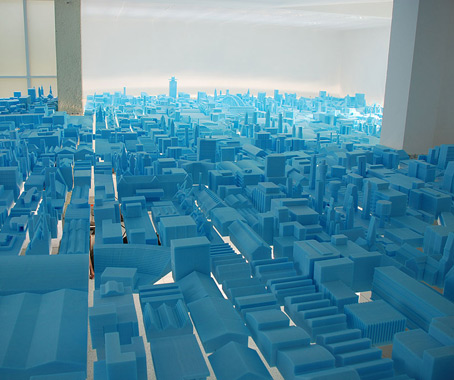
Through their promotion of the idea of interim or temporary use, this modelling provided a palpable image, and entire city of new activity able to be extracted from existing building stock.
The political strategy of the pavilion was also interesting to observe. Rather than being a set piece of professional propaganda or achievement, the Dutch pavilion, commissioned by the Netherlands Architecture Institute, constructed a precise and deliberate argument in the context of the emerging innovation policies of the Dutch government.
French Pavilion
French architect Dominique Perrault is the curator of the French Pavilion this year. His project tackles the topic of “Metropolis.”
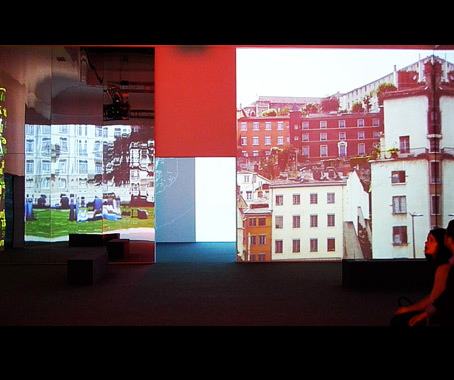
The theme aimed to demonstrate that a metropolis itself is not a city but rather a territory mostly comprised of empty and available spaces. Consequently, the perception of these voids as the places where all possibilities can still be realized guides the approach to the subject and overall exhibition design of the pavilion.
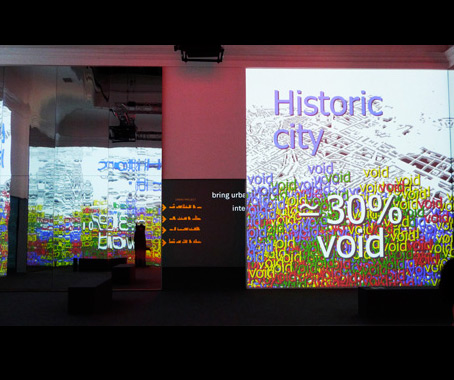
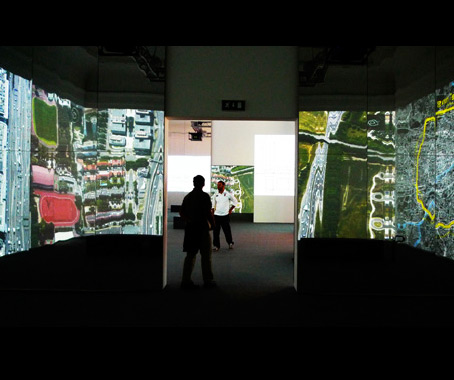
Walls of the pavilion were covered from floor to ceiling with film projections, promoting a sense of virtual inhabitation of the 5 French territories in question. The interplay of screens and mirrors exponentially increased images and sensations, placing the participant in an immersive sensory environment with little choice but to engage with the discourse being proposed.
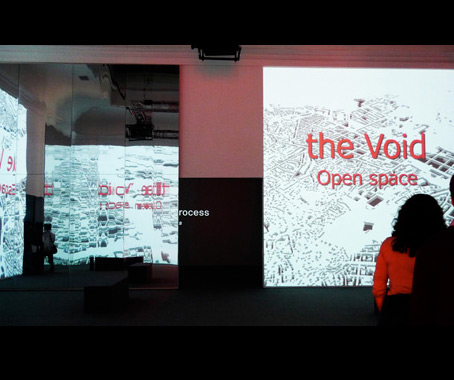
Though at times the message was a little overstated and sensationalized, the proposal was well produced, and dare I say entertaining. The strength of this exhibit lay in its integrated approach to the subject, and demonstration of this approach through the exhibition design.
For more on the Venice Biennale, visit Amanda Clarke’s blog:
arch-exhibit.blogspot.com
Related Articles
Events
It’s time for debate and discussion at Saturday Indesign
Saturday Indesign might be revitalised and full of surprises in 2026, but the ever-popular Design Discussion series is back for more thought-provoking panels. Find out who’s discussing what in Sydney on 12th September.
Events
A rollicking good story with Richards Stanisich and Royal Oak Floors
Jonathan Richards and Kirsten Stanisich discussed practice, design process and the business of running a studio at a live audience event hosted by Royal Oak Floors in Sydney.
Events
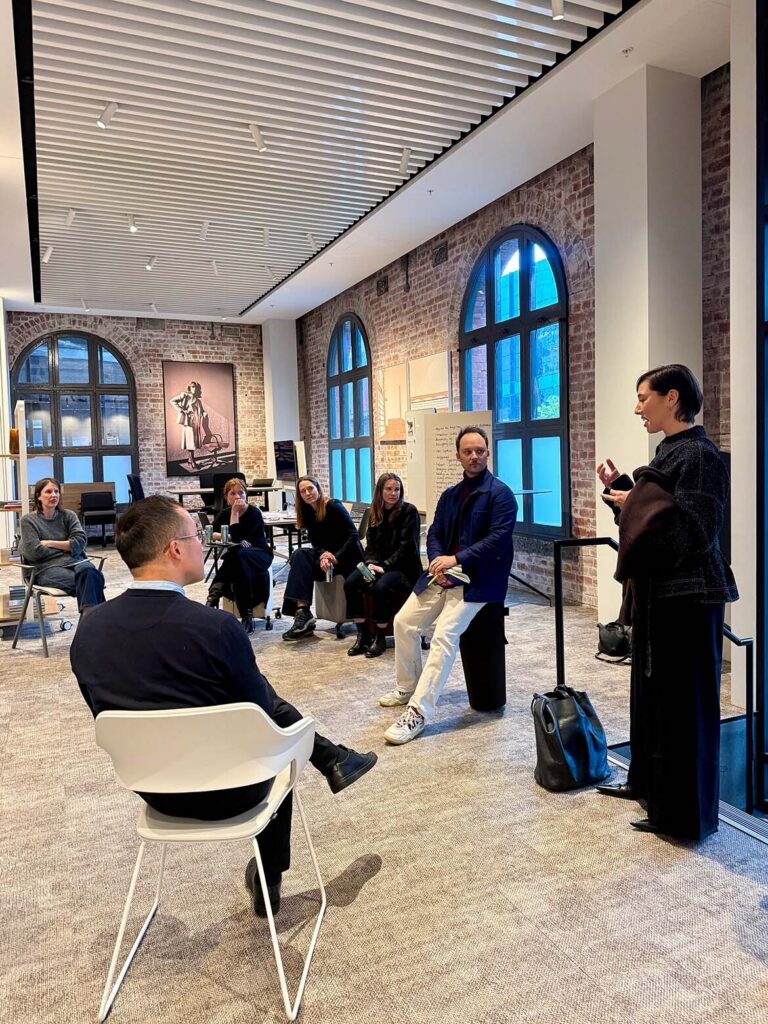
Indesign x Wilkhahn: Melbourne, where are you working?
Our latest collaboration saw a range of designers come together at Wilkhahn’s Melbourne showroom for a discussion on the workplace dynamics specific to the Victorian capital.
Events
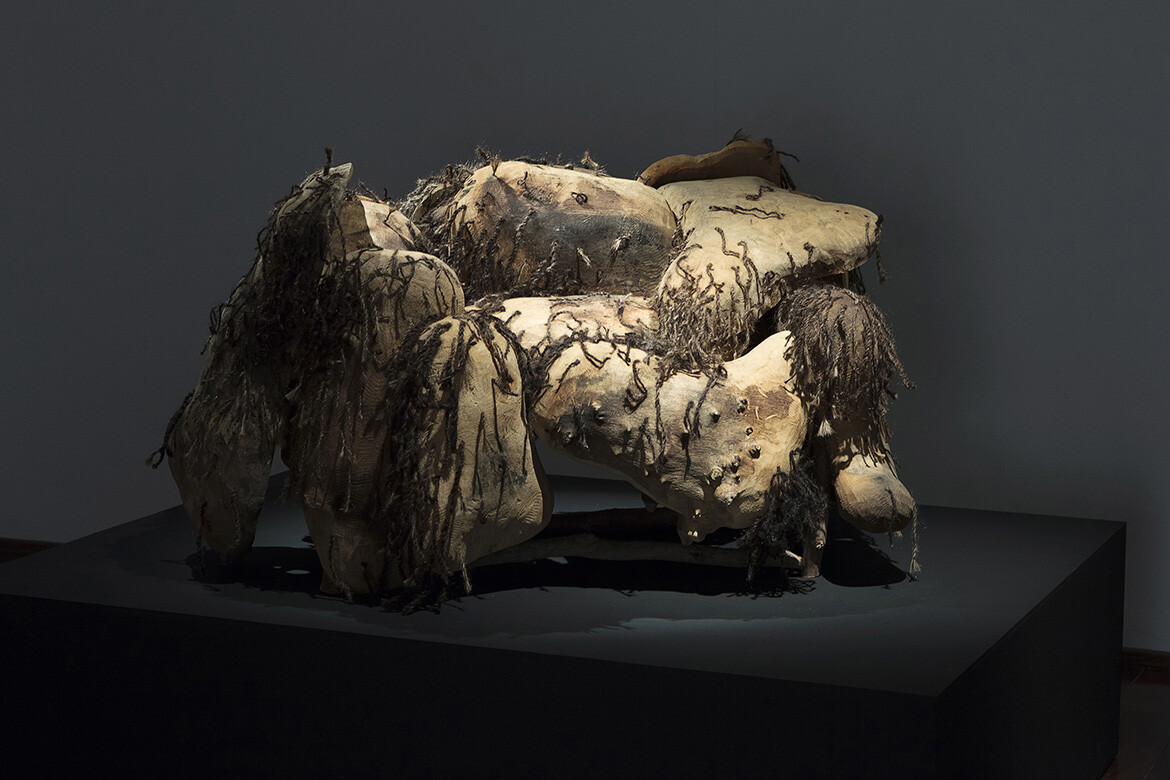
“A journey into a whole new material world”: Plant Life at the NGV
Curator Ewan McEoin tells us about the NGV’s new exhibition on plant-based materials as alternatives to plastics, synthetic materials and other non-renewable resources.