Japan Day 2: Hiroshima
Published
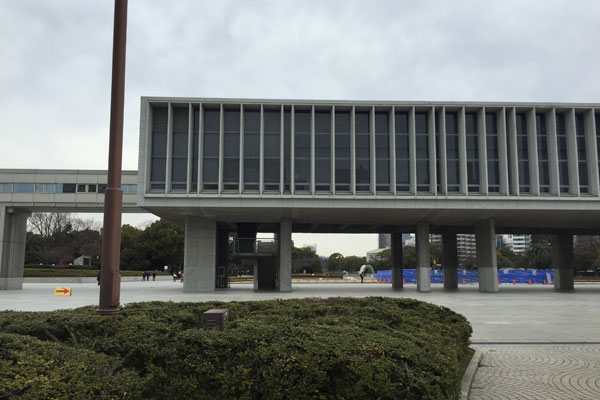
On 6 August this year it will be 70 years since the atomic bomb was dropped on Hiroshima. Angela Ferguson visits the place today.
Memorial Museum
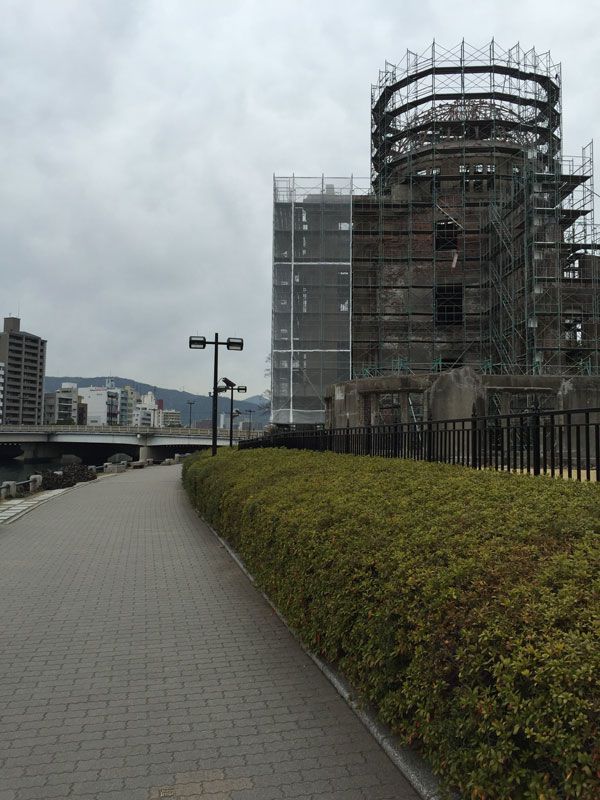
The A-Bomb was exploded 600 m above the city, so that the full effect of its destruction was felt by Hiroshima’s people. Putting it bluntly, the city was flattened. The after effects of the A-bomb continued to be felt for years afterwards by those who managed to survive.
The inhabitants of Hiroshima are a determined people and they soon set about rapidly rebuilding their city. A few short years after it had been razed to the ground Hiroshima was proclaimed a City of Peace by the Japanese Parliament in 1949. It is now a thriving metropolis dedicated to peace and the abolition of nuclear weapons.
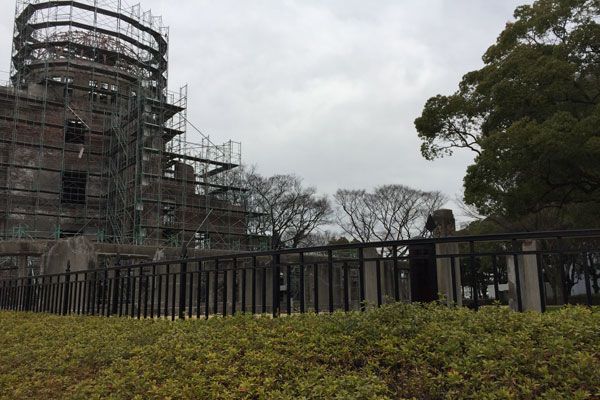
A-Bomb Dome
The main monuments and memorials that are part of Hiroshima Peace Park were designed by Japanese architect Kenzo Tange. Tange practiced throughout the 20th century (he died in 2005) and was one of Japan’s, if not the world’s most highly regarded architects, winning the Pritzker Prize in 1987.
His work has a distinct modernist style that also incorporates many Japanese architectural aesthetic principles. His design for the site was the result of winning a design competition, and this is one of the many opportunities Tange had to explore the influence of his favourite architect, Le Corbusier.
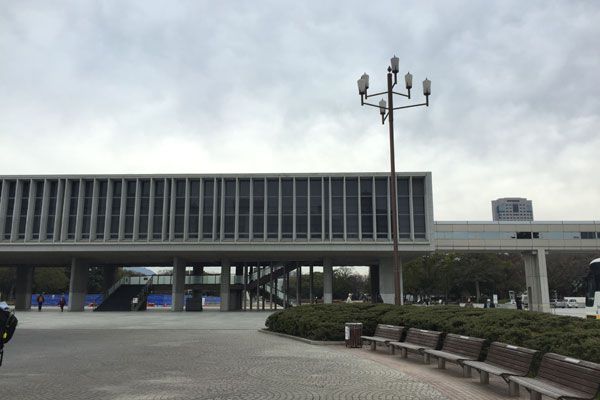
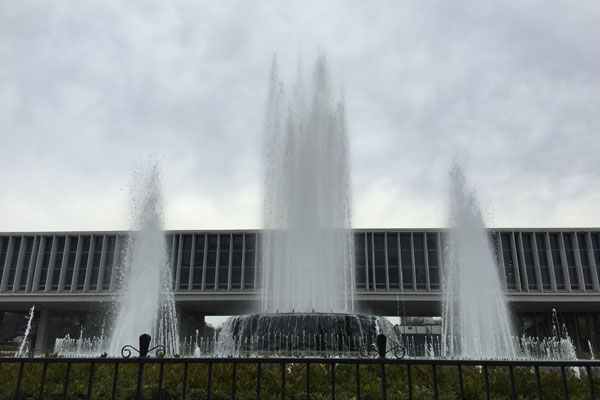
Memorial Museum
Arriving in Hiroshima is surreal; it is quite obviously much newer than other big cities in Japan and it’s difficult to imagine how a city could grow out of rubble in such a relatively short time. It has a similar feel to Canberra, in that it is a very ‘planned’ city now. The Peace park site consists of the Peace Memorial Museum, the Peace Memorial Park, the Memorial Cenotaph, the Children’s Peace Monument, the eternal flame (which will only be extinguished once nuclear weapons no longer exist) and the A-Bomb Dome.
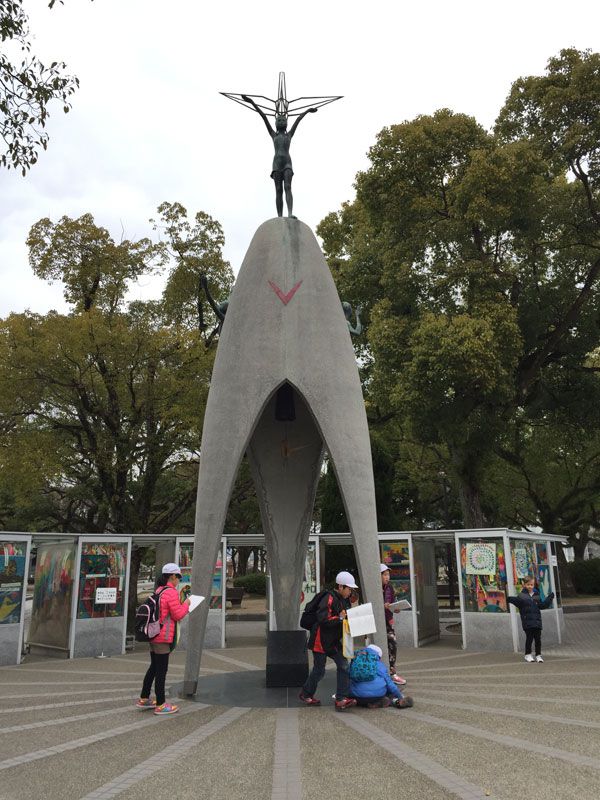
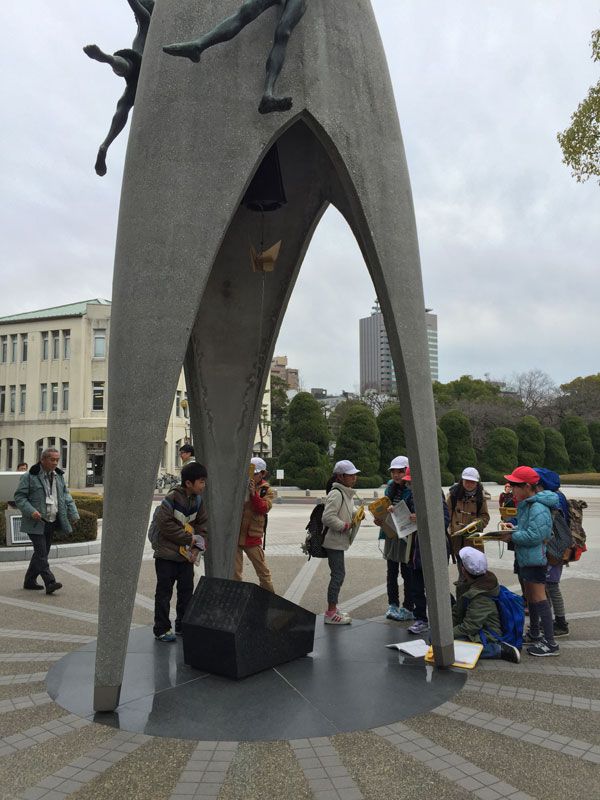
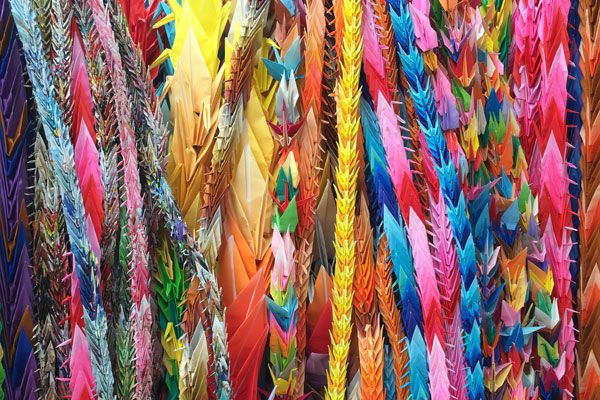
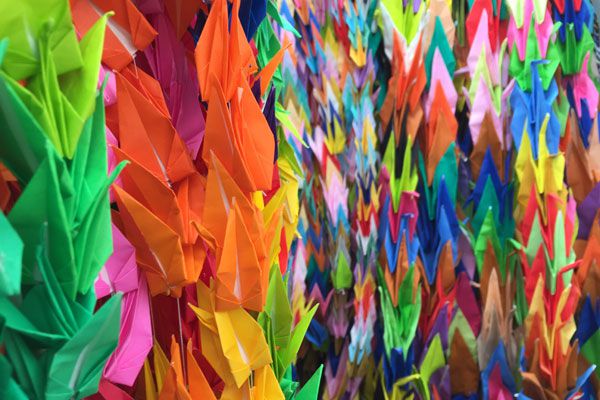
Children’s Peace Monument
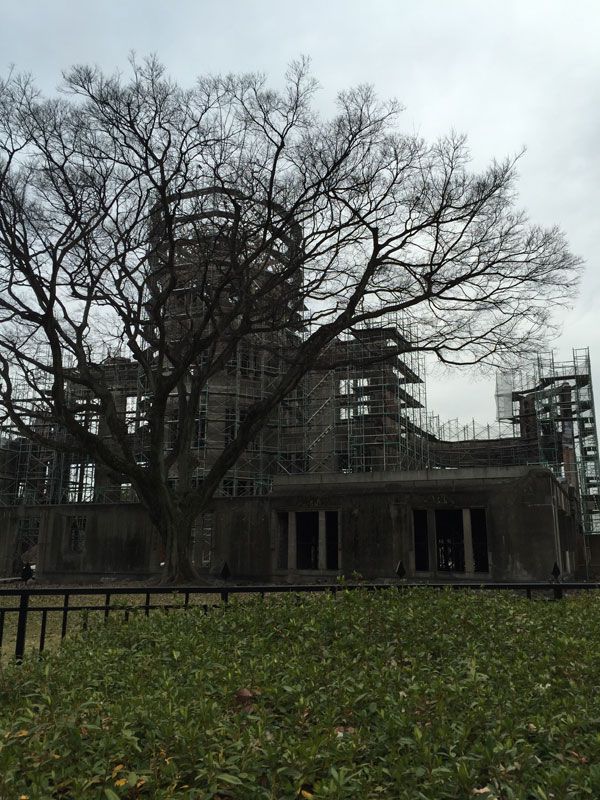
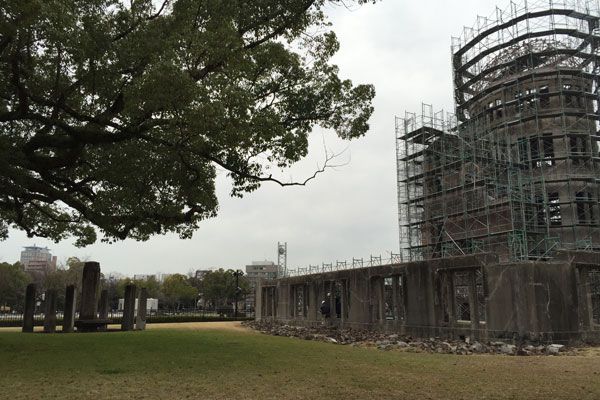
The A-Bomb dome was previously the city’s main commercial and exhibition hall and is one of only a handful of heritage buildings that remain; the A-Bomb dome survived because it was almost directly under the explosion, as if in the eye of a storm.
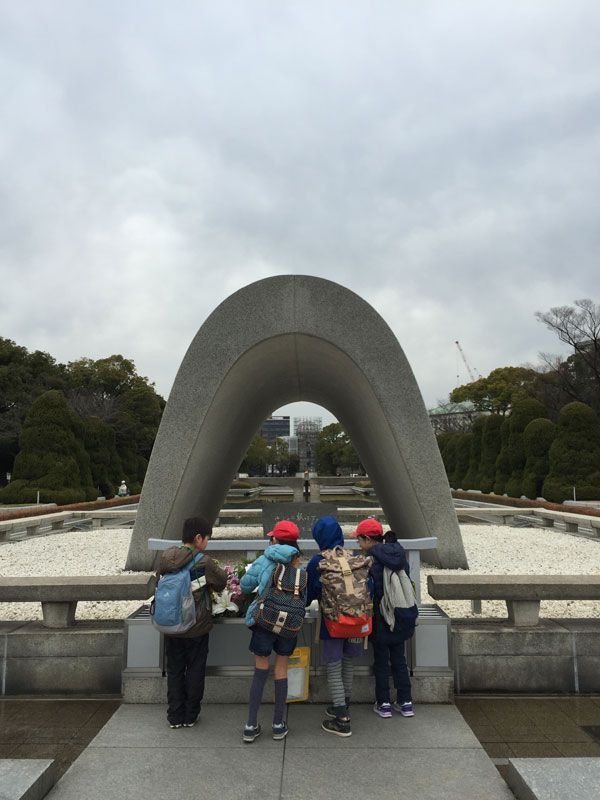
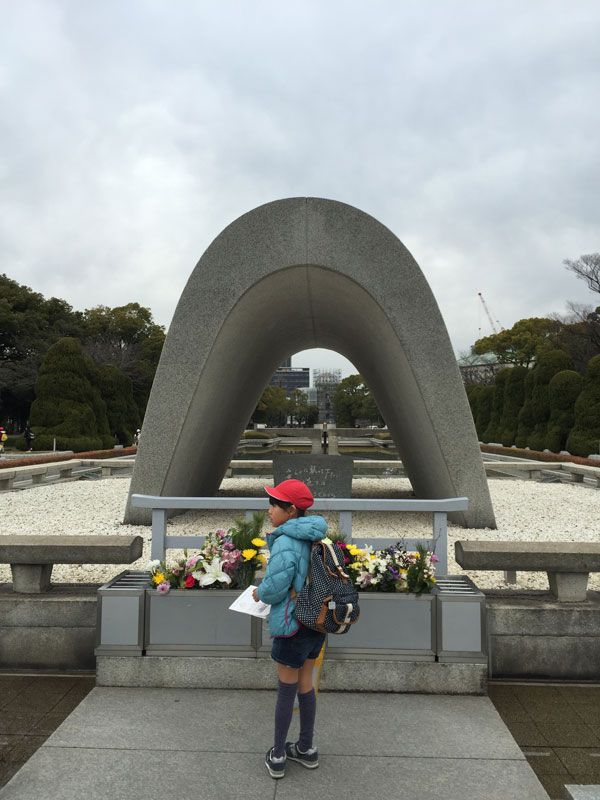
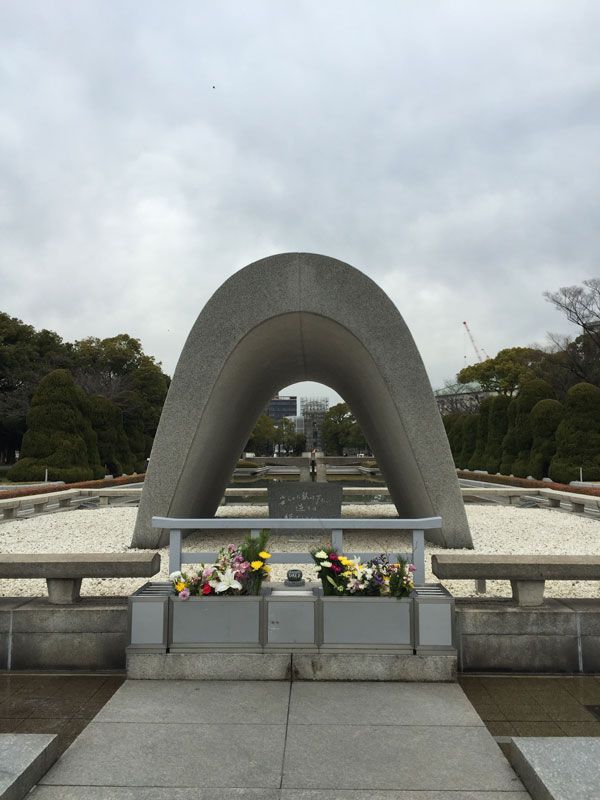
The Memorial Cenotaph
Hiroshima is an important design destination city for many reasons; it is evidence of both shocking destruction and incredible beauty. The architecture of the Peace Site is provocative, serene and beautiful in its simplicity; it is in direct contrast to the desolate landscape from which it evolved.
To follow Angela and Stephen’s journey through Japan go to instagram @futurespacedesign @indesignlive and look out for the hashtags #futurespacetravels #indesigntravels
Related Articles
Events
A rollicking good story with Richards Stanisich and Royal Oak Floors
Jonathan Richards and Kirsten Stanisich discussed practice, design process and the business of running a studio at a live audience event hosted by Royal Oak Floors in Sydney.
Events
Indesign x Wilkhahn: Melbourne, where are you working?
Our latest collaboration saw a range of designers come together at Wilkhahn’s Melbourne showroom for a discussion on the workplace dynamics specific to the Victorian capital.
Events
“A journey into a whole new material world”: Plant Life at the NGV
Curator Ewan McEoin tells us about the NGV’s new exhibition on plant-based materials as alternatives to plastics, synthetic materials and other non-renewable resources.
Ideas
Beyond the panel: What makes a design event worth attending?
Ahead of Saturday Indesign, architects reflect on why smaller gatherings, unexpected voices, candid discussion and meaningful follow-up can make meeting in person genuinely worthwhile.