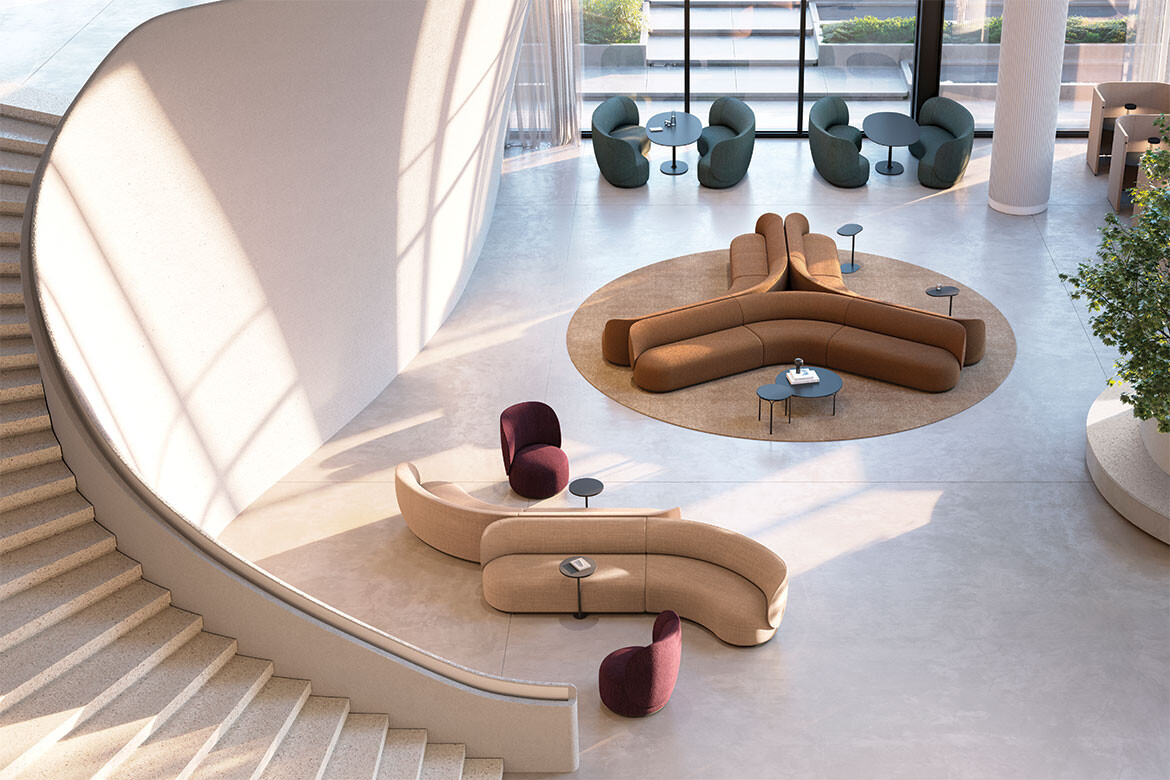
When a designer with a background in aeronautical and automotive engineering turns to furniture, the results carry a particular rigour – a precision born from technical foundations and an understanding of how forms move through air and space. British-born, Australia-based, Keith Melbourne, joined Stylecraft‘s design collective in 2012 and has since developed a prolific body of work characterised by precise lines intersecting with soft, sculptural forms. Melbourne’s latest achievement, the Hélice Collection, represents a thoughtful evolution of the design language established with his Avion Collection, previously launched in 2019.
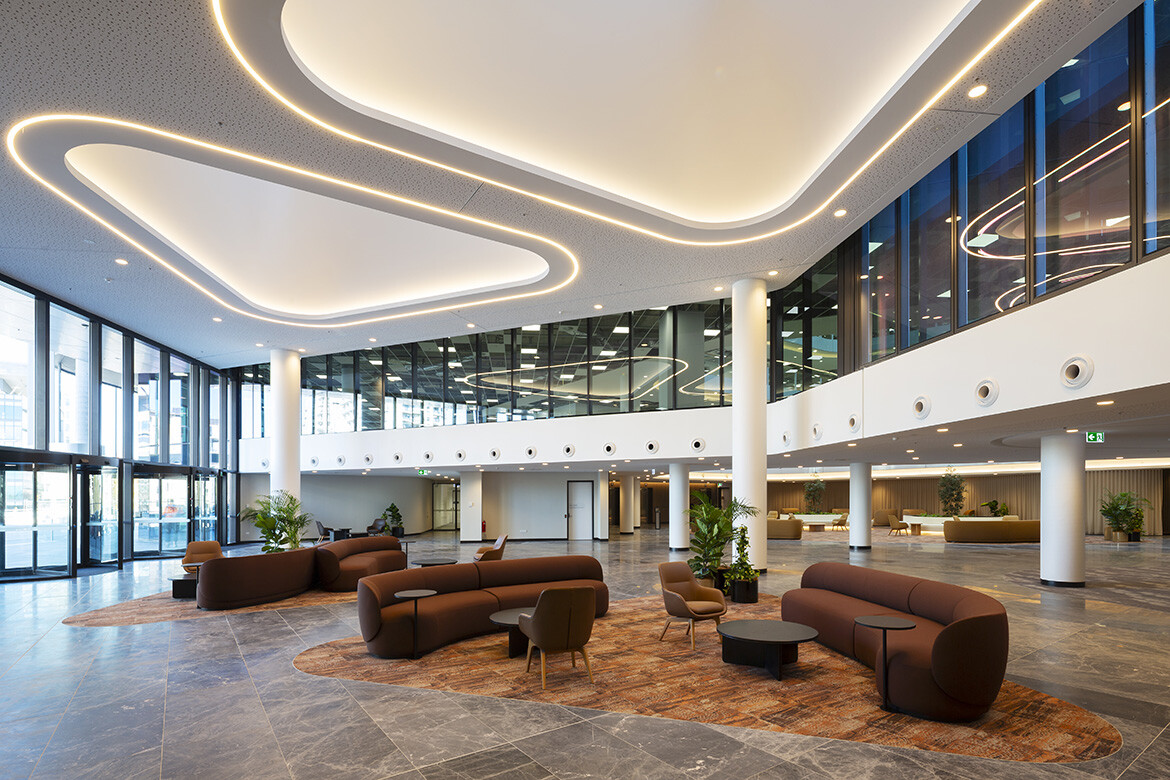
The naming convention itself reveals Melbourne’s creative design lineage. Where Avion references the French word for aircraft, Hélice – French for helix or propeller – signals both progression and forward momentum. Launched in 2024, Hélice has elevated the elegant curves and precise geometries of Avion into a comprehensive modular seating system, expanding the design language into a myriad of configurations perfectly suited to contemporary commercial environments where both connectivity and privacy can be equally ensured.
The Hélice Modular Lounge is both stylish and inviting. Drawing on the Avion Collection, Melbourne takes the original form into a versatile building system that enables sweeping configurations for larger spaces. The flowing arcs continue across two backrest heights, with linear segments and curved radii elements allowing for organic arrangements and defined corner configurations. The modular system prioritises designer freedom, flexibility and the ability to create specific configurations that bring residential sophistication and comfort to commercial, public and hospitality settings. Integrated power options sit discreetly within each seat with cables reticulating seamlessly through the frame. Fixed circular front tables and curved rear tables are tailored to complement each high backrest module.
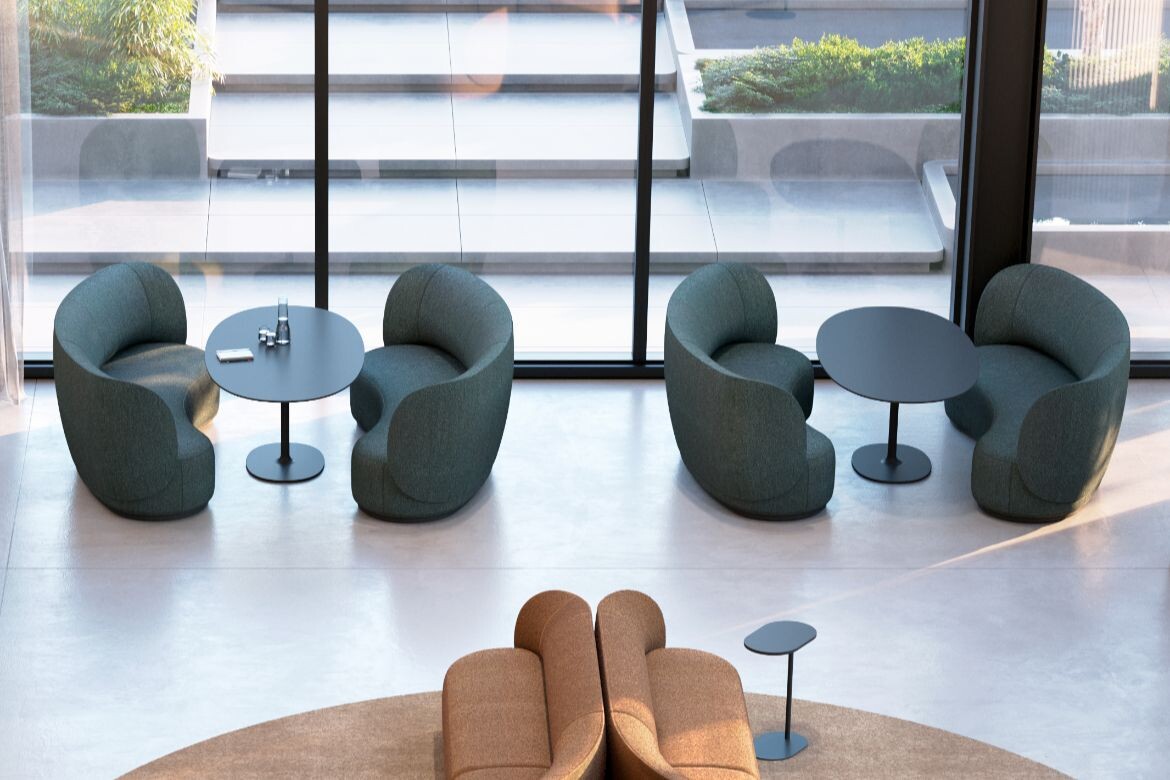
The standalone Hélice Lounge and Armchair maintain this marriage of elegance and practicality. Available in two lengths and two back heights, the lounge’s dynamic curvature creates a luxurious form suited to spaces requiring both visual drama and sustained comfort. The single armchair, with its high backrest, offers a swivel base or fixed front table option in house laminate finishes or solid American white oak and walnut timber – versatile choices for diverse interior palettes.
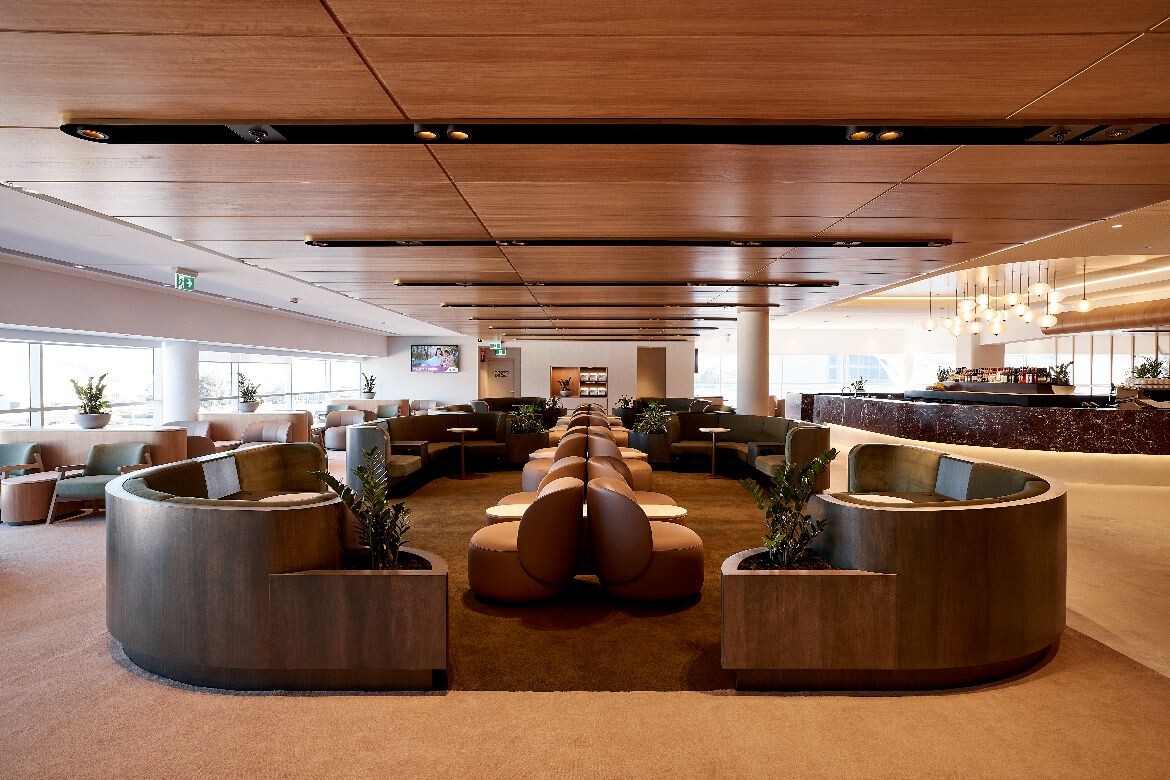
Following Hélice’s debut, both collections experienced renewed specification interest by several of Australia’s leading architecture and interior design studios, quickly becoming integral to Stylecraft’s commercial portfolio. Celebrating the Avion, Architectus featured the collection in their design of the Qantas Lounge Precinct at Adelaide Airport, completed in 2025, where refined comfort suited the premium hospitality environment. Moreover, Woods Bagot selected Avion Meet and Armchairs for BHP’s new offices at 171 Collins Street, Melbourne, selecting earthy tones that connected to the company’s geological focus. Similarly, at Flinders University’s Health and Medical Research Building, where modular configurations support researchers shifting between collaborative and private working modes, Woods Bagot featured Avion.
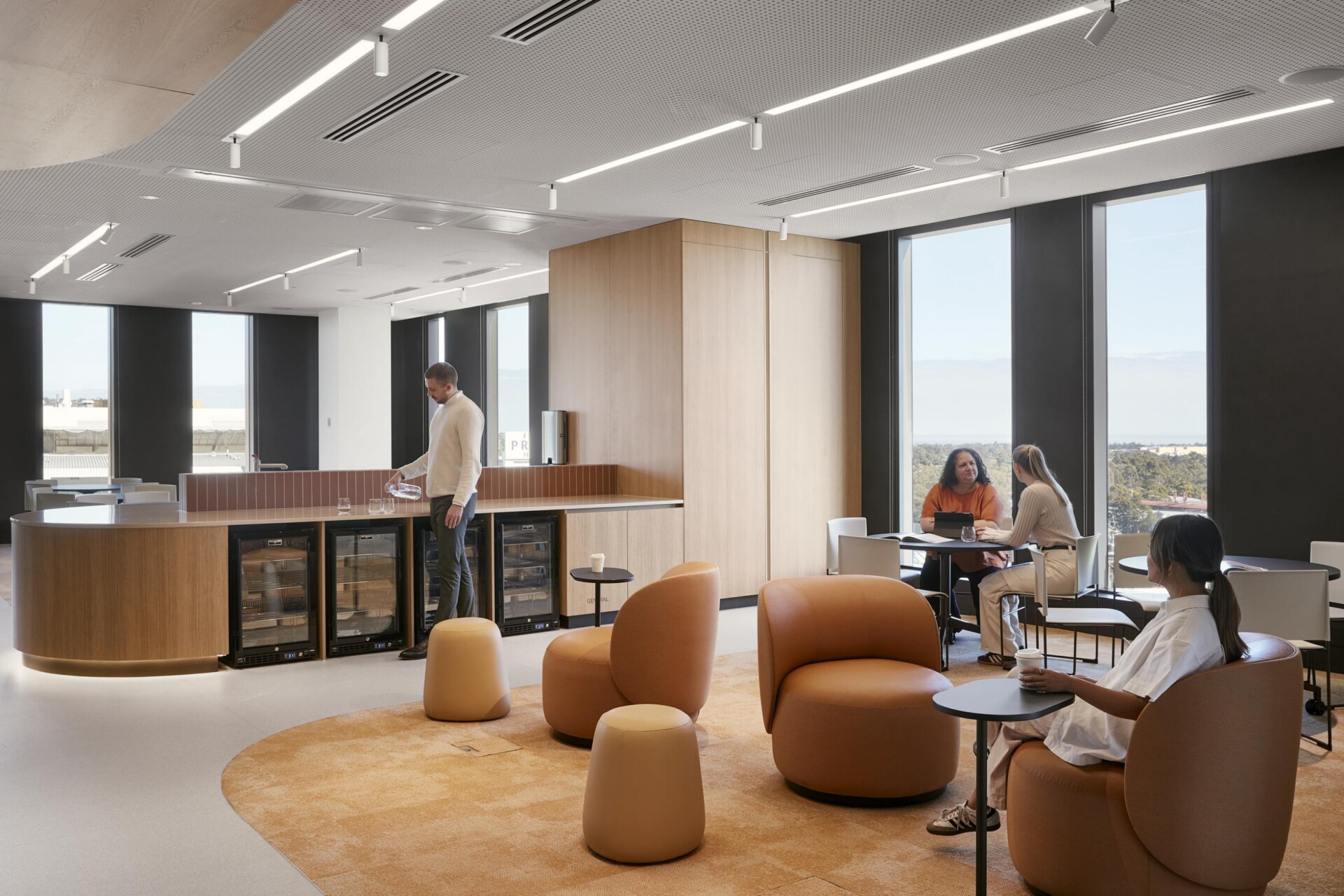
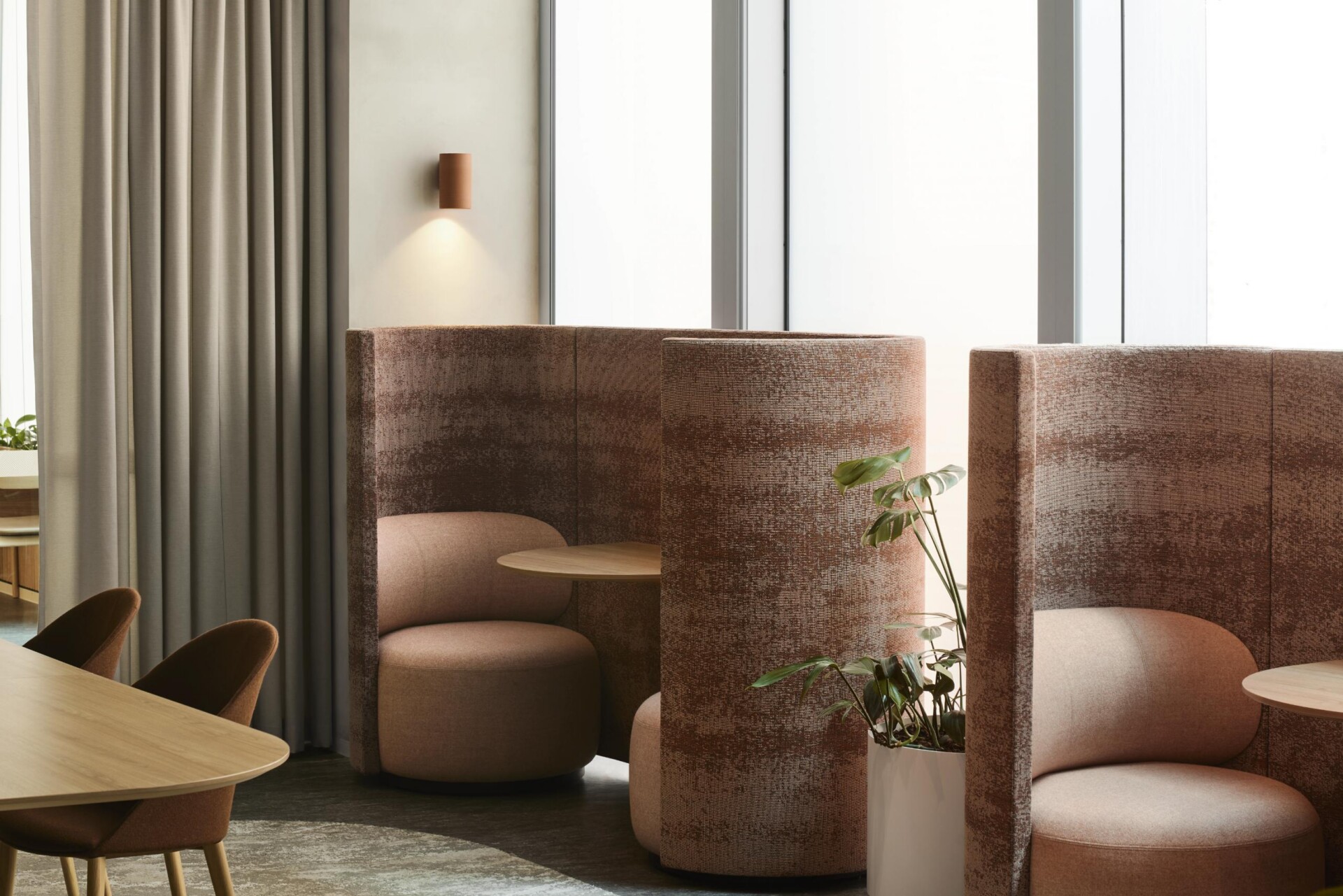
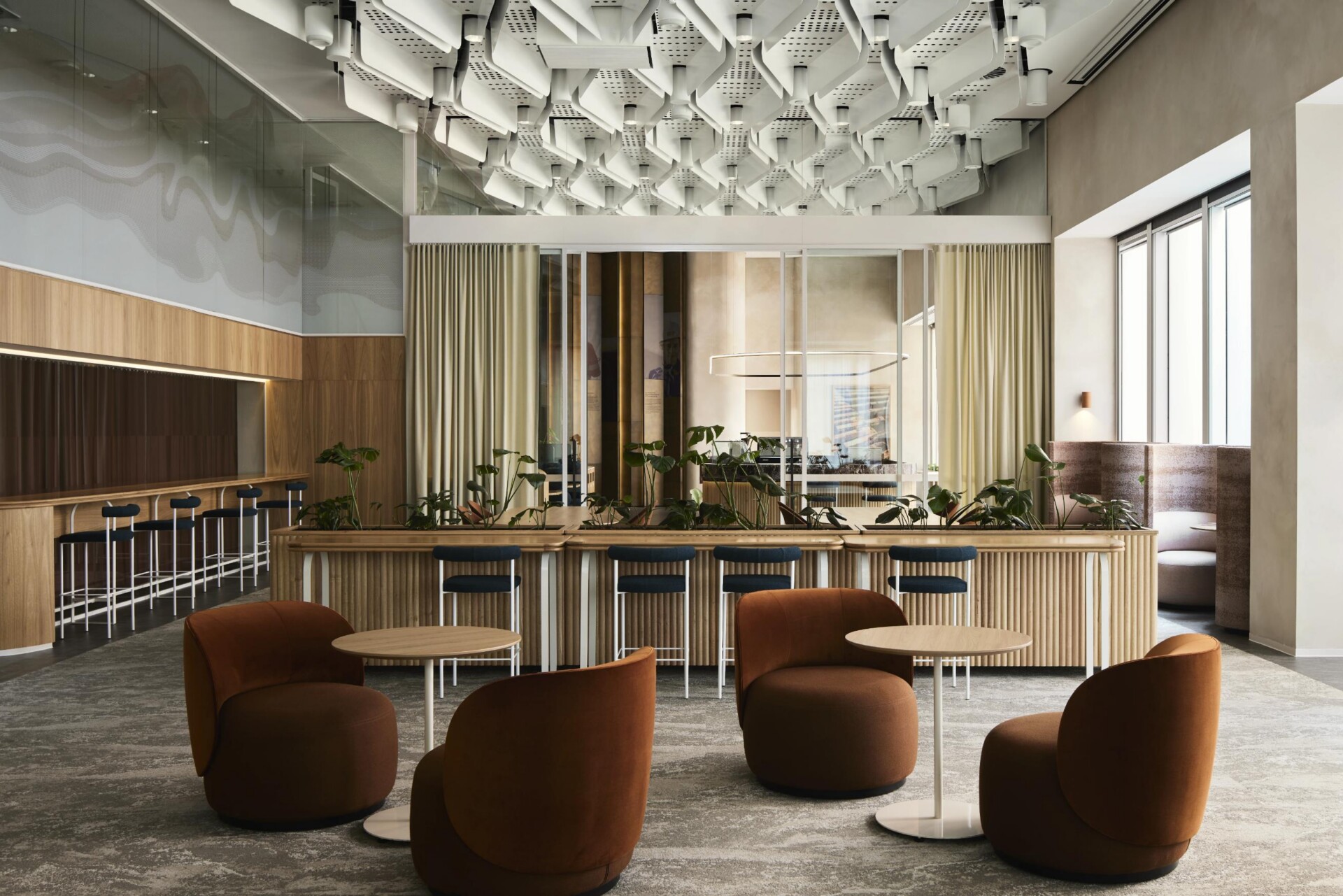
The Hélice and Avion Collections also reflect broader industry priorities; Australian-designed and Melbourne-manufactured furniture that meets rigorous performance standards without compromising design sophistication. The Hélice collection addresses the practical requirements of high-traffic corporate and public environments while maintaining the visual refinement expected in high-end contemporary commercial interiors. It is furniture designed with an engineer’s understanding of technical structure and a designer’s commitment to creative form – qualities that are increasingly essential. As the built environment demands beauty, sustainability and accountability, Stylecraft is committed to this design excellence.