From Our Partners

Energy efficient façades

Published

Energy efficient façades

In this whitepaper, Alspec takes a look at changes made to Section J of the 2019 National Construction Code for Windows and Doors, setting out how these changes impact specification and building design.

As demand for infrastructure and urban development grows, one of the Australian design and construction industry’s biggest challenges is implementing an effective strategy for reducing built environment emissions.

The National Construction Code (NCC) of Australia – a performance-based code that sets the minimum requirements for all new buildings and building work – plays a critical role, setting mandatory minimum requirements for energy efficiency and sustainability.

In 2019, the updated version of the NCC came into effect, which included the biggest overhaul of the decade of the energy efficiency provisions that apply to commercial and residential buildings. Modelling has shown that buildings constructed under the NCC 2019 could see a 30% increase in energy efficiency compared to buildings constructed under the NCC 2016.

Rewritten almost in its entirety, Section J Energy Effciency is the energy efficiency compliance benchmark for modern Australian buildings. Among the more notable changes are the new provisions impacting the external facade, including windows, doors and wall-glazing construction, that apply to commercial buildings in Classes 2-9.

In this whitepaper, Alspec take a closer look at the changes to Section J, with a particular focus on the new requirements for external facades. We also discuss in detail how these changes impact specification and building design.
Related Articles

A new designer-led trade program takes the guesswork out of rug specification

Advertorials

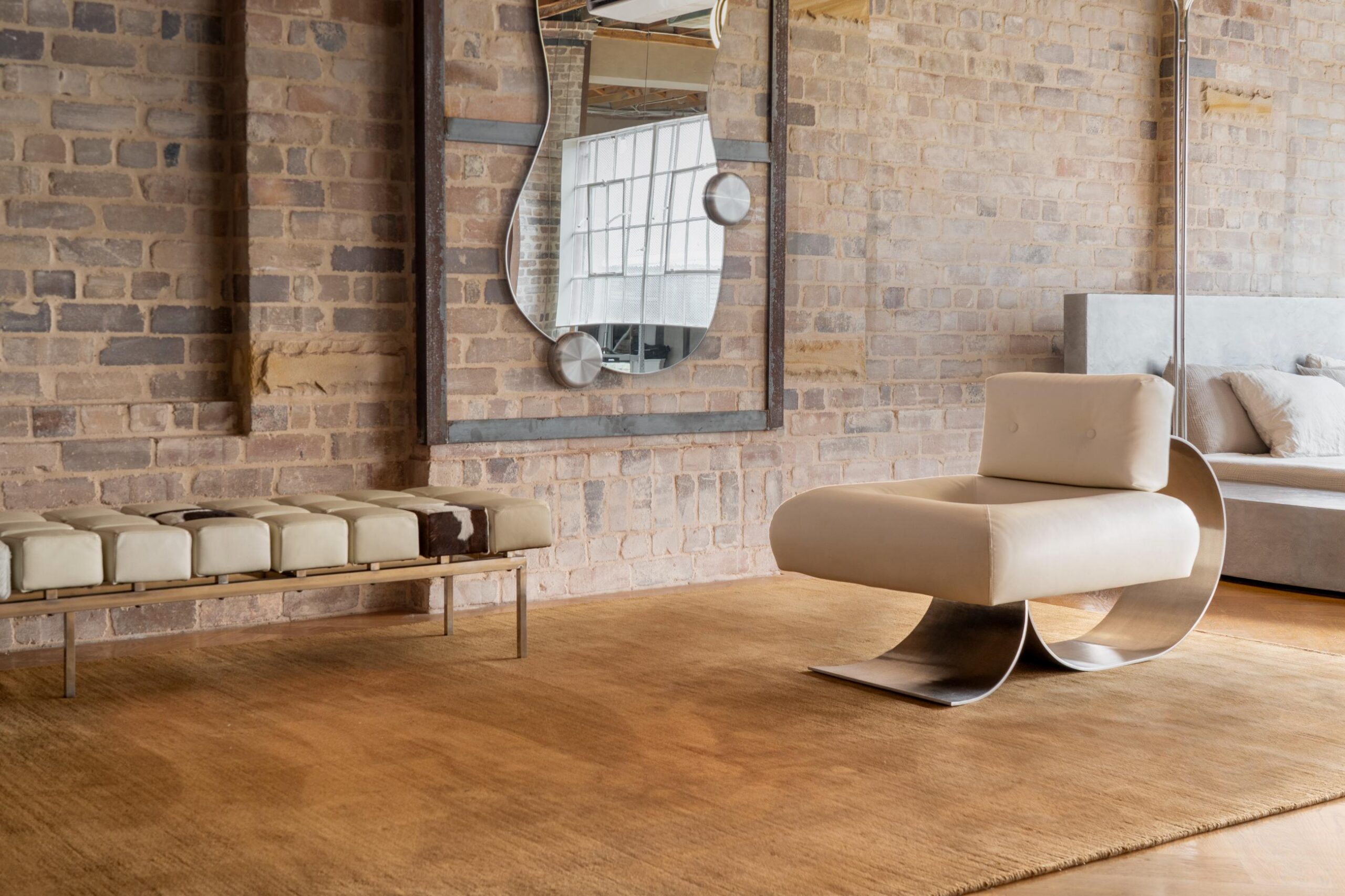
A new designer-led trade program takes the guesswork out of rug specification

Developed by designers, for designers, Miss Amara Trade is the latest launch by leading Australian online rug specialists, Miss Amara. Working in partnership with designers, the trade program provides the expertise and tools to combat the pressures and uncertainty involved in specification.

From Our Partners
Shapeshifters of workplace design: a furniture brand providing flexibility across diverse design visions

Articles

Shapeshifters of workplace design: a furniture brand providing flexibility across diverse design visions

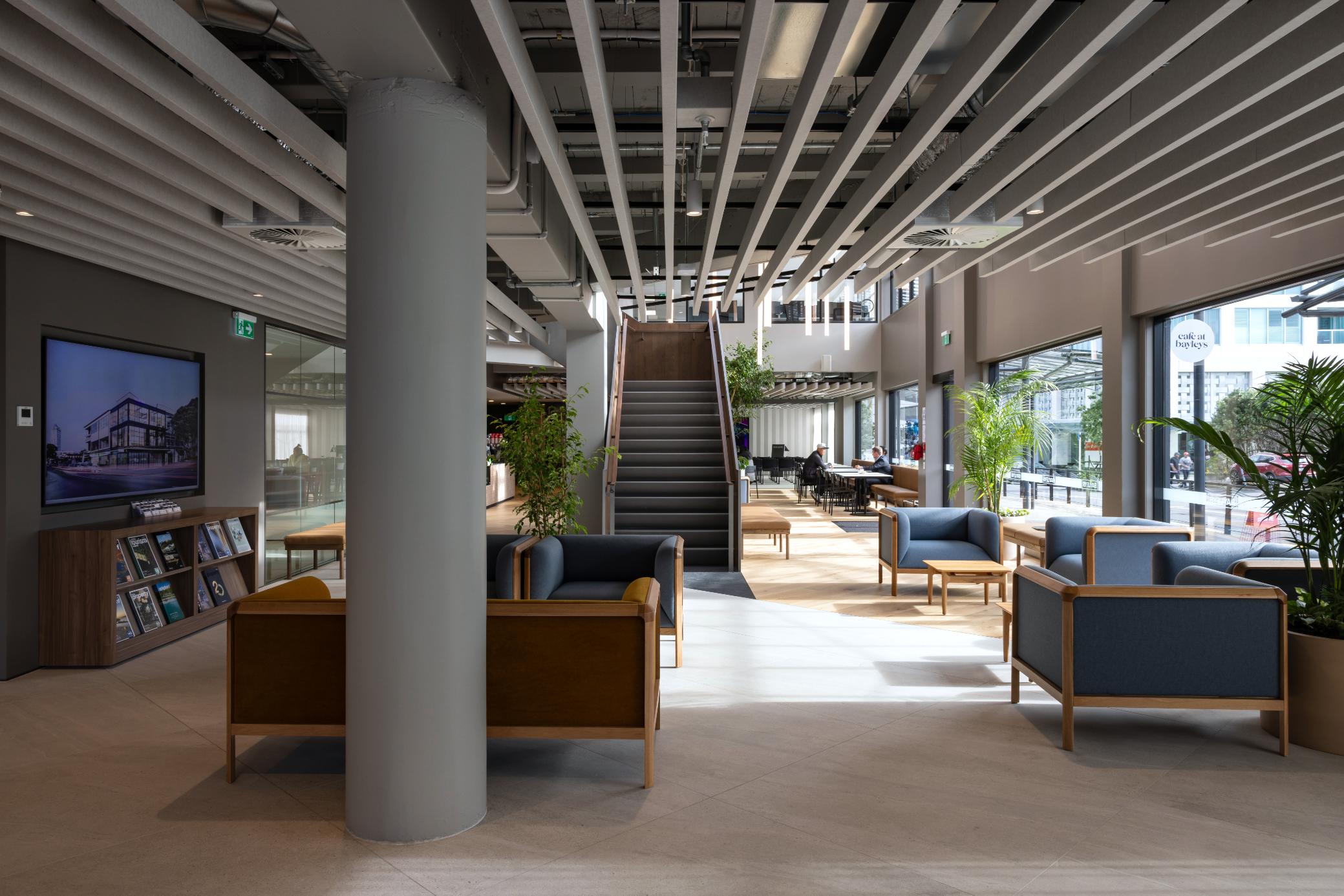
Today, workplace settings are fluid, ebbing and flowing between focus, informal discussion and collaboration. For this reason, versatility is at the core of Klaro Industrial Design’s perspective. Their designs continue to push the boundaries of what commercial furniture can offer, as demonstrated in a new collaboration between Klaro Industrial Design and Concept, a design and construction company focused on commercial interiors.

From Our Partners
Small Gestures, Distinctive Design: Inside Gaggenau’s Approach to Interaction

Articles

Small Gestures, Distinctive Design: Inside Gaggenau’s Approach to Interaction

With Gaggenau’s floating control ring, interaction and interface designer Soeren Strayle brings physical presence to the digital interface, finding room for precision and familiarity.

From Our Partners
Three conversations about the future of home

Articles

Three conversations about the future of home

What does the future of the home look like? And, perhaps more importantly, what should it feel like, how should it perform, and what should it leave behind?