Designer of the Year, Tang Guan Bee
Published
By
jesse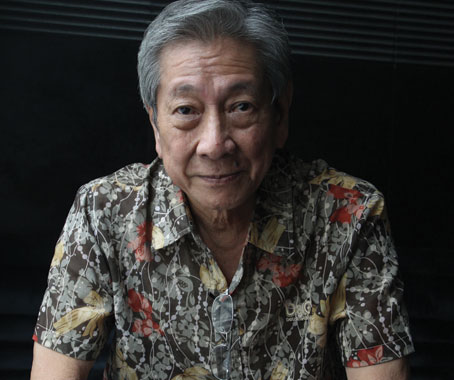
The architect, who received the ‘Designer of the Year’ title at the 2011 President’s Design Award in Singapore, tells Indesignlive.asia editor Janice Seow why it’s important to break the rules.
70-year-old Singaporean architect Tang Guan Bee is a maverick at heart, fearlessly experimenting and taking risks throughout his career with such breakthroughs as Gallery Hotel in 2000, the first-of-its-kind “hip boutique hotel” in the country – as Tang himself describes it.
“A good designer should not obey rules, that’s how creation comes about. Anyone who obeys will never move,” says Tang, adding that the system should allow for this.
“Even if it doesn’t allow you there will be guys who will do it. In every country there will be rebellious guys, these are the few guys who stick their neck out. They do it not because they want to destroy… They are just looking for the next thing.”
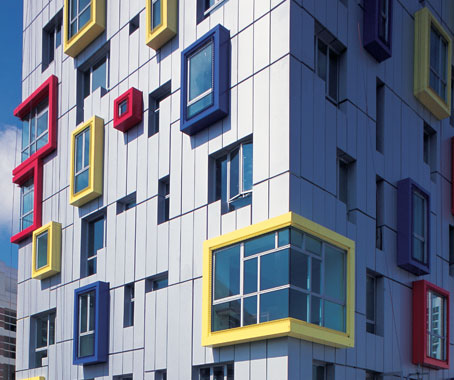
Gallery Hotel with William Lim Associates
Apart from receiving the ’Designer of the Year’ title at the recent President’s Design Award, the architect has bagged other several accolades, including the SIA Gold Medal in 2006 for his lifetime contribution to Singapore; his Gallery Hotel and Eastpoint Mall were also both nominated for the Aga Khan Award for Architecture in 2006.

Eastpoint Mall with Team Design
Tang is recognised as a pioneer architect, both by his peers on home soil and overseas. In Singapore, sustainable projects such as the award winning, but never built, Eco-Housing in the late 1990s were concepts formed ahead of their time.

Fortredale Apartment

Windsor House
“The client was not too sure… in their mind it was a test,” recalls Tang of the proposed 4-storey residential units with planters serviced from the outside, which would allow the skin of the building to evolve as the plants changed in colour, shape and form.
“2 years down the road, with planning all done, the client said no. They got [in] advisors who said this cannot sell… the fear element came in.”

Abelia Apartment
Still on the topic of sustainability, Tang points to Abelia Apartment as a particularly significant green project for him.
The architect says he looks at such projects from a climatic standpoint.
The buildings have to be porous, he continues. ” That one pushes it… That I tell you, I could say is tropical,” says Tang of Abelia. “[It has] gaps for the public, pockets of green, and is linked to walkways which are not air conditioned.”

Forest One with Archurban China

Palazzio Malaysia, KL with AM Arkitek
“Every time the project is fresh I learn,” says Tang. “An architect should strive to innovate. He has to invent. And then he reinvents. You don’t stop at first invention.”

The Market Place
Some stop the moment they reach an equation, he continues. “Because that equation sells. Everybody wants that, so you multiply your equation. And then everything is char siew bao (Chinese barbequed pork bun). Of course you make tons of money. But architecture is not char siew bao.”
“Do things that surprise yourself… A good copycat is nothing.”
Photos: Albert Lim KS
Also watch for our upcoming interview with President’s Design Award ’Designer of the Year’ recipient Sonny Chan.
Related Articles
Events
It’s time for debate and discussion at Saturday Indesign
Saturday Indesign might be revitalised and full of surprises in 2026, but the ever-popular Design Discussion series is back for more thought-provoking panels. Find out who’s discussing what in Sydney on 12th September.
Events
A rollicking good story with Richards Stanisich and Royal Oak Floors
Jonathan Richards and Kirsten Stanisich discussed practice, design process and the business of running a studio at a live audience event hosted by Royal Oak Floors in Sydney.
Events
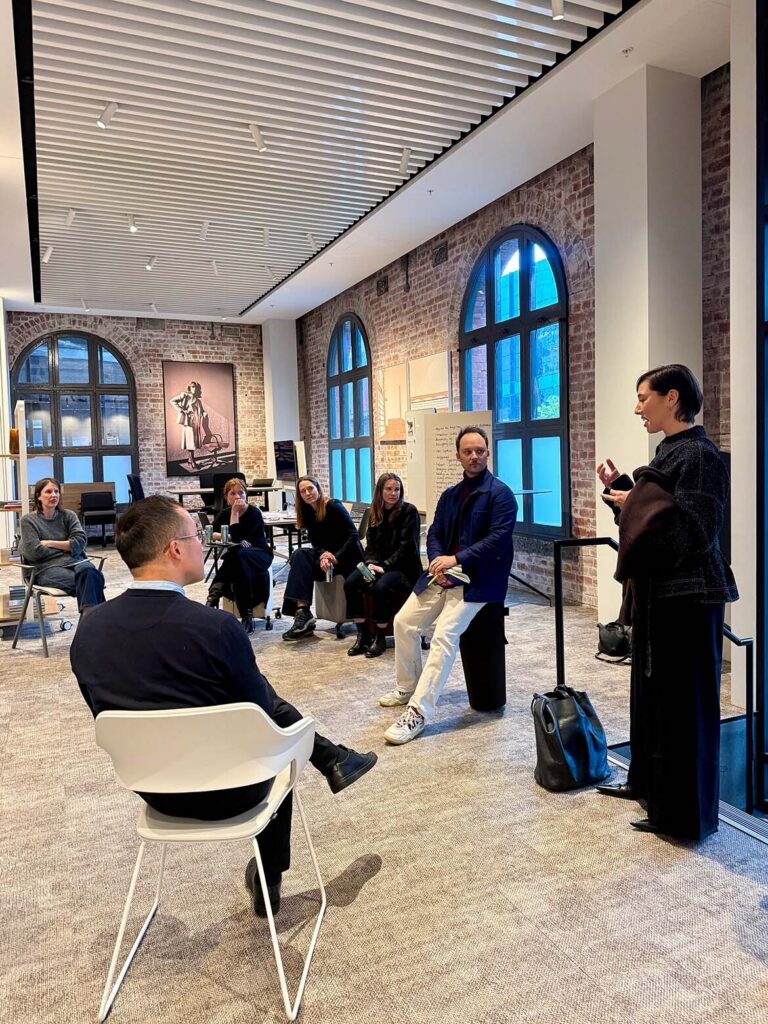
Indesign x Wilkhahn: Melbourne, where are you working?
Our latest collaboration saw a range of designers come together at Wilkhahn’s Melbourne showroom for a discussion on the workplace dynamics specific to the Victorian capital.
Events
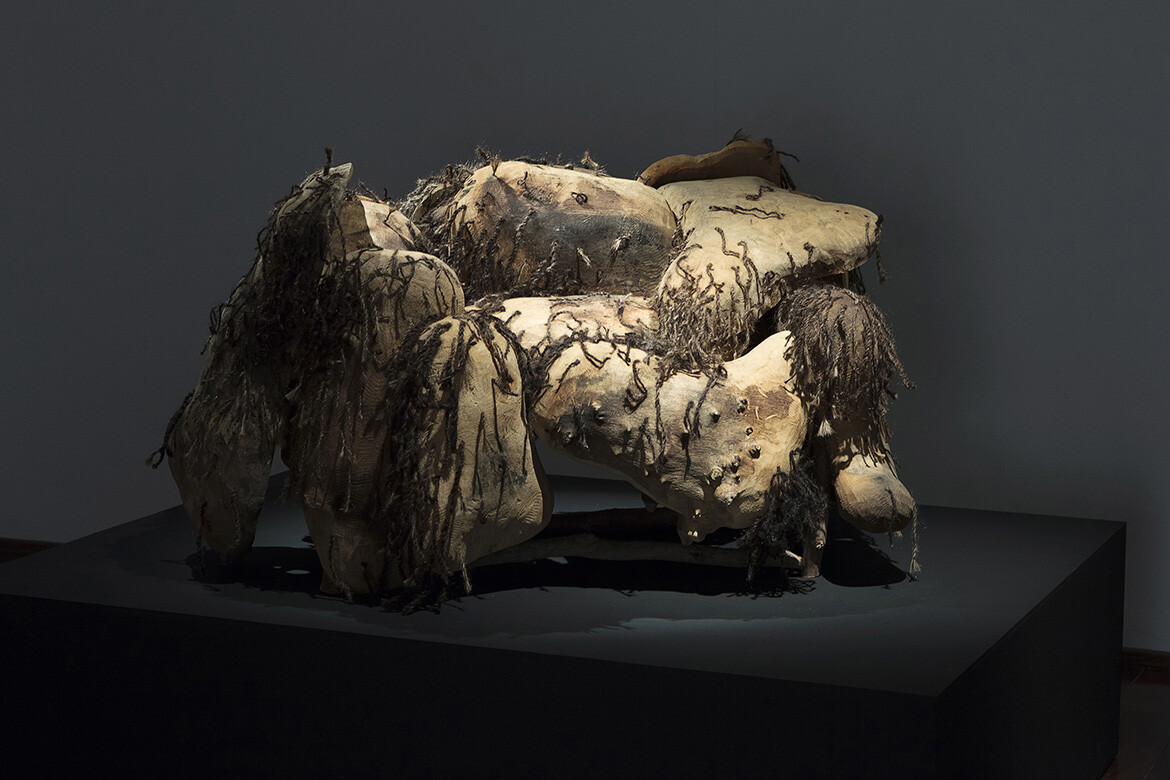
“A journey into a whole new material world”: Plant Life at the NGV
Curator Ewan McEoin tells us about the NGV’s new exhibition on plant-based materials as alternatives to plastics, synthetic materials and other non-renewable resources.