From Our Partners

Communication, collaboration, and respect

Published

Communication, collaboration, and respect

Whilst unauthorised and inappropriate use of Indigenous designs and cultural appropriation are real and on-going problems, this white paper explains how reputable manufacturers, such as Designer Rugs, are addressing them.

Click here to download whitepaper

A vital, living part of the world’s oldest continuous culture and a means for Indigenous Australians to not just express connection to Country, but also strengthen their communities and achieve economic independence, Indigenous art continues to develop and thrive.

Beyond that, it has the unmistakable capability to work as a cultural bridge; to provide non-indigenous Australians – and indeed the broader global community – with a window to cultures of Aboriginal and Torres Straight Islander peoples.

Clearly, at least since the latter part of the 20th Century, it has succeeded in this sense. Right now, belatedly, Indigenous art is recognised, universally, as the exciting, vibrant movement it has always been. It is a common presence, across Australia, in our galleries, homes, and places of business.
While this inclusion is to be applauded, there is one curious aspect to the way many non-Indigenous people approach Indigenous art. As it stands, the work most in the broader community get to see is generally limited to paintings and sculptures. Despite the amount of great work being produced by Indigenous artists in a range of media, architects, homeowners, and business owners are cautious about including them in their homes and places of work.

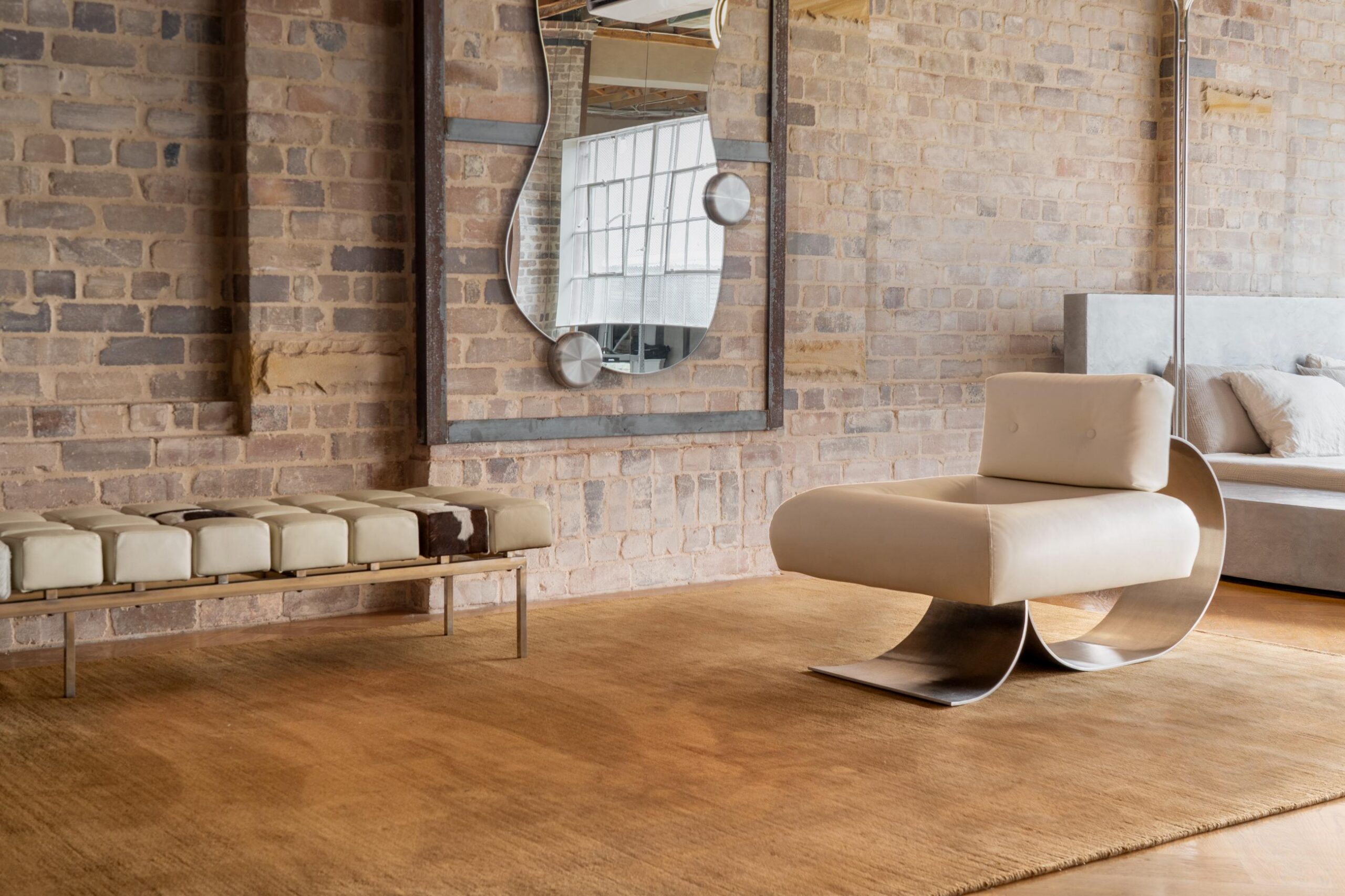
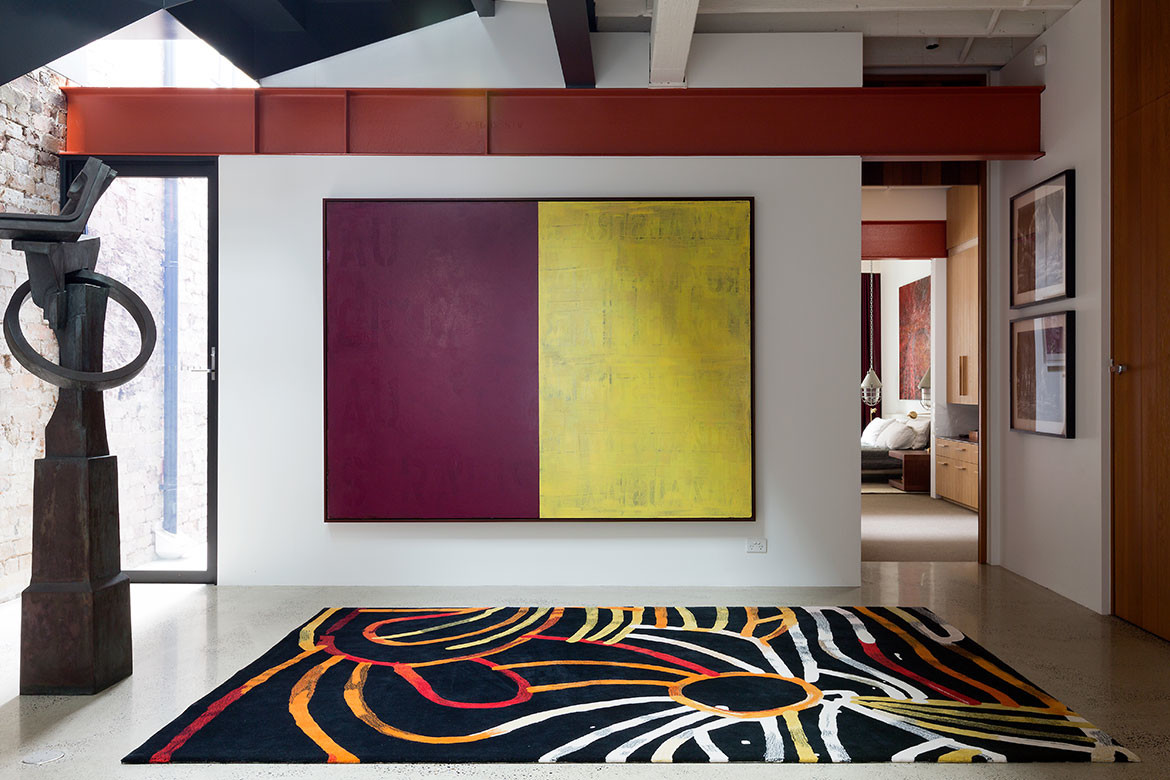
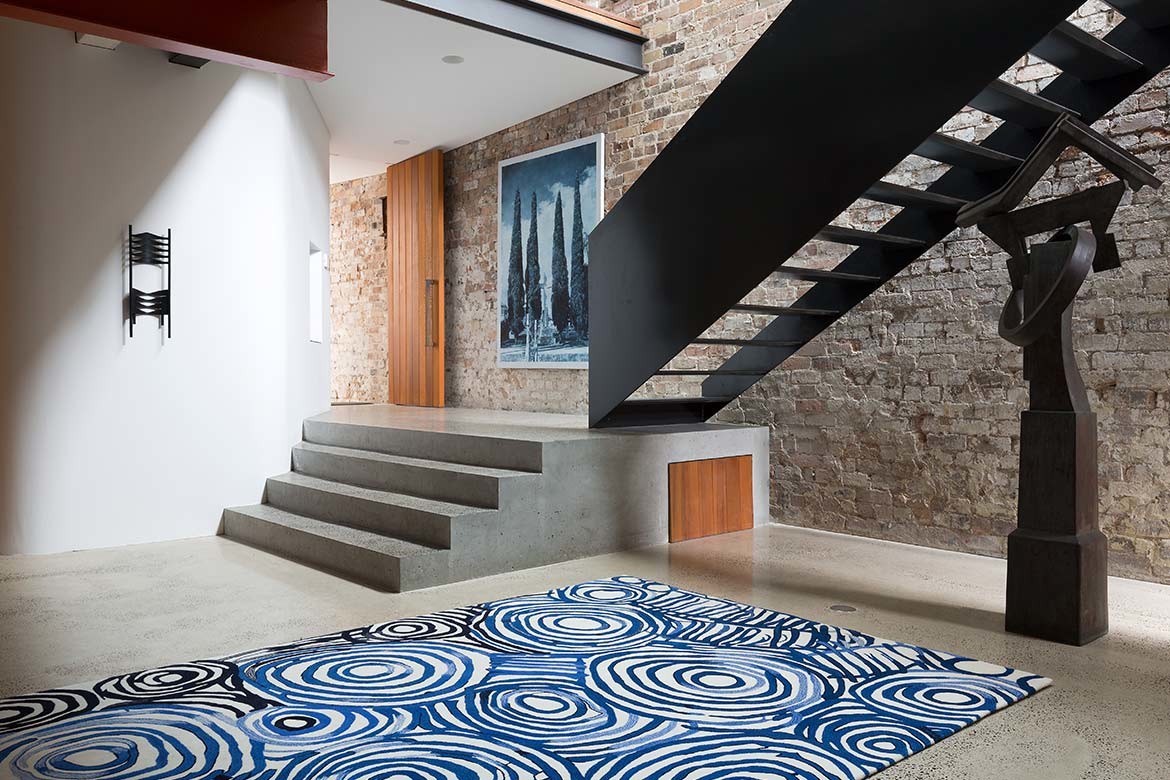
Rugs and carpet are a good example. Right now, across Australia, emerging and established artists are leveraging the latest technologies and materials to create rugs that carry their own Indigenous designs. However, through a misplaced fear that incorporating designs in this way – and therefore allowing them to be walked on – may cause offence, many designers are choosing not to specify them.

This whitepaper examines the use of Indigenous designs in rugs. Acknowledging the fact that unauthorised and inappropriate use of Indigenous designs and cultural appropriation are real and on-going problems, it explains the ways that work completed through collaboration with reputable manufacturers, like Designer Rugs, addresses them; and how including these products into projects helps artists bring their ideas to fruition and provide financial benefits to First Nations people.

Click here to download whitepaper

Related Articles

From Our Partners
Creating synergies of form, hue and space

Articles

Creating synergies of form, hue and space

When considered from the perspective of the human experience, a chair is not merely an object. It is a human vantage point within a space, it is the focal point for energies and activities, and it is a visual anchor that guides activities and emotions.

From Our Partners
Injecting identity into adaptable workplaces: the brand harnessing the visual treasure trove of cross-sector design culture

Articles

Injecting identity into adaptable workplaces: the brand harnessing the visual treasure trove of cross-sector design culture

The magnetic pull of certain spaces comes down to how seamlessly they work and, more importantly, how they feel. Recognising this, Kettal Workplace draws on the uplifting codes of other sectors to deliver contemporary workplace design.

From Our Partners
What Nikari reveals about Finnish design and its love of wood

Articles

What Nikari reveals about Finnish design and its love of wood

KFive Furniture and Finnish design brand, Nikari, invite us into a world of Finnish folklore and exquisite woodworking traditions. As we step through this moody, magical forest of culture and contemporary design, we discover what makes Finnish design distinct from its Scandinavian counterparts.

From Our Partners
The brand spotlighting furnishings crafted with purpose and the skilled design minds behind them

Articles

The brand spotlighting furnishings crafted with purpose and the skilled design minds behind them

A wander around a BACHLI showroom reveals a tapestry of captivating furniture designs, curated precisely and craft-led. Thanks to its longstanding partnerships with iconic designers, BACHLI has become a go-to for discovering the most exciting established and emerging Australian and international brands. Initially based in Melbourne, BACHLI have recently expanded into Sydney with their Surry Hills showroom, increasing their presence and opening their invitation to the design-savvy and curious nationwide.