From Our Partners

Watch this video: Respect for material and care for the future

Published

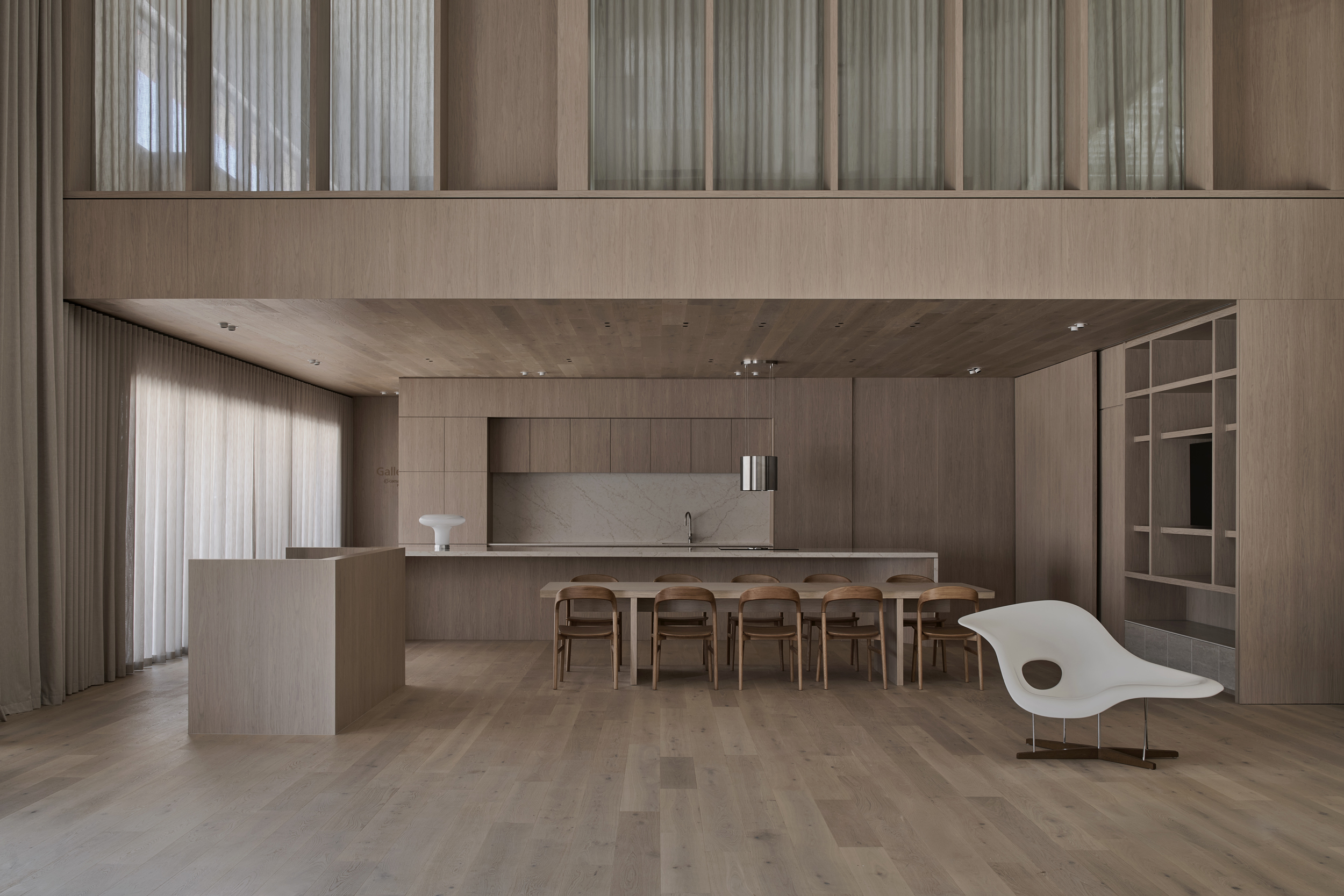
With a focus on selective usage and natural regeneration, hardwood forests in the US are being managed sustainably. See how this combines with the knowledge of designers to make timber a sustainable and sophisticated choice.

Wood is a material best understood through the dimension of time. Not only the time it takes for a forest to grow, and the history contained within one tree, but the lifetime of expertise developed by those who manage the forests and the designers who understand the value of quality material. Two fundamentals ensure successful timber design: a reliable and sustainable source of a supply and understanding of how to create with natural materials.

Sydney-based furniture designer Tom Fereday speaks of his work being “material-driven” and the importance of “celebrating the beauty of natural material.” Each piece has its own qualities so the task of the designer becomes one of working with the material rather than over-working it and exposing the character of the timber.

As AHEC regional director Roderick Wiles explains, as a natural material, wood has a huge amount of natural variation. However designers should not be daunted, as one of the roles of organisations such as AHEC, is to support designers in their understanding of the qualities and capabilities of different species, allowing them to work with confidence.

Perhaps most importantly, if selected with some understanding of source, designers can be certain that they are acting responsibly with regards to minimising the environmental impact of their design.

In the hardwood forests of the US, approximately three-quarters of the resource is owned by private individuals. Wiles describes how the owners “understand the value of the forest and want to look after it for future generations.”

They allow their trees to grow for longer and selectively harvest only a few trees per hectare. This practice promotes new growth through natural regeneration and this growth outstrips harvest. This means that the US forest is a resource that is increasing in volume every year. This is quite different from many forestry practices around the world.  

With a combination of certainty of environmental impact and the vast range of quality species from which to choose, it is clear why American hardwoods are the go-to choice for a designer of Fereday’s calibre.
Related Articles

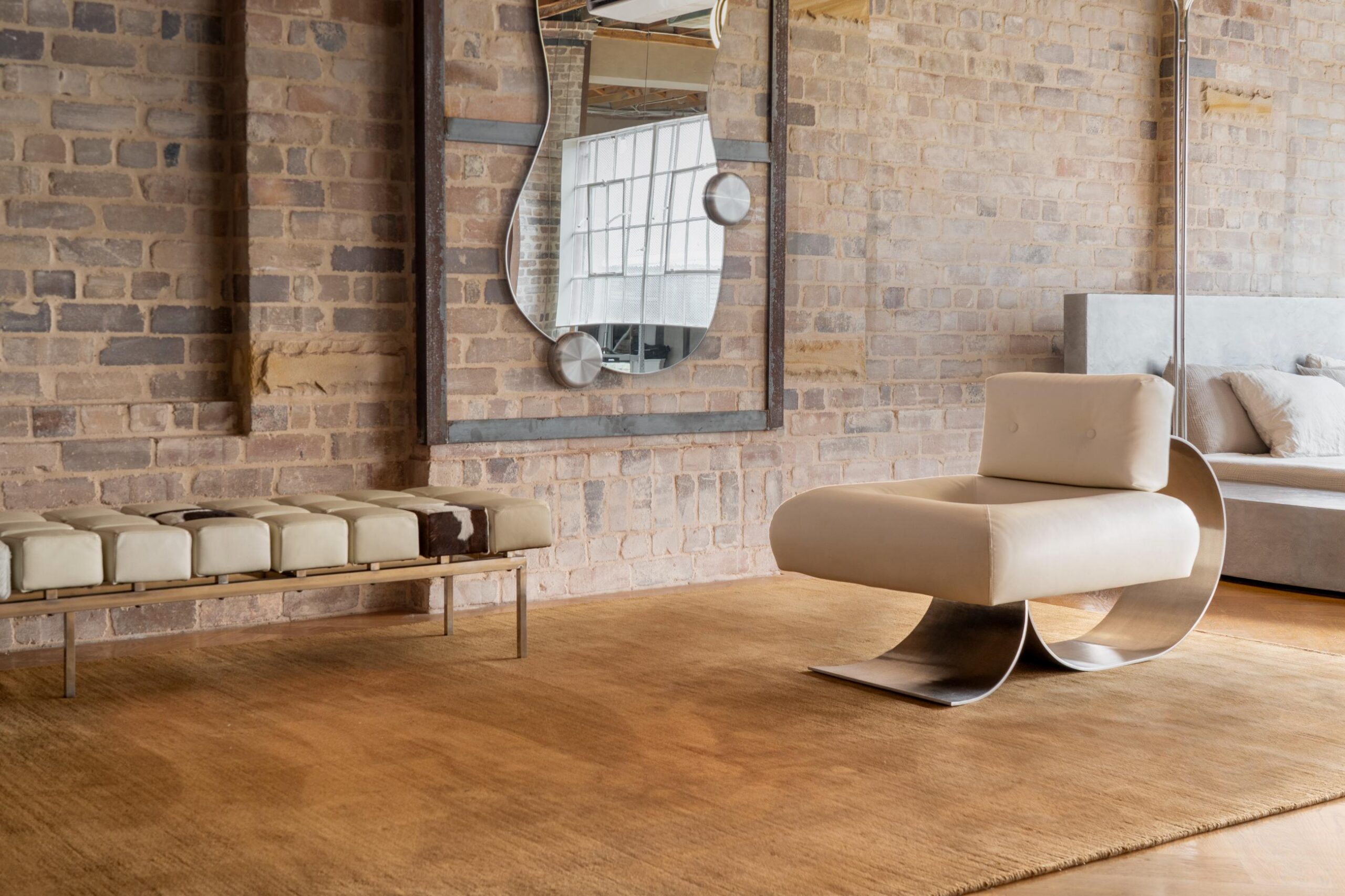
A new designer-led trade program takes the guesswork out of rug specification

Advertorials

A new designer-led trade program takes the guesswork out of rug specification

Developed by designers, for designers, Miss Amara Trade is the latest launch by leading Australian online rug specialists, Miss Amara. Working in partnership with designers, the trade program provides the expertise and tools to combat the pressures and uncertainty involved in specification.

From Our Partners
Shapeshifters of workplace design: a furniture brand providing flexibility across diverse design visions

Articles

Shapeshifters of workplace design: a furniture brand providing flexibility across diverse design visions

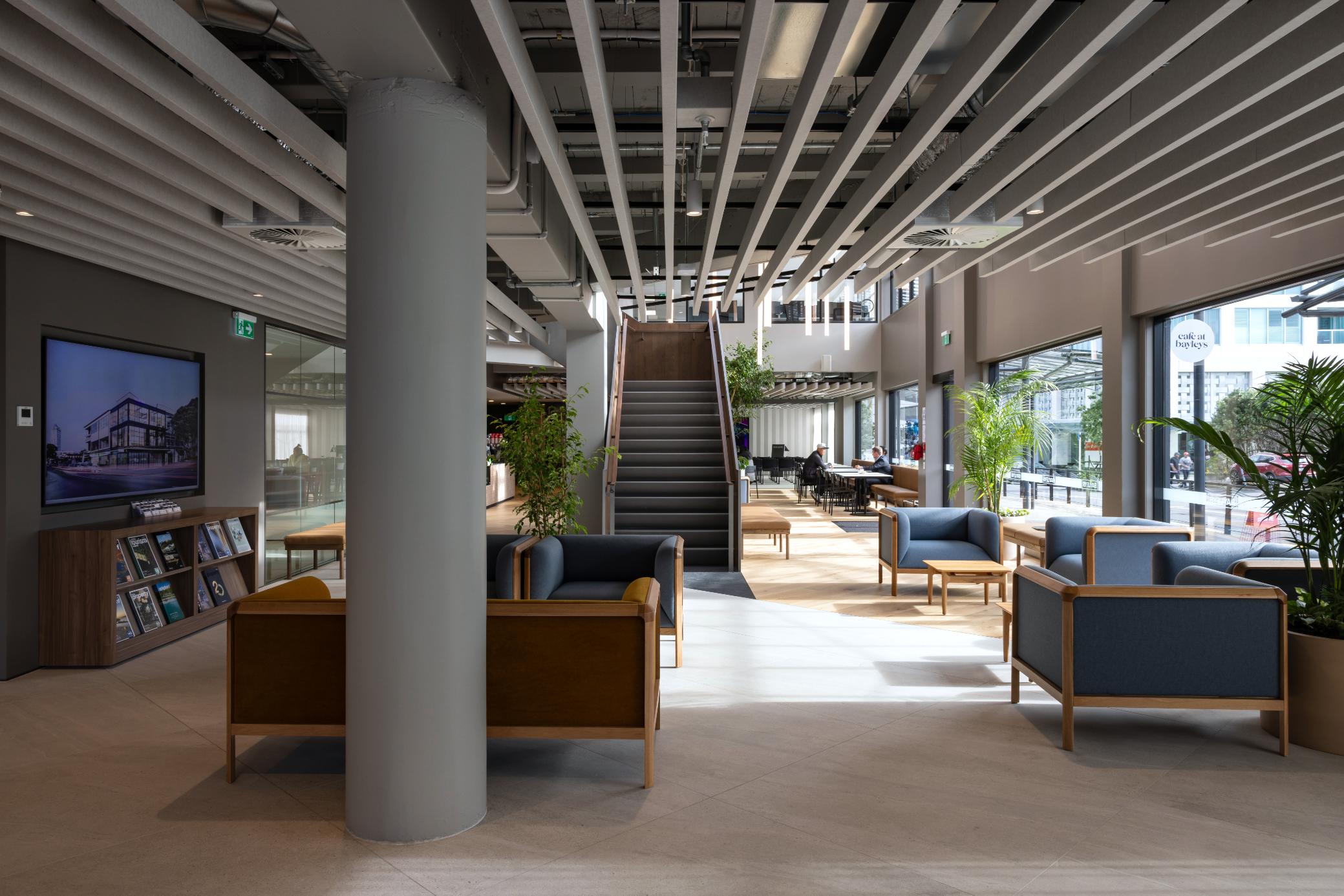
Today, workplace settings are fluid, ebbing and flowing between focus, informal discussion and collaboration. For this reason, versatility is at the core of Klaro Industrial Design’s perspective. Their designs continue to push the boundaries of what commercial furniture can offer, as demonstrated in a new collaboration between Klaro Industrial Design and Concept, a design and construction company focused on commercial interiors.

From Our Partners
Small Gestures, Distinctive Design: Inside Gaggenau’s Approach to Interaction

Articles

Small Gestures, Distinctive Design: Inside Gaggenau’s Approach to Interaction

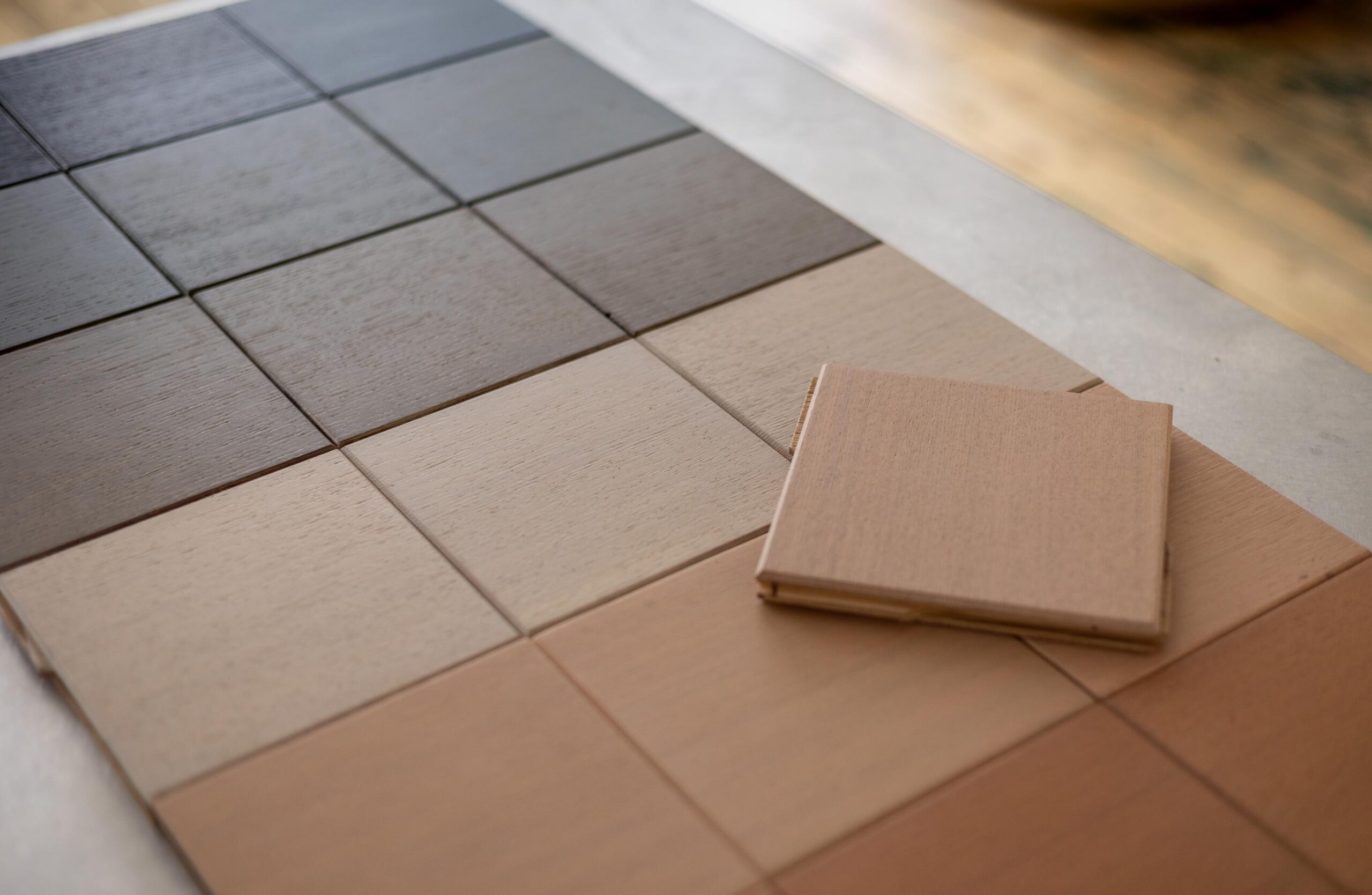
With Gaggenau’s floating control ring, interaction and interface designer Soeren Strayle brings physical presence to the digital interface, finding room for precision and familiarity.

From Our Partners
Three conversations about the future of home

Articles

Three conversations about the future of home

What does the future of the home look like? And, perhaps more importantly, what should it feel like, how should it perform, and what should it leave behind?